
Can dogs eat Ramen?
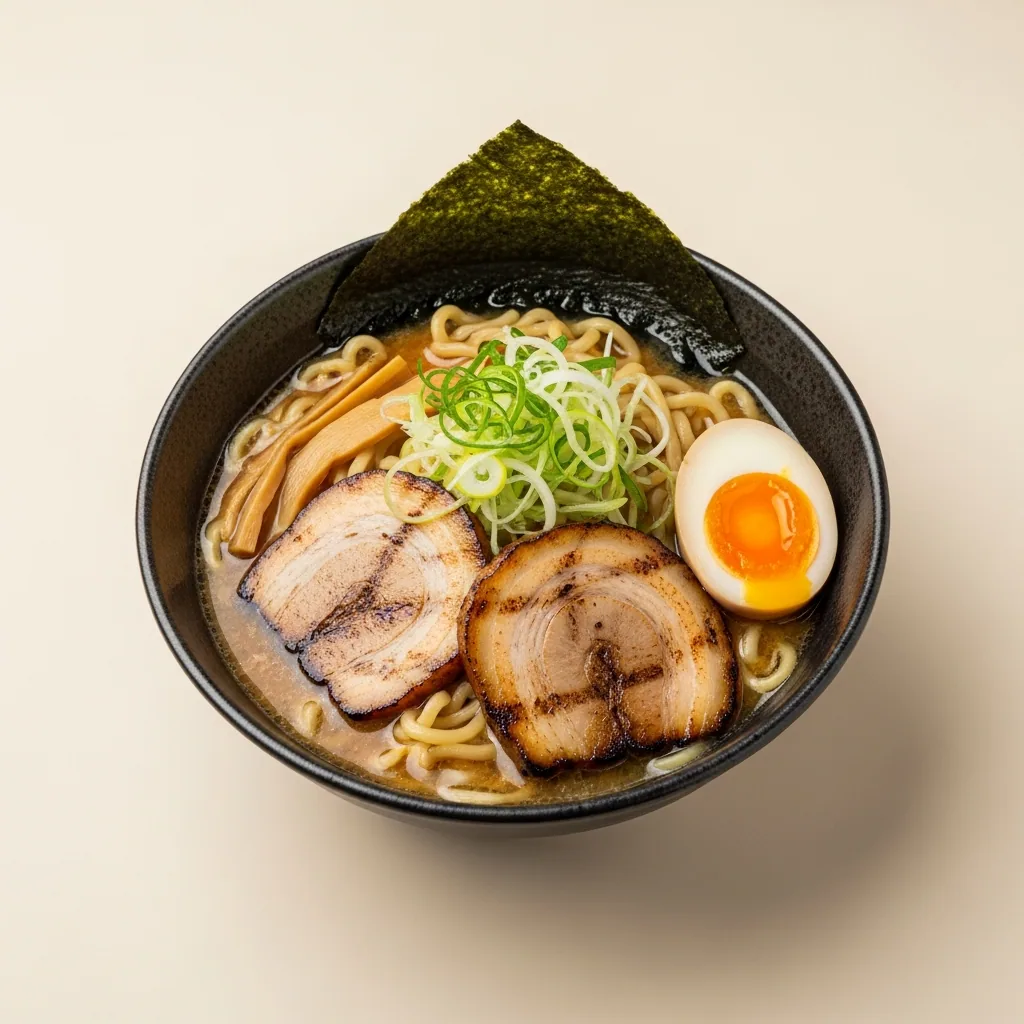
Is every ramen broth the same?
No. Nissin’s Hong Kong shoyu tonkotsu instant noodle bowl lists onion powder and garlic powder in its soup base. This is a particular market and product, not a statement about all ramen. Instant seasoning is also different from an unseasoned noodle packet or a restaurant’s cooked stock.
What should I save after an accidental meal?
Keep the soup-base sachet and outer packaging, or ask the restaurant about stock, tare, oil and toppings. Note whether your dog ate dry seasoning, diluted broth, noodles or the whole bowl. Those are different exposures; a taste-based description such as mildly salty is not a dose assessment.
What if my dog has already eaten some?
Keep the packaging or ask the cook for the ingredients, including stock, paste and toppings. Note the amount and time, and tell your vet your dog’s weight. Contact your vet promptly for suspected onion, garlic, shallot or chive exposure; signs can be delayed. Breathing difficulty, collapse or choking needs emergency care. Do not induce vomiting or give a home remedy unless your vet directs you.
Sources: Nissin Hong Kong: specified instant ramen formulation; VCA: allium poisoning and delayed signs; VCA: emergency signs and first aid. Editorial source review: 12 September 2026.
Common questions
Can dogs eat ramen?
Is every ramen broth the same?
How much ramen can a dog have?
Do not treat a caution label as permission to offer a small amount. The risk may come from an ingredient, preparation method, choking hazard or blockage, rather than portion size. Check the specific advice above; if the food or its ingredients are uncertain, do not offer it. Contact your vet if your dog has eaten a potentially harmful item.