
Practical guides
For the questions that come with the dog.
From the first week at home to the familiar years together. Find a clear answer, a small thing to try, and a little reassurance along the way.
Thinking about a dog
Still deciding. The HDB rules, the honest cost, and where a dog should come from, before any deposit changes hands.
-
Buying a dog in Singapore
The decision framework, the ethical sourcing notes, and the lifetime cost reality before you sign anything.
Read the guide → -
Adopting a dog in Singapore
How adoption works end to end: the rescue organisations, the home visit and trial, fees, and Project ADORE for HDB flats.
Read the guide → -
AVS dog licensing FAQ
HDB versus landed limits, multiple dogs, Project ADORE, expat transfers, renewals, and the sterilisation incentive.
Read the guide →



Just got a dog
The first month. The paperwork that has a deadline, the first vet visit, and getting toilet training started in a flat.
-
The AVS dog licence
PALS portal walk-through, renewal cadence, the documents you need, and the fines if you skip it.
Read the guide → -
Microchipping
The legal record, not the collar tag. AVS PALS link, what scanners read, and what to update when life changes.
Read the guide → -
Vaccinations
The Singapore core schedule, what each shot covers, and the annual booster routine.
Read the guide → -
Vaccination schedule by breed size
How small, large, and flat-faced breeds nuance the core SG schedule: sterilisation timing, anaesthesia, and visit cadence.
Read the guide → -
Choosing a vet in Singapore
The complete guide: proximity, specialisation and fit, first-visit checks, typical costs, AVS licensing, and when to switch. Plus emergency vets and a neighbourhood-by-neighbourhood directory.
Read the guide → -
Finding a vet
How to shortlist a vet you can call on a Sunday, the questions to ask on a first visit, and the emergency lines.
Read the guide → -
Puppy toilet training in an HDB flat
The SG-flat playbook: pee pads to outdoor transition, lift discipline, and the realistic timeline.
Read the guide →


Living with your dog
Settled life together. The everyday risks, the cover that matters, travel and boarding, and the day a dog goes missing.
-
Keeping your dog safe in the heat
The year-round hub: recognising heatstroke, the pavement test, walk timing, the breeds most at risk, and the emergency first-aid steps.
Read the guide → -
Mid-Autumn dog safety: mooncakes, lanterns and crowds
Which mooncake ingredients are risky, lanterns and candles near fur and tails, crowded light-ups, and where to buy dog-safe mooncakes instead.
Read the guide → -
Thunderstorm anxiety in dogs: the inter-monsoon guide
Why storms actually frighten a dog, what an HDB flat does to the noise, the monsoon position right now, desensitisation that works, and when to call a vet.
Read the guide → -
Haze and PSI: how to decide if it's safe to walk your dog
The official PSI bands and MOH's advisory for people, plus UDO's own reasoning, clearly flagged as ours, on what a hazy day means for a dog.
Read the guide → -
Is this an emergency? Symptom triage
Poisoning, heat stroke, seizures and more, symptom by symptom: red flags, what to do now, and when to drive to a 24-hour clinic.
Read the guide → -
Pet insurance
The policy questions that actually matter. Excess, co-insurance, exclusions, and when to buy.
Read the guide → -
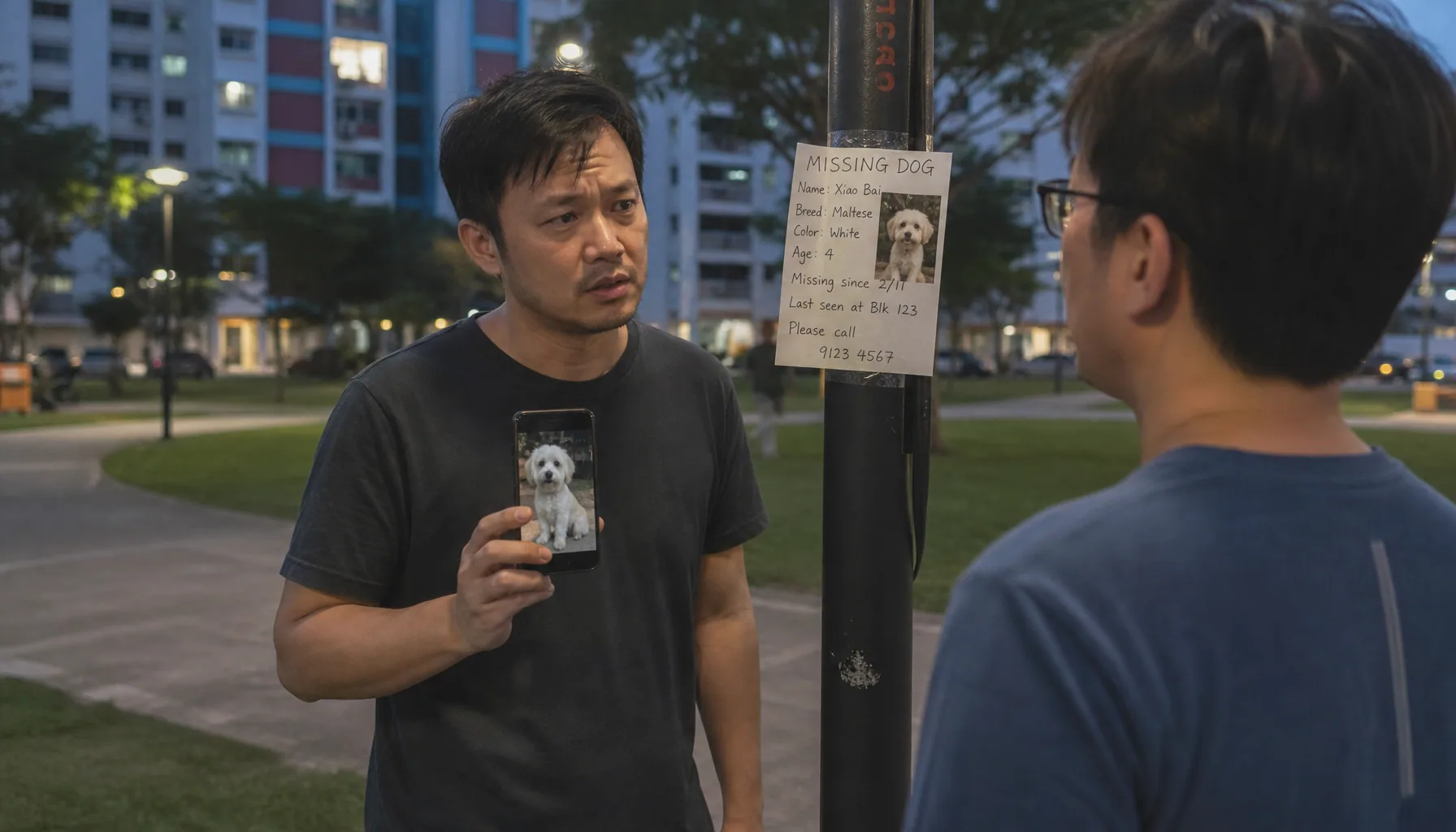
Lost dog reporting
The first-hour playbook: the AVS report, the hotlines, how the microchip brings a found dog home, and the community groups.
Read the guide → -
Boarding while you travel
The booking-order decision, the AVS pre-flight checklist, travel insurance that covers the dog, and the Johor option.
Read the guide → -
Booking dog boarding for half term and the year end
Why boarding books out for October half term and the December holidays, what drives the price, what CCTV really gets you, and how to check AVS licensing yourself.
Read the guide → -
How to choose a pet relocation company
IATA crate rules, quarantine basics, typical SGD price bands, the red flags to avoid, and the verified Singapore roster.
Read the guide → -
Driving your dog to Malaysia
The pillar hub: customs at Woodlands and Tuas, the AVS and MAQIS permits, the stricter return leg, plus JB and KL trip guides.
Read the guide →




Choosing your dog
Which breeds actually suit a flat, a family, or a first-time owner, heat and noise included.
-
Choosing a dog for an HDB flat: eligibility, adoption and everyday care
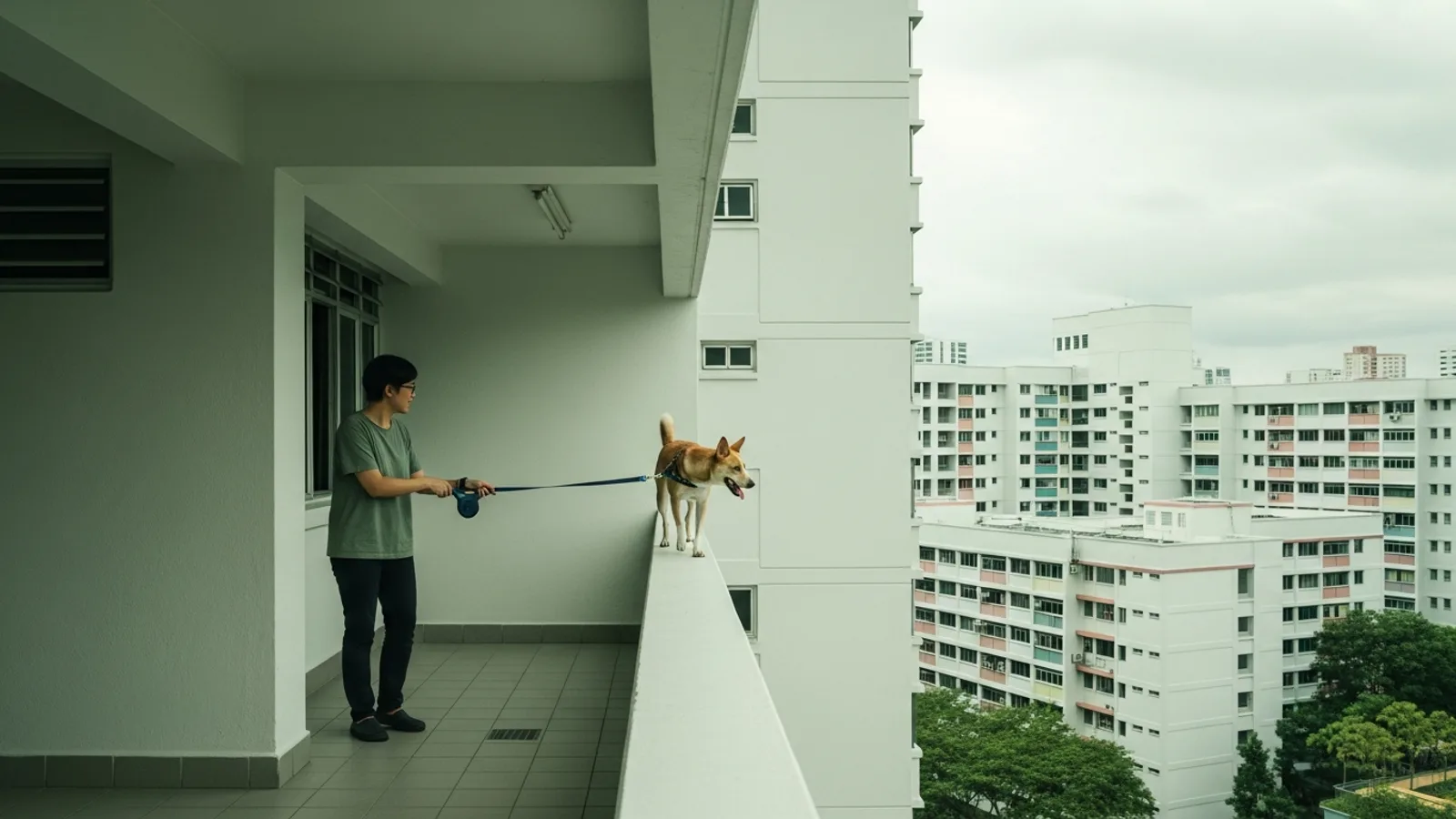
A dog can become a much-loved part of flat life. Start by checking eligibility for your actual home, then choose for the individual dog’s needs and the daily care you can offer. A small body or a seller’s assurance is not proof of HDB approval.
Read the guide → -
Best dogs for families with children in Singapore
The right family dog is patient, sturdy and steady. Here are the best breeds for a home with children, all HDB-approved, plus the ground rules that matter as much as the breed.
Read the guide → -
Best dogs for first-time owners in Singapore
A good first dog is forgiving, adaptable and manageable. Here are the best beginner breeds for Singapore, all HDB-approved, plus what to avoid and why an adult rescue can be easier.
Read the guide → -
Best low-maintenance dogs for Singapore (and the flat-faced caveat)
Low-maintenance means low grooming and low exercise, not low health cost. Here are the easiest-keeping breeds for Singapore, plus the flat-faced caveat that trips up a lot of buyers.
Read the guide → -
Best low-shedding dogs for Singapore (and the hypoallergenic myth)
Low-shedding breeds keep the fur off your sofa, and all of these are HDB-approved. But no dog is truly hypoallergenic, and low shedding means more grooming, not less. Here is the honest list.
Read the guide → -
The quietest dog breeds for HDB living in Singapore
With shared walls, a barky dog is your neighbours' problem too. Here are the least vocal breeds for HDB living, all approved, plus the training that matters more than breed.
Read the guide →


Grooming and coat care
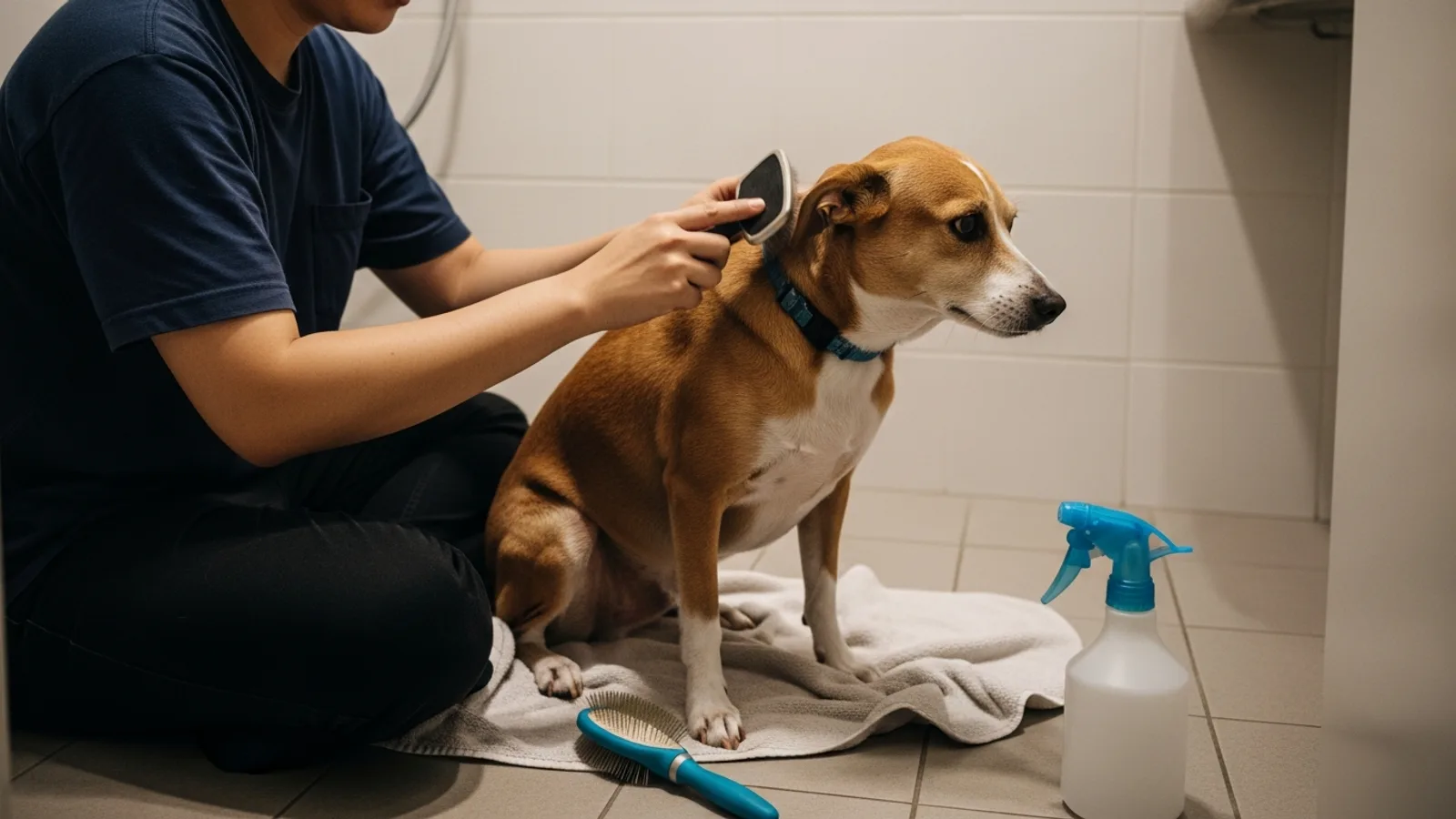
Keeping a coat healthy through the humidity, and the home care you can do between salon visits.
-
How often should you groom your dog in Singapore's climate?
Singapore's heat and humidity change how often a dog needs grooming, and how fast a neglected coat turns into a skin problem. Here is a realistic grooming routine for the climate.
Read the guide → -
Dog grooming tips for Singapore's climate: humidity, matting and the undercoat
Keep your dog comfortable through rain, muddy walks and everyday life in Singapore. Match brushing and bathing to the actual coat and skin, and ask for help with painful mats or unfamiliar equipment.
Read the guide → -
How to brush a double-coated dog in Singapore
A gentle brushing routine for a double coat, plus the signs that matting or skin discomfort needs professional help.
Read the guide → -
Nails, ears and teeth: the home grooming you can do between salon visits
Small, comfortable care sessions help you notice changes between grooming appointments. Learn nail care before cutting, clean ears only when needed, and aim for daily toothbrushing without forcing a painful mouth.
Read the guide →



Feeding and nutrition
Wet, dry, raw and supplements, weighed honestly for the local climate.
-
Dog supplements in Singapore: what helps and what to skip
Most healthy dogs on a complete diet need no supplements. A few have real evidence; many are marketing. How to tell them apart, and why to ask your vet first.
Read the guide → -
Raw feeding for dogs in Singapore: a safe, honest guide
Raw feeding is not proven to be healthier than an appropriate balanced cooked diet. CDC advises against raw pet food because of risks to animals and people. Nutritional formulation, cold storage and careful cleaning do not remove every infection hazard. A complete cooked diet is a practical starting point for discussing your dog's needs with your vet.
Read the guide → -
Wet vs dry dog food in Singapore: which is better?
Wet or dry, kibble or pouch: it is one of the most common questions new owners ask, and the honest answer is that both can feed a dog well. What matters more is the quality of the food and how it fits your dog and your budget. Here is how to choose in Singapore's climate.
Read the guide → -
Home-cooked dog food recipes: a Singapore safety guide
Cooking for your dog can feel like a tangible way to care for them. A bowl of meat, rice and vegetables, however, is not automatically a complete meal. Before replacing the regular diet, obtain an individually appropriate formulation, including its exact supplement and preparation instructions. The ingredient examples below are discussion prompts for that appointment, not recipes to feed as a sole diet.
Read the guide → -
How to choose the best dog food in Singapore: a buyer's guide (2026)
Ask ten owners for the best dog food in Singapore and you'll get ten answers, usually whichever brand they feed. The honest truth is there's no single best food. The best food is the complete, balanced one that suits your particular dog, agrees with their stomach, and that you can afford to feed consistently. Here's how to choose one without getting lost in the marketing.
Read the guide →




Days out with your dog
Where a dog is allowed, how to get there, and what to check before you go.
-
Are dogs allowed on Sentosa? A dog owner's guide
Yes, you can plan a Sentosa outing with your dog, but island access is not permission for every attraction, restaurant or transport service. Confirm the journey, the exact place you want to visit and a workable way home before setting off.
Read the guide → -
Can dogs swim at East Coast Park?
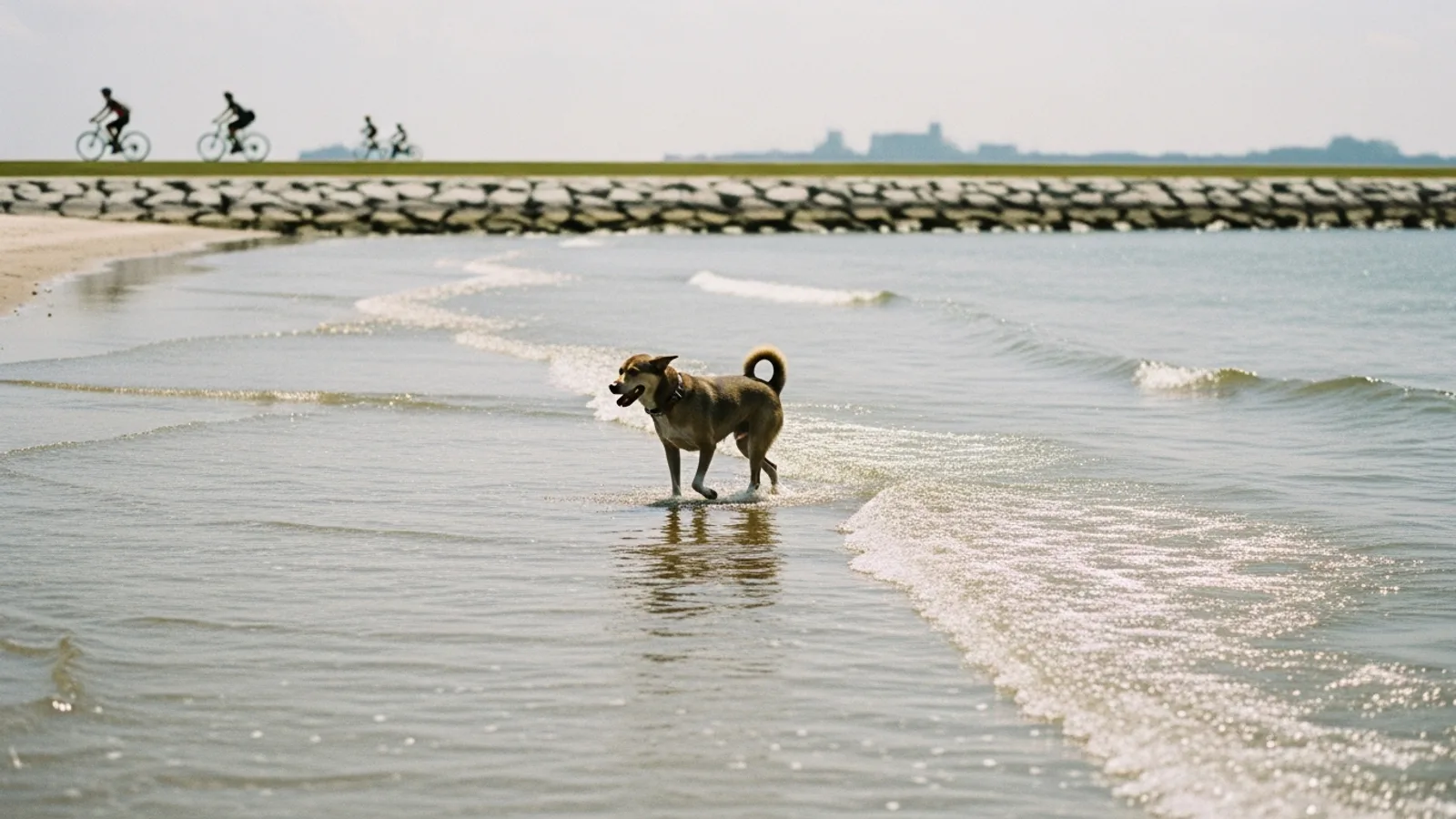
Plan a coastal walk, check the Area C1 dog-run closure and assess swimming separately. Dog-friendly park access is not a guarantee of safe water or permission everywhere.
Read the guide → -
Can I bring my dog to Gardens by the Bay?
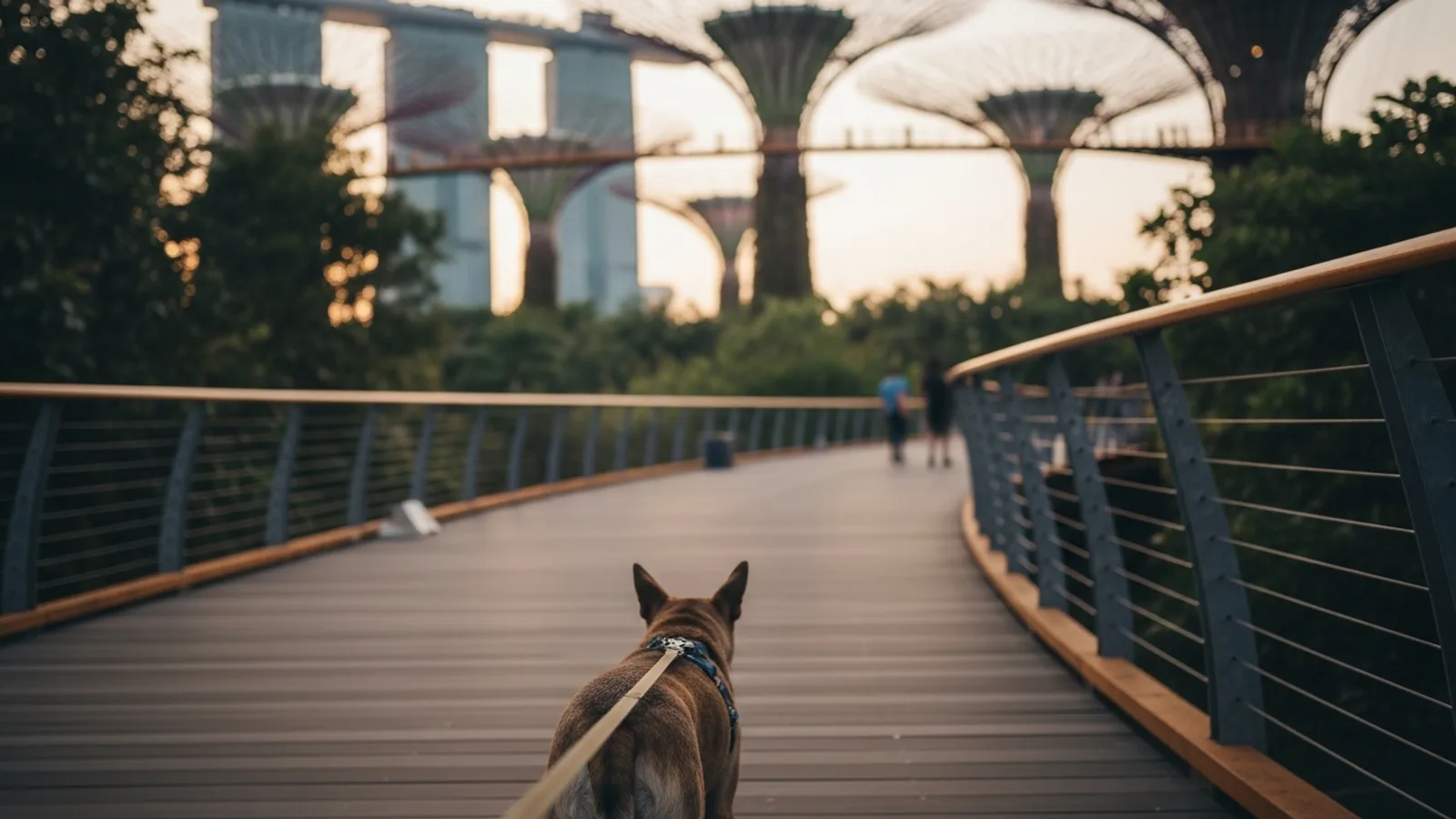
Leashed dogs are welcome across the Outdoor Gardens at Gardens by the Bay, but not the Conservatories or Skyway. Here is exactly where you can and cannot go with a dog.
Read the guide → -
Getting around Singapore with your dog: MRT, buses, taxis and pet transport
A good outing starts with knowing how both of you will get home. Compare pet-friendly rides, booked pet transport and your own car, then plan around your dog’s comfort, the actual booking conditions and the destination’s rules.
Read the guide →

Everyday life in Singapore
The real cost, the renting rules, the seasonal calendar and the first month with a new dog.
-
Flying with your dog from Singapore: cabin, cargo and relocation (2026)
Start with the operating airline and exact route. A pet may travel in the cabin, as checked baggage or through a cargo arrangement depending on the carrier and journey. Confirm acceptance before buying equipment or treating your own flight booking as a pet booking.
Read the guide → -
Tiring out your dog in 800 sq ft: indoor exercise for Singapore HDB dogs
When the afternoon heat or a monsoon downpour cancels the walk, a flat-bound dog still needs to burn energy. The good news is that a tired brain tires a dog faster than tired legs, and most of the work fits inside 800 square feet.
Read the guide → -
Singapore dog walking hazards: heat, monsoons, traffic, monkeys and the things owners forget
A walk in Singapore carries hazards that temperate-climate guides never mention. Pavements that burn paws by mid-morning, monsoon drains that fill in minutes, and forest-fringe encounters with monkeys and boars all belong on the same checklist.
Read the guide → -
The real cost of owning a dog in Singapore: 2026 monthly and annual budget breakdown
Adopting is the cheap part. The honest cost of a dog in Singapore is a recurring monthly figure plus a handful of large, predictable bills, and the owners who struggle are usually the ones who only budgeted for the puppy.
Read the guide → -
A daily routine for working Singapore dog owners: WFO, hybrid, and the dog at home
A dog does not need you home all day. It needs a routine it can predict, enough physical and mental work bracketing your absence, and a plan for the hours in the middle. The setup looks different on a work-from-office week than a hybrid one, and both can work.
Read the guide → -
The Singapore dog health calendar: monsoon parasites, heatstroke and tick fever through the year
A good health calendar makes dog ownership feel more manageable. It tells you what is due, what has changed and who to call, without pretending every dog needs the same monthly medicine or annual injection. In Singapore, warm weather throughout the year makes a consistent routine useful, but local conditions do not replace individual veterinary advice.
Read the guide → -
The Singapore dog owner's seasonal calendar: heat, haze, fireworks and the festive year
Singapore has no four seasons, but it has a real calendar of heat, haze, monsoons and festival fireworks that shapes life with a dog. Here is the year, month by month, and how to stay ahead of it.
Read the guide → -
How many dogs can you keep in Singapore? HDB and private-property rules
Start with your home type and the pets already in your household. HDB ordinarily permits one eligible dog; private premises ordinarily permit three cats and dogs combined. Check breed restrictions, scheme conditions and any specific approval before adding another pet.
Read the guide → -
Neutering and spaying your dog in Singapore: what to know
Neutering is an individual health decision as well as a way to prevent unwanted litters. You do not need to arrive at the vet with the answer already chosen. Arrive with your dog's history, your questions and a clear picture of daily life at home.
Read the guide → -
Renting with a dog in Singapore: what tenants and landlords should know
Renting with a dog in Singapore is less about the law and more about the landlord and the estate. Here is how the HDB rules, condo by-laws and your tenancy agreement decide it.
Read the guide → -
Your first month with a new puppy in Singapore: the complete checklist
The first month with a puppy sets the tone for everything after it. Here is a Singapore-specific run through what to sort before pickup and what to tackle in those first four weeks, with the local rules and resources in one place.
Read the guide → -
Elimination diet for dogs: diagnosing a food allergy properly
A carefully chosen diet trial, followed by a controlled challenge, can establish whether food is contributing to your dog’s signs. Improvement alone is not a confirmed diagnosis. Work with your vet on the food, duration, medicines and follow-up, rather than cycling through bags labelled sensitive.
Read the guide →







Health and emergencies
What to do when something goes wrong: poisoning, heatstroke, AVS licensing, and the behaviour problems that wear owners down.
-
HDB barking complaints: how to manage your neighbour situation
A neighbour complaint about your dog's barking is serious in an HDB context, but it is a problem with a clear pathway through it. This guide covers how to identify the cause, reduce the noise now, manage a formal complaint if one has been filed, and when to bring in professional help.
Read the guide → -
Vet bills in Singapore: what to expect and how to plan
Plan veterinary spending around your dog: ask for written estimates, compare the scope of care, understand insurance terms and prepare for unexpected bills.
Read the guide → -
Singapore dog vaccination schedule, explained
Core vaccines, puppy timing, leptospirosis, kennel cough, titre testing, and how your AVS licence connects to it all. Here is what Singapore dog owners actually need to know about keeping jabs current and records straight.
Read the guide → -
Your rescue dog's first 30 days in Singapore
Bringing a rescue dog home is a different experience from raising a puppy, and the first 30 days require patience more than training. This guide covers what to expect during the decompression period, from the first quiet hours in a HDB flat to the point where your dog genuinely starts to feel at home.
Read the guide → -
AVS dog licensing in Singapore: a step-by-step guide
AVS dog licensing is mandatory for every dog in Singapore aged three months and over, regardless of where you live. This guide covers the documents you need, the current fee structure, how to apply and renew online, and what is at stake if you let your licence lapse.
Read the guide → -
Dog bite laws in Singapore: what every owner must know
We know this is not a comfortable topic, but understanding the law before an incident happens is one of the most responsible things you can do as a Singapore dog owner. Here is what the Animals and Birds Act actually says.
Read the guide → -
Dog poisoning: what to do right now
If your dog may have swallowed something harmful, call a veterinary clinic promptly with the product, amount, time and dog’s weight. Do not wait for symptoms or induce vomiting unless instructed by the vet.
Read the guide → -
Dog run, shaded walk or quieter outing: choosing in Singapore
Choose the outing your dog can manage today. Check permission, space, conditions and an easy exit before deciding between a dog run, an on-lead walk or a quieter alternative.
Read the guide → -
How much to feed your dog: a Singapore portion and label guide
A feeding calculator gives you an estimate to discuss and monitor, not an exact prescription. Your dog's needs depend on individual body condition, muscle, activity, life stage and health. Living in Singapore or an HDB flat does not justify an automatic percentage cut in food.
Read the guide → -
How to stop excessive barking in an HDB flat
One of the most common calls we get from Singapore owners is about a neighbour complaint. Before anything else, know this: excessive barking is almost always a training and environment problem, not a character flaw in your dog, and it is fixable.
Read the guide → -
Moving house with your dog: an HDB-to-condo and cross-border guide
Read the guide → -
Resource guarding in dogs: what it is and how to fix it
Growling over a food bowl looks like a behaviour problem, but it is really a communication signal, and how you respond to it in the first few weeks decides whether it fades or escalates. Here is what resource guarding actually is, and the training approach that has the evidence behind it.
Read the guide → -
Singapore dog transport: MRT rules and pet-friendly rides
Ordinary dogs cannot use Singapore’s MRT, LRT or public buses, even in carriers. Plan pet-accepting rides and safe, comfortable journeys instead.
Read the guide → -
Specified Dogs in Singapore: licensing and public-space rules
If your dog's breed has extra licensing requirements, start with the official AVS list and the conditions that apply to your dog and home.
Read the guide → -
Your dog's first month at home: a week-by-week checklist
The first month with a new dog sets the foundation for everything that follows. This week-by-week checklist covers the practical steps, the training priorities, and the vet visits you need to action in weeks one through four.
Read the guide → -
Excessive barking in HDB: how to reduce it fast
Excessive barking in an HDB flat is one of the top three reasons dogs get rehomed in Singapore. The most effective approach combines identifying the trigger (boredom, fear, alert barking, or separation anxiety), adjusting the environment, and teaching a 'quiet' cue with positive reinforcement. Most cases improve within 2 to 4 weeks with consistent work.
Read the guide → -
Dog + newborn: how to introduce them safely
Most dogs adjust well to a new baby if the introduction is managed correctly. The key is preparation before the baby arrives, not a crash course on the day. Start 4 to 6 weeks before the birth: introduce baby sounds and smells, reinforce calm behaviour, and establish the boundaries that will apply once the baby is home. The first meeting should be calm, brief, and always supervised.
Read the guide → -
Emergency first-aid for dogs in Singapore
Prepare your emergency vet contact and transport plan. For suspected heatstroke, start cooling promptly while arranging veterinary help. Poisoning, breathing difficulty, collapse and prolonged or repeated seizures need urgent assessment.
Read the guide → -
Dog poisoning: what to do RIGHT NOW
If your dog may have swallowed something harmful, call a veterinary clinic promptly with the product, amount, time and dog’s weight. Do not wait for symptoms or induce vomiting unless instructed by the vet.
Read the guide → -
Dog aggression in Singapore: causes, types, and what to do
After snapping, lunging or a bite, prevent another incident, obtain care for injuries and contact your vet. Build an individual safety plan; a muzzle reduces risk but cannot eliminate it, and investigation outcomes cannot be predicted from a general guide.
Read the guide → -
Dog fears and phobias in Singapore: what triggers them and what helps
Fear responses in dogs range from a brief startle to a full phobic crisis, and Singapore's thunderstorms, fireworks calendar, and HDB environment create triggers year-round. This guide explains what is actually happening, what helps, and when to involve your vet.
Read the guide → -
Condo pet rules in Singapore: what your MCST can and cannot do
Your MCST has real authority to regulate dogs in common areas if the right by-laws have been properly passed, but it cannot ban dogs outright or enforce rules that were never adopted at a general meeting. Knowing the difference protects you from both unlawful overreach and genuine non-compliance.
Read the guide → -
Reporting a lost or stray dog in Singapore: the AVS process explained
If your dog has gone missing or you have found a stray, Singapore's AVS portal is the official reporting channel for both situations. Acting within the first hour and knowing the 14-day shelter hold window can make the difference between a reunion and a missed chance.
Read the guide → -
Pet insurance emergency claims in Singapore: a step-by-step guide
After an emergency vet visit, most Singapore pet insurers require you to notify them within 48 to 72 hours and then submit an itemised invoice, written diagnosis, and claim form to trigger reimbursement. This guide covers every step, from what to collect at the clinic to what to do if your claim is rejected.
Read the guide → -
Walking Singapore's park connectors: a guide for HDB dog owners
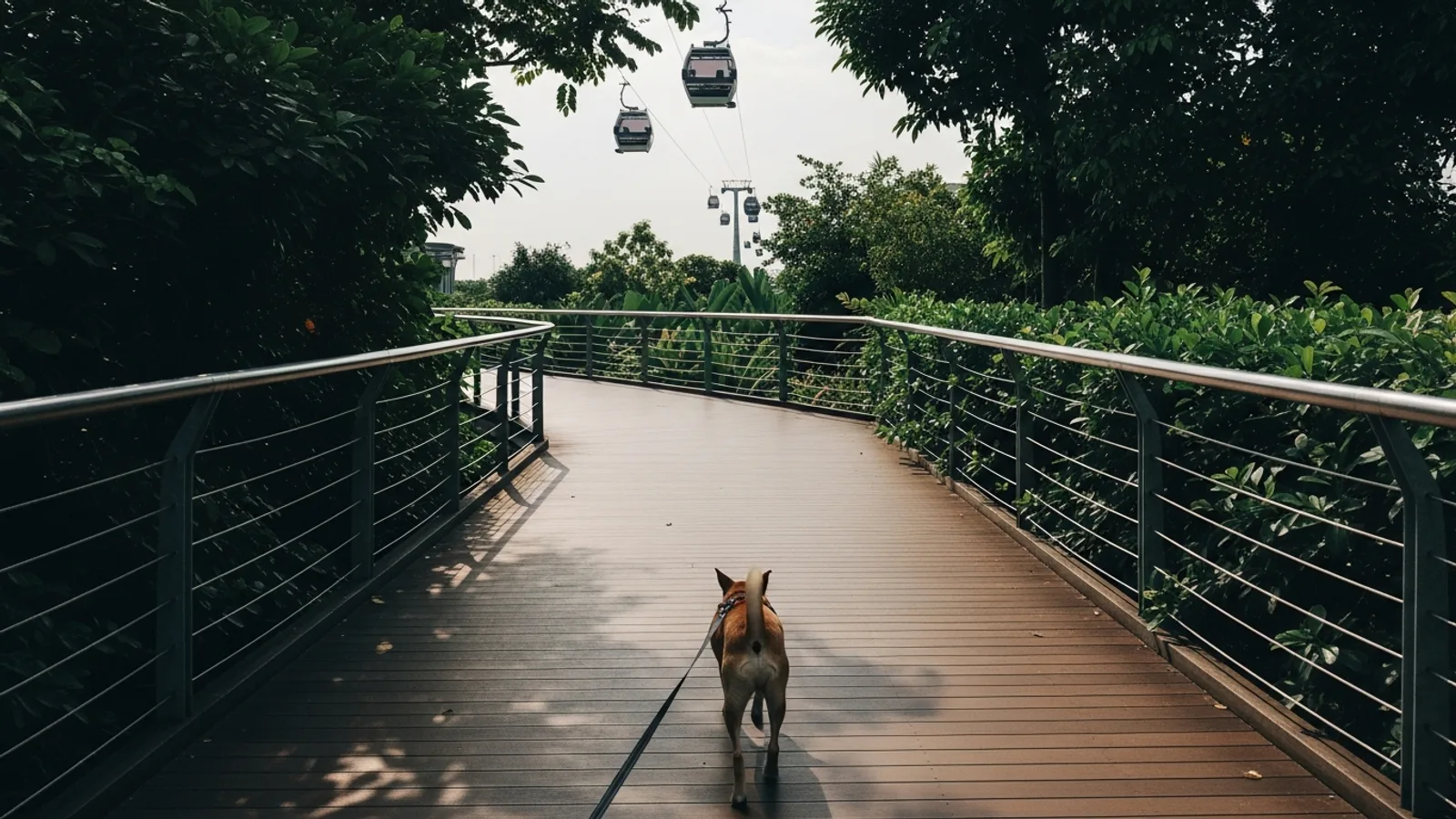
Singapore's Park Connector Network gives HDB dogs access to more than 350 km of green, low-traffic walking corridors. This guide covers the five routes most useful to HDB owners, how to walk them safely in Singapore's heat, and what to bring.
Read the guide →



Before you get a dog
Finding the right dog from the right source: breeder red flags, puppy proofing, and what the first weeks actually involve.
-
What owning a dog actually costs in year one
Plan your first year around the dog you are bringing home. Separate setup purchases, regular care and emergency savings, check what adoption fees already cover, and replace estimates with current quotes before committing.
Read the guide → -
HDB approved dog breeds: what you need to know before you choose
HDB ordinarily permits one dog from its approved list, including crosses of two listed breeds. Project ADORE and written-permission provisions cover separate cases. Check housing eligibility, AVS licensing and the individual dog’s care needs before committing.
Read the guide → -
Adoption or buying in Singapore: fees, care and questions to ask
Compare the written arrangement: what care has already happened, what your payment includes and what remains to arrange. Neither route guarantees health, temperament or a match for your household.
Read the guide → -
How long can you leave a dog alone in an HDB flat?
Plan time alone around your individual dog's comfort, toilet needs and reliable care. A full working day needs a support plan, not a blanket six-to-eight-hour allowance.
Read the guide → -
Fostering a dog in Singapore before you commit
Fostering a rescue dog gives you weeks or months of real dog ownership before you commit permanently. This guide covers how Singapore's foster programmes work, what it costs, what the HDB rules mean for your placement, and what to do if you fall for the dog you were only supposed to be minding temporarily.
Read the guide → -
AVS-approved rescue groups in Singapore: where to adopt
If you are ready to adopt rather than buy, going through one of AVS's own partner animal welfare groups is the safest and most straightforward route, especially if you live in an HDB flat. Here is the full official list and how the process actually works.
Read the guide → -
Dog microchipping and registration in Singapore: a step-by-step guide
A microchip identifies the dog; an accurate licensing record connects that identity to its owner. Have the chip scanned, check the documents and use PALS for licensing and ownership changes, without assuming an extra two-month grace period.
Read the guide → -
Importing or exporting a dog from Singapore: AVS permits explained
Moving countries with your dog means coordinating three separate things: entry permission, the dog’s health and records, and a carrier that accepts the journey. Start with the destination’s official rules, then build a dated plan for this individual dog and route.
Read the guide → -
Puppy socialisation in Singapore: safe, positive first experiences
Help your puppy learn about people, sounds and everyday Singapore life at a comfortable pace. Plan safe early experiences with your vet, then keep building confidence as your dog grows.
Read the guide → -
Puppy-proofing your HDB flat (safety checklist)
Check your HDB flat at puppy height: secure openings, protect cables, lock away medicines and plan a comfortable resting area. Use this room-by-room checklist before arrival and revisit it as your puppy grows.
Read the guide → -
How to find an ethical dog breeder in Singapore
Check the seller's licence, the puppy's identity and records, and how the breeding environment can be viewed. Singapore's rules allow remote viewing for biosecurity; price, pedigree and an in-person visit alone do not establish responsible breeding.
Read the guide → -
Warning signs of a bad breeder or pet shop in Singapore
Pause a puppy purchase when the seller's identity, the dog's records or the payment terms do not add up. Check evidence rather than assuming that price, instant availability or refusal of a physical breeding-area visit proves poor welfare.
Read the guide → -
AVS dog licensing in your dog's first year: what to do and when
Use PALS to arrange your dog's licence or ownership transfer, with the microchip number and documents relevant to your circumstances. Check housing eligibility separately, then keep the record and any expiry date up to date.
Read the guide → -
Puppy, adult or senior: which age dog suits your life
Puppy, adult or senior: choose around the individual dog, your household and a workable care plan. Age is a starting point for questions, not a guarantee of an easy fit.
Read the guide → -
Quiet dog breeds for HDB flats: what the evidence actually says
Some breeds are genuinely less prone to barking than others, but individual temperament, daily exercise, and how you train a dog to be alone matter more than breed alone. This guide explains what the evidence says and what to look for when choosing a dog for HDB living.
Read the guide → -
One dog or two: what Singapore flat owners need to know
HDB households are officially limited to one dog per flat under HDB rules, and that single rule settles the question for most Singapore flat owners. Condo residents need to check their MCST bylaws individually. Either way, the financial and behavioural case for a second dog deserves honest scrutiny before you commit.
Read the guide →







Training
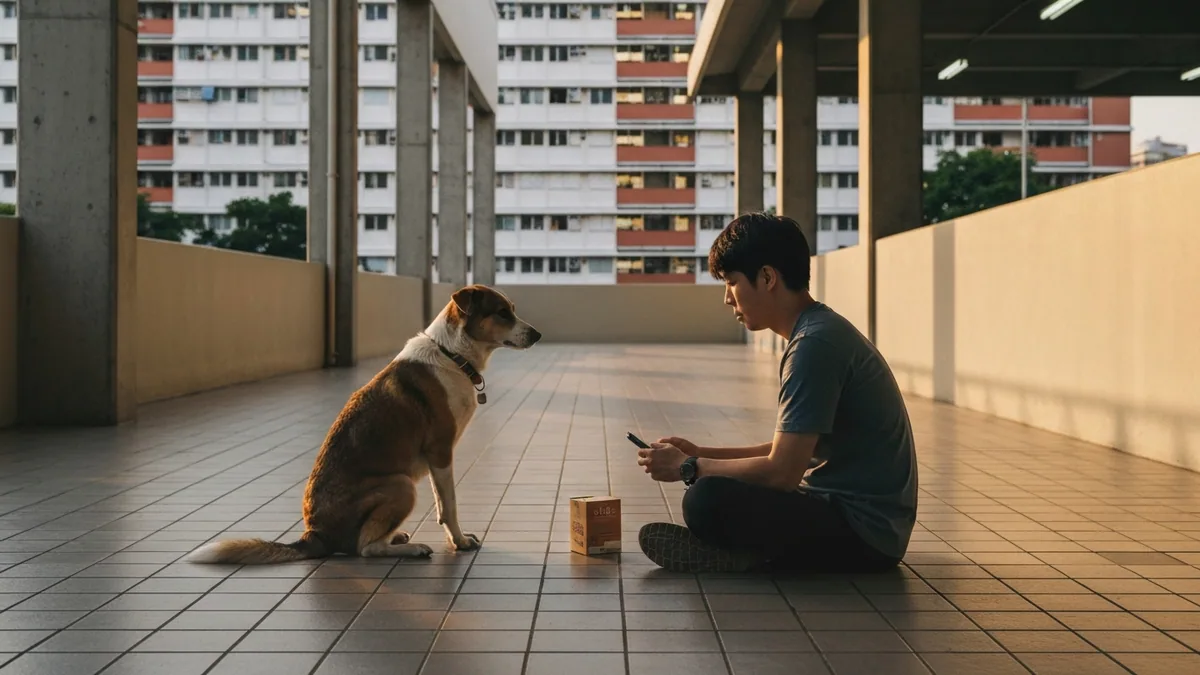
Start with the complete dog training in Singapore guide, then go deeper. Ten practical guides for Singapore reality: the small flat, the lift lobby, the 6am heat. Below are the first four; the full set lives at /guides/training.
-
Toilet training the apartment way
No garden, no driveway, just a tiled floor and a lift that takes two minutes to arrive. Here is how to toilet train a puppy in a Singapore flat without losing your mind.
Read the guide → -
Clicker basics
A clicker is a timing tool, nothing more and nothing less. Learn to use it well in a small Singapore flat and you will have the clearest, most efficient communication method available for teaching your dog almost anything.
Read the guide → -
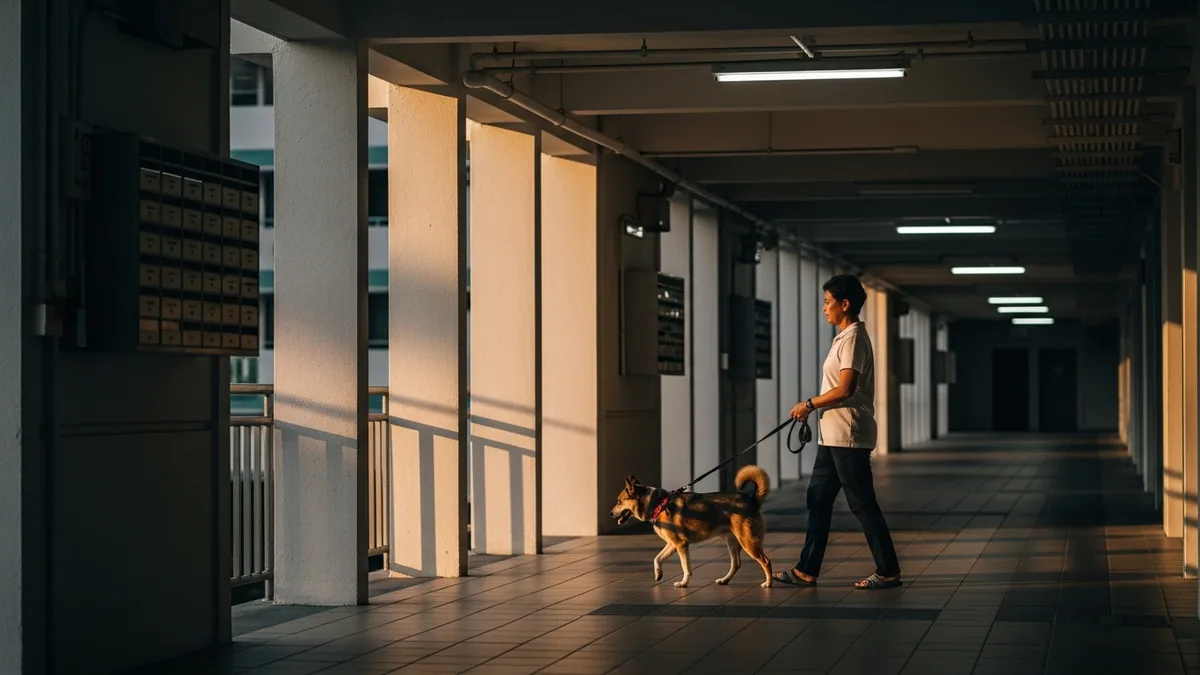
Loose-leash walking in Singapore’s shared spaces
Start with room, reward a slack lead and make the task easier when your dog struggles. Lift lobbies, narrow pavements and crossings need practical choices, not a perfect heel or a fixed timetable.
Read the guide → -
Leash Training a New Dog or Puppy in Singapore
Getting a brand-new dog or puppy happy on a leash is a gentle, gradual job, not a one-session fix. Start indoors, reward the position you want, and let your dog set the pace through HDB corridors, lifts and the Singapore heat. This starter guide covers collar and harness choice, first steps, and how to handle pulling and lunging kindly.
Read the guide →

Breed rules
The regulatory edges most owners eventually trip over.
-
HDB rules and approved breeds
Which dogs an HDB flat allows, the one-dog rule, Project ADORE for Singapore Specials, and the AVS licence, with breed-by-breed answers.
Read the guide → -
Project ADORE
The joint HDB / AVS / AWG scheme that lets you legally keep a rescue slightly above the small-breed cap, with conditions.
Read the guide → -
HDB cross-breed rule
When a cross-breed is HDB-eligible by parentage, and the edge cases (Mini Goldendoodles, Cavoodles, etc.) HDB has historically allowed.
Read the guide → -
Specified Dogs
The 19 breeds in the Schedule that need a Specified Dog Licence, the muzzle rules, and the insurance requirements.
Read the guide →
Adoption
Thinking about a rescue dog? Start with the complete adoption guide, then go deeper on a specific route. The dogs looking for homes right now are on the live available-dogs feed.
-
Adopting a dog in Singapore: the complete guide
The four adoption paths, the end-to-end process, a realistic timeline, the full first-year cost, first-week prep, licensing, the 3-3-3 rule, and when to walk away.
Read the guide → -
How to adopt from SPCA Singapore
The process, the home check, the fee and the HDB size rules at Singapore's oldest and largest welfare group.
Read the guide → -
Project ADORE explained
How an HDB household can keep a local Singapore Special up to 55 cm, who qualifies, and the six partner groups.
Read the guide →
Ageing dogs + end of life
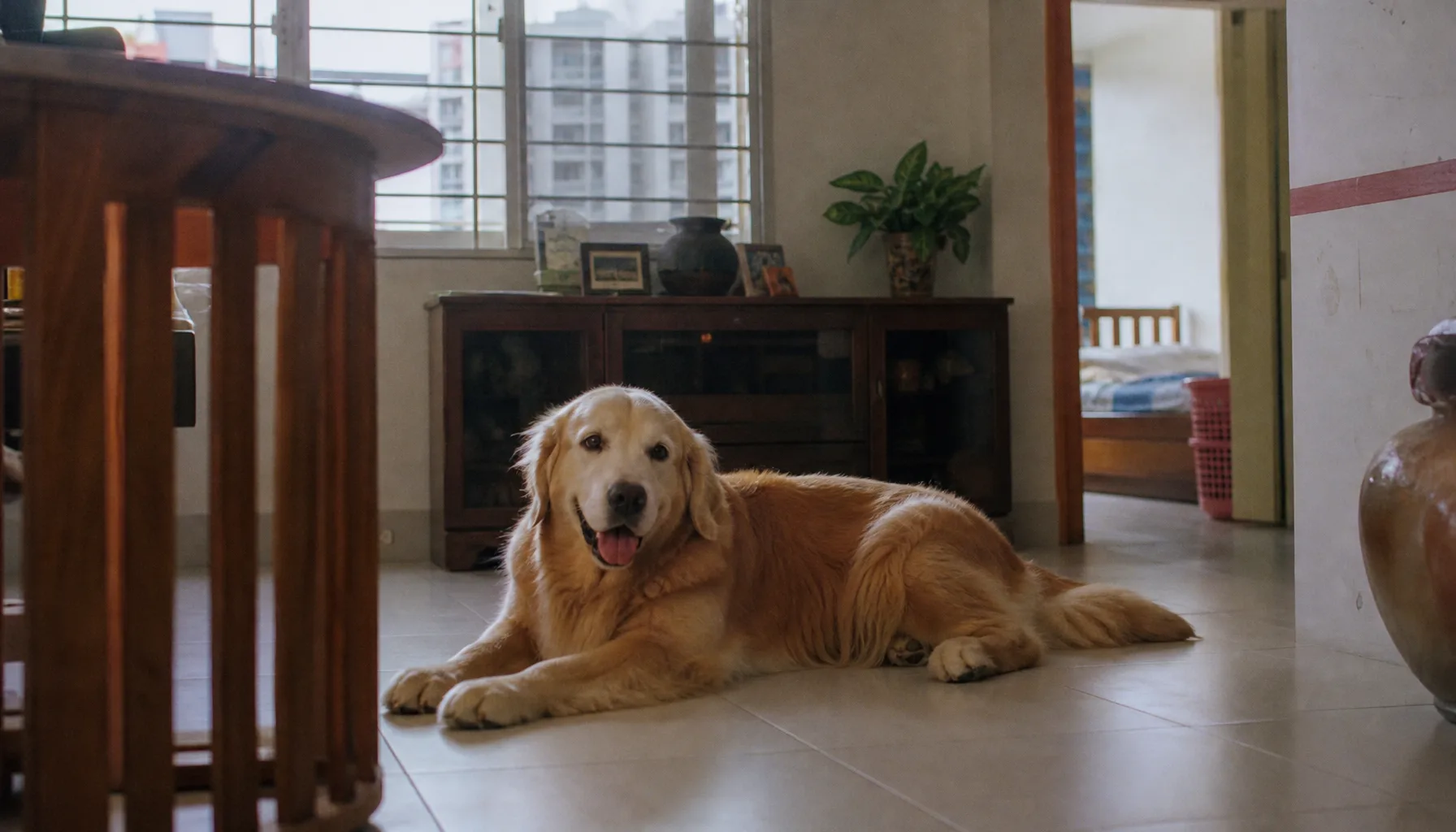
The second half of the relationship: mobility, cognition, the heat, twice-yearly bloodwork, and planning the goodbye well.
Activities and sports
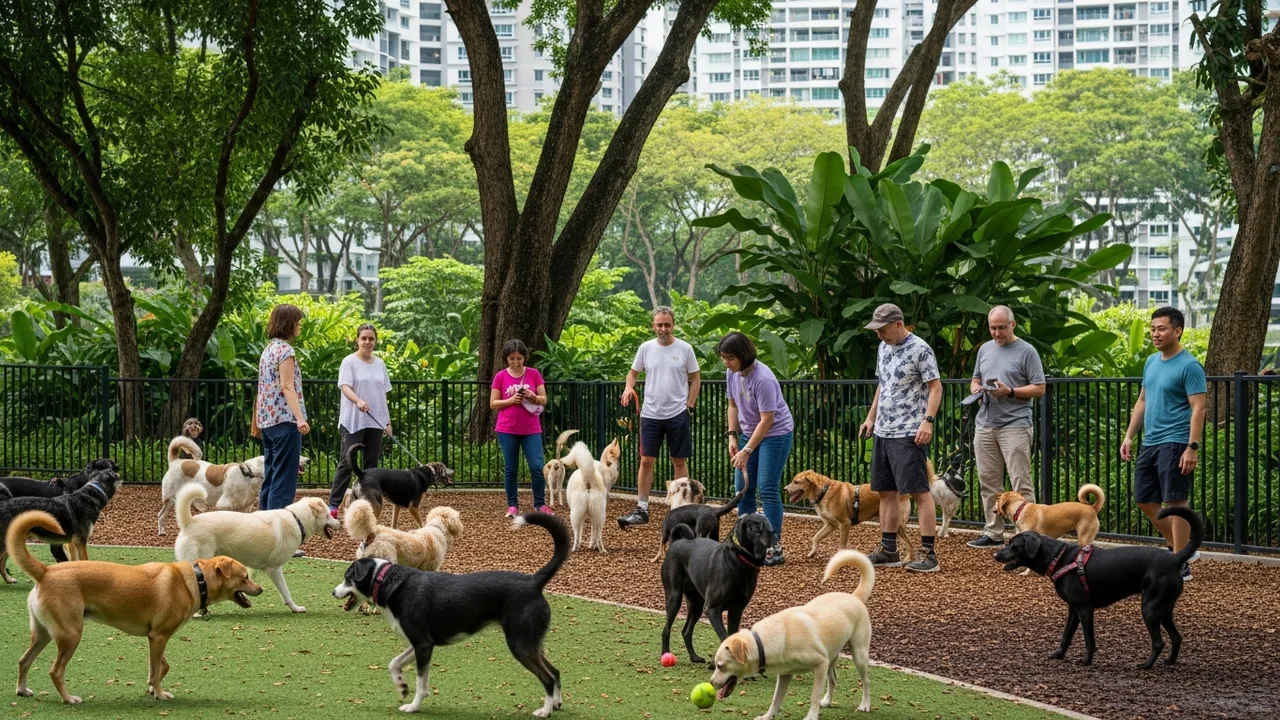
What to actually do with your dog here, from a quiet playdate to agility. Start with the activities and sports hub, then go deeper on the one that suits your dog.
-
Dog activities and sports in Singapore
What exists here (agility, canicross, playdates, water), what your dog's fitness allows, how the heat shapes it, what it costs in time, and where to start.
Read the guide → -
Doggy playdates in Singapore
How to organise one, screen the other dogs and owners, choose a venue, and read play that is going well or going wrong.
Read the guide → -
Dog park etiquette
The written and unwritten rules of a dog run, what to bring, the red flags to read early, and when to leave.
Read the guide → -
Dog agility in Singapore
What agility is, where beginners can take a class, the indoor venues that beat the heat, and the path to a sanctioned trial.
Read the guide → -
Canicross and running with your dog
The harness-and-bungee gear, where to run, the heat management, and the local dog-running communities to join.
Read the guide → -
Water activities with your dog
The beach leashing rules, the one off-leash beachside run, the dog swimming and hydrotherapy pools, and safe-swim habits.
Read the guide → -
Flyball in Singapore
What flyball is, and the honest reality that it runs here as a single team rather than a competitive league.
Read the guide → -
Dock diving in Singapore
What dock diving is, why there is no local scene at the time of writing, and how to give a water-mad dog the same thrill.
Read the guide →







Products and supplies
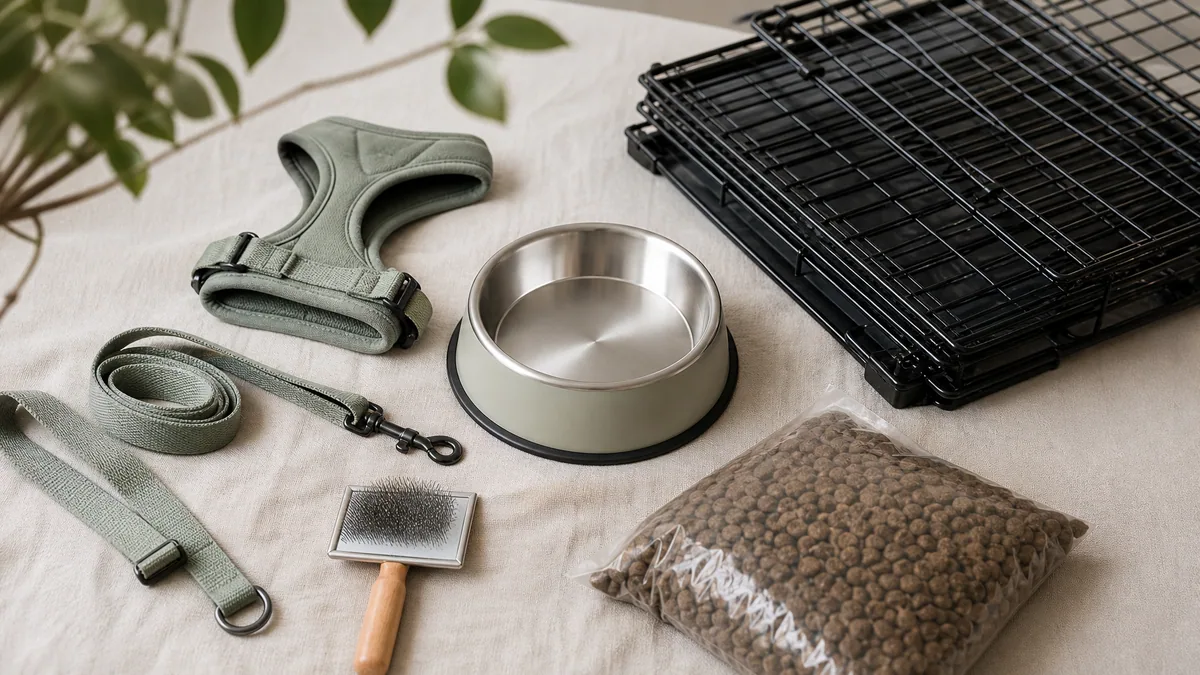
What to actually buy for a Singapore dog, and how to choose it. Start with the products hub, then use the buying guides: decision frameworks for food, harnesses, crates and grooming tools, not brand rankings.
-
Dog products in Singapore: what to buy, when, and where
The categorical map: food, gear, grooming, health, bedding and safety, what to buy first, honest local costs, and the red flags on cheap imports.
Read the guide → -
How to choose dog food
A decision framework by life stage, breed size, activity and allergen screening, anchored to WSAVA and AAFCO rather than a brand league table.
Read the guide → -
How to choose a dog harness
The Y-shape welfare bodies favour, chest fit and the two-finger check, handling a puller, and breathable fabric for the heat.
Read the guide → -
How to choose a dog crate
HDB-flat realities, sizing to the breed, travel-mode dual use, and keeping airflow up in the heat.
Read the guide → -
Grooming tools for the climate
How coat type dictates the kit, what the humidity changes about drying and matting, and where the groomer takes over.
Read the guide →




From Dog-Friendly SG
Updated answers from Dog-Friendly SG, now part of UrbanDogOwner.
Best-of roundups
For when you want the brunch sorted, a cafe that holds up in the rain, or somewhere a big dog can stretch out on a weekend. We have been to every place on these lists.