
- SG regulation
- Curated pick
Choosing a dog for an HDB flat in Singapore means weighing size, temperament and heat tolerance against a warm, humid climate and a smaller footprint than a landed home offers. Small breeds tend to fit that combination most comfortably, but not every small breed is automatically HDB-approved, and not every small breed copes with the heat equally well. This guide walks through the breeds that come up most often as good fits, what HDB's approved dog scheme means in practice, and how to manage exercise and cooling once a dog is home. Treat it as a starting point for research, not a substitute for checking the current official rules yourself.
Why small breeds suit HDB flat living in Singapore's climate
Singapore's climate is not gentle on dogs. Average daily highs regularly sit above 30°C, and relative humidity often stays above 80 percent, even after dark. A large, heavy-coated dog bred for cooler regions can struggle with that combination, particularly on a midday walk between HDB blocks with little shade. Smaller breeds, generally those under 10kg, tend to generate less body heat, cool down faster, and cope better with shorter, more frequent outings rather than one long walk. That matters in a flat, where a dog's daily rhythm is shaped by lift rides, void deck heat, and pavement that can feel hot enough to burn paws by late morning.
Space is the other obvious factor. A typical HDB flat, whether a 3-room or an executive unit, gives a dog far less room to range than a landed property with a garden. Breeds with lower default energy indoors, that are content pottering around a living room and topping up their exercise on walks, adapt more comfortably to that footprint. This is not the same as saying small dogs need no exercise. Many small breeds are alert, food-motivated and mentally active, and boredom in a flat shows up as barking, chewing or anxiety just as it would in a bigger dog.
Understanding HDB's approved dog scheme
Dog ownership in HDB flats in Singapore is governed by a scheme that sets out which breeds and breed types are approved for public housing, administered jointly with the Animal and Veterinary Service (AVS). The scheme exists largely because of flat size, shared corridors and lift lobbies, and the practical reality that a very large or powerful dog is harder to manage safely in that setting. HDB also places a limit on how many dogs a single flat may keep, and licensing and microchipping are required regardless of breed. Because the approved list and the exact conditions attached to it can change, and because enforcement details matter to your specific flat type and estate, it is worth checking the current position directly on the HDB website and confirming licensing requirements with AVS before you commit to a specific breed or bring a dog home.
A useful shortcut when you are narrowing down options is to think in terms of breed type rather than a single fixed list. Small, non-aggressive breeds with a long history as companion dogs are the ones most commonly accepted in HDB flats across Singapore. Toy and small breeds with calm temperaments and manageable size tend to fit this profile most easily, while working, guarding and very large breeds generally do not. Always verify a specific breed's current status yourself rather than relying on secondhand lists, since a breed's approval status is a formal question for HDB and AVS, not a matter of general dog knowledge.
Small breeds worth considering for flat life
A handful of small breeds come up repeatedly as good fits for HDB living, largely because they combine a compact size with temperaments that tolerate close-quarters living and Singapore's heat reasonably well. The Shih Tzu, typically around 4 to 7kg, is calm indoors, does not need intense exercise, and its short muzzle and coat should be managed carefully in heat and humidity. The Poodle, particularly the Toy Poodle at roughly 2 to 4kg or the Miniature Poodle at around 6 to 8kg, is intelligent, low-shedding and adaptable to flat life, though it needs mental stimulation to avoid boredom. The Chihuahua, often just 1.5 to 3kg, is one of the smallest breeds available and suits a flat well physically, though its confidence and sometimes vocal nature need early socialisation and training.
The Pug, generally 6 to 9kg, is a popular flat dog because of its affectionate, low-key temperament, though as a brachycephalic (flat-faced) breed it is particularly heat-sensitive and needs extra care to avoid overheating and breathing difficulty in Singapore's conditions. The Miniature Schnauzer, around 5 to 9kg, is alert and trainable and copes well with flat living, though it can be a more vocal watchdog than some neighbours in a shared corridor might appreciate. The Singapore Special, the local mixed-breed dog, is also worth genuine consideration: many are naturally adapted to the local climate, come in a range of sizes including compact ones suited to flats, and are widely available through local shelters. As with every breed named here, confirm current HDB approval status for your specific flat before deciding.
Managing heat tolerance indoors and outdoors
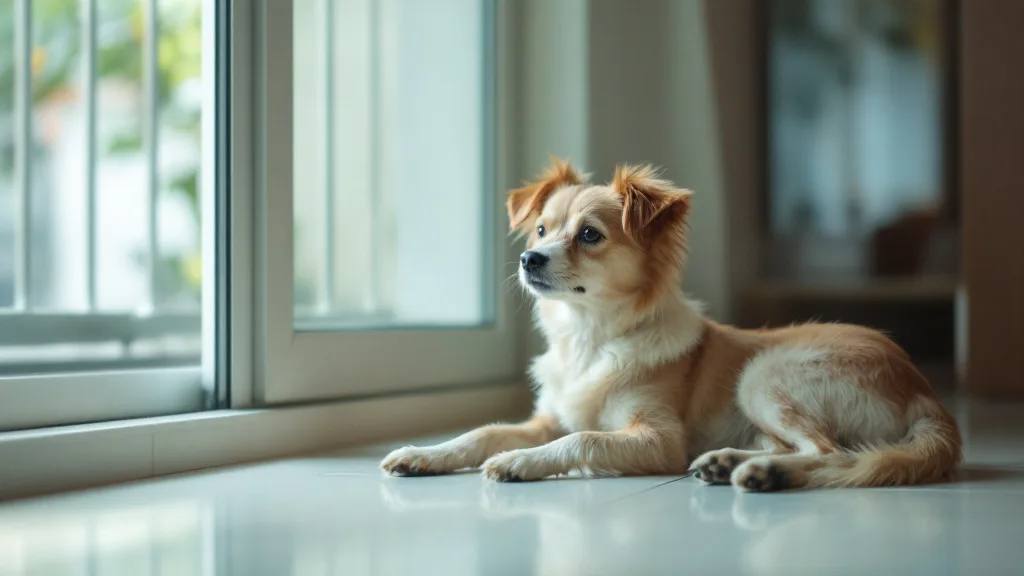
Even a well-suited small breed needs help coping with Singapore's heat inside a flat. Cross-ventilation, fans positioned to move air rather than just blow on one spot, and keeping a dog off direct sun through west-facing windows in the afternoon all help. Tiled or vinyl flooring stays noticeably cooler than carpet, and many small dogs will naturally seek out the coolest patch of floor in the unit if given the choice. Checking the day's forecast and the heat index before a walk is a simple habit; the Meteorological Service Singapore publishes daily forecasts and warnings that are worth building into your routine, particularly during the hotter, drier stretches of the year.
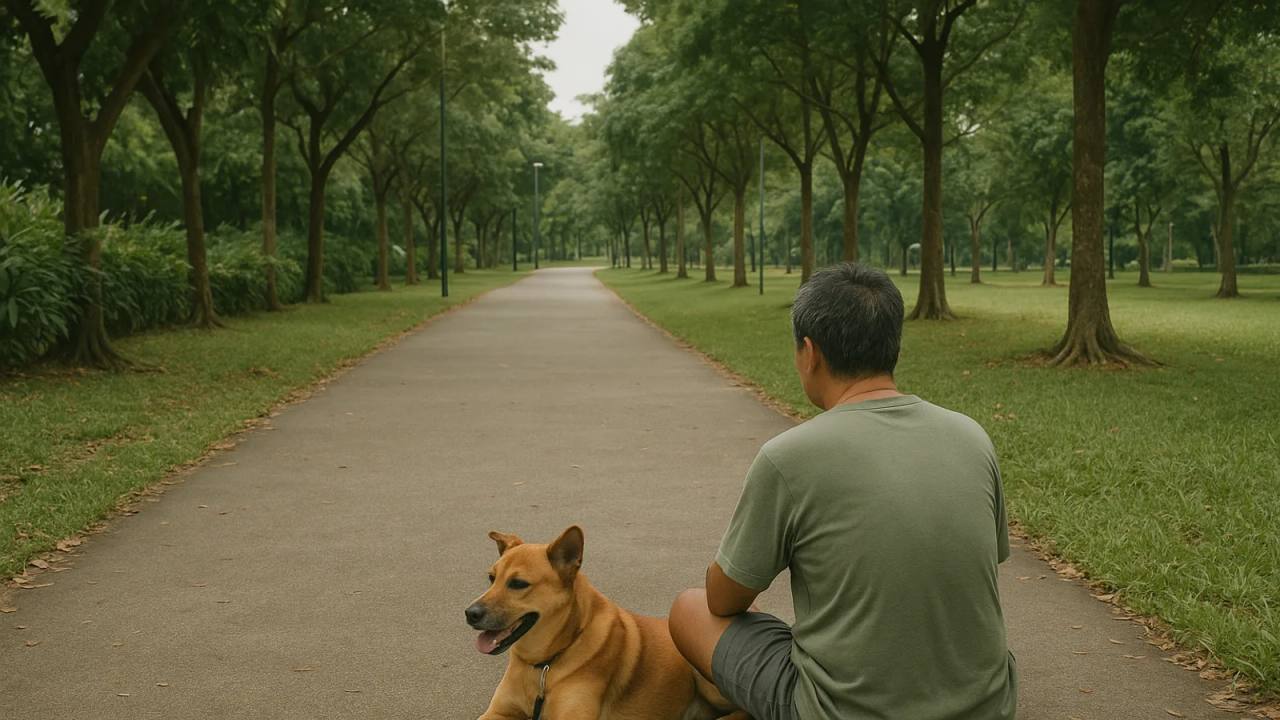
Outdoors, timing matters more than distance. Early morning and after sunset are consistently cooler than the late morning to late afternoon window, and pavement temperature can lag well behind air temperature, staying hot into the evening after a sunny day. A simple hand test, pressing the back of your hand to the pavement for five seconds, is a reliable check before assuming it is safe for paws. Air quality is a secondary but real consideration during haze periods; the National Environment Agency publishes the PSI reading, and it is sensible to shorten or move walks indoors when readings climb into unhealthy ranges, especially for brachycephalic breeds like the Pug that already work harder to breathe.
Exercise needs that fit a tropical routine
Most of the small breeds discussed here do well on two shorter walks a day, commonly in the range of 20 to 30 minutes each, rather than one long outing in the heat of the day. That structure fits naturally around a flat dweller's schedule and Singapore's climate simultaneously, since it lets both walks happen in cooler windows. Indoor play, short training sessions, and puzzle feeders can fill in additional mental exercise on hot days without adding heat stress, and for breeds like the Poodle and Miniature Schnauzer this kind of mental work matters as much as the physical walk.
It is worth noting that low exercise needs do not mean low activity needs. A bored small dog left alone in a flat for long stretches, with no toys, no training and no walk, is a common cause of destructive behaviour and excessive barking, which in a shared HDB block quickly becomes a source of complaints from neighbours. Building a predictable daily rhythm, walk, play, rest, is usually more effective than a single long weekend outing, both for the dog's wellbeing and for keeping the peace in a shared building.
Licensing, vet care and getting started
Every dog kept in an HDB flat in Singapore needs to be licensed and microchipped, and this applies regardless of breed size or how compact the dog is. Vaccination schedules, including rabies, and regular veterinary check-ups should be arranged with a licensed vet soon after you bring a dog home, and it is worth asking that vet specifically about heat-related risks for your chosen breed, particularly if it is brachycephalic. Confirming licensing steps directly through AVS before your dog arrives avoids delays and keeps you compliant with the rules that apply to your flat.
The most practical starting point for any prospective HDB owner is to work backwards from three questions: is this breed currently on the approved list for my flat type, can I realistically meet its exercise needs within Singapore's heat, and do I have a plan for keeping it cool and occupied during the hottest hours of the day. A short list of small, HDB-friendly, heat-tolerant breeds such as the Shih Tzu, Toy or Miniature Poodle, Chihuahua, Miniature Schnauzer, Pug and Singapore Special is a sensible place to begin research, but the final check should always be the current, official position from HDB and AVS rather than a general list like this one. Speak to your vet, check the official sources, and choose a breed whose temperament and coat suit tropical flat living as much as its size does.
Common questions
- Which small dog breeds are commonly considered HDB-friendly in Singapore?
- Breeds such as the Shih Tzu, Toy or Miniature Poodle, Chihuahua, Miniature Schnauzer, Pug and the local Singapore Special are commonly discussed as good fits for HDB flats because of their small size and generally manageable temperaments. Always confirm current approval status with HDB and AVS before choosing, since the official list can change.
- How many dogs can I keep in an HDB flat?
- HDB places a limit on the number of dogs allowed per flat as part of its approved dog scheme. The exact figure and any conditions attached to it should be checked directly on the HDB website, since this guide will not repeat a number it cannot confirm is current.
- Do small dogs cope better with Singapore's heat than large dogs?
- Generally yes. Smaller dogs typically generate and retain less body heat than larger breeds, which helps in a climate where daily highs regularly exceed 30°C and humidity is often above 80 percent. Brachycephalic small breeds such as the Pug still need extra caution, since their short airways make heat regulation harder regardless of body size.
- How much exercise do small HDB-friendly breeds actually need?
- Most of the breeds covered here do well with two walks a day of roughly 20 to 30 minutes each, timed for the cooler parts of the day, plus some indoor play or training. Skipping exercise because a dog is small is a common mistake; low exercise needs are not the same as no exercise needs.
- Do I need to license and microchip a small dog in an HDB flat?
- Yes. Licensing and microchipping apply to every dog kept in an HDB flat in Singapore regardless of breed or size. Check the current process and required documents through AVS before bringing a dog home.
Notice one little habit together →A small idea to try, with progress kept in your Pack.
How we verify content Fact-checking policy How we stay free