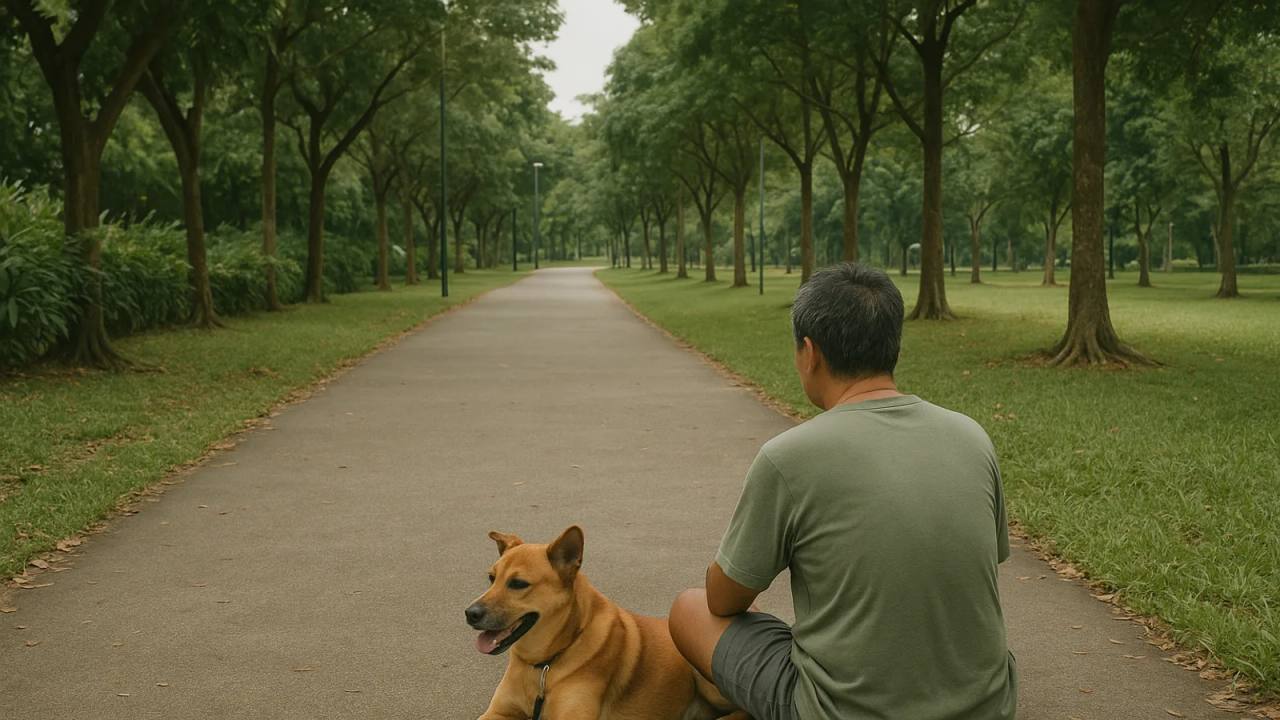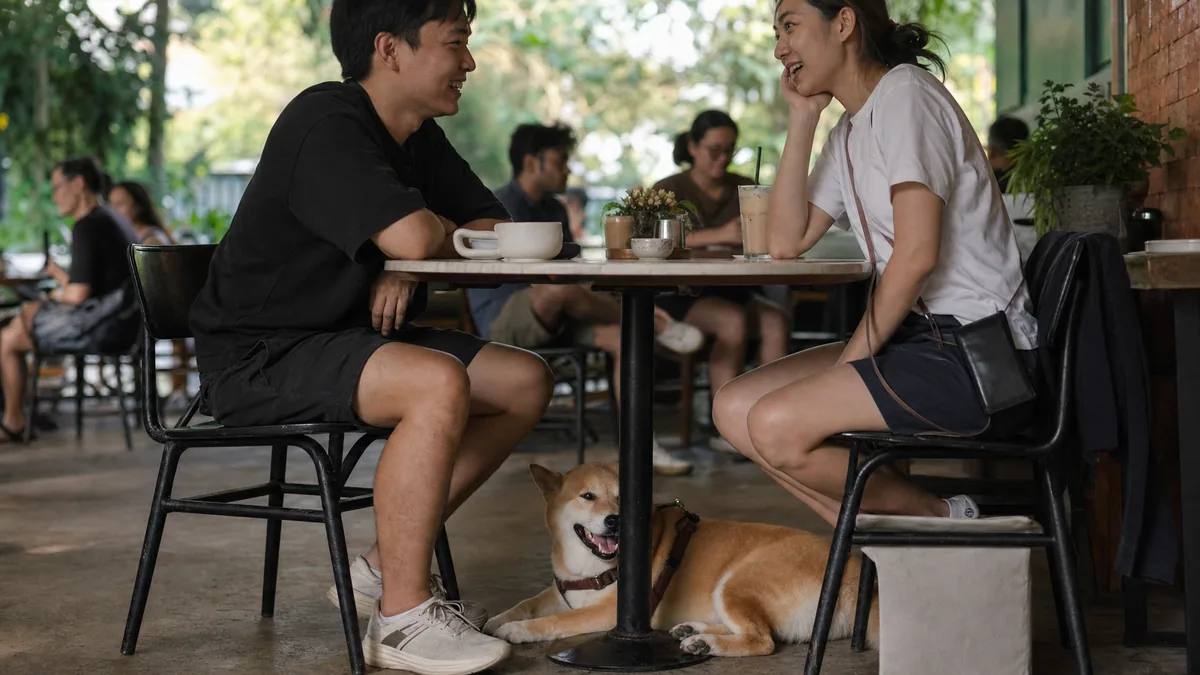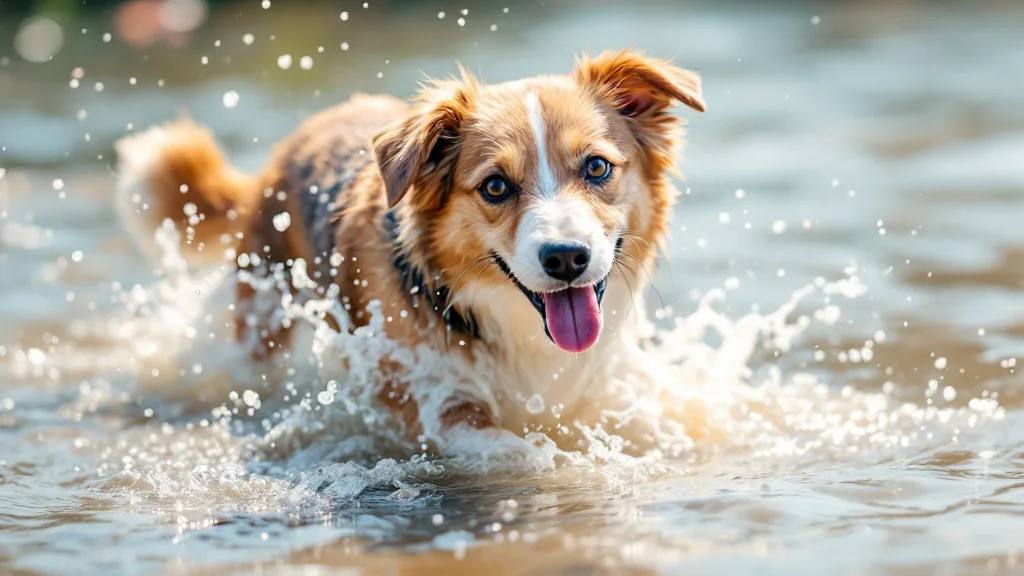

Anyone who has walked a dog through a Singapore afternoon knows the appeal of water. With daily temperatures regularly above 30°C, a splash in the sea or a paddling pool at home is not just fun, it is a genuine way to help a dog cool down safely. But swimming with a dog here is not as simple as picking any patch of blue on a map. Public pools are off limits, sea conditions change with the season, and our humidity means the hours after a swim matter as much as the swim itself. This guide covers where water play is realistically possible, what to check before you go, and how to keep ears, skin, and coat healthy afterwards.
When water play can suit a Singapore dog
Water play is an optional activity, not a need every dog must meet. Some dogs enjoy a shallow, shaded splash while others dislike water or have health problems that make swimming unsuitable. Avoid treating a swim as a guaranteed way to prevent overheating. Choose a permitted setting, supervise continuously and let your dog opt out.
Where dogs cannot swim: public pools stay off limits
It is worth being direct about this because it trips up new owners regularly: general swimming pools and public swimming complexes in Singapore do not allow dogs. This is a public health and hygiene matter rather than a park-specific rule, and it applies consistently across the island's public pool network. Do not plan a trip assuming a quiet weekday morning or an empty lane will make an exception, and do not attempt to sneak a small dog in under a towel. If you are looking for background on how public parks and green spaces are managed more broadly, the National Parks Board is the right starting point, since NParks oversees a large share of Singapore's parks, park connectors, and some dog exercise areas.
The sea and Singapore's beaches: what is generally allowed
Coastal parks are where most Singapore dog owners end up looking instead. East Coast Park, which stretches for roughly 15km along the southeastern coastline, is a well known example of open public space where leashed dogs are commonly seen, including near the water's edge. That said, pet policies at any given beach or park segment can vary and can change without much notice, so treat any online description, including this one, as a starting point rather than a guarantee. Before you head out with a dog that has never been in the sea, check current signage on site and, where possible, confirm the latest position on the NParks website. Keeping your dog leashed in these public areas is not just good manners, it is generally the expected standard in shared park space, and it also gives you a way to physically pull a dog back if it swims further than intended.
Reading the water: currents, weather, and safety basics
Currents, tides, boat traffic and weather can make open water dangerous even when a dog paddles well. Check current forecasts and NEA water-quality advisories, and avoid water after heavy rain or where notices advise against contact. There is no universally safe 10-to-15-minute first session; begin with very brief voluntary exposure, rest early and stay close enough to assist without putting yourself at risk.
Rinse, dry, check: the hygiene routine after any swim
After permitted water play, rinse off salt and sand with fresh water and dry the coat comfortably. There is no evidence-based five-minute minimum rinse for every dog. Gently dry the outer ear without inserting objects into the canal. Head shaking, pain, redness, discharge or odour warrants veterinary advice, whenever it appears.
Private pools, hydrotherapy, and splash sessions
A recreational splash pool and veterinary rehabilitation serve different purposes. Ask a prospective provider about pet access, supervision, safe entry and exit, hygiene and session format. For recovery from surgery, arthritis or other disease, seek veterinary clearance and a rehabilitation plan; a grooming centre’s pool is not automatically clinical hydrotherapy.
A practical checklist before you go
Pulling this together into something usable for a weekend outing, here is a short checklist worth running through before any Singapore water session with your dog.
- Confirm current pet policy for the specific beach, park, or facility, since rules can vary by location and change over time.
- Check the day's weather and avoid heading out during storm warnings or particularly rough monsoon-season conditions.
- Keep your dog leashed in shared public park and coastal areas unless you are in a designated off-leash zone.
- Keep initial exposure very brief, let your dog opt out and stop before fatigue or distress.
- Rinse salt and sand away with fresh water, including folds and paws, then dry comfortably.
- Dry the ears gently and watch for signs of irritation over the next 24 hours, seeing a vet promptly if anything looks off.
Water play can be one of the best tools a Singapore dog owner has for beating the heat, as long as it happens somewhere it is actually permitted and with a proper aftercare routine built in. A little planning before you leave the house does far more for your dog's comfort than anything you can do once you are already at the water's edge.
Common questions
- Can dogs swim in public swimming pools in Singapore?
- No. Public swimming complexes in Singapore do not allow dogs, largely for public health and hygiene reasons. Do not assume any government-run pool will make an exception.
- Is it legal to bring my dog to the beach in Singapore?
- Beaches and coastal parks such as East Coast Park are open public spaces where leashed dogs are commonly seen, but pet-specific rules can vary by area and change over time. Check current signage or the NParks website before you visit.
- How do I stop my dog getting an ear infection after swimming?
- Gently dry the outer ear after water play without putting cotton buds or other objects into the canal. Ask your vet about appropriate ear care if problems recur, and seek advice for pain, discharge, odour or persistent head shaking.
- Are there dog swimming pools or hydrotherapy in Singapore?
- Some venues offer recreational swimming; clinical rehabilitation is different. Confirm the service, supervision and hygiene directly, and get a veterinary plan before using water exercise for injury recovery or joint disease.
- What is the biggest water safety risk for dogs in Singapore?
- Overheating and exhaustion from being out in direct sun for too long, alongside currents and boat traffic in open sea areas, are the main risks. Keep early sessions short and always supervise closely.
Try a little play, then save the moment →A small idea to try, with progress kept in your Pack.
How we verify content Fact-checking policy How we stay free