
From the first puppy appointment to an older dog’s changing routine, a useful vet plan says what is due, why and what should bring you back sooner. Here is how to prepare, keep records and ask for clear next steps in Singapore.
By the numbers
- Individual dates Keep each vaccine due date separate from the health-review reminder
- At least yearly Healthy young-adult wellness visits, adjusted to individual need
- Twice yearly Senior wellness-review discussion, with the treating vet setting the plan
- 80 to 90% Cornell’s cited estimate of periodontal disease in dogs over three years; not a Singapore-specific prevalence
How often should a puppy see the vet in the first year?
Plan the puppy visits with your clinic using the actual vaccination record. WSAVA 2024 guidance generally starts core vaccination at 6 to 8 weeks, repeats every 2 to 4 weeks and finishes the initial series at 16 weeks or older. Discuss a follow-up core dose at 26 weeks or older. The dates depend on the product, previous doses and risk; completing a numbered set of injections does not guarantee protection.
Ask for a parasite-prevention plan that names the product, the parasites it covers and the next date. Bring the rescue’s or breeder’s treatment record, including doses already given. A generic calendar is not enough to choose a medicine or repeat a dose safely. Tell the clinic about any other animals and products in your household.
Microchipping and licensing are separate from the vaccination schedule. Check the current AVS licensing requirements and keep the microchip number, licence and contact details together. Do not treat a vaccination appointment as evidence that the licence application has been completed.
Put sterilisation on the discussion list early enough to make an informed plan. Ask about your dog’s sex, breed or expected adult size, medical history and your ability to prevent an unwanted mating. A birthday alone does not settle the decision. Our neutering-timing article explains why the evidence needs an individual discussion.
The first year also includes establishing a health baseline. During these visits, the vet will conduct a thorough physical exam to monitor growth and check for any congenital issues. This baseline helps track your puppy's development and can be invaluable if health issues arise later.
Before leaving the first appointment, ask the team to write down what the next visit is for: a particular vaccine, a growth review, a test or another decision. Ask whether consultation, injections and microchipping are charged separately. Keep the estimate with the plan, so a different total later can be explained rather than guessed.
A reminder should describe the task as well as the date. A health review, vaccine due date and licence reminder can fall on different days. If the clinic changes the plan, update the reminder and keep the reason with the record instead of leaving conflicting dates in several apps.
What does an adult dog yearly check actually cover?
A wellness appointment includes a physical examination and a review of concerns you have noticed at home. Ask about the mouth as well as the visible teeth. Cornell reports that studies find periodontal disease in 80 to 90% of dogs over three years old; that is a broad estimate, not a Singapore prevalence figure or your dog’s diagnosis. Ask the vet what was seen, what home care is suitable and whether further dental assessment is needed.
Bring a photo of the food label and a realistic account of treats, chews and leftovers. List all medicines and supplements, including doses and dates. This makes the conversation about weight, skin, parasite prevention and daily care more useful than trying to remember product names at the desk.
Ask which vaccines are due and which are not. AVS describes Singapore as rabies-free, with targeted precautions for higher-risk populations. Routine US rabies advice should not be presented as a universal Singapore puppy requirement. Travel and import requirements are a separate check. A pet licence is not proof of vaccination.
AAHA’s life-stage advice recommends at least yearly wellness visits for healthy young adults, with more frequent care according to need; mature dogs may need one or two visits yearly. Discuss at least twice-yearly reviews for seniors, with timing adjusted by the treating vet. Keep scheduled reviews even when no vaccine is due.
Ask the clinic for its next recommended review date and what should bring you back sooner. If your dog has an ongoing condition, ask who will interpret test results and when you should expect a call. A normal examination is reassuring information from that visit, not a promise that nothing can change before the next one.
How does the schedule change as your dog becomes a senior?
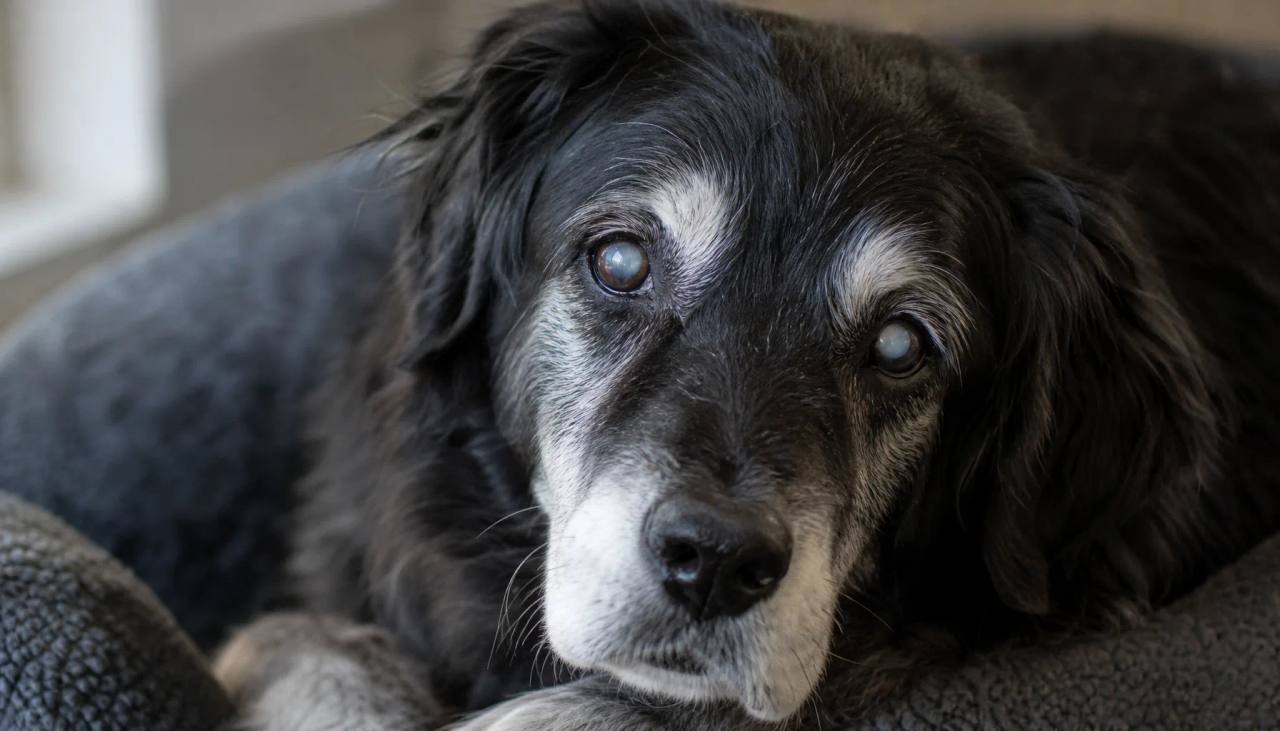
An older dog may be doing well and still need a closer look at changes you have gradually accommodated. Bring examples: a shorter usual walk, hesitation at a familiar step, disturbed sleep or a different appetite. Describe the change without deciding that it is “just age”. The vet can help distinguish a manageable problem from an expected adjustment.
Ask which screening tests are recommended for your dog and what each result would change. Blood tests, urine testing and blood-pressure measurement are not interchangeable, and this article cannot prescribe the same package at every visit. Ask about preparation and sample collection before attending, including whether the clinic actually wants a urine sample.
If cost is a concern, say so while the plan is being made. Ask which investigations are urgent, which can be staged and what the trade-offs are. Request a written estimate showing consultation, laboratory work, medicines and follow-up separately. A senior package price is only comparable when you know what it includes.
Write a short account of a typical comfortable day for your dog. Bring a video of a movement or behaviour that is hard to reproduce in the clinic, when it is safe to record. Do not delay care to obtain a better video. Small observations can make a follow-up conversation much more specific.
- Puppies: keep the clinic’s individual growth, vaccine and parasite plan together.
- Adults: keep the agreed wellness review and vaccine reminders separate.
- Seniors: record changes in comfort and routine, and agree the next review date.
Leave each visit knowing the next action, who will take it and when. That might be a routine appointment, a result to discuss or a change to observe at home. If the explanation is unclear, ask the team to write it down in plain language. You should not have to reconstruct a care plan from a receipt.
Your appointment note
Use five headings in your phone or notebook: what changed; when it started; food and medicines; questions for the vet; next steps agreed. Add the clinic contact and any pending result. Bring the same note back next time so your dog’s story does not start from scratch at every appointment.
Editorial sources checked 12 September 2026: AAHA life-stage visits, WSAVA vaccination guidance, AVS licensing requirements, AVS rabies information and Cornell periodontal disease information. This is source-checked owner guidance, not a clinical examination or an individual treatment schedule.
Leave knowing the next action, who will take it and when. A useful care plan should make sense after you get home.
Common questions
- How often should a puppy see the vet in the first year?
- Agree the visit dates with your clinic using age, previous records and the vaccine product. Keep the health-review and individual vaccine dates separately; a puppy does not stop needing a care plan when the initial series ends.
- What vaccinations are required for puppies in Singapore?
- Discuss core protection against distemper, adenovirus and parvovirus, plus other vaccines according to risk and the product. Do not confuse veterinary recommendations with licence requirements. Routine US rabies advice is not a universal Singapore puppy requirement; travel is a separate check.
- What does an adult dog yearly check actually cover?
- A physical examination and a review of changes, diet, medicines and preventive care. Ask which tests are appropriate and which vaccines are actually due, rather than assuming every annual visit includes the same tests and injections.
- How does the schedule change as your dog becomes a senior?
- Discuss more frequent wellness reviews and agree an individual schedule. Bring observations about comfort, appetite, sleep and movement, and ask which tests would affect the care plan.
- When should you book an unscheduled vet visit?
- Contact the clinic about a new or worsening symptom and ask how urgently your dog should be seen. A routine review date is not a reason to postpone care. Ask for out-of-hours instructions if needed.
- What are common health issues in senior dogs?
- Older dogs can develop dental, mobility and other health problems, but a change is not automatically normal ageing. Describe what is different and ask your vet what assessment is needed.
Sources
- WSAVA 2024 vaccination guidancewsava.org
- Individual dates: Keep each vaccine due date separate from the health-review reminder
- AAHA life-stage adviceaaha.org
- At least yearly: Healthy young-adult wellness visits, adjusted to individual need
- Twice yearly: Senior wellness-review discussion, with the treating vet setting the plan
- Cornell Riney Canine Health Centervet.cornell.edu
- 80 to 90%: Cornell’s cited estimate of periodontal disease in dogs over three years; not a Singapore-specific prevalence
- AVSavs.nparks.gov.sg
- Pet licensing and vaccination are distinct matters.
- AVSavs.nparks.gov.sg
- Singapore is rabies-free; AVS describes targeted precautionary vaccination.
How we verify content Fact-checking policy How we stay free