
Leash training is crucial for dog owners in Singapore, where urban living demands well-behaved pets. Understanding the basics ensures enjoyable walks for both dogs and their owners.
By the numbers
- almost 8 in 10 (roughly 78-80%) Percentage of Singapore's resident population living in HDB flats
- as early as 8-10 weeks old (as soon as the puppy comes home) AKC-recommended age to begin leash introduction for puppies
- SGD 120-350 per session (group classes run roughly SGD 80-150 per session) Typical cost of a private 1-on-1 dog training session in Singapore
- typically twice a day for adult dogs; young puppies may need shorter walks two to three times a day AKC guidance on daily dog walk frequency
Why does loose-leash walking matter so much in Singapore?
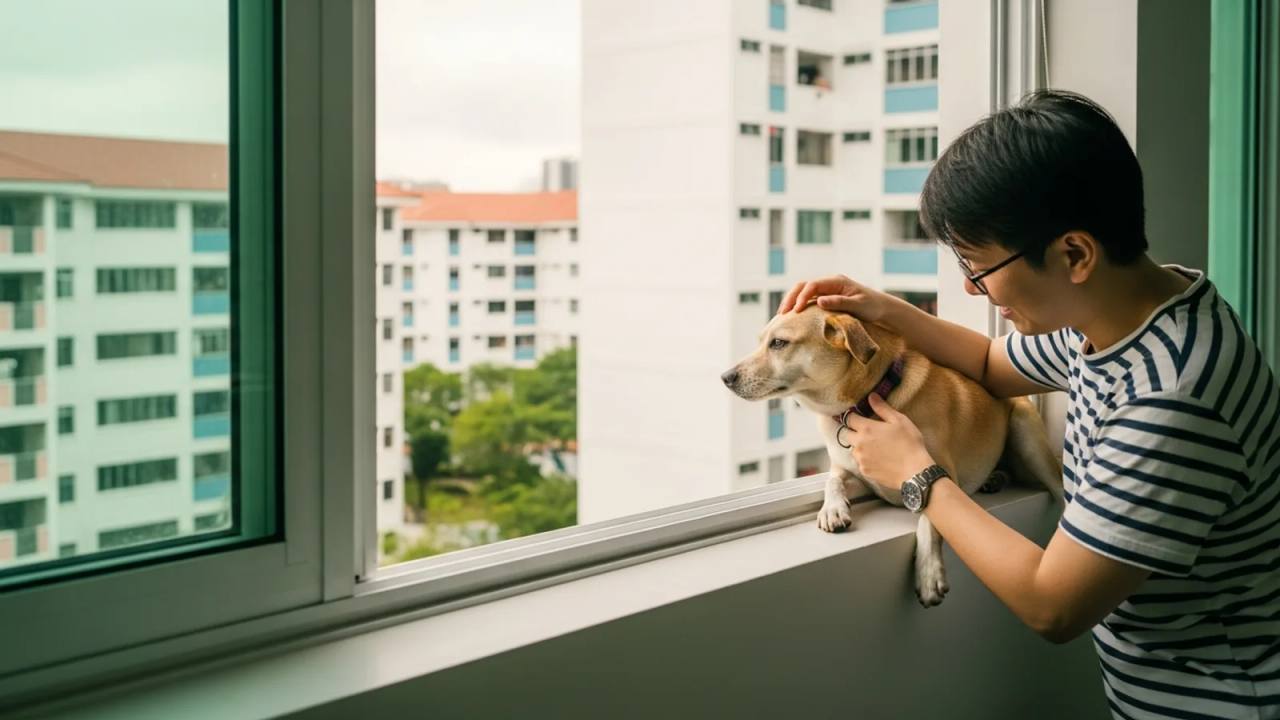
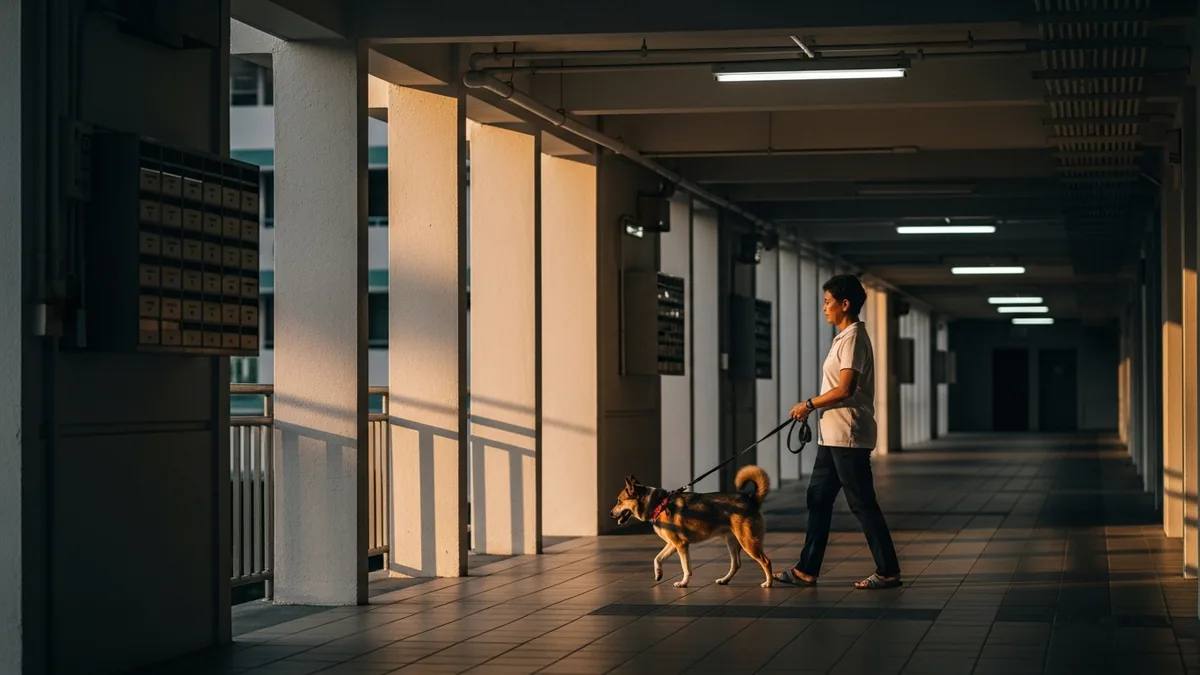
Loose-leash walking is essential in Singapore due to the unique urban environment where shared corridors, lifts, and void decks are common. In HDBs, where corridors are narrow and often shared with neighbours, a dog that pulls or darts can cause discomfort or even accidents. Training your dog to walk calmly on a loose leash helps in maintaining harmony within these communal spaces. This is especially important in lifts, where sudden movements can be startling to other passengers and potentially dangerous.
Singapore's leash laws are designed to ensure public safety and courtesy, and they require dogs to be on a leash in public spaces. Adhering to these laws not only avoids fines but also fosters good relationships with non-dog owners who might be apprehensive around canines. A well-behaved dog on a loose leash shows respect for community guidelines and enhances the experience for everyone sharing the space.
Safety is another critical reason for mastering loose-leash walking, particularly in a city where traffic is dense and fast. A dog that pulls towards the road can easily put itself and its owner in danger. Furthermore, encounters with other dogs can be unpredictable, and a loose leash allows for better control and communication, reducing the risk of altercations.
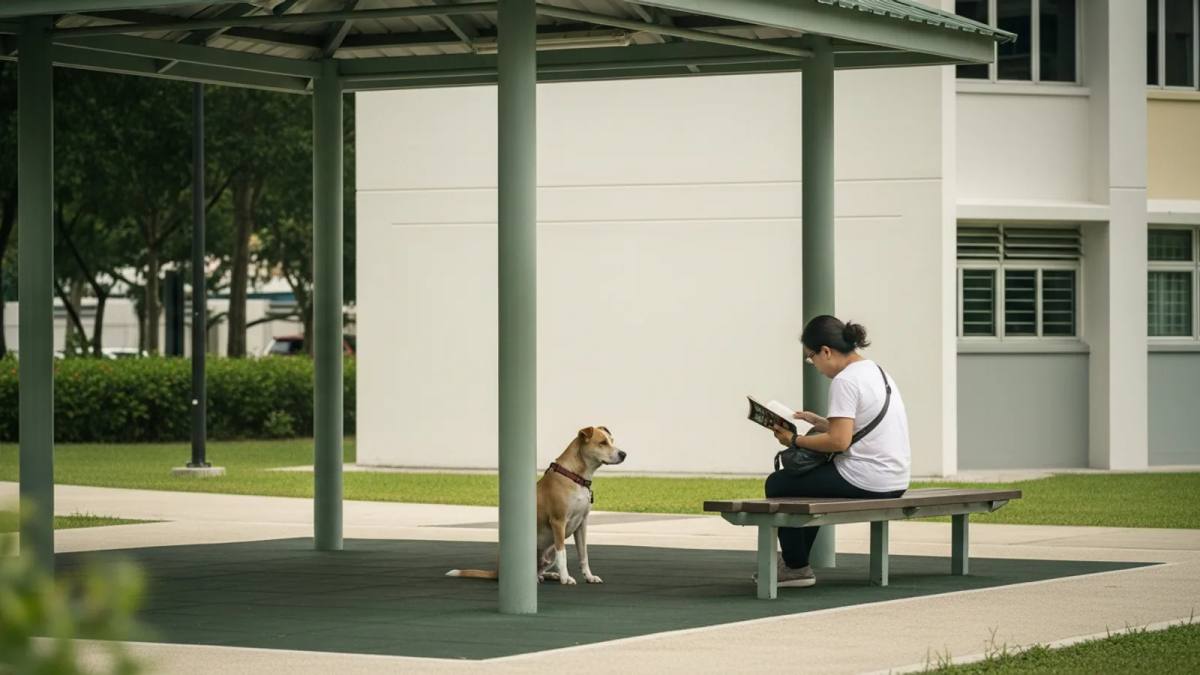
Understanding the difference between a walk for exercise and a walk for sniffing is also crucial. Exercise walks focus on physical activity, and loose-leash walking ensures that both dog and owner can enjoy the outing without stress. On the other hand, sniffing walks, where the leash remains loose, allow dogs to engage their senses and explore their environment, which is mentally stimulating and satisfying for them. Balancing these two types of walks provides a comprehensive approach to your dog's well-being.
For puppies and adult dogs alike, starting loose-leash training early with positive reinforcement is key. Use treats and praise to reward your dog when the leash is slack. Avoid aversive tools like prong, choke, or shock collars, as they can lead to fear and anxiety, which are counterproductive to a trusting relationship. Instead, consistent training with positive methods builds confidence and understanding between you and your dog.
Timing your walks to avoid the tropical heat is also important. Early mornings or late evenings are ideal for more comfortable temperatures, ensuring that your dog is not distracted or distressed by the heat. This consideration helps keep both you and your dog focused on the training task at hand.
For more guidance on responsible pet ownership, visit the Singapore's Animal and Veterinary Service website. They offer resources and support to ensure that both you and your dog enjoy a harmonious life together in Singapore's vibrant urban landscape.
How do you start leash training a puppy or an adult dog?
To start leash training a puppy or an adult dog in Singapore, begin by ensuring a proper fit for a flat harness. This harness should be snug yet comfortable, allowing you to guide your dog without causing discomfort. The American Kennel Club recommends a harness that sits securely without pinching or slipping, especially important for young puppies who are still growing.
Once the harness is fitted, begin training indoors where there are fewer distractions. Start by marking and rewarding the correct position. When your dog stands or sits calmly beside you, use a clicker or verbal marker like "yes" to indicate the desired behavior, followed by a small treat. This teaches your dog that staying close to you is rewarding, setting a solid foundation for outdoor walks.
Initially, focus on short, controlled sessions inside your home, such as in the living room or along the HDB corridor. These areas are familiar to your dog and help reduce anxiety. Practicing in short bursts of 5 to 10 minutes is effective, especially for puppies with shorter attention spans. For adult dogs, these brief sessions help reinforce positive behavior without overwhelming them.
As you progress, introduce the reward-when-the-leash-is-loose rule. This means your dog earns treats only when the leash remains slack. If your dog starts to pull, stop walking and wait until the leash is loose again before continuing. This technique discourages leash pulling and encourages your dog to pay attention to you instead of forging ahead.
Be mindful of Singapore's tropical climate when scheduling training sessions. Dogs can overheat quickly in the hot and humid weather, so keep outdoor sessions short, particularly during the day. Early mornings or late evenings are ideal for longer walks when the temperature is cooler. Always have water on hand and watch for signs of overheating, such as excessive panting or lethargy.
Leash training should always be a positive and rewarding experience. Avoid using aversive tools like prong, choke, or shock collars, as these can cause stress and harm to your dog. Instead, focus on positive reinforcement techniques that build trust and confidence. With consistent practice and patience, both puppies and adult dogs can learn to walk politely on a leash, making outings enjoyable for both you and your furry companion.
How do you handle pulling, lunging and distractions on a walk?
Handling pulling, lunging, and distractions during dog walks involves consistent training techniques like the stop-and-wait method. When your dog pulls on the leash, stop walking immediately and wait until they return to your side. This teaches them that pulling does not get them where they want to go. Once they are back by your side, reward them with a treat or praise before continuing. This approach is based on positive reinforcement and is supported by the American Animal Hospital Association for effective dog training.
Another useful technique is changing direction. If your dog lunges or pulls towards something, calmly turn and walk in the opposite direction. This not only interrupts their focus but also reinforces the idea that you control the walk. Over time, your dog learns to pay more attention to you rather than external distractions.
Managing the distance from triggers is crucial, especially in areas like HDB corridors or lifts where space is limited. If you know your dog tends to react to certain stimuli, such as other dogs or loud noises, keep a greater distance from these triggers when possible. Gradually decrease the distance as your dog becomes more comfortable and less reactive.
Understanding when pulling is due to reactivity on walks rather than mere excitement can help tailor your approach. Reactivity often involves fear or anxiety, requiring patience and a structured training plan. In such cases, work on desensitizing your dog to triggers in a controlled environment before tackling more challenging situations.
During walks, if your dog becomes too excited or reactive, a cooling-off period can be beneficial. Find a quiet spot, have your dog sit or lie down, and wait until they calm down. This helps them learn self-control and reduces the likelihood of further pulling or lunging.
It's important to never yank on the leash as a form of correction. Yanking can cause physical harm and increase stress or anxiety. Instead, rely on positive reinforcement techniques that are evidence-based and promote a healthy relationship between you and your dog.
Starting leash training early with puppies in a calm, familiar environment like your home helps set a solid foundation. For adult dogs, consistency and patience are key, as they may have established habits that need to be modified. In Singapore's tropical climate, consider the timing of your walks to avoid the hottest parts of the day, ensuring a comfortable experience for your dog.
By applying these positive-reinforcement methods, you can successfully manage pulling, lunging, and distractions, making walks a pleasant experience for both you and your dog. Remember, consistency and patience are essential in achieving long-term success.
Positive reinforcement is key to successful leash training, promoting a strong bond and encouraging good behavior.
Common questions
- What's the best time to walk my dog in Singapore?
- Walk your dog early in the morning or late in the evening to avoid the midday heat. This helps keep your pet comfortable and prevents heat-related issues.
- How do I start leash training my puppy?
- Begin with short sessions in a quiet area, rewarding your puppy for staying by your side. Gradually increase the duration and complexity of walks as they improve.
- What should I do if my dog pulls on the leash?
- Stop walking when your dog pulls and wait for them to return to your side. Reward them for doing so and continue walking. Consistency is key.
- How do I manage distractions during walks?
- Use high-value treats to redirect your dog's attention back to you. Practice in low-distraction areas before progressing to busier environments.
- When should I consider hiring a professional trainer?
- If your dog exhibits persistent pulling, lunging, or aggression, a professional trainer can provide tailored strategies to address these behaviors.
- How can I safely use lifts and corridors in HDB flats?
- Teach your dog to sit and wait calmly before entering and exiting lifts. Practice leash manners in corridors to prevent pulling and ensure safety.
Sources
- HDB Sample Household Survey 2023/24hdb.gov.sg
- almost 8 in 10 (roughly 78-80%): Percentage of Singapore's resident population living in HDB flats
- American Kennel Clubakc.org
- as early as 8-10 weeks old (as soon as the puppy comes home): AKC-recommended age to begin leash introduction for puppies
- Pawrenthood.sgpawrenthood.sg
- SGD 120-350 per session (group classes run roughly SGD 80-150 per session): Typical cost of a private 1-on-1 dog training session in Singapore
- American Kennel Clubakc.org
- typically twice a day for adult dogs; young puppies may need shorter walks two to three times a day: AKC guidance on daily dog walk frequency
How we verify content Fact-checking policy How we stay free