
A dog who misses a familiar sound or hesitates at a step may need a different kind of support, but first you need to understand the change. Lens ageing and age-related hearing loss exist; they should not become explanations for every cloudy eye or delayed response. Some causes are treatable. Record what is different and contact your vet rather than deciding from a photograph that it is ordinary ageing.
What Is Nuclear Sclerosis, and Why Does It Look So Alarming?
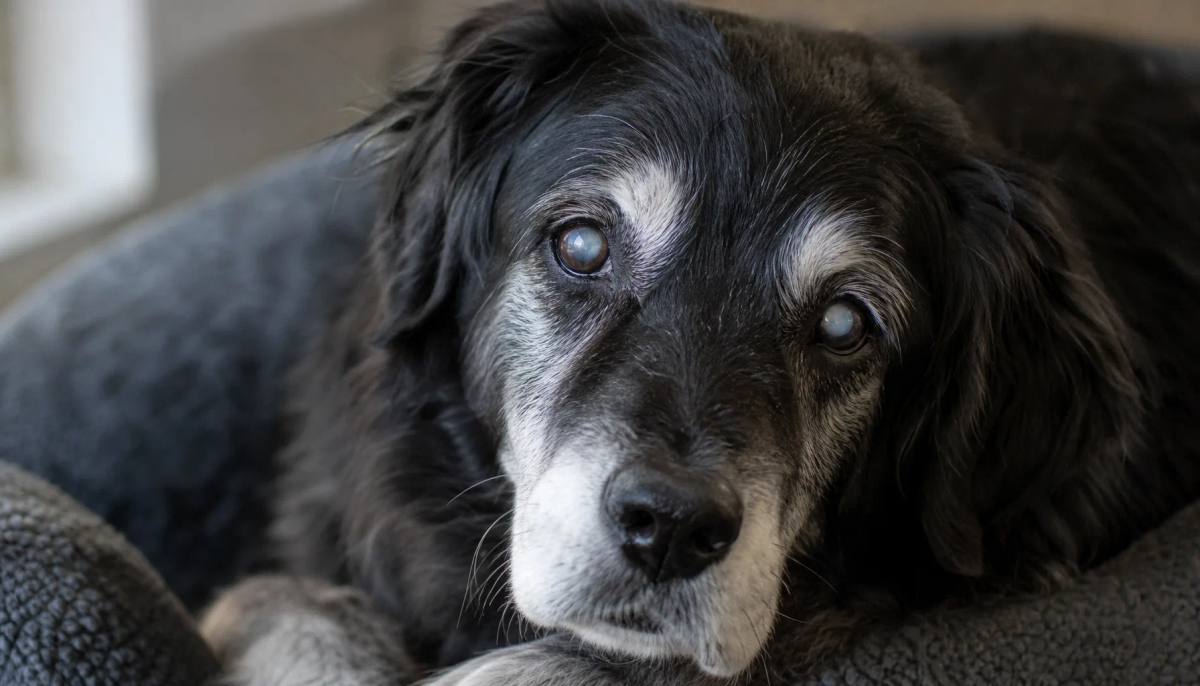
Nuclear, or lenticular, sclerosis is an age-associated change within the lens. The lens becomes denser and can develop a bluish-grey appearance. VCA describes it as a common finding in older dogs, but there is no birthday after which a newly cloudy eye can safely be assumed to have this cause.
Once correctly diagnosed, lenticular sclerosis usually has little effect on vision and does not itself need treatment. Regular eye checks still matter because another eye problem can occur alongside it. A dog finding its bowl or navigating the flat successfully does not rule out an important developing eye condition.
That said, cloudy eyes are also the first thing owners describe when a dog actually does have a cataract, which is why the two get confused constantly. Guidance on senior dog wellness checks in our senior care guides covers this alongside other ageing changes worth tracking as your dog gets older.
How Is a Cataract Different From Nuclear Sclerosis?
A cataract is an opacity in the lens whose effect depends on its extent and position. Inherited factors, diabetes, injury and inflammation are among the causes. Cataracts can progress to impaired sight, but not every cataract progresses to complete blindness. An examination is needed to assess this individual eye.
The response depends on the diagnosis and the whole eye, rather than two opposite rules based on colour. A diagnosed lens-ageing change may need routine monitoring; a cataract may need an ophthalmology assessment and treatment plan. Difficulty navigating, new hesitation or a change in play deserves investigation even if cloudiness is slight.
Because the two conditions can look almost identical to an untrained eye, guessing at home is not a reliable strategy. This is one of those situations where a short trip to a vet for a proper look, rather than comparing photos online, actually saves time and worry in the long run.
When Does Hearing Loss Usually Start, and What Does It Look Like?
Age-related hearing loss, called presbycusis, can develop in older dogs, but a fixed fraction of expected lifespan is not a reliable diagnostic threshold. Ear disease, blockage, injury and other causes also affect hearing. Tell the vet whether the change seemed sudden, gradual, one-sided or associated with ear discomfort.
Early signs are easy to miss because they look like selective listening. A dog that used to come running at the sound of the treat tin now only responds if it can see you. Barking changes too, some dogs bark more, startled by things they can no longer hear coming, while others simply grow quieter overall. A deep, sound sleep that used to break at the doorbell might now continue straight through it.
- Not waking to sounds that used to rouse them immediately, like the front door or a dropped pan
- Responding only when you're in their direct line of sight
- Barking more at things approaching from behind or out of view
- Sleeping through household noise that used to wake them instantly
Arrange an ear examination rather than classifying gradual hearing loss as normal without one. Merck notes that hearing can improve when certain obstructive or inflammatory causes are treated. Permanent age-related changes need communication and safety adaptations, but the cause should be established first. Do not put an unprescribed cleaner or medicine into the ear while guessing.
How Can You Help a Dog That Is Losing Its Sight or Hearing?
Home adjustments and veterinary care work together. Keep familiar routes and resources consistent, block unsafe stairs or drops, and clear bags and shoes from walking paths. For example, a shopping bag left in a route to the water bowl can become an obstacle even though the furniture has not moved. Introduce changes slowly and observe how your dog manages.
A dog who still sees well may learn hand signals for familiar cues. A gentle floor vibration can sometimes attract attention, but do not use forceful startling or aversive devices. If vision is also reduced, ask for help developing communication suited to both limitations. Practise in a safe, quiet space before relying on a new signal near traffic.
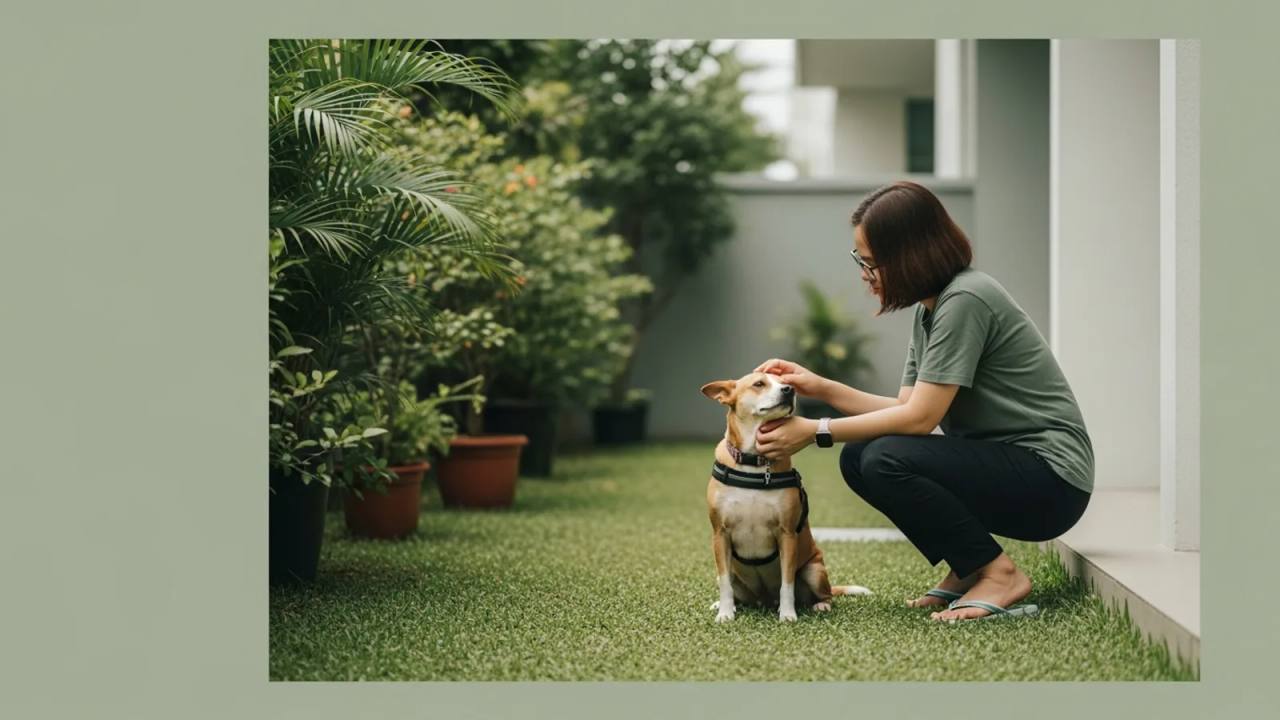
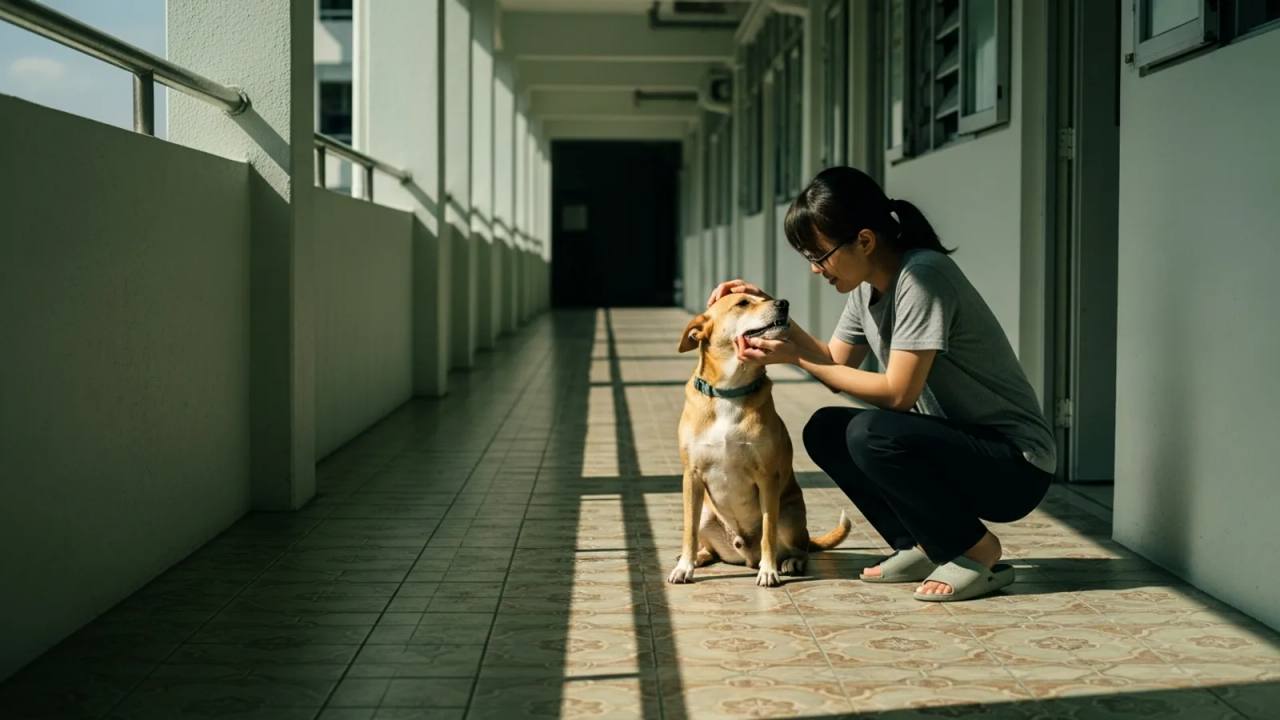
Let the dog become aware of you before touching it, and explain this routine to visitors, children and walkers. Avoid suddenly reaching at the face of a startled dog. Keep walks controlled and familiar while you learn what has changed. Adapt activities from the training and behaviour library to the dog’s remaining senses and mobility, without forcing an activity it finds confusing or frightening.
Frequently asked questions
Can I diagnose normal eye ageing from a photograph?
No. Cloudiness can have several causes, and successful navigation at home does not rule out eye disease.
Does nuclear sclerosis always need treatment?
It usually needs monitoring rather than treatment once diagnosed, with checks for other eye disease.
Should gradual hearing loss be ignored?
No. A veterinary examination can identify some treatable causes before age-related loss is assumed.
When is an eye change urgent?
Seek urgent advice for sudden sight loss, pain, redness, injury or marked disorientation.
Can a deaf dog learn new signals?
Many can learn visual cues if vision is adequate. Choose gentle reward-based communication suited to the dog’s abilities.
What should I record before the appointment?
Note when the change started, what happens in familiar settings, medicines and any eye, ear or general health symptoms.
Sources and editorial review
VCA: diagnosed lens ageing; Merck: causes and assessment of deafness; Merck: communication and hearing tests; AAHA: sensory adaptation; PDSA: eye symptoms and prompt assessment; ACVO: cataracts and individual assessment. Editorial source review: 12 September 2026.
Common questions
- Can I diagnose normal eye ageing from a photograph?
- No. Cloudiness can have several causes, and successful navigation at home does not rule out eye disease.
- Does nuclear sclerosis always need treatment?
- It usually needs monitoring rather than treatment once diagnosed, with checks for other eye disease.
- Should gradual hearing loss be ignored?
- No. A veterinary examination can identify some treatable causes before age-related loss is assumed.
- When is an eye change urgent?
- Seek urgent advice for sudden sight loss, pain, redness, injury or marked disorientation.
- Can a deaf dog learn new signals?
- Many can learn visual cues if vision is adequate. Choose gentle reward-based communication suited to the dog’s abilities.
- What should I record before the appointment?
- Note when the change started, what happens in familiar settings, medicines and any eye, ear or general health symptoms.
Sources
- VCA: diagnosed lens ageingvcahospitals.com
- VCA: diagnosed lens ageing
- Merck: causes and assessment of deafnessmerckvetmanual.com
- Merck: causes and assessment of deafness
- Merck: communication and hearing testsmerckvetmanual.com
- Merck: communication and hearing tests
- AAHA: sensory adaptationaaha.org
- AAHA: sensory adaptation
- PDSA: eye symptoms and prompt assessmentpdsa.org.uk
- PDSA: eye symptoms and prompt assessment
- ACVO: cataracts and individual assessmentacvo.org
- ACVO: cataracts and individual assessment
How we verify content Fact-checking policy How we stay free