For years, tug of war carried a reputation as a dangerous game that could turn an ordinary dog into a dominant, aggressive one. Veterinary behaviourists have since moved well past that theory, and the more useful questions for owners in Singapore flats are practical ones about flooring, space, and which individual dogs should hold off. Played with structure, tug is one of the simplest ways to give an indoor dog a real physical and mental outlet.
By the numbers
- 5-14 weeks Puppy critical socialisation window per Cornell's Riney Canine Health Center
- S$15/year AVS licence fee for a sterilised dog in Singapore
- 55cm shoulder height, no weight cap Project ADORE shoulder-height ceiling for mixed-breed dogs rehomed into HDB flats (weight cap removed 2020)
Does Tug of War Really Make Dogs Aggressive?
For decades, owners were told that letting a dog win at tug would create a pushy, dominant animal that no longer respected its handler. That idea comes from an outdated dominance model of dog behaviour that most professional bodies have since moved away from. The American Veterinary Society of Animal Behavior and trainers certified through groups such as CCPDT now treat tug as a normal, healthy outlet for a dog's natural predatory drive, not a power struggle to be won or lost.
Current guidance from the American Kennel Club and the ASPCA agrees on the key point: a game of tug played with rules does not create aggression. What it can build, when structured properly, is impulse control, focus, and confidence, because the dog has to listen for a release cue in the middle of high arousal. Aggression problems tend to come from a dog's existing temperament or a general lack of structure, not from the act of pulling on a rope toy. The mistake most owners make is not that they play tug, but that they play it without any rules at all, letting the dog get overstimulated with no way to bring the game back down.
It also helps to know what healthy tug looks like versus a game heading in the wrong direction. A dog with a loose, wiggly body, relaxed ears, and a play bow before or during the game is having fun within normal limits. A dog that goes rigid, locks its stare, growls in a low continuous tone rather than a play growl, or refuses to release even after several cues is showing signs that the game needs to stop for the day. Reading body language matters more than any single rule, and owners who are unsure what they are seeing should not push through it.
How Do You Play Tug Safely on Hard Tile Floors in an HDB Flat?
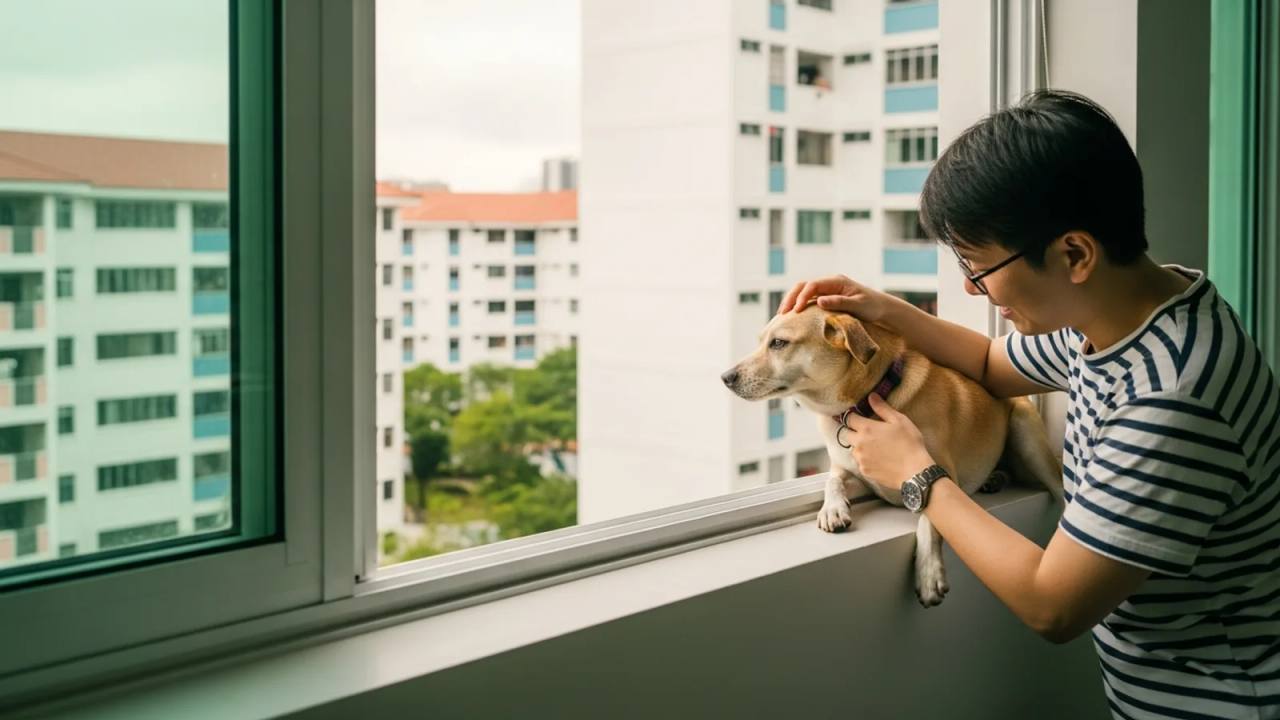
Singapore's home layouts create a genuine safety issue that most tug advice from the US or UK never has to consider. Polished tile and vinyl flooring in the average HDB flat or condo unit offers very little grip, and a dog lunging backward or pivoting hard while gripping a tug toy can slip, twist a leg, or crash into furniture. Before starting, clear the immediate play area of low tables, glass surfaces, and anything with sharp corners, and pick a spot with a rug, yoga mat, or interlocking foam tiles if the dog is going to move at speed.
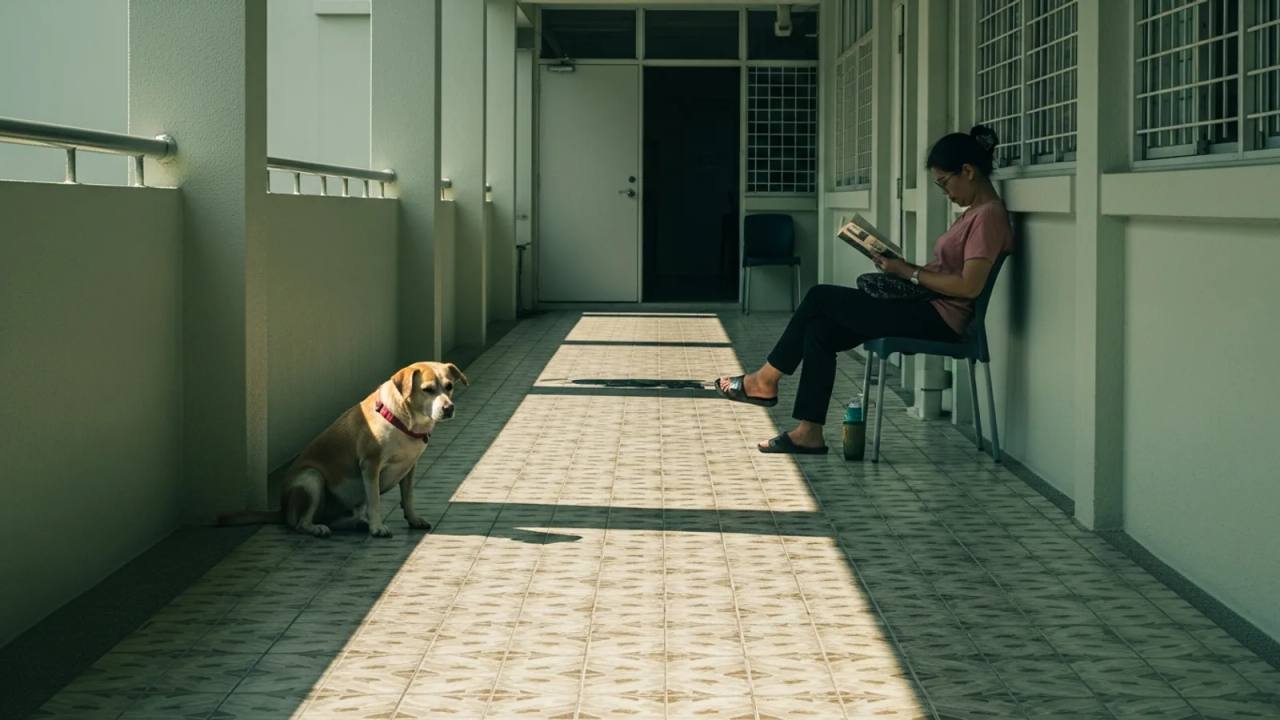
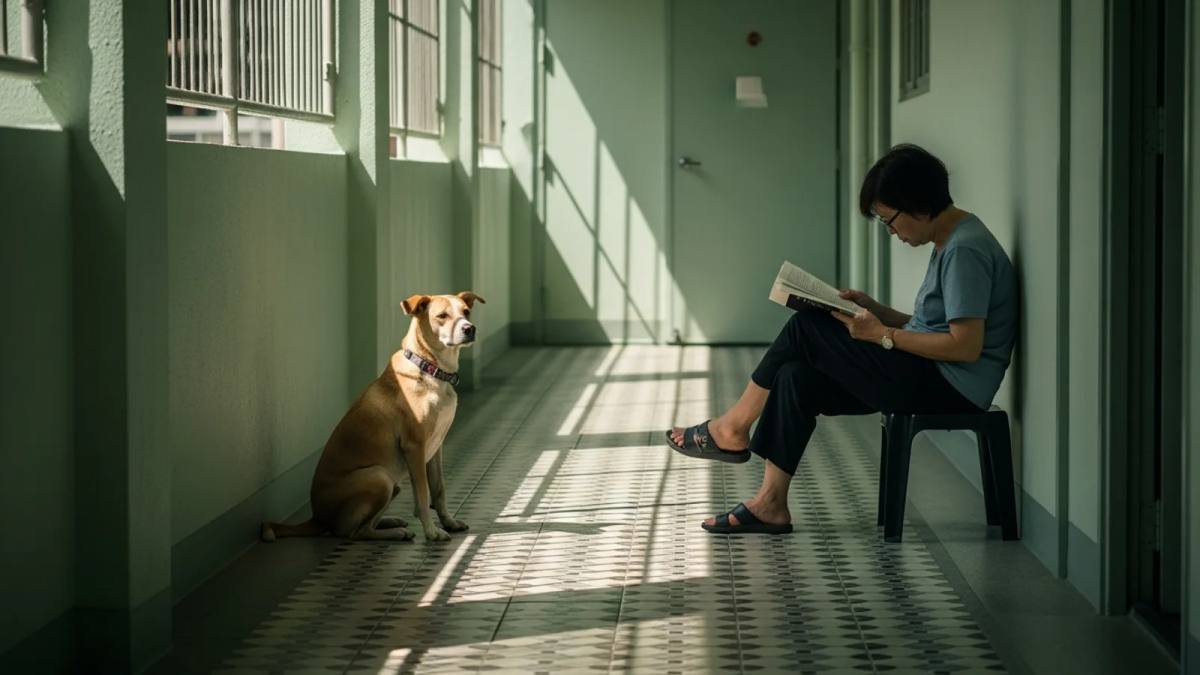
Corridor space matters too. Many flats only have a narrow stretch of living room floor to work with, which pushes owners toward playing in HDB corridors or void decks instead. That brings a second issue: noise. Excited barking and the scrabble of claws on tile carry easily through thin walls and floors, and a boisterous tug session at the wrong hour is a fast route to a complaint from the downstairs neighbour. Keep sessions short, time them for reasonable hours, and watch the dog's arousal level rather than letting the game run until someone is exhausted.
A few practical adjustments make hard-flooring homes much safer for this kind of play. Trim nails regularly so the dog has better grip and less slide on tile, and consider non-slip pads or rubber-backed mats in the main play zone rather than relying on the whole floor. Play closer to a carpeted or matted area than to open tile near a doorway, kitchen entrance, or staircase, and keep the game moving side to side rather than in fast circles, which is where most slipping injuries happen. If more than one dog in the household wants to join in, check that their play styles actually match first using UDO's compatibility tool before turning tug into a group activity, since mismatched energy levels or a resource-guarding streak in one dog can turn a fun game into a scuffle fast.
Which Dogs Should Skip Tug or Wait Before Starting?
Tug is not a blanket recommendation for every dog in every household, and there are two real exceptions worth taking seriously. The first is any dog already showing resource-guarding tendencies, meaning stiffening, growling, or snapping around toys, food, or other valued items. Introducing a game that revolves entirely around possessing an object is the wrong move until that behaviour has been properly addressed. UDO's guide on resource guarding in dogs covers how to recognise the early signs and when to bring in a qualified behaviour professional rather than working through it alone.
The second exception is puppies. A young dog's teeth and jaw structure are still developing, including the transition from milk teeth to adult teeth that typically wraps up somewhere around six months old, and hard, repeated tugging can stress those developing structures. For puppies, tug should either be avoided entirely or heavily modified, using a soft, lightweight toy, very gentle resistance, and short bursts rather than a full-strength contest. Owners working through early training basics can pair this with a structured training plan that introduces tug gradually alongside the other foundational cues a young dog needs.
What Rules Keep a Game of Tug Under Control?
A game of tug played with clear rules builds impulse control and confidence, it does not create a dominant or aggressive dog.
Common questions
- Does playing tug of war make a dog more aggressive?
- No. Veterinary behaviour consensus, including guidance referenced by the AKC and ASPCA, holds that tug played with rules does not create aggression or dominance. Problems come from a lack of structure or an underlying temperament issue, not from the game itself.
- Should I let my dog win at tug of war?
- Winning or losing is not the relevant factor, structure is. What matters is that the owner starts and ends the game on cue and that the dog reliably releases the toy on command, regardless of who ends up holding it at the end.
- Is tug of war safe for puppies?
- It needs to be modified rather than skipped outright in most cases. A puppy's teeth and jaw are still developing, so use a soft, lightweight toy, very gentle resistance, and short bursts, and avoid it entirely if the puppy seems unsettled by the game.
- Can tug of war cause resource guarding?
- Tug itself does not create resource guarding, but a dog that already shows guarding behaviour around toys or food should not be started on tug until that issue is addressed. Owners can check the early warning signs in UDO's guide on resource guarding before introducing the game.
- Is tug of war safe to play on tile or vinyl flooring?
- It can be, with adjustments. Keep nails trimmed, add a rug or non-slip mat to the main play zone, and avoid fast circling near open tile, doorways, or staircases where a slip is more likely.
- How do I teach my dog to drop the tug toy?
- Practise a drop it or give cue during calm, low-arousal moments before using it mid-game, pairing the release with a small reward at first. A structured training plan can help sequence this alongside other foundational cues.
Sources
- Cornell Riney Canine Health Centervet.cornell.edu
- 5-14 weeks: Puppy critical socialisation window per Cornell's Riney Canine Health Center
- AVS, NParksavs.nparks.gov.sg
- S$15/year: AVS licence fee for a sterilised dog in Singapore
- AVS, Project ADOREavs.nparks.gov.sg
- 55cm shoulder height, no weight cap: Project ADORE shoulder-height ceiling for mixed-breed dogs rehomed into HDB flats (weight cap removed 2020)
Try a little play, then save the moment →A small idea to try, with progress kept in your Pack.
How we verify content Fact-checking policy How we stay free