
Can dogs eat Chestnuts?
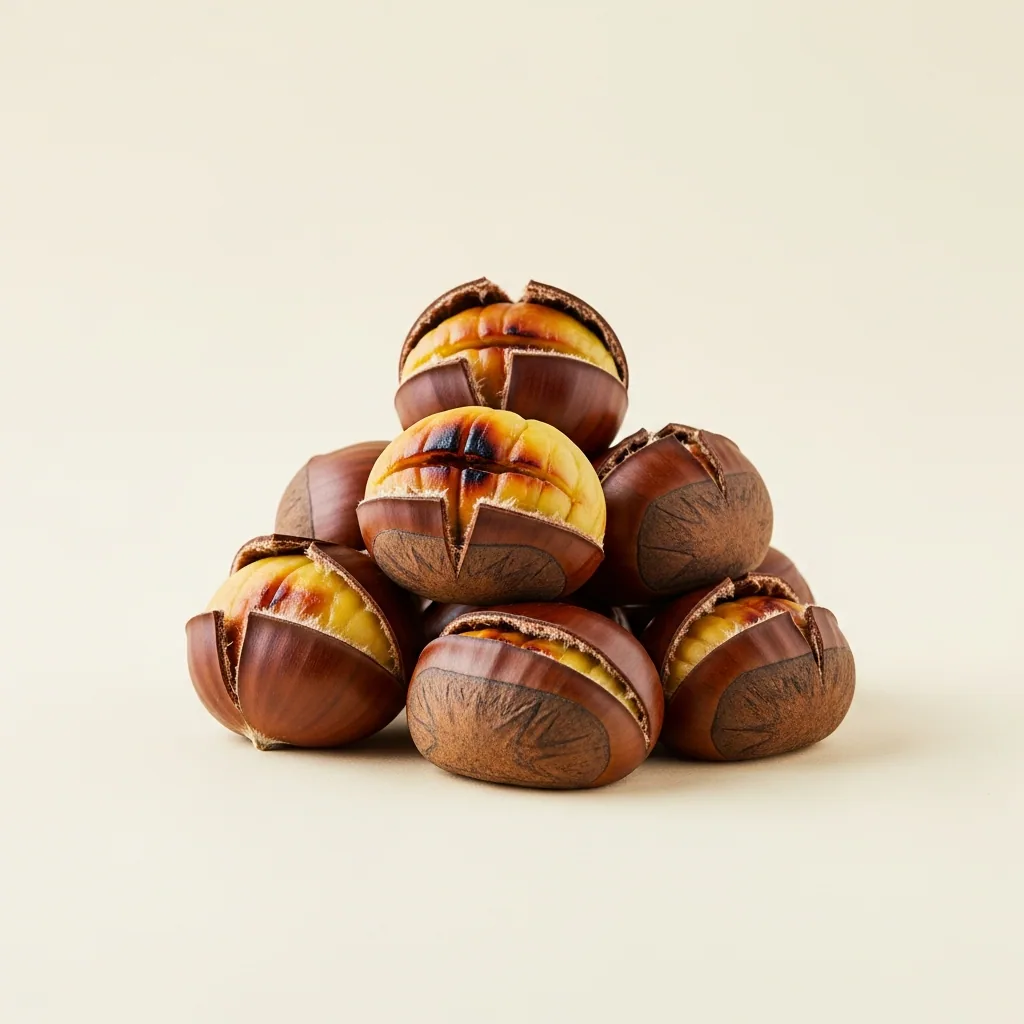
This entry concerns edible chestnuts sold as food, not horse chestnuts or an unidentified nut picked up outside. ASPCA lists American chestnut (Castanea dentata) as non-toxic and horse chestnut/buckeye separately as toxic. A common name alone is not enough to identify a plant.
If offering a suitable edible chestnut, remove the shell, avoid seasonings and use a manageable texture and amount. Non-toxic does not mean unlimited or free from choking risk. Ask your vet after ingestion of an unknown nut or a suspected horse chestnut.
Sources: ASPCA: American chestnut, ASPCA: horse chestnut/buckeye. Editorial source review: 12 September 2026.
Common questions
Can dogs eat chestnuts?
This entry concerns edible chestnuts sold as food, not horse chestnuts or an unidentified nut picked up outside.
How much chestnuts can a dog have?
There is no single spoon-sized portion that suits every dog and every food. Check the preparation advice above. Treats should make up less than 10% of daily calories, including all other treats, and should not replace a complete diet. Ask your vet about suitable foods and amounts if your dog has a medical condition or prescribed diet.