
Can dogs eat Curry?
Why does the recipe matter?
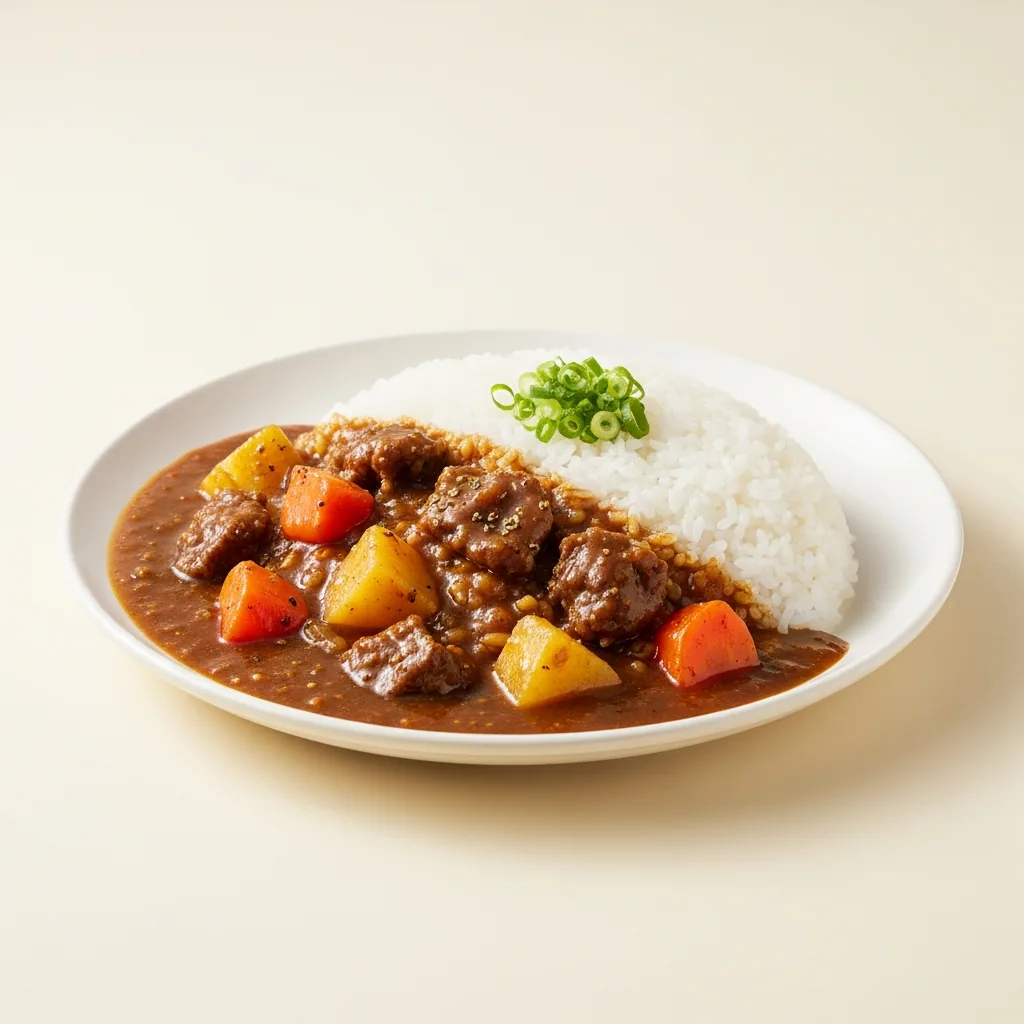
Curry covers many dishes. Singapore’s National Heritage Board describes varied ingredients and traditions, including the use of garlic and tamarind. It is inaccurate to say that every curry contains every listed ingredient, or that all spices are toxic.
What should I check after an exposure?
Identify the curry paste, stock, vegetables, meat and accompaniments. Onion, garlic and tamarind deserve specific attention. Removing visible pieces or diluting the sauce does not establish that the food is suitable for a dog.
When should I seek advice?
Contact your vet promptly about known or suspected hazardous ingredients, using the actual amount, time and your dog’s weight. Do not wait for a bowlful or for symptoms. Keep the takeaway receipt or ingredient label available, and choose a familiar dog treat instead of an unknown spoonful.
Sources: National Heritage Board: varied Indian dishes and ingredients, VCA: allium ingredients, MSD Veterinary Manual: tamarind exposure. Editorial source review: 12 September 2026.
What to do if your dog has already eaten curry
Onion, garlic, shallot and spring onion carry sulphur compounds that damage a dog's red blood cells. Cooking does not destroy them, and in Singapore food they are usually in the base of the dish rather than a visible ingredient, so the amount eaten is easy to underestimate.
Do this now
- Ring a vet now, before any symptoms start, and say what was eaten, roughly how much, and when.
- Do not try to make your dog sick unless a vet has told you to and is talking you through it.
- If it was within the last couple of hours, say so first. VCA notes that early decontamination lowers the risk of serious effects, and that window closes.
- Keep the dish, the packaging or a photo. How much onion or garlic was in it matters more than what the dish is called.
- Check the gums and the urine each day for the next five days, not just today.
Your own vet first. If they are closed, UrbanDogOwner keeps a list of Singapore clinics open around the clock, and you can find the nearest practice on the full vet directory. Ring ahead rather than turning up, so they can prepare for you.
What you may see in the first few hours
- Drooling, vomiting or diarrhoea
- Going off food
- Belly pain, or a hunched, uncomfortable stance
- Unusual flatness or low mood
Why the first few hours are not the whole story
The upset stomach is not the dangerous part, and this is the thing owners get caught by. MSD records that the oxidative damage to red blood cells begins within 24 hours and peaks at about 72 hours, and that signs of the anaemia itself are generally not seen until substantial red-cell destruction has happened, usually a few days after eating. A dog that looks completely fine tonight can be seriously anaemic on Thursday.
- Weakness, wobbliness or collapse
- Pale or white gums
- Fast or laboured breathing, or panting while resting
- A racing heartbeat
- Red, brown or unusually dark urine
How much is too much. The MSD Veterinary Manual reports that in dogs, ingestion of 15 to 30g of raw onion per kilogram of body weight has resulted in clinical signs, and that garlic is 3 to 5 times more toxic than onion. For a 10kg dog the lower end of that range is about 150g of onion, which is roughly one medium onion. A dish built on a garlic paste can reach a meaningful dose in far less.
Sources: MSD Veterinary Manual, Garlic and Onion (Allium spp) Toxicosis in Animals; VCA Animal Hospitals, Onion, Garlic, Chive and Leek Toxicity in Dogs. This page is general guidance and is not a substitute for examining your dog.
Common questions
Can dogs eat curry?
Why does the recipe matter?
What do I do if my dog eats curry?
Contact your vet or an emergency clinic straight away, with the amount eaten, even if your dog seems fine. Do not wait for symptoms.
What should I watch for after my dog eats curry?
In the first few hours: Drooling, vomiting or diarrhoea, going off food, belly pain, or a hunched, uncomfortable stance, unusual flatness or low mood. The upset stomach is not the dangerous part, and this is the thing owners get caught by. MSD records that the oxidative damage to red blood cells begins within 24 hours and peaks at about 72 hours, and that signs of the anaemia itself are generally not seen until substantial red-cell destruction has happened, usually a few days after eating. A dog that looks completely fine tonight can be seriously anaemic on Thursday.