
Can dogs eat Tom yum?
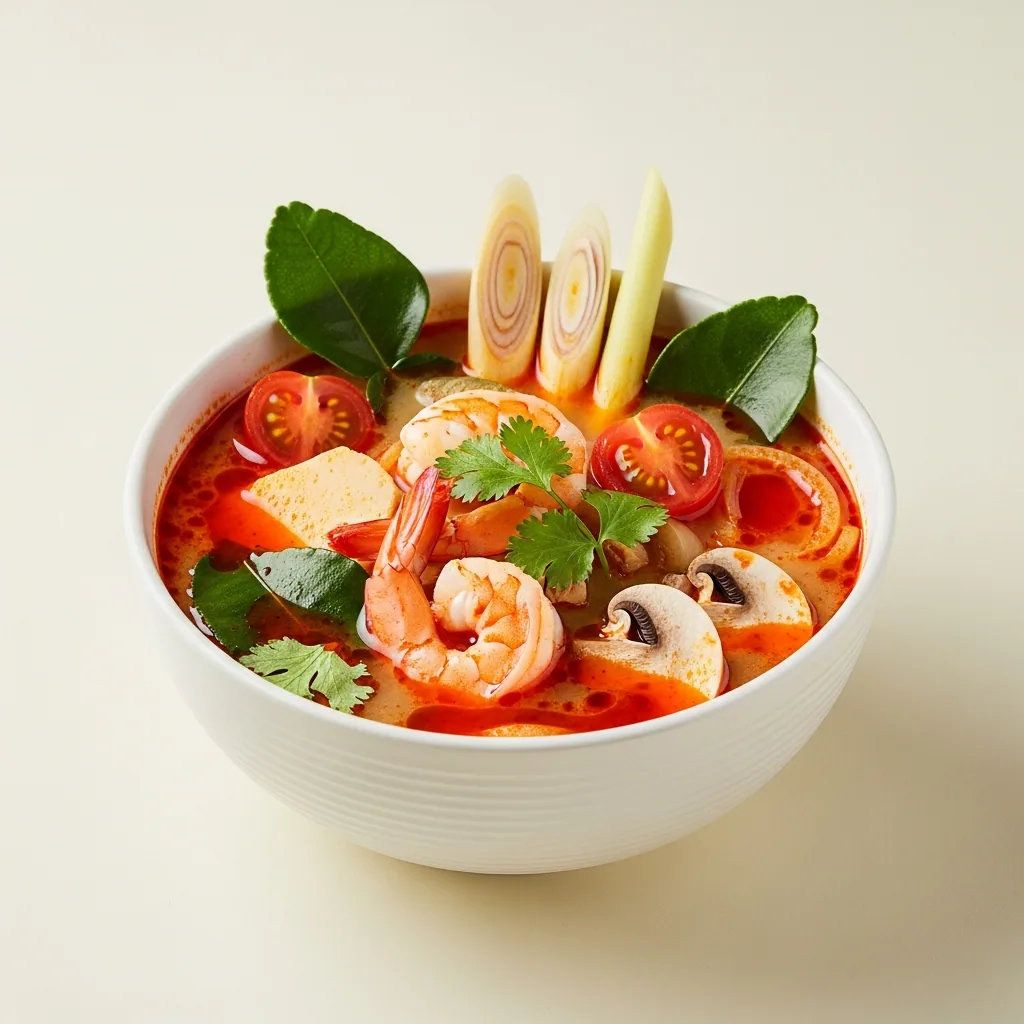
Does every tom yum contain garlic?
A universal claim would be misleading. Hot Thai Kitchen’s recipe uses lemongrass, galangal and makrut lime leaves with stock and Thai chilli paste; its stock method allows optional onion. Check the paste and actual stock rather than assuming the name tells you every ingredient.
Are the herbs and prawns all that matter?
No. The recipe notes that large pieces of the infused herbs are not intended to be eaten. Tell your vet about any tough pieces, shells or other material swallowed, as well as the seasoning. Clear and creamy preparations differ; neither is established as a canine hydration option. Offer fresh water normally and keep soup for people.
What if my dog has already eaten some?
Keep the packaging or ask the cook for the ingredients, including stock, paste and toppings. Note the amount and time, and tell your vet your dog’s weight. Contact your vet promptly for suspected onion, garlic, shallot or chive exposure; signs can be delayed. Breathing difficulty, collapse or choking needs emergency care. Do not induce vomiting or give a home remedy unless your vet directs you.
Sources: Hot Thai Kitchen: tom yum recipe, stock variation and herb handling; VCA: allium poisoning and delayed signs; VCA: emergency signs and first aid. Editorial source review: 12 September 2026.
Common questions
Can dogs eat tom yum?
Does every tom yum contain garlic?
How much tom yum can a dog have?
Do not treat a caution label as permission to offer a small amount. The risk may come from an ingredient, preparation method, choking hazard or blockage, rather than portion size. Check the specific advice above; if the food or its ingredients are uncertain, do not offer it. Contact your vet if your dog has eaten a potentially harmful item.