
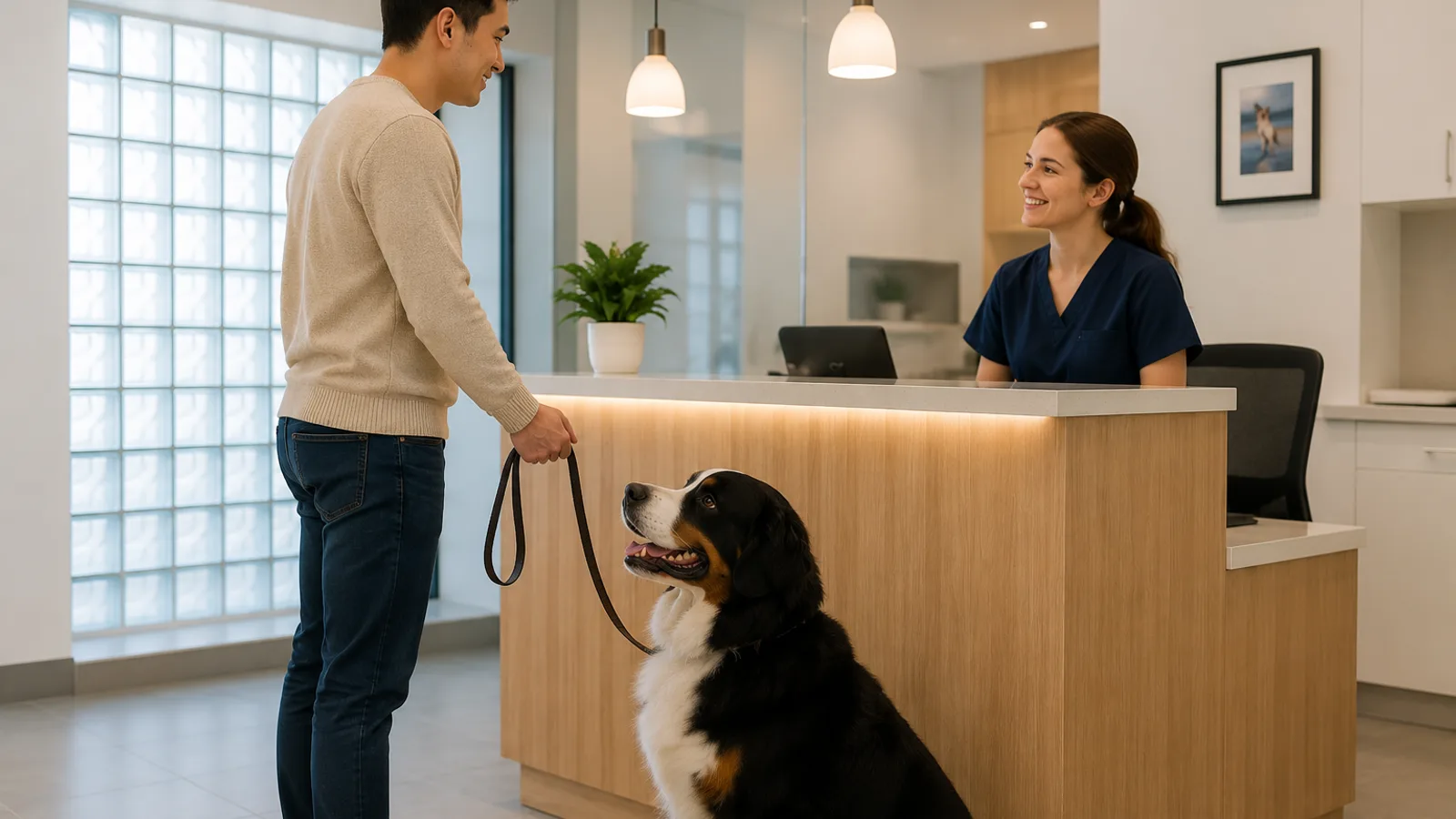

Giving a dog a home starts with understanding that individual dog. SPCA uses an application and matching process, followed by arranged visits, to help you and the adoption team make that decision together. Here is what to prepare, what it costs and which housing and licensing checks still matter.
Who the SPCA is, and what it rehomes
The Society for the Prevention of Cruelty to Animals operates its shelter at 50 Sungei Tengah Road. Check its current adoption profiles for the dogs being rehomed. Availability changes, and a listing can remain visible while another household is further along in the process.
SPCA assesses applications for suitability rather than application order. Share your working hours, housing arrangements, experience and household needs honestly. A profile starts the conversation; meeting the dog and discussing their care helps establish whether you can meet their needs.
The SPCA adoption process, step by step
Start with the online gallery, select a dog and complete the adoption application. Shortlisted applicants receive a call within 3 to 5 working days. If the match looks suitable, SPCA invites you for one or more visits, confirms preparations and then finalises the adoption paperwork.
Visits are by appointment. All household members, including helpers and tenants, must attend at least one visit. SPCA may conduct a home check. The number of visits varies by animal, so avoid making collection plans before SPCA confirms them.
Do not plan same-day collection or assume a three-day reservation. Ask what remains to be completed, when collection can happen, what equipment to bring and what support is available afterward.
The fee, and what it covers
SPCA lists S$250 for Singapore Special puppies under six months; S$150 for Singapore Special adults from six months to under 7.5 years; S$350 for pedigrees and crosses under 7.5 years; S$70 for seniors above 7.5 years or dogs that have stayed at SPCA for over a year; and S$25 for dogs with special needs or long-term medical care. Confirm the applicable category with SPCA, including dogs at an age boundary. Vaccination, sterilisation, deworming and microchipping are included; AVS licensing is separate. These are the published adoption categories checked on 23 September 2026.
Ask for medical records, current medication, outstanding treatment, vaccination and sterilisation arrangements, grooming needs, mobility, toileting and behavioural observations. Discuss likely follow-up costs and who provides support. Age, size and an adoption health check do not guarantee easy care or future health.
HDB eligibility and Project ADORE
An HDB flat ordinarily allows one dog from the approved list, which contains 61 named breeds plus crosses of any two listed breeds. Small size alone does not establish eligibility. Eligible local mixed-breed dogs, often called Singapore Specials, have a separate route through Project ADORE. See the statutory approved list.
A participating organisation must confirm the individual dog's eligibility: up to 55 cm at the shoulder, no weight limit, and one dog per flat. The dog must be licensed, microchipped, vaccinated and sterilised. The adopter must complete the mandatory obedience programme and comply with the Code of Responsible Behaviour, including preventing nuisance to neighbours. Our Project ADORE guide explains the partner route. Private housing still has national ownership limits, licensing and any applicable breed-specific conditions.
Licensing, training and the first days
For a sterilised animal within the first three cats and/or dogs owned, AVS lists S$15 for one year, S$25 for two years or S$35 for a lifetime licence, before the 10% rebate for GIRO, online or AXS payment. A lifetime licence does not need annual renewal. Renew time-limited licences before expiry. See the AVS fee table.
First-time cat or dog licence applicants must complete the free online Pet Ownership Course before applying through PALS. Allow about 20 to 30 minutes. This course is separate from dog obedience training. See the Pet Ownership Course. Arrange the relevant application or ownership transfer through PALS and confirm microchip details with SPCA. A vet appointment does not itself transfer an AVS licence.
Ask SPCA what training applies to the individual dog, which provider it requires, when it must be completed and whether there is a separate charge. SPCA's FY2023/24 annual report described mandatory training for adopters of puppies aged five months and younger. Confirm the current age threshold, provider and charges with SPCA before treating that historical policy as today's requirement.
SPCA Community Animal Clinic
The Community Animal Clinic serves community animals, other welfare groups and pets from eligible low-income households. Appointments are required and charges may apply. It is not a general walk-in or hospitalisation service. Contact the clinic about eligibility and an appointment before travelling; arrange a regular vet and emergency-care plan for your dog.
Settling in takes time
The 3-3-3 rule is a rough reminder to allow time and space, not a timetable or prediction. Adjustment varies and may take months or longer. Keep routines predictable, provide a quiet resting place and introduce people and activities gradually. Contact the rescue early if difficulties arise, and seek veterinary or qualified behavioural support when needed.
How SPCA, ASD and SOSD differ
SPCA rehomes several species through its application and visit process. ASD provides a two-week homestay for adult dogs; puppies have no homestay and ASD does not rehome puppies to HDB residents. SOSD requires its adopter form and briefing, with a homestay of at least one week. Compare the individual dog, support, conditions and total costs rather than an unsupported ranking of the shelters.
The adoption hub and ASD and SOSD guide help you compare the routes. Confirm current availability directly with each organisation.
Frequently asked questions
How much does it cost to adopt a dog from the SPCA?
Does the SPCA require a home visit?
Can I adopt an SPCA dog if I live in an HDB flat?
How long does adoption take?
Do I have to bring my whole family to adopt?
What paperwork and care do I need to arrange?
Start with a quiet moment together →A small idea to try, with progress kept in your Pack.