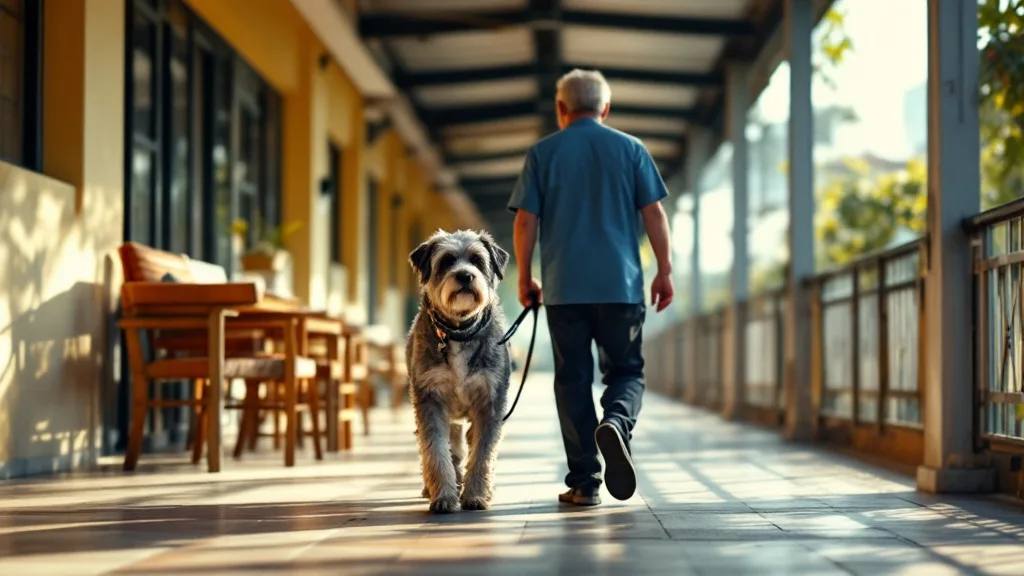

Arthritis in dogs often manifests through a variety of symptoms that can affect their mobility and overall well-being. One of the most noticeable signs is limping or lameness, which may be more pronounced after periods of rest or exercise. This is because the joints become inflamed, causing discomfort and making it difficult for the dog to move as freely as before. Owners might observe their dogs favouring one leg over another or having an uneven gait.
What Are the Symptoms of Arthritis in Dogs?
Arthritis in dogs often manifests through a variety of symptoms that can affect their mobility and overall well-being. One of the most noticeable signs is limping or lameness, which may be more pronounced after periods of rest or exercise. This is because the joints become inflamed, causing discomfort and making it difficult for the dog to move as freely as before. Owners might observe their dogs favouring one leg over another or having an uneven gait.
Stiffness after rest is another common symptom. Dogs with arthritis often appear particularly stiff when they first get up in the morning or after a nap. Although the stiffness may improve with movement, the initial difficulty in getting up or lying down is a clear indication that something is amiss. This stiffness can lead to a reluctance to walk or play, as physical activities become more challenging and painful for the dog. You might notice your dog hesitating when you pick up the leash or showing less enthusiasm for games they once loved.
Behavioral changes can also be a significant indicator of arthritis. Pain and discomfort can make dogs irritable or withdrawn. Some dogs may become less social, avoiding interactions they once enjoyed. They might also show signs of anxiety or depression. The pain can make them less tolerant and sometimes even aggressive if touched in a painful area. Observing these changes in behaviour is crucial as it provides insight into their discomfort levels. Consulting resources from the American Animal Hospital Association can offer further guidance on understanding these behavioural shifts.
Difficulty climbing stairs is another symptom that owners often notice. Dogs with arthritis may struggle with stairs, which require more strength and flexibility than flat surfaces. You might see your dog hesitating at the base of the stairs or taking them more slowly than usual. This difficulty is due to the increased strain on joints, particularly the knees and hips, which are commonly affected by arthritis.
Recognising these symptoms early is crucial for managing arthritis in dogs. While the condition cannot be cured, there are treatments and lifestyle changes that can significantly improve their quality of life. If you suspect your dog is showing signs of arthritis, consulting a veterinarian is essential. They can provide a proper diagnosis and recommend appropriate treatments to help manage the condition. Keeping an eye on your dog's daily activities and behaviours will help ensure they remain as comfortable and active as possible.
Why Do Dogs Develop Arthritis?
Dogs develop arthritis due to a combination of aging, genetic predisposition, previous injuries, obesity, and inflammatory joint diseases. As dogs age, the natural wear and tear on their joints increases, leading to the degeneration of cartilage. This cartilage acts as a cushion between bones, and when it wears down, bones can rub against each other, causing pain and inflammation. Aging is one of the most common reasons for arthritis, but it is not the only factor at play.
Genetic predisposition also plays a significant role in the development of arthritis in dogs. Certain breeds are more prone to developing joint issues due to their genetic makeup. Breeds such as Labradors, German Shepherds, and Golden Retrievers often have a higher risk of developing arthritis. This genetic risk can be compounded by other factors, causing symptoms to appear earlier or more severely.
Previous injuries can also lead to arthritis. Dogs that have suffered from fractures, dislocations, or ligament tears are more likely to develop arthritis in the affected joints. These injuries can cause instability or abnormal movement patterns, increasing stress on the joints and accelerating wear. Even after healing, these injuries can leave lasting effects that contribute to the development of arthritis over time.
Obesity is another significant factor that increases the likelihood of arthritis. Excess weight puts additional stress on a dog's joints, exacerbating wear and tear. This increased pressure can accelerate the breakdown of cartilage and lead to more severe arthritis symptoms. Maintaining a healthy weight through proper diet and regular exercise is crucial to reducing the risk of arthritis related to obesity. For more detailed guidance on maintaining joint mobility, consider consulting reliable resources.
Inflammatory joint diseases, such as rheumatoid arthritis or lupus, can also contribute to arthritis in dogs. These conditions cause the immune system to mistakenly attack the joints, leading to inflammation and damage. The inflammation can accelerate the degeneration of cartilage and exacerbate pain and discomfort. Early diagnosis and treatment are essential to managing these conditions and preventing further joint damage.
Reducing avoidable strain and recognising changes early can help, but no routine guarantees arthritis prevention. Ask your veterinarian about individual risks, comfortable activity and follow-up. A local clinic’s professional registration does not mean a foreign professional body has personally assessed your dog or approved this article.
How Can I Help My Dog with Arthritis at Home?
Helping your dog with arthritis at home involves creating a comfortable environment and following a consistent care routine. Providing a cozy resting area is crucial. Ensure your dog has a soft, supportive bed, preferably orthopaedic, to alleviate pressure on their joints. Placing the bed in a quiet, easily accessible spot can make it easier for them to rest without having to climb stairs or navigate obstacles.
Maintaining a healthy weight is another key aspect of managing arthritis. Extra weight puts more strain on your dog's joints, exacerbating discomfort. Consult your vet for dietary recommendations tailored to your dog's needs. A balanced diet can help manage weight and contribute to overall joint health.
Engaging your dog in low-impact exercises is beneficial for maintaining joint mobility and muscle strength. Activities like walking or swimming can be gentle on the joints while providing necessary physical activity. Aim for a steady daily routine to help your dog adjust and anticipate their exercise times, which can also enhance their mental well-being.
Glucosamine and chondroitin are widely sold, but the evidence does not justify promising arthritis pain relief from these supplements. Ask your vet about the exact product and intended benefit. They must not replace effective pain treatment. A dog that is limping needs assessment, not a supplement trial before a consultation.
Regular vet check-ups are essential for monitoring the progression of arthritis and adjusting care as needed. Your vet can provide guidance on pain management and may suggest medications or therapies to improve your dog's quality of life. For more detailed information on arthritis management, the Merck Veterinary Manual offers comprehensive insights.
In addition to these measures, consider using ramps or steps to help your dog access beds or cars with ease. Non-slip mats can prevent falls on slippery floors, and raised food and water bowls can reduce strain on your dog's neck and back. By making these adjustments, you can help your dog lead a comfortable and active life despite their arthritis. Remember, consistent attention and care can significantly impact their well-being.
Common question: Why is my dog limping?.
Sources and editorial review
AAHA: individual pain assessment and management; Merck Veterinary Manual: osteoarthritis and treatment evidence. Editorial source review: 12 September 2026. This is general information, not a diagnosis or individual treatment plan.
Common questions
- Can young dogs get arthritis?
- Yes, although it's more common in older dogs, young dogs can develop arthritis due to injury or genetic factors.
- What are the early signs of arthritis in dogs?
- Early signs include limping, stiffness, reluctance to move, and changes in behavior or activity levels.
- Is arthritis in dogs curable?
- Arthritis is not curable, but its symptoms can be managed with proper treatment and lifestyle adjustments.
- What treatments are available for dogs with arthritis?
- Treatments include medications, physical therapy, weight management, and in some cases, surgery.
- Can diet help manage arthritis in dogs?
- A suitable feeding plan and healthy body condition can help management. Ask your vet whether a therapeutic diet or specific supplement suits your dog; do not assume an antioxidant or joint-health label proves pain relief.
- How can I make my arthritic dog more comfortable at home?
- Provide soft bedding, use ramps instead of stairs, and ensure regular, gentle exercise to ease joint pain.
- Are there any natural remedies for dog arthritis?
- Glucosamine and chondroitin are popular, but evidence does not support promising arthritis pain relief from them. Discuss the exact product with your vet and do not substitute supplements for prescribed treatment.
Sources
- AAHA: individual pain assessment and managementaaha.org
- Qualified guidance linked in the article.
- Merck Veterinary Manual: osteoarthritis and treatment evidencemerckvetmanual.com
- Qualified guidance linked in the article.
How we verify content Fact-checking policy How we stay free