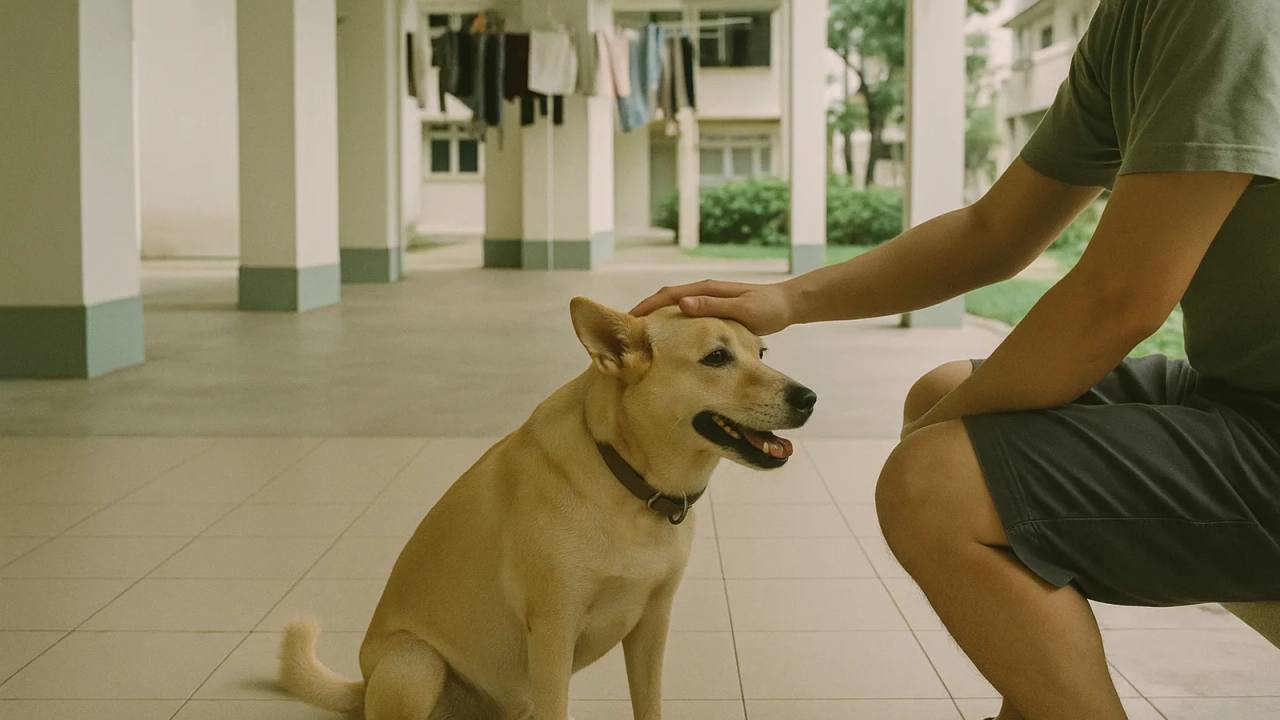

Dog ear infections are a prevalent issue among pet owners in Singapore, often caused by bacteria or yeast. Recognising the symptoms early can help in managing and treating the condition effectively.
By the numbers
- 7.3% of dogs under primary veterinary care in the UK were diagnosed with an ear infection (otitis externa) within a one-year period, per a peer-reviewed epidemiological study - not a lifetime prevalence figure, and UK rather than Singapore-specific.
- Cocker Spaniels, Bulldogs, Poodles are commonly affected breeds.
- 5 common symptoms include itching, redness, odor, discharge, and head shaking.
What are the signs of ear infections in dogs?
Signs of ear infections in dogs include itching, redness, discharge, and a noticeable odor. These symptoms often lead to behavioral changes such as frequent head shaking or scratching at the ears. If a dog is persistently scratching or pawing at its ears, it might be a sign that something is amiss. The irritation caused by an infection can make a dog uncomfortable, prompting it to try to relieve the itchiness through excessive scratching. This can sometimes exacerbate the problem, leading to further inflammation or even wounds around the ear area.
Redness, swelling and discharge suggest an ear problem but cannot identify the cause by appearance alone. Brown, black or yellow discharge may occur with different conditions. A vet may examine the canal and a sample under a microscope before choosing treatment. Do not select a yeast or bacterial medication solely from the colour or smell.
A strong, unpleasant odor emanating from your dog's ears is another telltale sign of an infection. This smell can be quite distinctive and is often described as yeasty or musty. The odor is a result of the bacteria or yeast proliferating within the ear canal. Dogs with ear infections might also exhibit changes in their behavior. Besides the constant head shaking, they might become more irritable or sensitive when their ears are touched. Some dogs might tilt their head to one side or seem off-balance, which can indicate that the infection has affected their inner ear.
Arrange a vet assessment for suspected ear infection. Veterinary ear guidance explains why the cause and eardrum need checking before drops are chosen. Head tilt, balance loss, severe pain or other neurological changes warrant urgent advice. Keep your dog comfortable and do not force handling of a painful ear.
- Itching and scratching at the ears
- Redness and swelling of the ear canal
- Discharge, varying in color and consistency
- Unpleasant odor from the ears
- Head shaking and irritability
- Head tilting or balance issues
Why do dogs get ear infections?
Dogs often get ear infections due to a combination of factors such as bacteria, yeast, allergies, moisture, foreign objects, and breed predispositions. The ear canal of a dog is L-shaped, which makes it easier for debris and moisture to get trapped, creating an ideal environment for bacteria and yeast to thrive. Bacteria and yeast are common culprits and can lead to infections when they multiply uncontrollably. In Singapore's humid climate, moisture is a significant contributor. When a dog's ears remain damp after swimming or bathing, it can promote the growth of these microorganisms. Regular ear cleaning is important to prevent this buildup.
Allergies are another major cause of ear infections in dogs. Just like humans, dogs can be allergic to a variety of substances, including pollen, dust mites, certain foods, and even fleas. When a dog experiences an allergic reaction, the inflammation can affect its ears, leading to infections. To learn more about managing your dog's allergies, you can visit our section on allergies.
Foreign objects such as grass seeds or dirt can also become lodged in a dog's ear, causing irritation and eventually leading to an infection. It's important to check your dog's ears regularly, especially after outdoor activities, to ensure no foreign material is present. If you notice your dog shaking its head frequently or scratching its ears, it might be a sign that something is stuck inside.
Certain breeds are more prone to ear infections due to their anatomical features. Breeds with floppy ears, like Cocker Spaniels and Basset Hounds, have less air circulation in their ear canals. This can create a warm, moist environment that encourages the growth of bacteria and yeast. Dogs with hair growing inside their ear canals, such as Poodles and Schnauzers, may also experience more frequent ear infections. Regular grooming and ear checks are essential for these breeds.
- Moisture and humidity can lead to bacterial and yeast overgrowth.
- Allergies can cause inflammation, leading to secondary ear infections.
- Foreign objects can irritate the ear canal, causing infections.
- Breeds with floppy ears or hair in their ear canals are more susceptible.
Recurrent ear problems need assessment of the underlying cause, which may include allergy, a foreign body or another condition. Use a Singapore-licensed veterinary service and follow an individual prevention plan. A link to a professional regulator abroad does not establish the qualifications of a local clinic.
How can I treat my dog's ear infection at home?
Have the ear examined before starting cleaners or drops for a suspected infection. Some products can harm hearing if the eardrum is damaged, and debris may hide a foreign body. Once your vet has selected treatment and demonstrated any cleaning, follow that plan at home. Do not insert cotton buds, use leftover medication or force a painful ear to be handled.
Record discharge, scratching, pain and any change in balance while following the prescribed treatment. Contact the clinic if signs worsen or the medicine is difficult to administer. A mild-looking ear infection still needs a diagnosis; home monitoring does not establish that cleaning alone is sufficient.
Keep water out of an affected ear as your vet advises, and postpone swimming during treatment if instructed. Do not insert makeshift ear plugs or apply a drying product without approval. The right cleaning frequency varies, and excessive cleaning can irritate an ear.
Check ears regularly without probing deep inside. Ask your vet whether cleaning, hair management or allergy treatment is needed for your dog. Do not trim deep canal hair yourself or assume routine plucking and frequent cleaning prevent every infection.
Home care means carrying out a veterinary plan, not diagnosing and treating an infection from its appearance. Keep any follow-up examination, because an ear that smells better may not yet be fully treated. Seek urgent advice for head tilt, balance loss or severe pain.
Check ears regularly, but use cleaners and drops according to an individual veterinary plan.
Common questions
- How can I tell if my dog has an ear infection?
- Look for symptoms like excessive scratching, head shaking, foul odor, and discharge from the ears.
- Can ear infections in dogs be prevented?
- Risk can be reduced by addressing underlying problems and following an individual ear-care plan. Not every dog needs frequent cleaning; excessive cleaning can irritate the canal. Ask your vet about swimming, drying and suitable products.
- Are ear infections in dogs contagious?
- Many common bacterial or yeast ear problems are secondary to an underlying condition rather than simply caught from another dog. Ear mites can spread between animals and cause similar signs. A vet needs to identify the cause before advising about other pets.
- What causes ear infections in dogs?
- Common causes include bacteria, yeast, allergies, moisture, and foreign bodies.
- Can I treat my dog's ear infection at home?
- Only as part of a veterinary treatment plan. The cause and eardrum should be assessed before cleaners or drops are used. Do not use leftover medication or judge the cause by discharge colour.
Sources
- UK primary-care epidemiological studypmc.ncbi.nlm.nih.gov
- 7.3%: of dogs under primary veterinary care in the UK were diagnosed with an ear infection (otitis externa) within a one-year period, per a peer-reviewed epidemiological study - not a lifetime prevalence figure, and UK rather than Singapore-specific.
- Merck Veterinary Manualmerckvetmanual.com
- 2 to 4 weeks: is the typical recovery time for mild ear infections.
- VCA Animal Hospitalsvcahospitals.com
- Cocker Spaniels, Bulldogs, Poodles: are commonly affected breeds.
- American Kennel Clubakc.org
- 5: common symptoms include itching, redness, odor, discharge, and head shaking.
How we verify content Fact-checking policy How we stay free