
Singapore's dog-ownership rules sit at the intersection of housing type, national licensing law, and estate management guidelines, making multi-dog households far more regulated here than in many other countries. The Animals and Veterinary Service sets the overarching licence quota per address, while HDB imposes its own stricter breed and number restrictions on top of those rules. Understanding both layers is essential before bringing a second dog home, whether you live in a Bukit Timah bungalow or a Tampines four-room flat. This guide breaks down the exact limits, the paperwork involved, and the practical steps for introducing a second dog responsibly within Singapore's legal framework.
By the numbers
- 1 Maximum number of dogs permitted in an HDB flat under AVS and HDB rules
- 3 Maximum number of cats and/or dogs combined allowed per private (non-HDB) residential address
- S$5,000 Maximum fine per offence for keeping an unlicensed dog, or breaching a specified-dog condition, under the Animals and Birds (Licensing and Control of Cats and Dogs) Rules 2024
What the Rules Actually Say About Keeping More Than One Dog in Singapore
Singapore is a city of rules, and dog ownership is no exception. Whether you live in a Housing Development Board flat or a landed property in Bukit Timah, the number of dogs you are permitted to keep is governed by a distinct set of regulations enforced by the Animal and Veterinary Service (AVS), a cluster of the National Parks Board (NParks). Getting this wrong is not merely an administrative inconvenience. Exceeding the permitted quota of dogs at your residential address is an offence under the Animals and Birds Act, and enforcement does happen. Before you bring a second dog home, you need to understand exactly where you stand.
HDB Flat Owners: The One-Dog Rule and Why It Exists
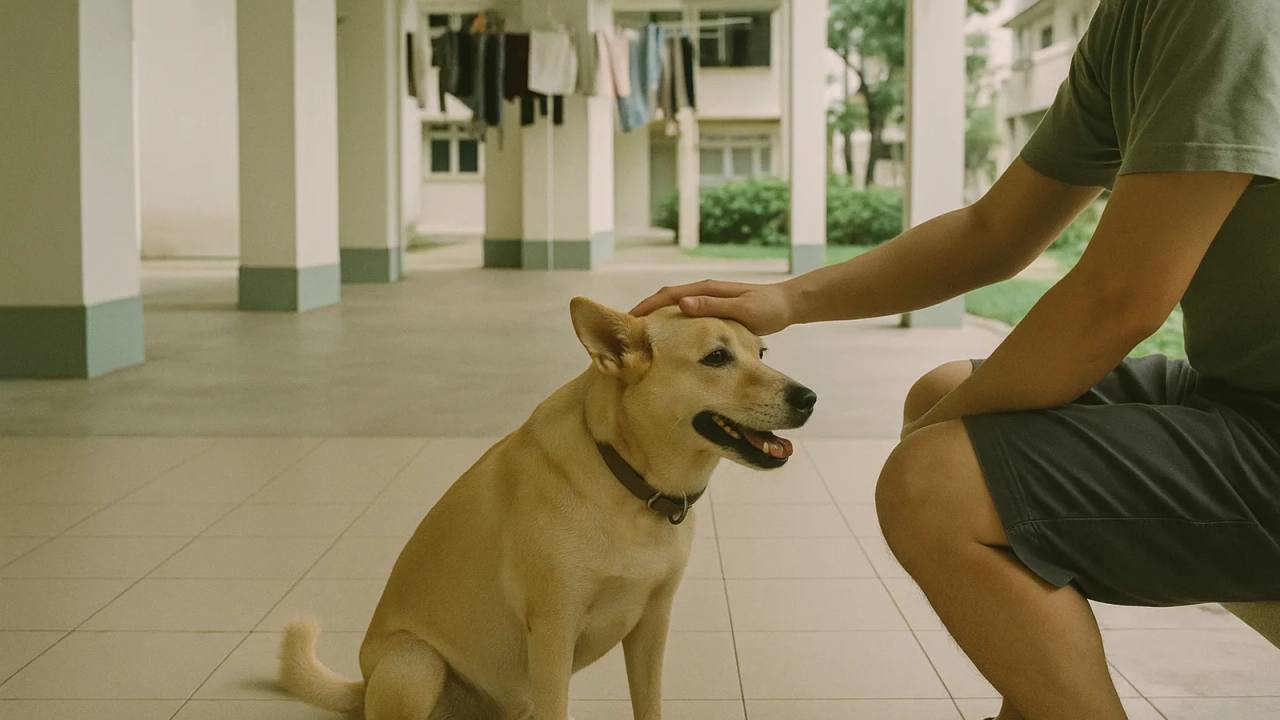
If you live in an HDB flat, the position is straightforward and strict. HDB flat owners are permitted to keep only one dog, and that dog must come from the list of approved breeds published by HDB. As of 2026, the approved list comprises 62 breeds, all of which are generally small to medium in size. Breeds such as the Shih Tzu, Maltese, Poodle (toy and miniature), Cavalier King Charles Spaniel, and Pug appear on the list, while larger breeds such as the Siberian Husky, Dalmatian, and Rottweiler do not. You can verify the full list directly on the HDB pet guidelines page.
The rationale for this restriction is density. Singapore's public housing estates house the vast majority of the resident population in relatively compact flats. HDB has historically maintained that multiple dogs in a confined flat environment can cause noise nuisance and hygiene issues for neighbours in close proximity. Whether or not you agree with that reasoning, the rule stands, and no quantity of appeal letters changes the one-dog ceiling for HDB addresses.
It is worth being precise about what "approved breed" means in practice. Mixed-breed dogs are not permitted in HDB flats, regardless of how small or quiet they may be in temperament. If your dog is a crossbreed, even one that is physically smaller than many approved breeds, it does not qualify. This is a point that catches many well-intentioned owners off guard when they adopt from a shelter and later discover their new companion is ineligible for HDB residency.
Private Property: Up to Three Dogs, But Still Licensed
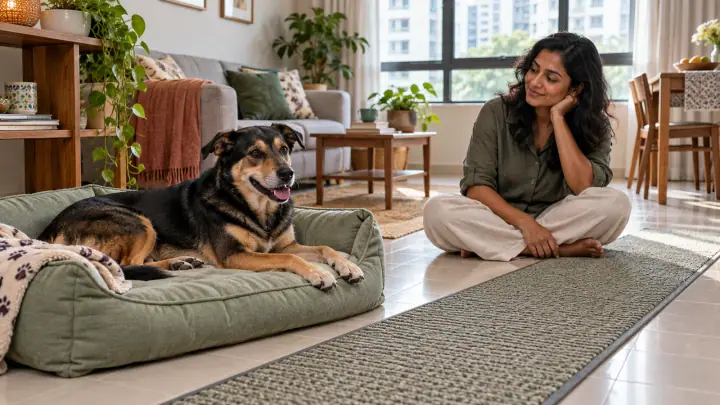
Residents in private properties, including condominiums, landed houses, semi-detached houses, and private apartments, operate under a more permissive framework. Private property households may keep up to three dogs per residential address. This is not a suggestion or a rough guideline. It is the statutory maximum, and it applies regardless of how large your garden is or how well-trained your animals are.
Crucially, each dog must hold its own valid AVS dog licence tied to that specific residential address. The licence is issued per animal, not per household, so a three-dog household requires three active licences. You can apply for and renew dog licences through the AVS dog licensing portal on the NParks website. Annual licence fees as published by AVS are S$15 for sterilised dogs and S$90 for unsterilised dogs (first three dogs in a household). Keeping a dog without a valid licence is itself an offence, entirely separate from the question of quotas.
Condominium residents should also be aware of a second layer of rules imposed by their management corporations (MCSTs). Even if AVS permits three dogs, your MCST bylaws may restrict the number further, prohibit certain breeds, or require dogs to be carried in lifts rather than walked through common corridors. These private rules do not override AVS regulations, but they run in parallel and can be enforced through the strata management framework. Always read your MCST's house rules before committing to a second or third dog.
Licensing in Practice: Addresses, Transfers, and Renewals
The AVS dog licence system is address-based, which has practical consequences that many owners do not anticipate. When you move home, your dog's licence must be updated to reflect the new address. If you are moving from a private property where you kept two dogs to an HDB flat, you are immediately in breach of the HDB one-dog rule from the date of your move, regardless of when your licences were issued. You would need to rehome one dog before or at the point of moving, not after settling in.
Licences must be renewed annually. As of 2026, AVS issues reminders, but the responsibility for renewal sits entirely with the owner. Allowing a licence to lapse does not mean your dog becomes unlicensed retroactively from the original issue date, but it does mean you are keeping an unlicensed animal from the expiry date onwards. Given that fines under the Animals and Birds (Licensing and Control of Cats and Dogs) Rules 2024 for keeping an unlicensed dog can reach S$5,000, staying on top of renewals is genuinely important rather than merely good practice.
You should also know that each dog must be microchipped before a licence can be issued. AVS requires microchipping as a condition of licensing, and the microchip number is linked to the licence record. This serves as the primary mechanism for reuniting lost dogs with owners and for enforcement officers to verify licensing status during inspections or complaints. If you are adopting a second dog from a local shelter such as the SPCA or Action for Singapore Dogs (ASD), the microchip is almost certainly already in place, which simplifies the licensing process considerably.
How to Introduce a Second Dog Within the Rules
For private property residents who are eligible to keep a second dog, the regulatory process and the practical process are two different things that must proceed in parallel. On the regulatory side, you need to apply for a new AVS licence for the incoming dog before or immediately upon its arrival at your address. Do not assume a grace period exists. The licence must be valid and tied to your address from the point the dog is resident there.
On the practical side, bringing a second dog into a household that already has an established dog requires careful management regardless of the size of your property. Most animal behaviourists recommend a structured introduction process. Begin with neutral-ground meetings, ideally in a park or open space where neither dog feels territorial. Singapore has a network of designated dog runs across HDB estates and parks, including well-known runs at Bishan-Ang Mo Kio Park, Toa Payoh Town Park, and East Coast Park. Using a dog run for initial introductions gives both animals space to interact without the pressure of defending a home environment.
After neutral meetings, allow the new dog to enter the home while the existing dog is out, so it can explore the scent without confrontation. Separate feeding stations, sleeping areas, and initial supervised interactions are standard advice from AVS and from local veterinary practices. Rushing the introduction to suit your schedule rather than the dogs' comfort is the most common reason second-dog introductions fail. Give the process weeks, not days.
For HDB residents who are considering a second dog, there is no regulatory pathway that currently permits it. Some residents have lobbied for HDB to expand the approved breed list or raise the limit to two dogs for larger flat types. As of August 2026, HDB has not amended the one-dog rule, and any information suggesting otherwise should be verified directly with HDB's official website before you act on it.
Practical Takeaways for Singapore Dog Owners Considering a Second Pet
Before you commit to bringing a second dog home, work through the following steps in order.
- Confirm your property type. Check whether your address is classified as HDB or private property. If you are in an HDB flat, a second dog is not permitted under any current rule, regardless of breed size.
- Check your current quota. Private property residents may keep up to three dogs. Count your current licensed dogs and confirm you have headroom.
- Apply for the licence before or upon arrival. Do not bring the second dog home and plan to sort the paperwork later. The dog must be licensed to your address from the point of residence.
- Verify MCST rules if you live in a condominium. Your strata management may impose additional restrictions beyond AVS limits.
- Plan the introduction properly. Use neutral ground first, and allow several weeks for the two dogs to adjust. Singapore's dog runs are a practical resource for this purpose.
- Keep both licences current. Annual renewals are the owner's responsibility. Sterilised dogs cost S$15 per year to licence, unsterilised dogs cost S$90 per year. Budget accordingly and set calendar reminders.
Singapore's framework for dog ownership is more structured than in many other countries, and the consequences of non-compliance are real. The rules are not difficult to follow once you understand them clearly, and working within them protects you, your dogs, and your neighbours. Take the time to get the licensing right before the second dog arrives, and the practical challenges of multi-dog ownership become entirely manageable.
Common questions
- How many dogs are HDB flat owners allowed to keep?
- HDB flat owners are permitted to keep only one dog, and that dog must be from HDB's list of approved small breeds. Keeping a second dog, even temporarily, violates HDB's lease conditions and can result in fines or mandatory rehoming.
- How many dogs can private property residents keep in Singapore?
- Residents in private properties such as condominiums, landed houses, and apartments not under HDB jurisdiction may keep up to three dogs per household. Each dog must be individually licensed with the Animals and Veterinary Service at the residential address.
- What is the AVS dog licence quota and how does it work?
- The AVS issues dog licences that are tied to a specific residential address, with private properties capped at three licences per address and HDB properties at one. Licence holders must renew annually and ensure their dog is microchipped and vaccinated against rabies before a licence is granted or renewed.
- What are the penalties for keeping more dogs than allowed in Singapore?
- Under the Animals and Birds Act, keeping an unlicensed dog or exceeding the permitted quota can result in a fine of up to S$5,000 per offence. HDB may additionally take action under lease conditions, which can include written warnings, financial penalties, or mandatory rehoming of the dog.
- How should I introduce a second dog to my household in Singapore legally and safely?
- First, confirm your property type permits a second dog and apply for the AVS licence for the new animal before or immediately upon acquisition. For the introduction itself, use neutral ground for the first meeting, keep both dogs on leads, and allow gradual unsupervised access over one to two weeks to reduce territorial anxiety.
Sources
- HDB flat dog limitavs.nparks.gov.sg
- 1
- 3
- Maximum fine for a specified-dog licensing condition breach / unlicensed petavs.nparks.gov.sg
- S$5,000
- AVS one-year licence fee for a sterilised dogavs.nparks.gov.sg
- S$15
- S$90
How we verify content Fact-checking policy How we stay free