
Losing the family dog is often a child's first real loss, and how it is handled can shape how they understand grief for years. You do not need perfect words. What children need most is honesty, reassurance, and permission to feel sad.
How honest should I be with my child?
Honest, in age-appropriate language, is almost always best. Children are perceptive; they sense when something is wrong, and vague or avoidant explanations can leave them more anxious than the truth. Use clear, simple words: the dog has "died", which means their body stopped working and they will not be coming back.
It is tempting to soften it, but avoid euphemisms like "put to sleep", "went away", or "we lost them". A young child may take these literally and become afraid of sleep, worry the dog is lost and needs finding, or fear that people who "go away" will not return. Clear language, delivered gently and with cuddles, is kinder in the long run.
What do children understand at different ages?
Grief looks different as children grow, and the age groups below are broad guides, not fixed developmental rules. Follow the individual child’s understanding and questions. Cats Protection’s pet-bereavement guidance also stresses that adults should carry responsibility for a euthanasia decision, never the child.
Under 5s do not yet grasp that death is permanent. They may ask repeatedly where the dog is, or seem fine one moment and upset the next. Keep answers short, consistent, and reassuring, and expect the questions to recur.
Ages 5 to 9 begin to understand permanence and may have very concrete questions: what happened to the body, whether it hurt, whether it was their fault. Answer honestly and reassure them clearly that nothing they did caused it.
Pre-teens and teens understand death much as adults do but may grieve privately, or intensely, and may not want to talk on your timetable. Let them know you are available, respect their way of grieving, and watch for withdrawal that does not ease.
How do I support my grieving child day to day?
Model that grief is okay by letting them see your own sadness, in measured ways; it teaches them that feelings are safe to have and to show. Keep routines as steady as you can, since predictability is reassuring when something big has changed. Invite conversation without forcing it, and answer questions as they come, even the same one many times.
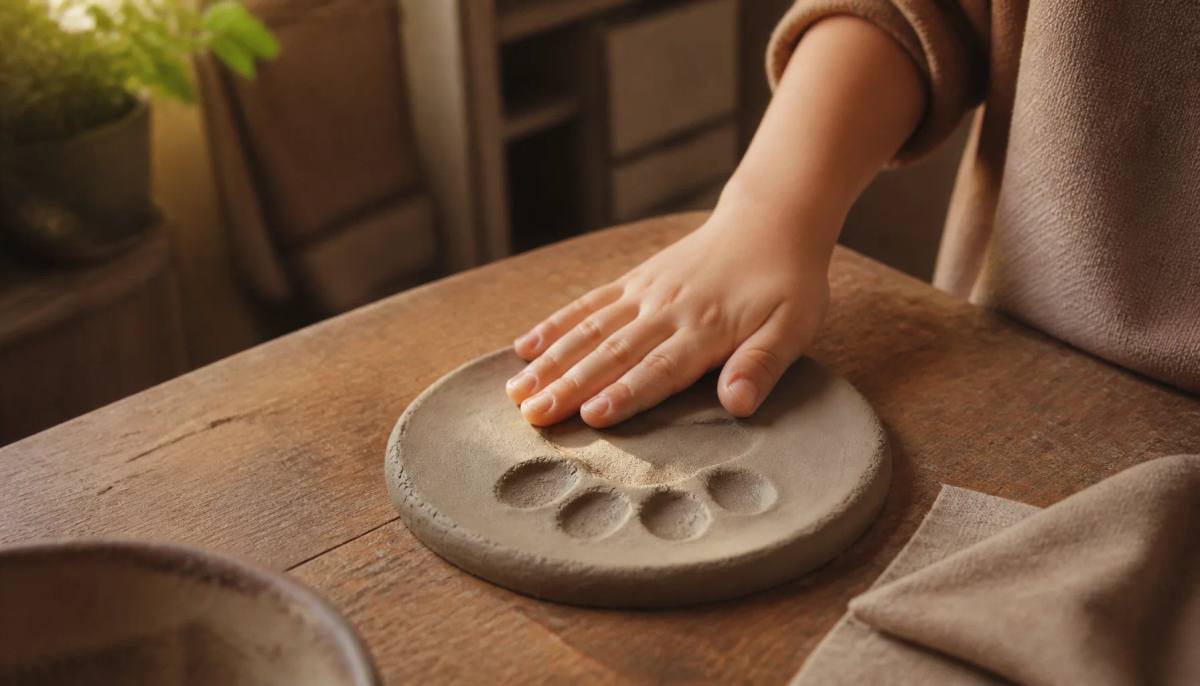
Give them ways to express it beyond words: drawing a picture of the dog, choosing a favourite photo, writing a letter or a few words, or helping make a memory box. Involving children in a small remembrance, described in our guide on ways to remember your dog, gives their grief somewhere to go and helps the whole family grieve together.
Should my child be there for the goodbye?
There is no single right answer, and it depends on the child's age, temperament, and your judgement. Some families include older children in a gentle goodbye before a planned euthanasia so they are not left wondering; others prefer to shield very young children from the moment itself. What matters is that children are told the truth afterwards and given the chance to say goodbye in a way that suits them, even if that is drawing a picture or saying a few words at home.
If a death was sudden, reassure children that it was not their fault and that the dog knew it was loved. Guilt and "magical thinking" (believing a thought or action caused the death) are common in children, and clear, warm reassurance helps dissolve them.
When should I seek extra support?
Support is available whenever a child or family needs it; there is no requirement to wait several weeks. Speak with a school counsellor or an appropriately qualified professional if sleep, school, relationships or daily functioning are affected. Seek urgent help for any immediate safety concern. Our pet-loss support guide gives Singapore contact options.
Grieving together, honestly and gently, can become one of the ways a family grows closer. Your child is learning, from you, that love is worth the loss, and that sadness can be shared.
Children do not need us to have the perfect answer. They need to know sadness is safe, and that they are not alone in it.
Common questions
- How do I tell my child our dog died?
- Use clear, simple, honest language: the dog has died, which means their body stopped working and they will not come back. Deliver it gently, with reassurance and physical comfort, and be ready for repeated questions.
- Should I use "put to sleep" to soften it?
- Better not to. Young children may take it literally and become frightened of sleep or confused about what happened. Clear words like "died" are gentler in the long run.
- Should my child be present for euthanasia?
- It depends on their age and temperament and your judgement. Some families include older children in a gentle goodbye; others shield very young ones. Either way, tell the truth afterwards and let them say goodbye in their own way.
- My child thinks it's their fault. What do I say?
- Reassure them clearly and repeatedly that nothing they did or thought caused the death. Guilt and "magical thinking" are common in children and ease with warm, consistent reassurance.
- When should I get professional help for my grieving child?
- You do not need to wait a set number of weeks. Ask a school counsellor or qualified professional for support when distress affects daily life or you are concerned. Immediate safety concerns need urgent help.
Sources
- Animal and Veterinary Service (AVS), Dealing with the death of a petavs.nparks.gov.sg
- confirmed: AVS guidance on dealing with pet death, including emotional support resources
- Singapore Counselling Centre, Pet Lossscc.sg
- 6339 5411: Singapore Counselling Centre offers pet-loss counselling including support for children and families
How we verify content Fact-checking policy How we stay free