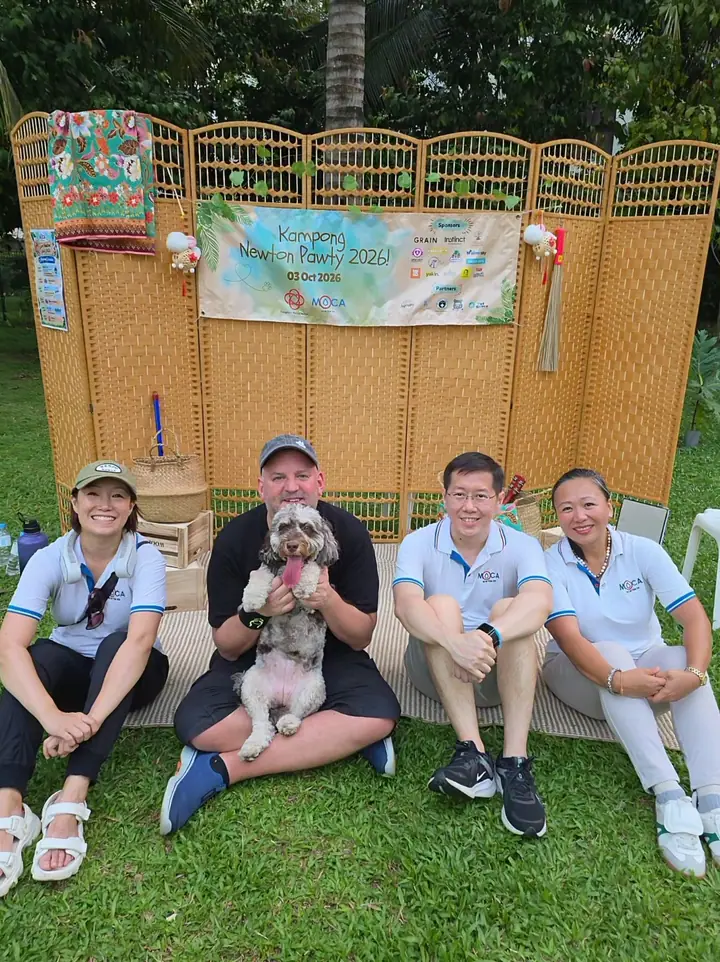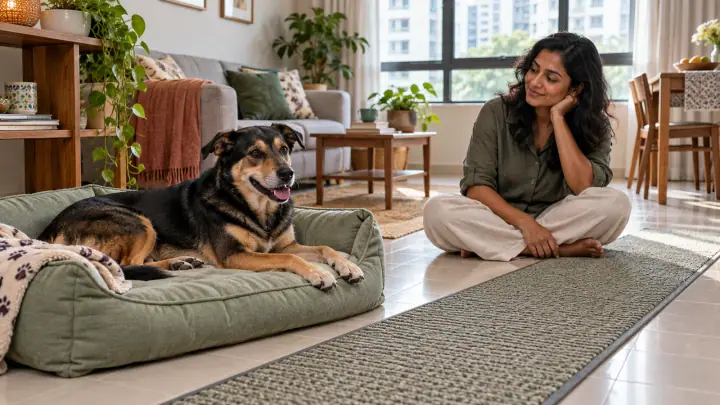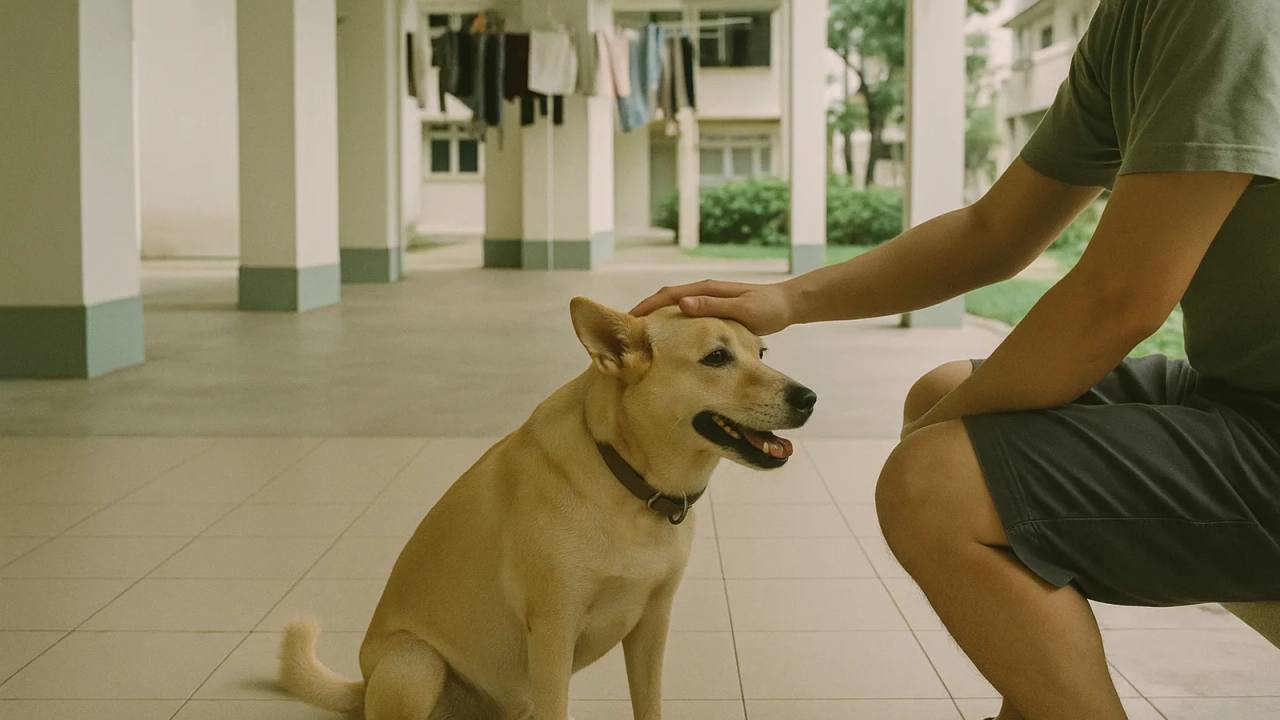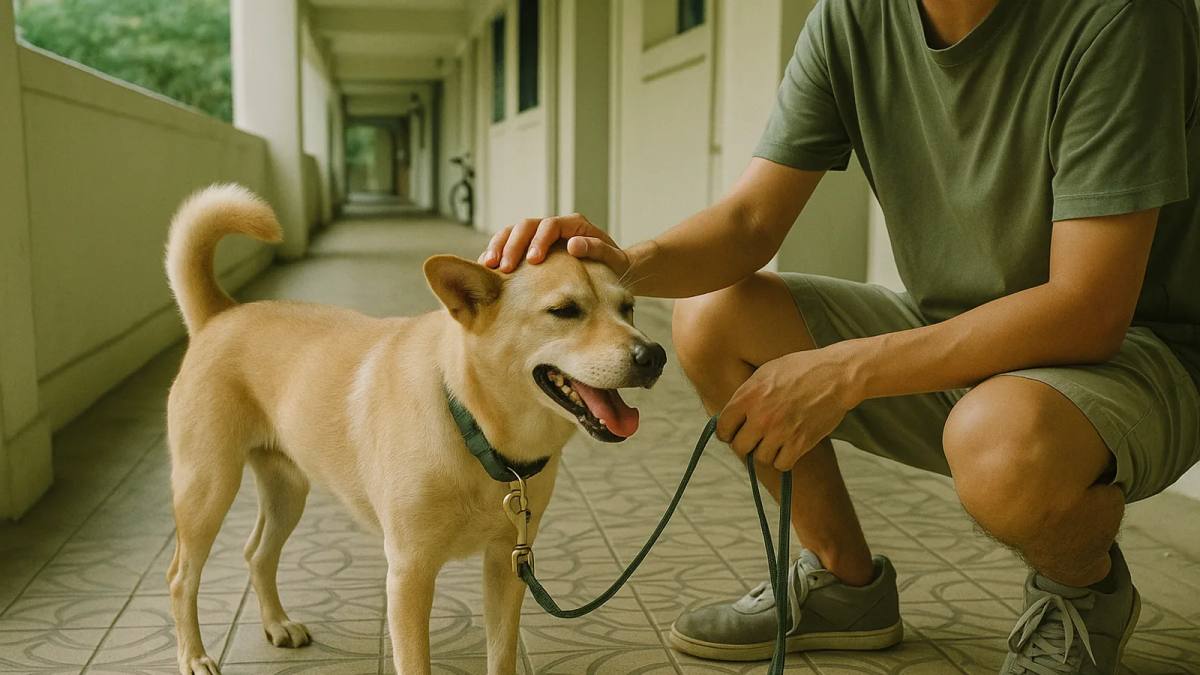

Adding a second dog to a Singapore flat is genuinely exciting, and the introduction process is where most multi-dog households succeed or stumble. HDB's one-dog rules and the realities of shared corridors and void decks shape every step. This guide focuses specifically on the dog-to-dog introduction, not the broader rescue settling-in period.
By the numbers
- 61 Named dog breeds on HDB's approved list for flats, plus any cross of two of them
- 1 Maximum number of dogs permitted per standard HDB flat
- 6 Animal welfare group partners under Project ADORE (AVS/HDB scheme)
Know Your Eligibility Before the Second Dog Arrives
Before you even think about who sniffs whom first, you need to be certain you're actually allowed a second dog where you live. Under HDB's Pet Scheme, residents in HDB flats are permitted to keep one dog, and that dog must come from the list of approved breeds maintained by the Animal and Veterinary Service (AVS). There are currently 62 approved breeds on that list, all small or small-to-medium in size. If you're in a standard HDB flat and already have one approved dog, you cannot simply bring a second dog home and hope for the best.
Project ADORE (ADOption and REhoming of dogs) changes the picture for some owners. Under this scheme, HDB residents in selected towns may keep one additional HDB-approved dog adopted from participating rescue organisations. The scheme has expanded since its pilot and is worth checking directly with AVS's guidance on owning dogs in HDB flats to confirm current participating rescues and towns. If you're in a private condominium or landed property, the number of dogs you may keep is typically governed by your strata by-laws or local planning rules rather than HDB's scheme, though AVS licensing requirements still apply to every dog kept in Singapore. Get this sorted before the new dog comes home. Returning a dog because the paperwork wasn't in order is a situation nobody wants.
Finding Neutral Ground in an HDB Neighbourhood
Animal behaviour consensus, including guidance from rescue organisations such as SOSD (Save Our Street Dogs) and SPCA Singapore, consistently recommends introducing two dogs on neutral territory first, somewhere neither dog considers their own patch. In Singapore, that's trickier than it sounds. Your void deck is territory your resident dog walks through every single day. The corridor outside your flat door is even more loaded. Your resident dog has scent-marked all of it, at least in their own mind.
The most practical neutral spaces near most HDB blocks are park connectors managed by NParks, or the open lawn areas within larger neighbourhood parks. Bishan-Ang Mo Kio Park, Bedok Reservoir Park, and the many smaller town parks scattered across Singapore's estate planning all offer enough open space to run a calm, parallel walking introduction. NParks manages over 300 parks and 400 kilometres of park connectors across the island, so there's almost always somewhere within a reasonable distance. Go at an off-peak time, early morning on a weekday if you can, to keep the environment as calm as possible. Bring a second handler so each dog has their own person holding their lead throughout.
The meeting itself should start with both dogs walking in the same direction but a comfortable distance apart, perhaps 10 to 15 metres, closing the gap gradually only when both dogs appear loose-bodied and relaxed. Do not force a face-to-face greeting straight away. A nose-to-tail sniff, briefly allowed and then interrupted before either dog stiffens, is a much better early milestone than a prolonged face-off.
Managing the Move Into a Small Flat
Once both dogs have met outside without incident, the transition into your flat is the next pressure point. Singapore HDB flats are compact by design. The average four-room HDB flat covers around 90 square metres, which means two dogs, their beds, their bowls, and their humans are sharing a space that requires careful management from day one.
Walk both dogs into the flat together rather than introducing them one at a time into a space the resident dog has already claimed. Keep leads on both dogs inside the flat for at least the first hour, held loosely rather than taut, so you have the ability to interrupt any tense interaction without grabbing collars. Let the new dog explore while the resident dog watches, and reward calm observation generously with treats.
Your corridor and shared lift lobby present a specific Singapore challenge. HDB corridors are narrow, often less than 1.5 metres wide, which means a passing neighbour's dog, a child running, or even the lift doors opening at the wrong moment can spike tension between two dogs who are still figuring each other out. For the first few weeks, manage departures and arrivals so both dogs are never jostling at the door or in the lift at the same time. Stagger their walks if you can, especially in the early days.
Resource Guarding: Food, Toys, and Space
Resource guarding is one of the most common flashpoints when a second dog joins a household, and a small flat amplifies the risk because there's nowhere for either dog to genuinely retreat. Feed both dogs in completely separate areas, ideally behind closed doors, from day one. Pick up food bowls between meals so there's nothing to guard in the first place. The same applies to high-value chews or toys: when either dog has something edible or particularly exciting, separate them.
Beds and resting spots matter too. Provide at least two designated resting areas so neither dog feels they have to defend a single spot. In a small HDB flat, this might mean a crate for one dog in the bedroom and a bed in the living area, rotating access at first if necessary. SPCA Singapore's dog care guidance emphasises providing each dog with their own safe space, and in a flat where the living room, dining area, and sleeping quarters are all within a few steps of each other, being deliberate about this takes conscious effort.
Do not leave the two dogs unsupervised together until you've seen consistently relaxed body language from both over a period of several days. A baby gate across a doorway is one of the most useful tools you can buy, allowing the dogs to see and smell each other with a physical barrier between them when you're not watching closely.
Specified and Scheduled Breeds: Leash and Muzzle Rules
If either dog is a breed specified under AVS regulations, such as the Rottweiler, Doberman Pinscher, or any of the other breeds on Singapore's Specified Breeds list, the muzzle and leash requirements that apply in public spaces shape your introduction process practically. AVS requires that specified breeds be leashed and muzzled whenever they're outside the home, which means your neutral-ground introduction walks must account for this from the start. A muzzle does not prevent a dog from communicating, but it does limit some natural greeting behaviours, so take extra care to read body language around the eyes, ears, and posture rather than relying on mouth behaviour as a signal.
Inside the home, muzzles are not legally required, but a basket muzzle worn for brief supervised sessions during the early introduction period is a sensible safety tool regardless of breed, particularly while you're still learning how the two dogs read each other. Condition both dogs to wearing a muzzle comfortably before you need to use one in a high-stakes moment.
Realistic Timelines and What Settling Actually Looks Like
Rescue and behaviour organisations commonly describe a phased settling timeline: a first few days of disorientation, a few weeks of testing boundaries, and a fuller adjustment period that can run to three months or more. For the dog-to-dog relationship specifically, most behaviourists suggest expecting several weeks before the two dogs establish a working dynamic, and in some pairings, a stable and genuinely relaxed relationship can take considerably longer.
Signs that things are moving in the right direction include both dogs choosing to rest in the same room without tension, relaxed parallel sniffing on walks, and play behaviour that both dogs willingly re-engage after a break. Signs that the pace needs slowing include stiff body posture, hard staring, growling over nothing in particular, or one dog consistently avoiding all contact with the other.
Singapore's climate adds a small but real layer of complexity. With average daily temperatures sitting around 27 to 34 degrees Celsius throughout the year according to weather.gov.sg, both dogs are managing heat on top of everything else, and a hot, uncomfortable dog has less tolerance for stress. Keep introduction sessions shorter in the middle of the day, and plan your neutral-ground walks for early morning when the temperature is genuinely manageable.
Before You Head Out the Door: Practical Steps
- Confirm your eligibility under HDB's Pet Scheme or Project ADORE before the new dog is collected, not after.
- Choose a neutral park connector or neighbourhood park for the first meeting, not your void deck or corridor.
- Bring two handlers, one per dog, for every outdoor introduction session in the early weeks.
- Feed both dogs separately behind closed doors from day one, and remove bowls between meals.
- Set up at least two distinct resting spaces inside the flat before the new dog arrives home.
- Use a baby gate to give both dogs visual access without full physical access when you're not supervising.
- If either dog is a specified breed, build muzzle conditioning into your preparation well before the first meeting.
- Expect the full settling process to take weeks to months, and measure progress in body language, not just the absence of incidents.
Common questions
- Can HDB residents legally keep two dogs?
- Standard HDB rules permit one dog per flat from the list of approved small breeds. Project ADORE, run in partnership between HDB and AVS, allows eligible residents to keep one HDB-approved breed plus one rehomed mixed breed from participating welfare groups, subject to application approval.
- Where can I find a neutral meeting spot near an HDB block?
- A quiet stretch of void deck, a park connector away from your usual walk route, or a nearby HDB precinct park all work well as relatively neutral ground. Avoid spots your resident dog visits daily, as familiarity makes that territory feel like home turf.
- How long before two dogs typically settle together?
- Animal behaviour guidance from groups such as SOSD and SPCA Singapore commonly references a three-to-four-week adjustment window for initial tolerance, with a genuine bond forming over two to three months. Every pair is different, so treat those as rough benchmarks rather than deadlines.
- Do I need to muzzle my dog during introductions?
- AVS designates certain breeds as Specified Dogs, which must be muzzled and on a leash in public at all times under the Animals and Birds Act. If either dog falls under that designation, muzzling during outdoor introduction sessions is a legal requirement, not optional.
- What are the biggest resource-guarding flashpoints in a small flat?
- Food bowls, chews, sleeping spots, and the area immediately inside the front door are the most common trigger zones. Feed dogs separately with a door or baby gate between them until both are reliably relaxed around each other.
Sources
- hdb.gov.sg
- 1: Maximum number of dogs permitted per standard HDB flat
- avs.nparks.gov.sg
- 6: Animal welfare group partners under Project ADORE
- HDBhdb.gov.sg
- 61: Named dog breeds on HDB's approved list for flats, plus any cross of two of them
Start with a quiet moment together →A small idea to try, with progress kept in your Pack.
How we verify content Fact-checking policy How we stay free