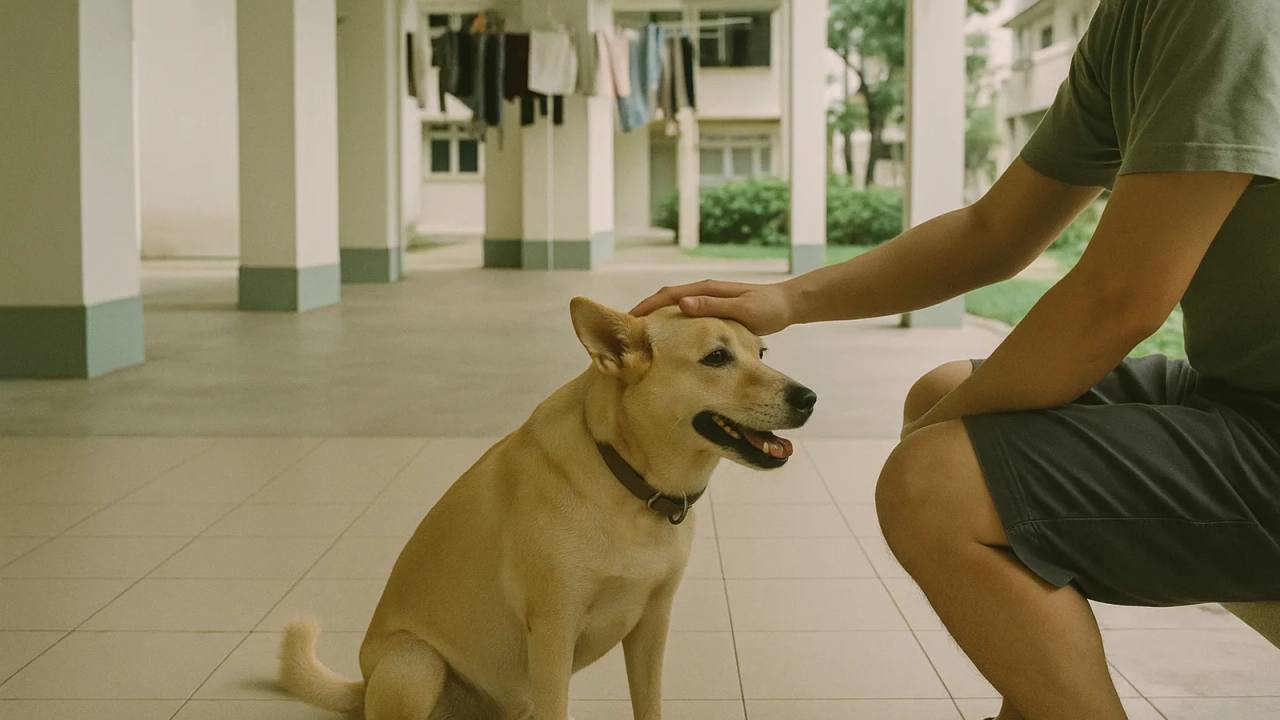

When your dog walks away from a full bowl, it is easy to wonder whether you have chosen the wrong food or done something wrong. Start by distinguishing a long-standing preference from a new loss of appetite. Refusing food can reflect illness or pain, even when a dog still accepts a favourite treat.
A new or marked change deserves a call to your veterinary team. Do not turn the meal into a test of willpower. A dog who is nauseated, uncomfortable or unable to chew needs a different response from a healthy dog receiving more snacks than the household realises.
When this is more than picky eating
Contact a vet promptly about reduced intake, especially if your dog is also less active, losing weight, drooling, vomiting or changing how they chew. A dog may want food but have difficulty taking, chewing or swallowing it. The cause cannot be established from a food preference alone.
Seek emergency care for collapse, trouble breathing, or repeated unsuccessful retching, particularly with a swollen abdomen. These can be signs of a serious emergency such as gastric dilatation-volvulus. Do not wait to see whether a different dinner helps.
VCA's urgent-care advice flags more than twelve hours without food, and any missed meal in a diabetic animal, for assessment. This is not a universal safe waiting period. Puppies, very small dogs, unwell dogs and those taking medicines linked to meals may need help sooner. If unsure, phone the clinic and explain the dog's age, conditions and actual intake.
Make the food history visible
Once urgent concerns are addressed, write down everything offered and eaten. Include training rewards, chews, table scraps, food used for medication and treats given by other people. Use the same measuring method each time and photograph the packaging. A description such as one bowl is difficult to compare if household members use different bowls.
Ask everyone to contribute without blame. In a busy household, a dog can receive several small extras that no single person knows about. Your vet can review intake alongside weight, body condition, activity and life stage before advising whether portions should change.
| Record | Useful detail |
|---|---|
| Meal | Exact food, amount offered and amount left. |
| Extras | Treats, chews, toppings and the person giving them. |
| Behaviour | Walked away, tried to chew, dropped food or seemed uncomfortable. |
| Changes | New bag, medication, visitor, routine or symptoms. |
| Follow-up | Advice received and the agreed reason to call again. |
After medical causes have been considered
For a dog assessed as healthy, a predictable feeding routine and quieter feeding space may help. Check whether another animal is crowding the bowl or whether a noisy appliance starts at mealtime. Offer an appropriate portion rather than continually refilling a bowl whose daily total is unknown.
Ask the vet whether a scheduled meal window suits this dog. Do not apply a rigid fifteen-minute removal rule or deliberately skip meals as punishment. Keep drinking water available. If the plan reduces actual intake or creates distress, report that and revise it rather than escalating the standoff.
A small change in texture or a suitable complete wet food may be worth discussing. Avoid repeatedly changing several variables at once: it becomes difficult to tell which change helped or caused a problem. Any topper should fit the nutritional plan; turning each refused meal into an increasingly rich human-food buffet can displace the balanced diet.
Check the food itself
Look at the date, package condition and storage instructions. Keep the original lot information in case a problem needs reporting. If refusal began with a new bag, tell the manufacturer and your vet what changed. Do not keep offering food that smells abnormal or appears spoiled to see whether the dog eventually accepts it.
In Singapore, choose a storage location away from heat and follow refrigeration instructions for opened wet food. Buying the largest discounted bag is not useful if it stays open longer than you can store it appropriately. Ask how quickly the particular product should be used after opening.
A diet change should answer a question
Identify what you are trying to improve: comfort when chewing, acceptance of a complete food, tolerability, or management of a diagnosed condition. Compare the actual adequacy statement and life stage, rather than relying on premium, natural or breed-specific wording.
If a prescription diet or elimination trial is involved, ask before adding flavours, treats or a different food. Bring a clear budget and describe what preparation you can realistically sustain. A plan that only works when one household member spends an hour coaxing every meal needs review.
Agree on a review point
Before leaving the clinic, ask what intake is acceptable for this dog, what changes need an earlier call and when progress will be reviewed. Save that plan with the food record. A return of appetite is encouraging, but recurring refusal or continued weight loss still deserves attention.
You are not failing your dog by asking for help. The useful outcome is comfortable, adequate eating with a routine your household understands, not winning an argument over a bowl.
Frequently asked questions
Does eating treats rule out illness?
No. A dog may still accept treats despite nausea, pain or another problem.
Should I make my dog skip meals to stop picky eating?
No. Do not use hunger as punishment. Ask for a feeding plan appropriate to the individual dog.
How long can I safely wait if my dog stops eating?
There is no universal safe waiting time. Call the clinic promptly; puppies, diabetic or unwell dogs may need help sooner.
Can I add anything I like to a prescription diet?
No. Check with your veterinary team, especially during an elimination trial.
What information helps the vet?
Bring exact food and treat details, amounts actually eaten, timing, symptoms and any recent changes.
Sources and editorial review
VCA healthy picky-eater management; VCA loss-of-appetite triage; VCA anorexia in dogs; Cornell GDV emergency signs; FDA food storage; FDA nutritional adequacy. Editorial source review: 12 September 2026. This guide supports, and does not replace, individual veterinary care.
Common questions
- Does eating treats rule out illness?
- No. A dog may still accept treats despite nausea, pain or another problem.
- Should I make my dog skip meals to stop picky eating?
- No. Do not use hunger as punishment. Ask for a feeding plan appropriate to the individual dog.
- How long can I safely wait if my dog stops eating?
- There is no universal safe waiting time. Call the clinic promptly; puppies, diabetic or unwell dogs may need help sooner.
- Can I add anything I like to a prescription diet?
- No. Check with your veterinary team, especially during an elimination trial.
- What information helps the vet?
- Bring exact food and treat details, amounts actually eaten, timing, symptoms and any recent changes.
Sources
- VCA healthy picky-eater managementvcahospitals.com
- VCA healthy picky-eater management
- VCA loss-of-appetite triagevcahospitals.com
- VCA loss-of-appetite triage
- VCA anorexia in dogsvcahospitals.com
- VCA anorexia in dogs
- Cornell GDV emergency signsvet.cornell.edu
- Cornell GDV emergency signs
- FDA food storagefda.gov
- FDA food storage
- FDA nutritional adequacyfda.gov
- FDA nutritional adequacy
How we verify content Fact-checking policy How we stay free