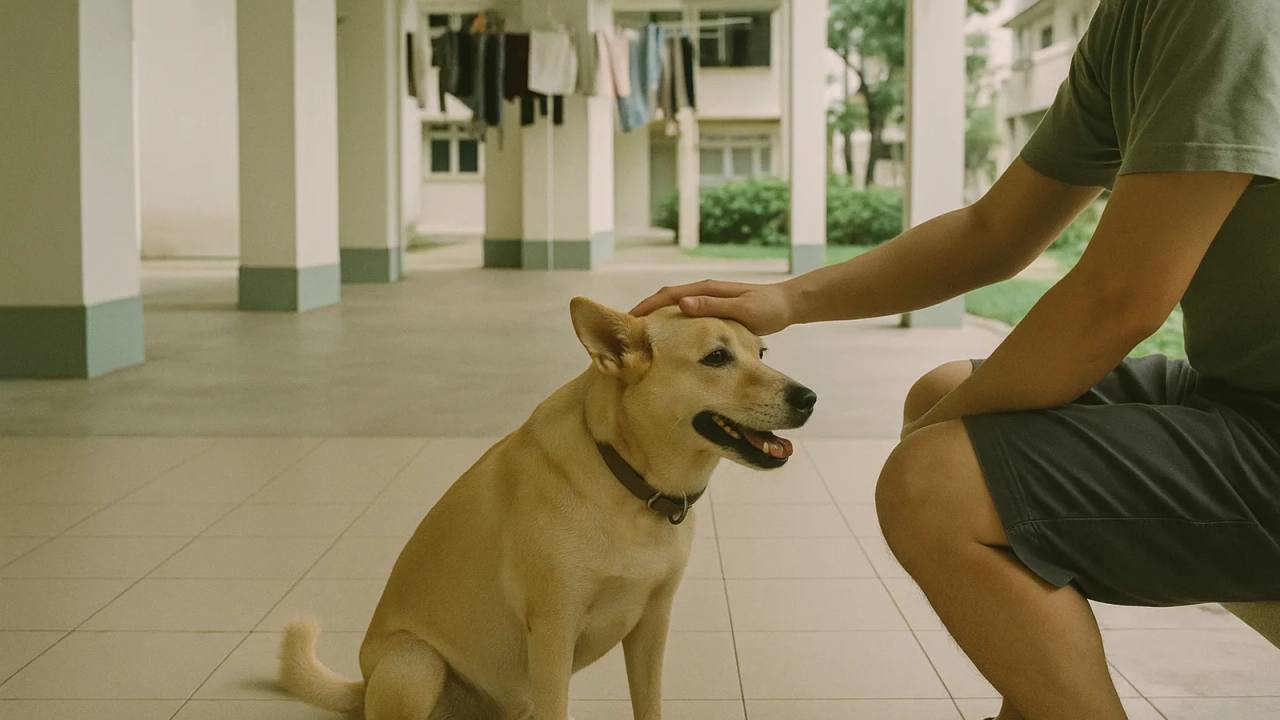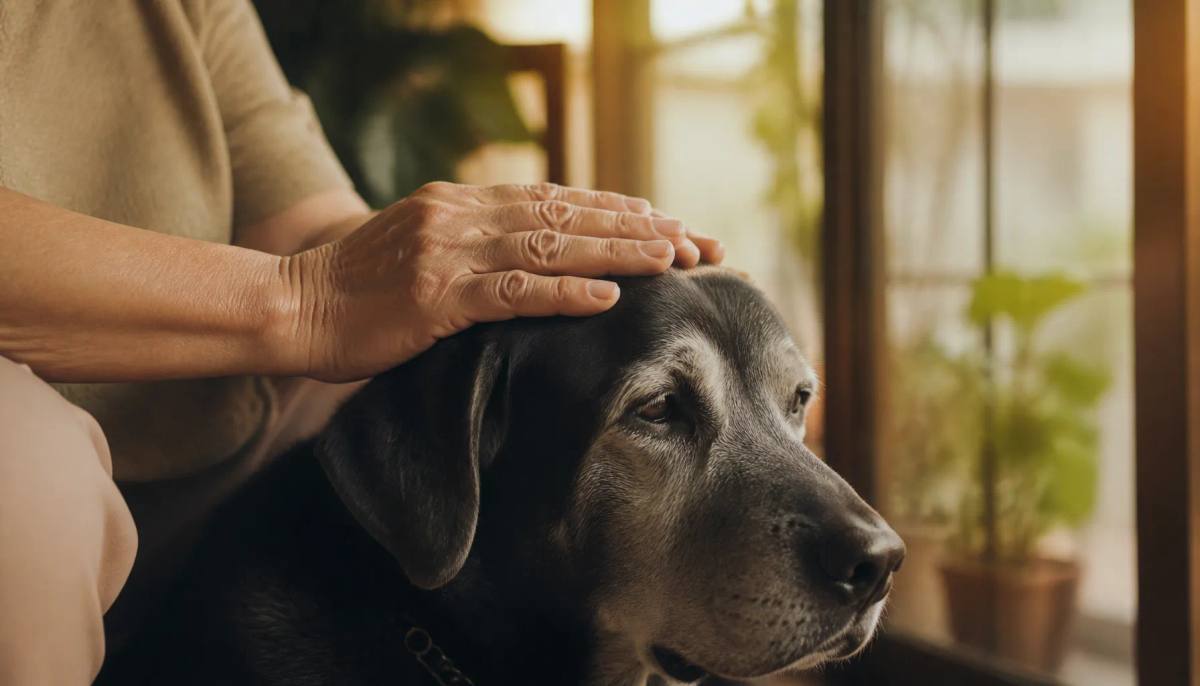

No guide can make this decision for you, and no one should. But you do not have to carry it alone or in the dark. This piece lays out how vets and owners think about quality of life, what euthanasia actually involves, and the practical options available in Singapore.
By the numbers
- 7 HHHHHMM quality-of-life domains for discussion with your vet; no total overrides urgent suffering
How do you judge a dog's quality of life?
Quality of life is not one big yes-or-no question; it is a set of smaller, honest ones asked over time. Vets often use structured scales, including the widely cited "HHHHHMM" scale that weighs Hurt, Hunger, Hydration, Hygiene, Happiness, Mobility, and More good days than bad. You do not need the formal chart to use the idea.
Ask yourself, week by week: Is your dog in pain that cannot be controlled, even with medication? Are they still eating and drinking, or refusing food they once loved? Can they get up, move, and toilet with dignity, or are they struggling and distressed? Do they still show interest in you, in greetings, in the things that used to light them up? And across a normal week, are there more good days than bad ones?
A useful, gentler exercise is to write down three to five things your dog loves, a favourite walk, a particular treat, greeting you at the door, and track how many they can still enjoy. When that list quietly empties out, it is often telling you something.
What signs suggest a dog is suffering?
Dogs are stoic and hide pain well, so the signs can be easy to explain away. Watch for a loss of appetite or refusing food and water, difficulty standing, walking, or a reluctance to move, laboured or heavy breathing, and incontinence or an inability to toilet without help. Withdrawal, hiding, restlessness, or a loss of interest in family and favourite activities can all signal that a dog is not comfortable. Persistent pain that medication no longer controls is one of the clearest indicators.
A quality-of-life diary supports a conversation with your vet; it does not make the decision for you. Severe pain, breathing difficulty or collapse needs urgent veterinary help even if other scores look reassuring. Contact your regular vet or an emergency clinic, depending on the symptoms.
What does euthanasia actually involve?
Ask your vet to explain the comfort plan and what you may see. Sedation or anaesthesia is commonly recommended, but the medicines, sequence and timing depend on the patient. The vet checks that death has occurred. You can discuss whether to stay, hold your dog or step out without guilt. See AAHA guidance. Comfort is the clinical aim; no article can guarantee an identical experience for every patient.
You can almost always choose to be present, holding your dog, or to step away, whatever you can manage. There is no wrong choice, and vets who do this work are used to supporting families through it. It is normal to want a moment alone with your dog before and after.
Clinic or home: what are the options in Singapore?
Euthanasia in Singapore is most commonly carried out at a veterinary clinic, which is well-equipped and often the fastest option in an emergency. But a growing number of housecall and mobile vets offer home euthanasia, allowing your dog to pass in a familiar, low-stress environment surrounded by the people and smells they know.
If travel is difficult, ask your vet about a home visit. Happy Vet publishes a home-euthanasia service. Discuss access, space, other animals in the home and what will happen if urgent hospital support is needed; a home visit may not be available immediately.
A practical tip many families wish they had known: it helps to think about aftercare (cremation or burial) in advance, and even to let your vet and the cremation provider coordinate directly. In the moment, families are usually too overwhelmed to arrange logistics, and planning ahead spares your dog extra movement and you extra stress. See our guide to dog cremation in Singapore for what to line up.
How do you make peace with the decision?
Guilt is almost universal, even when the decision is clearly right. Owners replay the timing endlessly: too soon, too late, a different choice. It helps to remember that choosing to end suffering is an act of love, not a failure of it. You are not choosing to lose your dog; the illness or age already did that. You are choosing to spare them a worse ending.
Lean on your vet's assessment and the pattern over time, while treating severe symptoms as urgent even on the first day. And when it is done, be gentle with yourself. The guide on coping with the loss of your dog covers what comes next, and where to find support if the grief is heavy.
The kindest gift at the end is often the absence of a bad final chapter.
Common questions
- How do I know when it's the right time to euthanise my dog?
- There is no perfect moment, but a quality-of-life assessment helps: weigh pain, appetite, hydration, hygiene, mobility, and whether good days still outnumber bad ones. When your dog can no longer enjoy the things they love and pain cannot be controlled, discuss it honestly with your vet.
- Is home euthanasia available in Singapore?
- Yes. While most euthanasia is done at clinics, several housecall and mobile vets in Singapore offer home euthanasia, letting your dog pass peacefully in familiar surroundings. Your regular vet may offer or refer this.
- Does euthanasia hurt my dog?
- Ask your vet to explain the comfort plan and what you may see. Sedation or anaesthesia is commonly recommended, but the medicines, sequence and timing depend on the patient. The vet checks that death has occurred. You can discuss whether to stay, hold your dog or step out without guilt.
- Should I be there when it happens?
- That is entirely your choice, and there is no wrong answer. Many owners find comfort in holding their dog; others find it too painful. Vets who do this work will support whatever you can manage.
- What should I arrange before the appointment?
- It helps to decide on aftercare (cremation or burial) in advance and, where possible, let your vet and cremation provider coordinate directly, so you are not making logistical decisions while grieving.
Sources
- Animal and Veterinary Service (AVS), Dealing with the death of a petavs.nparks.gov.sg
- confirmed: AVS confirms commercial cremation requirements, private burial rules, and PALS licence cancellation
How we verify content Fact-checking policy How we stay free