
Sembawang beach for dog owners: what to actually expect
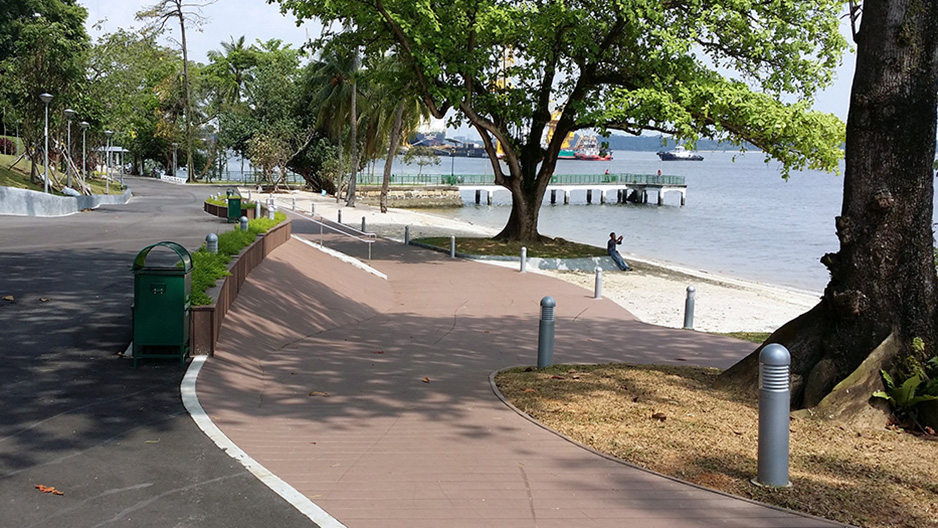
A beach outing can be a slow sniff along the shore rather than a swim or a long march. Sembawang gives you a change of scene, with park paths as an alternative when the sand, weather or activity at the water's edge does not suit your dog.
The beach and the dog run are different spaces
The official park map marks a dog run and instructs visitors to leash dogs and clean up after them. The beach is not an extension of the off-lead area. Follow current signs and closures rather than taking another owner's behaviour as permission.
At the run, check the gate and watch the dogs already inside before entering. You can choose a quiet walk instead if the space is crowded or your dog is uncomfortable. NParks dog-run guidance covers health, vaccination, supervision and responsible introductions.
Choose a manageable shoreline visit
Start with the park path and assess the shore when you arrive. Sand, debris, tide and access can change. A photograph of calm water is not evidence of safe swimming conditions. Avoid fishing lines, hooks and litter, and keep enough distance from anglers and other visitors.
For a first visit, choose a short stretch from which you can easily return. A dog who prefers the path, hesitates at the sand or wants to leave is giving you useful information. There is no need to turn a new environment into an endurance test.
Getting to the right park
NParks lists Sembawang Park as open 24 hours, with free parking at Carpark A on Sembawang Road and Carpark B on Tuah Road. Check the current visitor information and route before departing. Available spaces are not guaranteed.
Use the exact park entrance as your navigation destination. Allow for the walk between transport and the shore, especially with a senior dog or equipment to carry. If booking a ride, confirm a pet-accepting service; an ordinary booking does not itself establish permission for a dog.
Do not confuse the beach with the hot spring
Sembawang Hot Spring Park is along Gambas Avenue, with separate opening hours and no on-site carpark. Its visitor page describes human foot-bath and hot-water facilities. It is not a dog bathing stop or a short extension inside the beach park.
Plan a visit there separately and check its current rules. Do not take the earlier version of this guide as permission to bring a dog into the hot-water facilities.
Bring the essentials and leave room to turn back
- Water and bowl: carry your own supply instead of relying on an unverified tap along the route.
- Lead, harness and waste bags: keep control around other dogs, children, cyclists and wildlife.
- Towel and return plan: a sandy dog still needs a comfortable way home.
- Weather check: choose cooler conditions, shorten the outing when needed, and follow lightning or closure warnings.
Shade and an early start are not guarantees against overheating. Watch your dog's comfort throughout the walk. Read our heatstroke first-aid guide before an emergency, and keep your vet's contact details accessible.
Make it an outing, not a timetable
Begin with a short on-lead wander, pause somewhere comfortable, then decide whether the dog run or a little more walking adds anything. You do not need to meet a distance target for the outing to be worthwhile.
For an onward journey, use the official park-connector map and account for crossings, weather and the return leg. Our Yishun guide explains the separate park and reservoir destinations; they are not a single short beach loop.