
Yishun Park for dog owners: the full walk guide
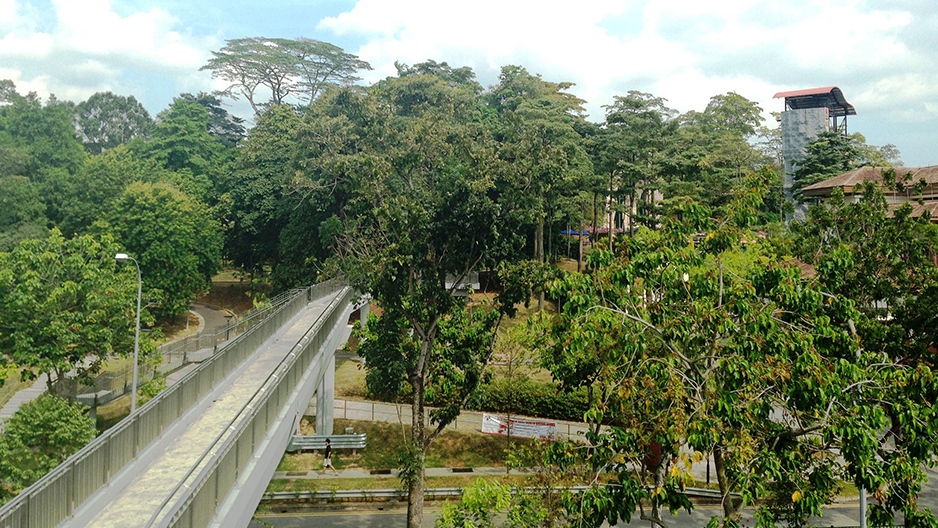
Trees and neighbourhood paths, or a view across the reservoir? Both can make a pleasant outing, but they are not the same place. Plan the walk around the park you actually want to visit and the amount of walking your dog enjoys.
Yishun Park: the inland option
NParks describes Yishun Park as a 13.9-hectare park developed on a former rubber estate, with fruit trees, natural vegetation and an arboretum. It is open 24 hours. There is no carpark inside: NParks directs visitors to SAFRA Yishun or nearby housing-block parking.
For a first visit, choose a short route from your entrance and keep track of the way back. Paths through the park give you opportunities to pause without committing to a long connector journey. Respect restricted areas and avoid chasing or approaching wildlife.
Lower Seletar Reservoir Park: the waterside option
Lower Seletar Reservoir Park is a separate 4.3-hectare park, open 24 hours. NParks lists a free carpark along Yishun Avenue 1 and Khatib as the nearby MRT station. Its location should not be labelled “Yishun Park carpark”.
Choose an accessible waterside stretch and return the same way if that is easiest. This guide does not establish a continuous 2.8 km circuit around the reservoir. Do not follow that old distance or assume every bank is a public dog-walking path.
Keep your dog on the permitted path and away from the reservoir edge and water-play facilities. Follow the site's current signs. A leisure activity advertised for people is not confirmation that dogs may join it.
Understand the connector links
The official Khatib Bongsu Park Connector page describes a 4.5 km connector starting at Yishun Avenues 1 and 2, passing Khatib MRT and turning towards Yishun Park before following Sungei Khatib Bongsu. That is the connector's listed length, not the distance of every outing using part of it.
The Yishun Park Connector is listed as 3 km, from Yishun Central along Avenue 2 to Canberra Link. It connects into the wider northern network. These official routes do not establish the earlier guide's claimed short direct link to the Rail Corridor.
Map the exact start, end and return route before adding distance. Include road crossings and the walk to transport. An out-and-back journey doubles the outward section, and a tired dog still has to get home.
Keep the walk comfortable
Choose cooler conditions and carry water, a bowl and waste bags. There is no verified chain of dog drinking-water points in this guide, so do not set off depending on them. Check the weather and shorten the route if the sun, humidity or your dog's response makes the plan uncomfortable.
Let a new dog explore a small section first. For an older dog, a brief familiar path with several pauses may be more useful than a long circuit. Ask your vet about exercise limits if your dog has a health condition. Our heatstroke guide explains urgent warning signs and first aid.
Shared paths and dog etiquette
Keep the lead on outside designated off-lead areas, allow room for other users and ask before approaching another dog. Dogs are permitted in many parks, but not every park or nature trail. Check NParks' dog access and etiquette guidance when extending your route.
You do not need a busy social walk for your dog to benefit. A little distance from other dogs and a predictable return route can make the outing easier for a shy or easily excited companion.
Before leaving home
- Destination: check whether you mean Yishun Park or Lower Seletar Reservoir Park.
- Transport: use the correct entrance and confirm pet acceptance if arranging a ride.
- Facilities: check current maps and signs rather than relying on old claims about taps, cafés or guaranteed parking spaces.
- Distance: choose a route you can shorten, with enough energy and water for the return.
For a separate shore outing, see our Sembawang beach guide. For ownership requirements, use the HDB dog guide rather than assuming the dogs you see in an estate establish what is permitted.