
Best dog trainers for reactivity in Singapore
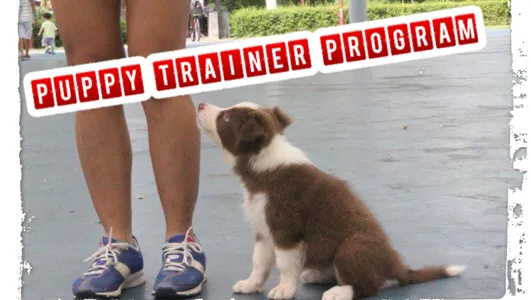
A reactive dog is not a bad dog. The lunging, barking and spinning at the end of the lead when another dog appears is fear or frustration boiling over, not defiance, and it is one of the most common and most stressful things city owners deal with. In Singapore's dense estates, where you cannot avoid passing other dogs in narrow corridors and lift lobbies, reactivity can make every walk a battle. The good news is that it responds well to the right help. The trainers listed here work with reactive dogs, and the ones worth trusting use behaviour-based, reward-driven methods that lower your dog's stress rather than suppress the symptoms. Below you will find how reactivity actually works, why harsh methods backfire, and what to look for in someone you trust with a dog that is already on edge.
- 17 trainers and schools
- 5 regions covered
- 11 positive-reinforcement
- 7 training schools
- 14 with listed certifications
- 4.9 average Google rating
What makes a good reactivity trainer
For reactivity, method is not a preference, it is the whole game. Reactivity is an emotional response, and you cannot punish an emotion away. Aversive tools like prong collars or shock can stop the barking in the moment while making the underlying fear worse, which is how a reactive dog becomes an aggressive one. The trainers worth your time use desensitisation and counter-conditioning: changing how your dog feels about the trigger, gradually, below the threshold where it panics. Look for language like force-free, Fear Free, and LIMA, which stands for least intrusive, minimally aversive.
Behaviour credentials matter more here than for any other kind of training. Reactivity sits at the line between training and behaviour modification, and the people best equipped for it tend to hold qualifications from bodies like the International Association of Animal Behaviour Consultants or the Certification Council for Professional Dog Trainers. These signal real study of canine emotion and learning, not just obedience drilling. The certification chips on each listing help you find the behaviour-led trainers among the generalists.
Then judge the approach. A good reactivity trainer starts by understanding your specific dog's triggers and threshold, works at a distance where your dog can stay calm, and builds from there in small steps. They will coach you on management, reading your dog's early stress signals, and avoiding the flooding that sets training back. Beware anyone who promises a fast fix or wants to "correct" the reaction; reactivity work is patient work, and the honest trainers say so.
Dog trainers in Singapore

APawz Dogsports & Canine Talents Academy
APawz is listed by AVS under trainer Jazz Ng. Current class venue, programme availability, facilities and handling methods need direct confirmation before booking.
Dog Obedience Training Using Pain free Methods
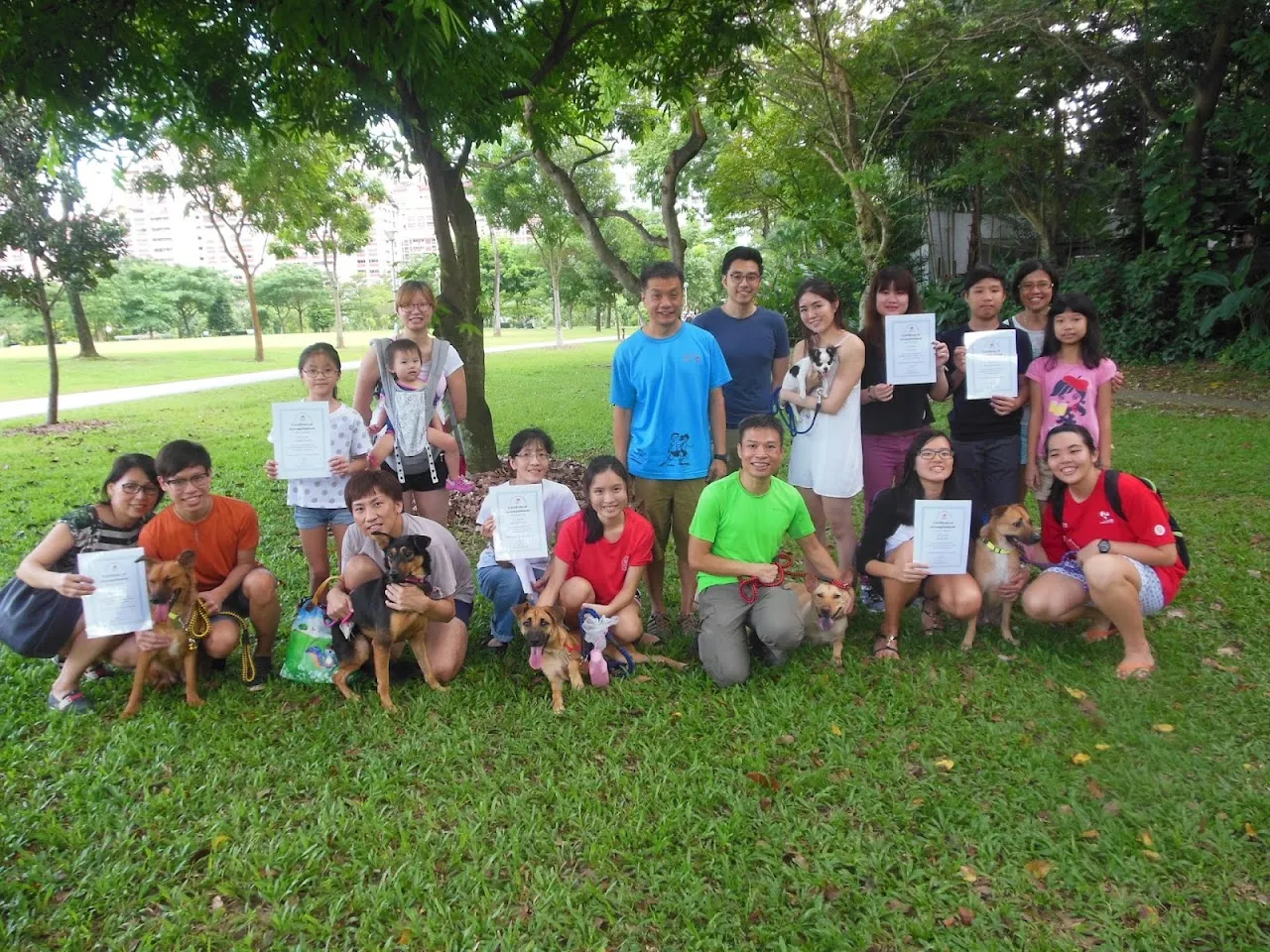
Dog Listener Consultancy offers classes and home consultations with Ricky Yeo. Ask about the specific methods and equipment used; the provider describes both reinforcement and corrections.
Happy-Dog Training
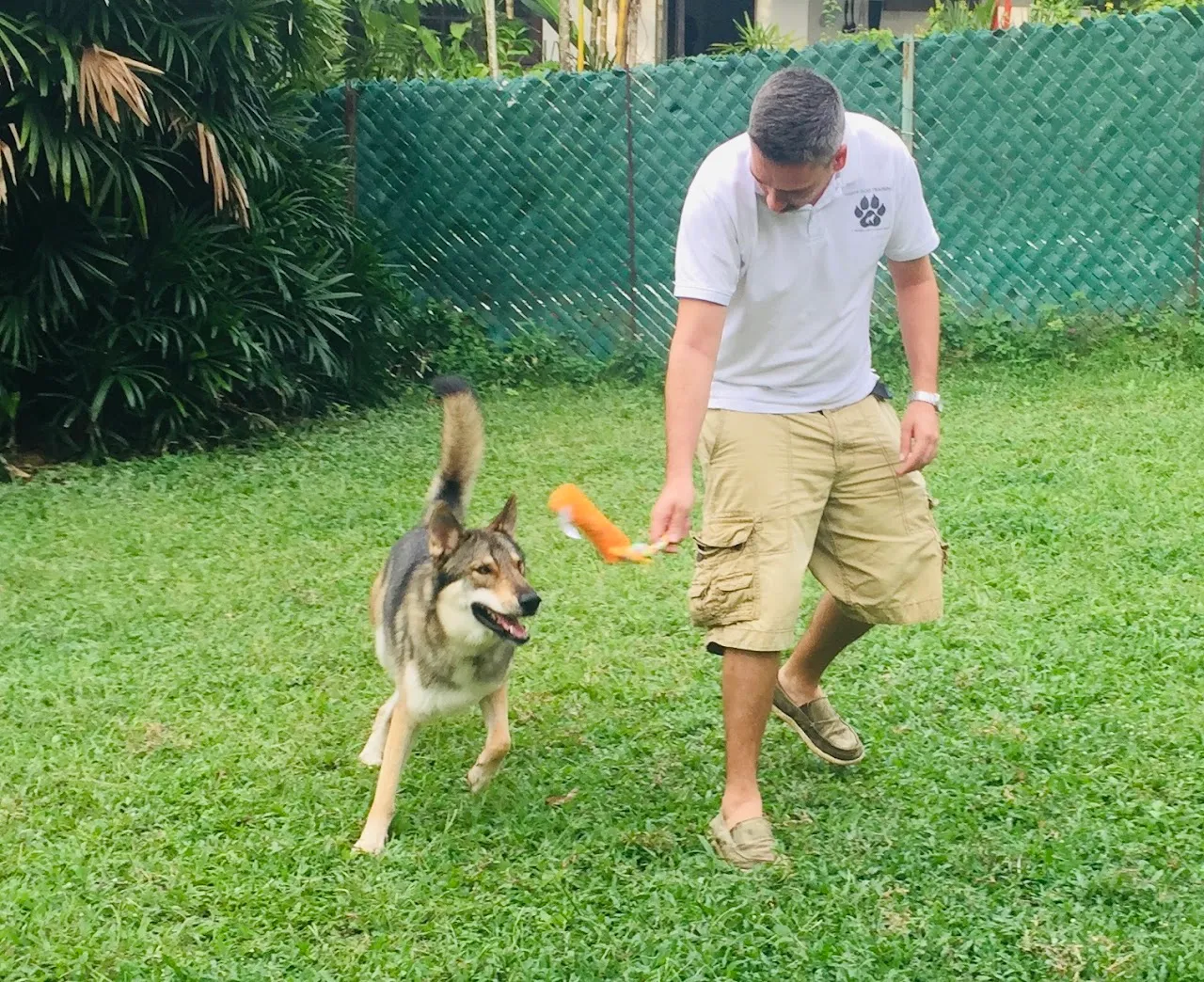
Happy-Dog Training offers puppy classes, private obedience, behaviour consultations and nosework. Its founder Mark reports CPDT-KA and AVS accreditation; confirm your course format and instructor.
Starrelito K9 Training
Structured dog agility training by booking, including classes for beginners.
Sunny Chong Dog Training School
Sunny Chong Dog Training School remains listed for direct enquiry. Current programmes, qualifications, training methods and venue details need confirmation with the provider.
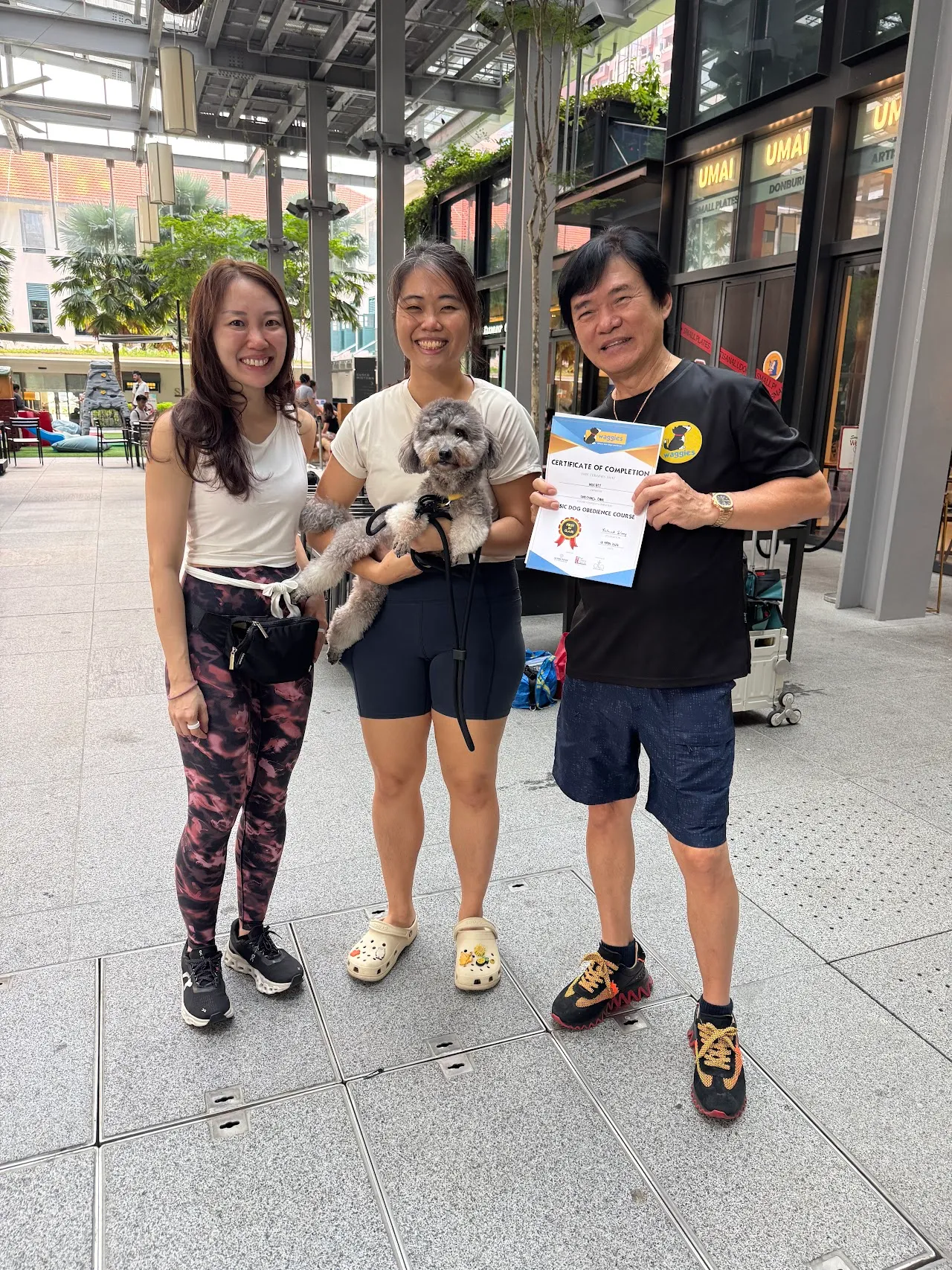
Waggie Dog School - Best Dog Obedience Training In Singapore
Waggie offers group obedience and private training. Ask which instructor will teach your dog and request their methods, equipment and current course terms before booking.
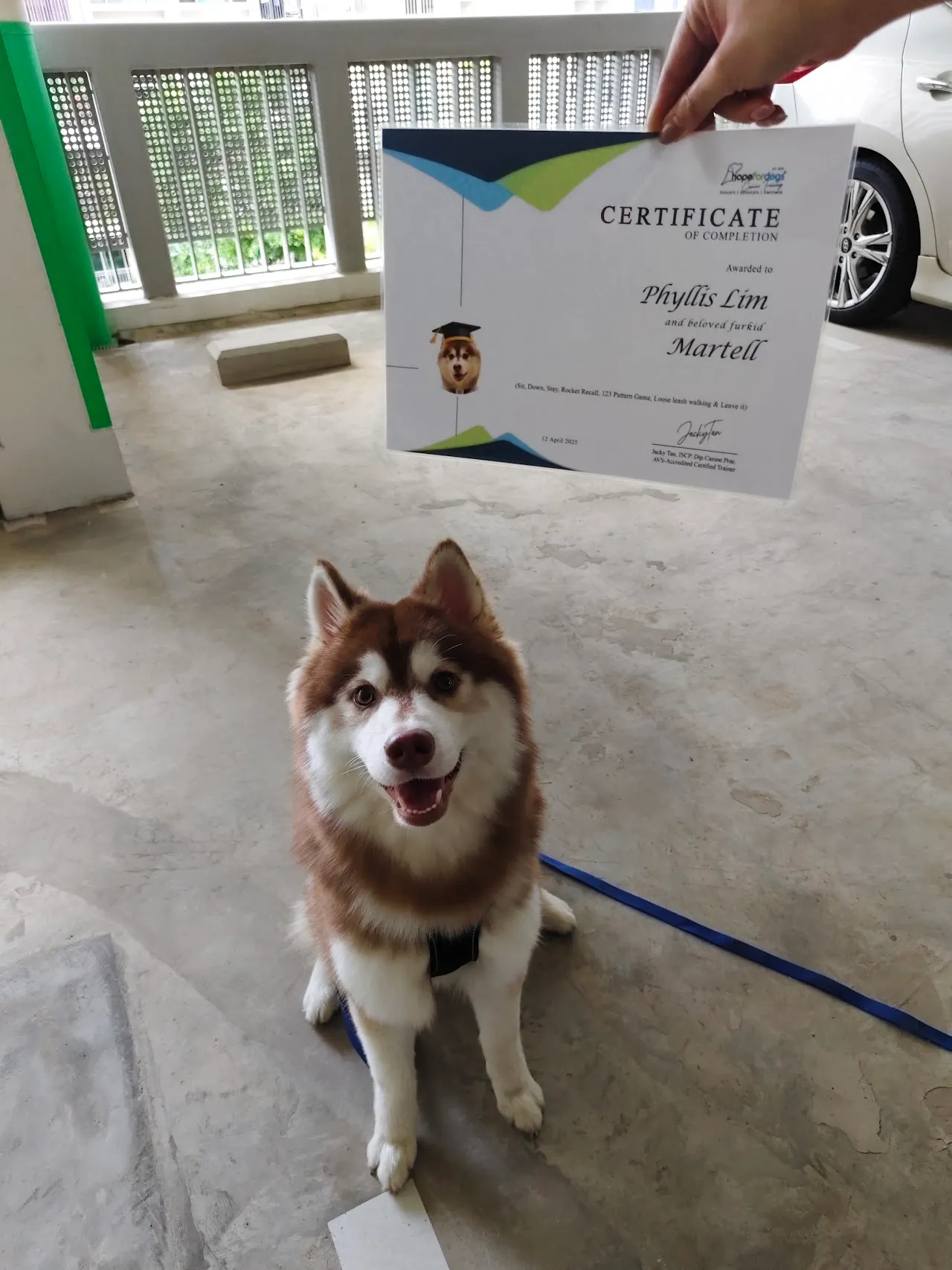
Hopefordogs Canine Training
Hopefordogs offers puppy foundations, basic manners and behaviour-modification support using provider-stated reward-based methods. A canine assessment can help determine the appropriate programme.
K9 Kampong Dog Training
K9 Kampong offers private puppy, obedience, loose-leash and behaviour-modification programmes. Confirm the instructor and programme suited to your dog before booking.
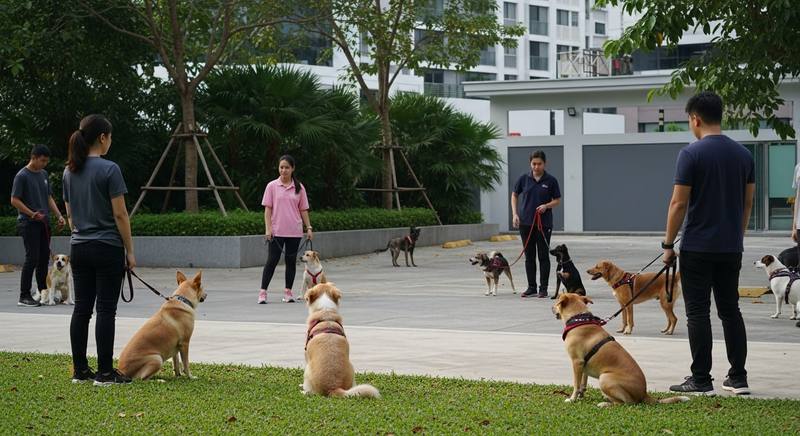
Mutt Matters
Mutt Matters offers individual coaching and behaviour-modification programmes with Anna Koo. Its website lists assessed qualifications and several formats, including owner coaching and day training.
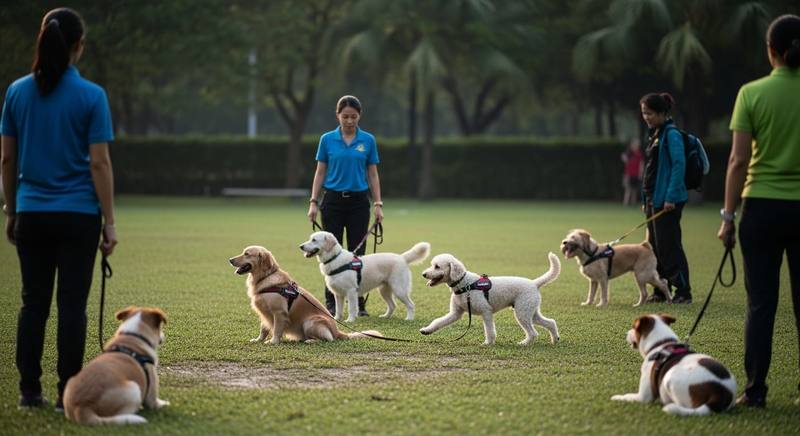
Noble Canine
Noble Canine offers welfare-focused training and care, with force-free handling described on its website. Confirm the named trainer, programme and suitability for your dog before booking.
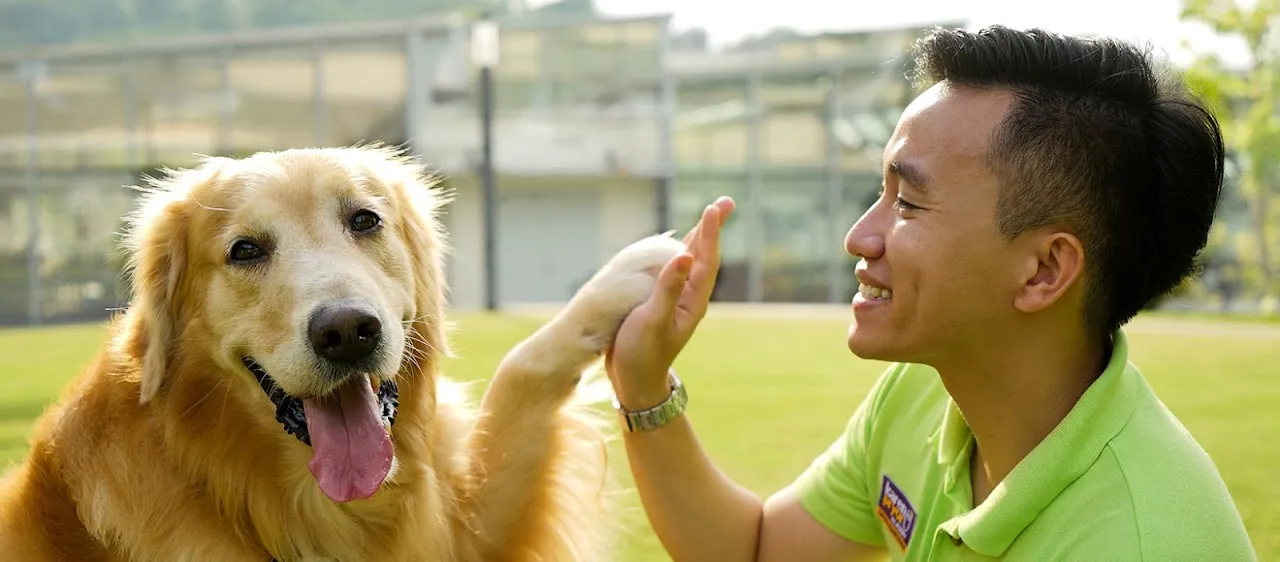
Pawrus Animal Behaviour Clinic
Pawrus offers behaviour and training support. Its published biographies distinguish Kevin Yeo’s behaviour qualifications from Jasline Aiw’s grooming role; confirm the practitioner and current appointment arrangements.
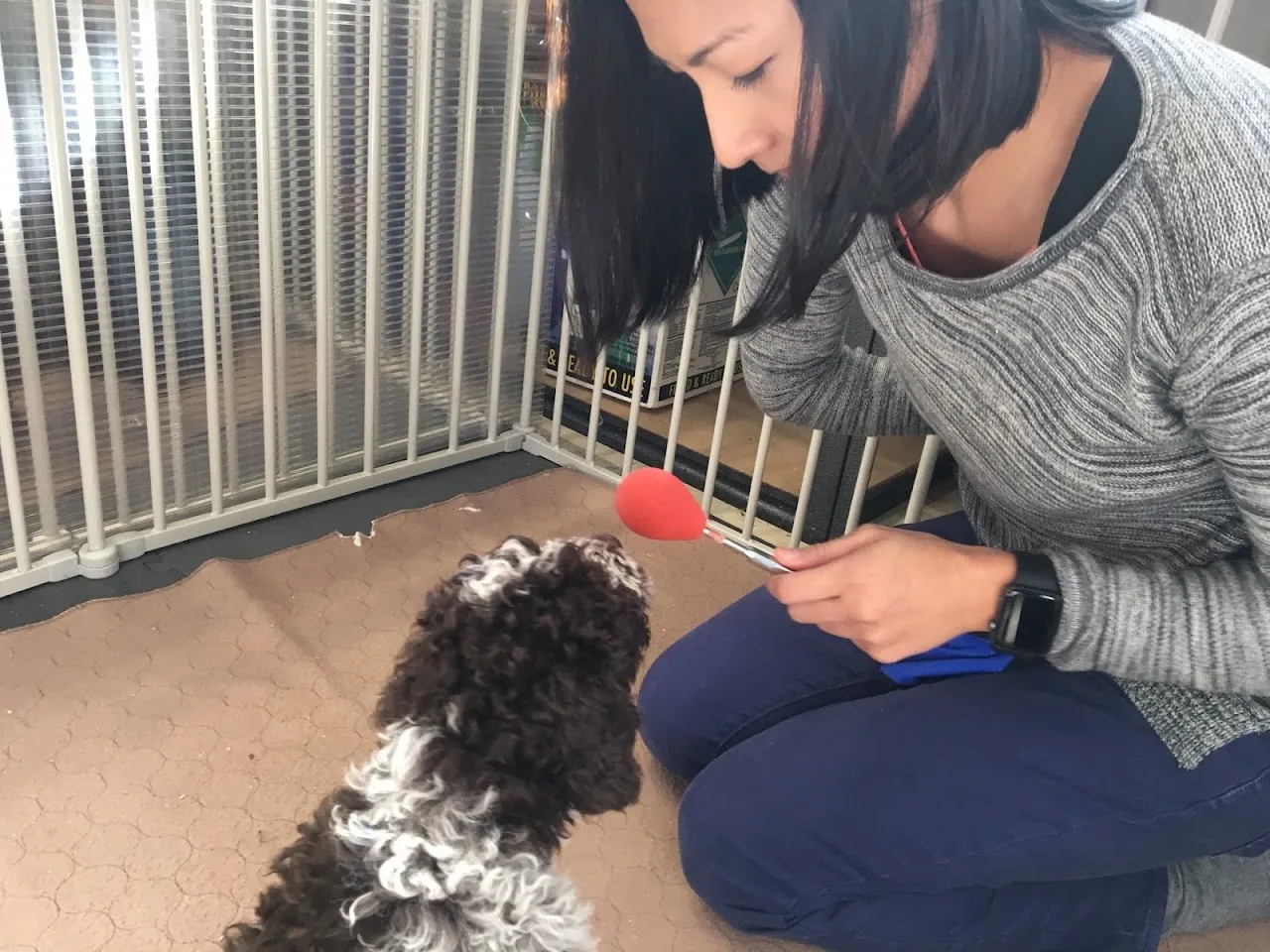
Paws In The City SG Dog Training
Paws In The City offers private in-home training and consultations with Theresa, whose website describes positive reinforcement without force, intimidation, shock or physical corrections.
Pawsitive Furkids Dog Training School
Pawsitive Furkids offers puppy, obedience, trick and nosework training. Its trainers describe a positive-reinforcement approach; confirm the instructor and class format before booking.
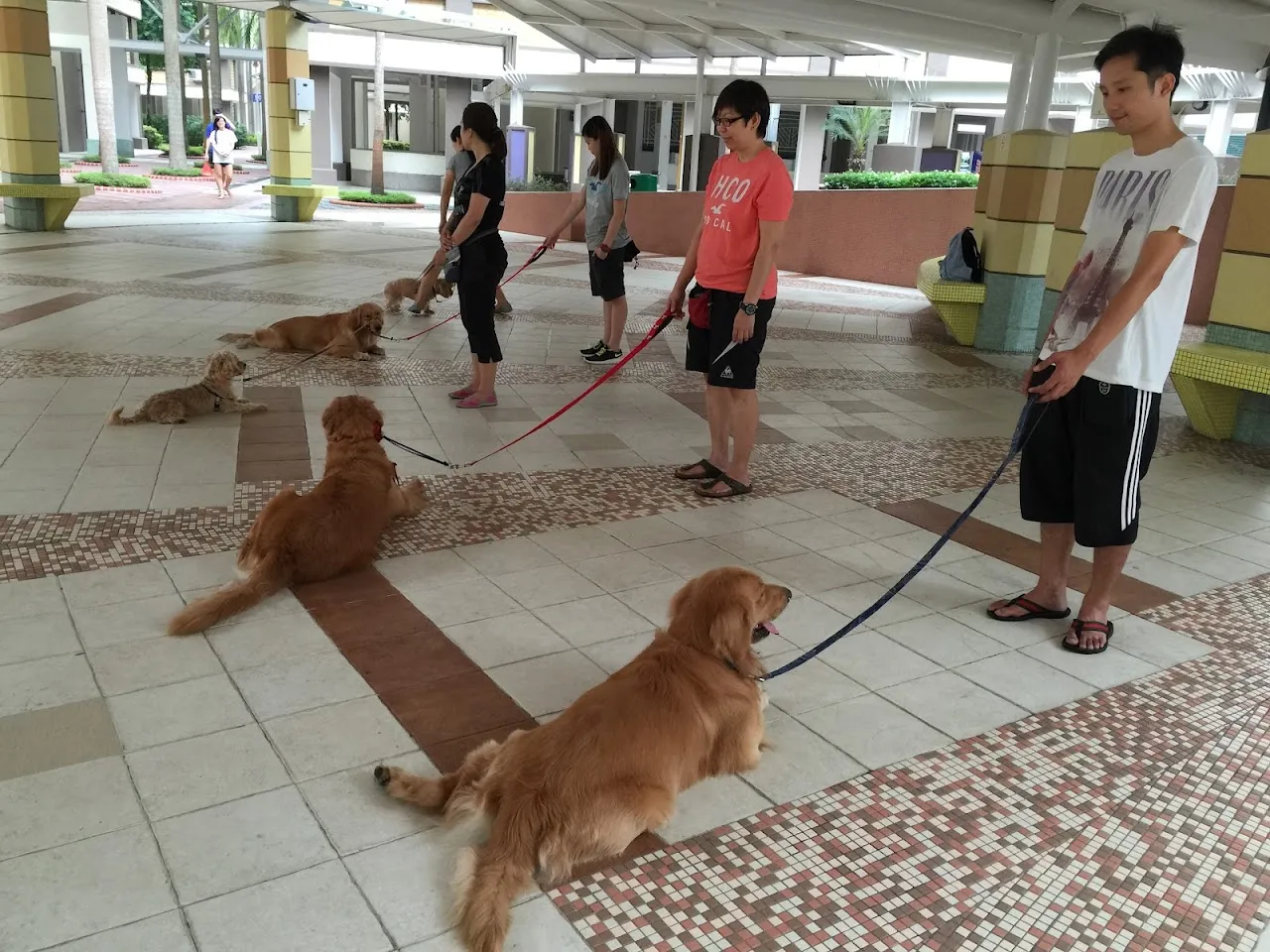
Perfect K9
Perfect K9 offers dog training and publishes trainer qualifications. Ask for the named practitioner and a practical training plan; its separate reiki and animal-communication services are not veterinary care.
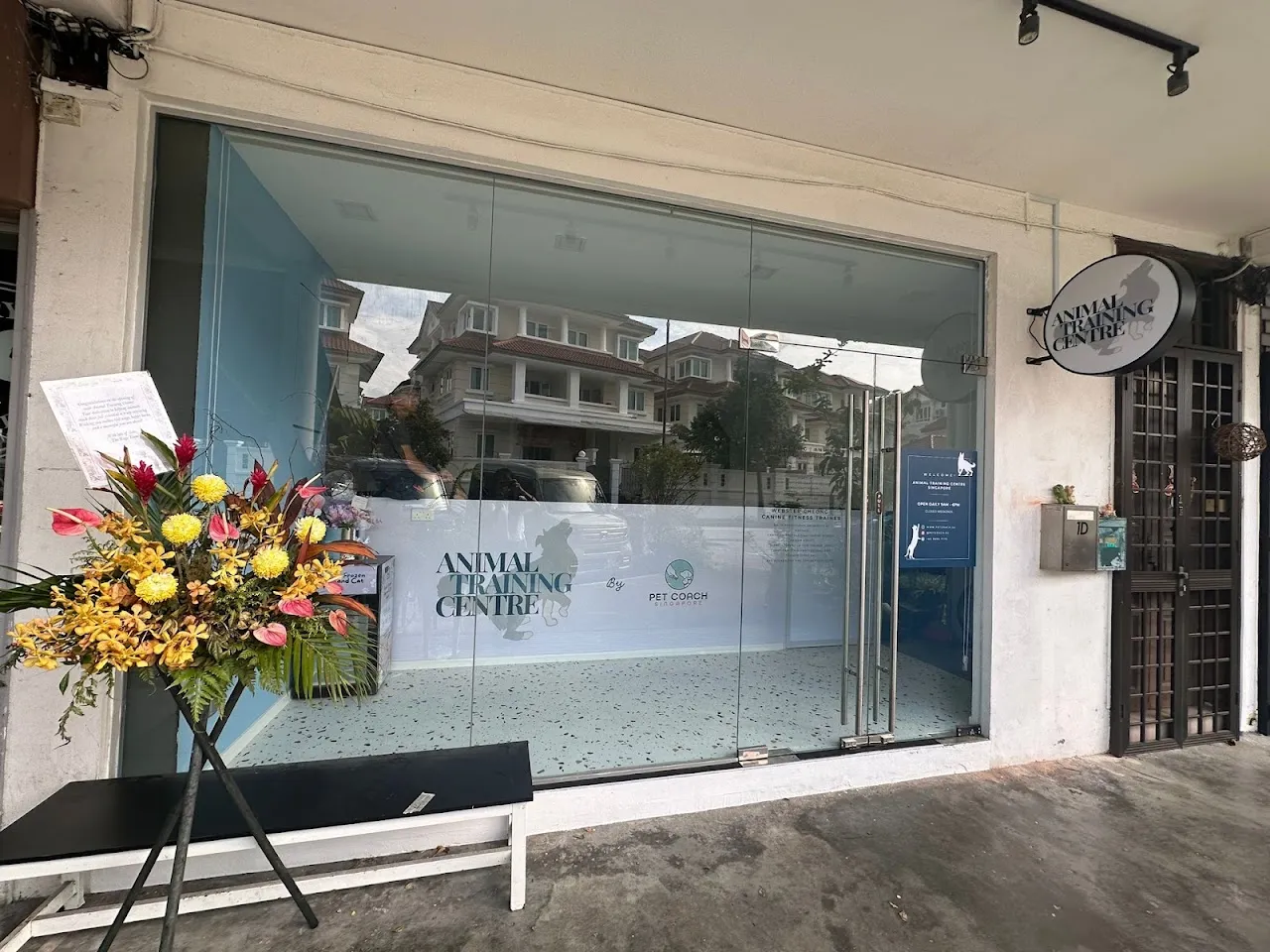
Pet Coach SG | Animal Training Centre
Pet Coach SG offers puppy, obedience, fitness and behaviour programmes. Its founders publish individual qualifications; confirm the practitioner, assessment and plan suited to your dog.
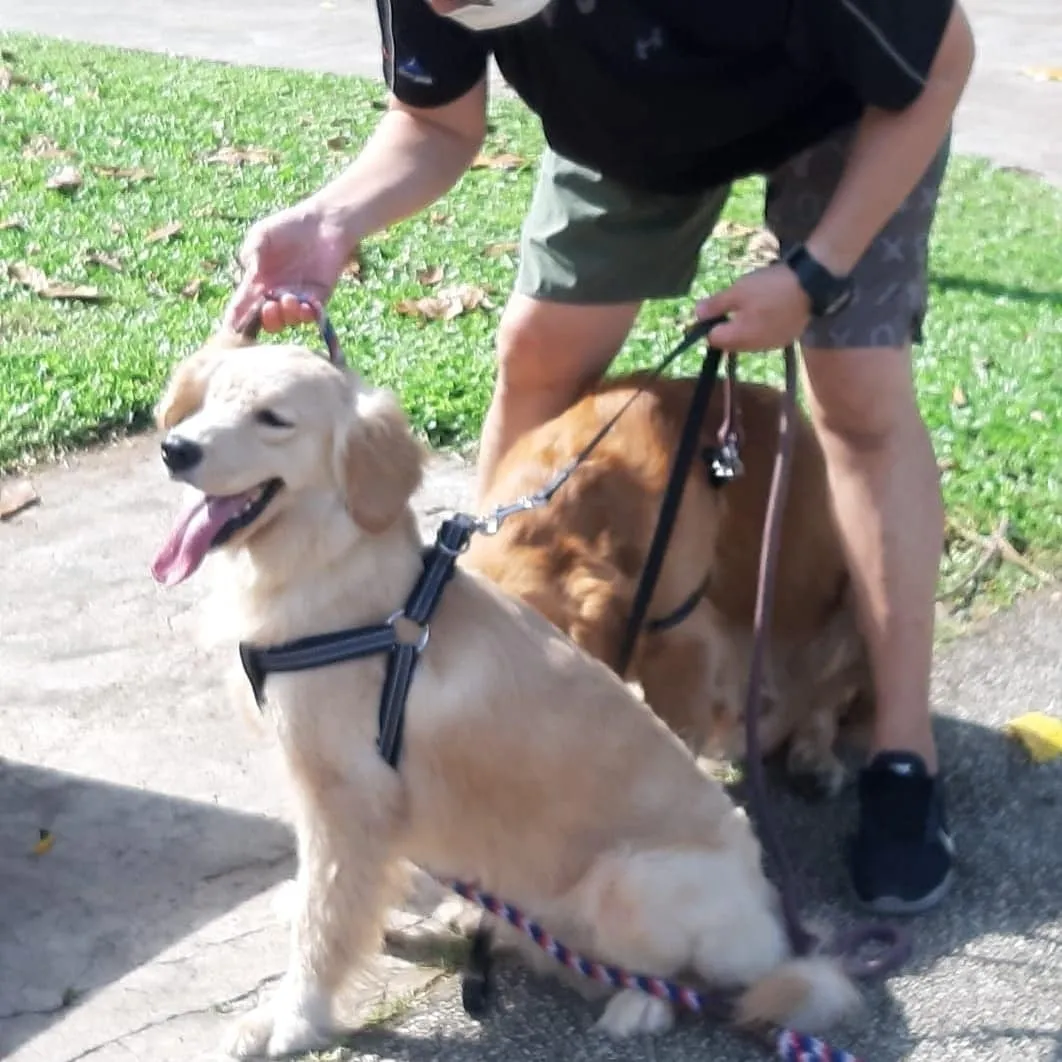
PUPS Dog Training
PUPS Dog Training offers puppy foundations using positive reinforcement. Its website explicitly rules out punishment and aversive methods; ask about the format, location and current intake.
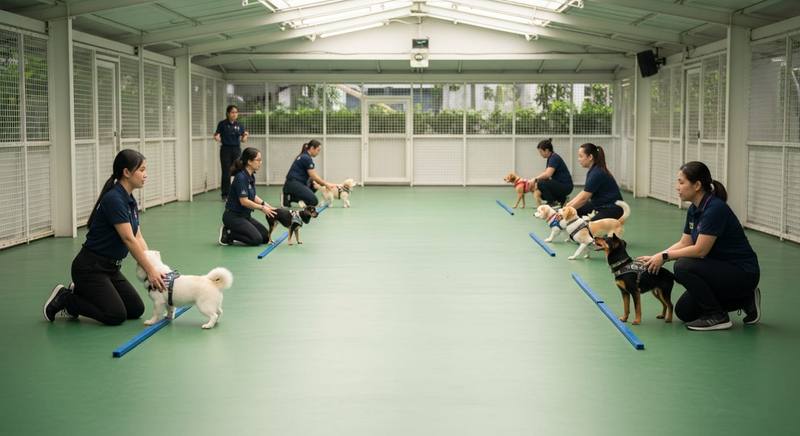
Wigglebutts Academy
Wigglebutts Academy offers dayschool, private consultations, puppy training and reactive-dog support. Its website describes force-free methods and provider-reported KPA CTP and Fear Free credentials.
Things to know about a reactive dog in Singapore
The environment here makes reactivity harder to manage and more important to address. You cannot cross a wide road to make space in a narrow HDB corridor, and the lift is a small box you may have to share with another dog. That density means a reactive dog gets triggered more often, and every uncontrolled reaction rehearses the behaviour and makes it stickier. Management, choosing quieter walk times and routes while you train, is part of the work, not a failure.
Heat compounds it. A dog that is already hot and uncomfortable has a shorter fuse, and the Meteorological Service Singapore regularly logs afternoons that push a stressed dog over the edge faster. Walking in the cooler hours, when there is more space and your dog is more comfortable, gives training a better chance. Carry high-value treats to pair with the sight of triggers at a safe distance.
Rule out pain before you blame the temperament. Reactivity sometimes has a medical root: a dog in discomfort is quicker to snap, and conditions you cannot see can lower the threshold. A vet check is a sensible first step, and a good behaviour trainer will often suggest one. Reactivity work takes weeks to months, not days, so choose a trainer you can work with over time, and lean on management and patience in between. The payoff, a dog that can walk past another without unravelling, is worth the long road.
Frequently asked questions
Why is my dog reactive on the lead?
Lead reactivity is usually fear or frustration: the dog wants distance from a trigger, or wants to greet but cannot, and the lead removes its options. The big display is an attempt to make the scary thing go away. It is an emotional response, not dominance or defiance, which is why it responds to changing the emotion rather than punishing the behaviour.
Can a reactive dog be fixed?
Most reactive dogs improve a great deal with the right, humane training, though "managed well" is a more honest goal than "cured." Through desensitisation and counter-conditioning, many dogs learn to stay calm around former triggers. It takes patience over weeks to months, and ongoing management, but the change in quality of life for both of you is significant.
Are prong collars or shock collars good for reactivity?
No. Aversive tools can stop the outburst in the moment while making the underlying fear worse, which risks turning reactivity into aggression. Behaviour professionals strongly advise against them for reactive dogs. Effective, lasting work uses reward-based desensitisation and counter-conditioning that lowers your dog's stress rather than suppressing the signal.
What should I look for in a reactivity trainer?
Force-free or LIMA methods, behaviour-focused credentials such as IAABC or CCPDT, and an approach built on understanding your dog's triggers and threshold. Avoid anyone promising a quick fix or talking about corrections. The right trainer coaches you on management and reading your dog, not just drilling commands.
Should I see a vet about my reactive dog?
It is worth ruling out pain or a medical issue, because discomfort can lower a dog's threshold and make it quicker to react. A vet check is a sensible early step, and many good behaviour trainers recommend one before or alongside training. Treating an underlying problem can make the behaviour work far more effective.
How do I manage reactivity while I train?
Walk at quieter times and on routes with more space, keep distance from triggers so your dog stays under threshold, and carry high-value treats to build a positive association. Avoid situations that force a reaction, like a crowded lift, while you work. Management is not giving up; it stops your dog rehearsing the behaviour.
How long does reactivity training take?
Expect weeks to months rather than days. Reactivity is an emotional pattern, and rewiring it takes consistent, gradual work below your dog's panic threshold. Progress is rarely a straight line, with good weeks and setbacks. Choose a trainer you can work with over time and keep up the management and practice in between sessions.