



Start with the permitted route
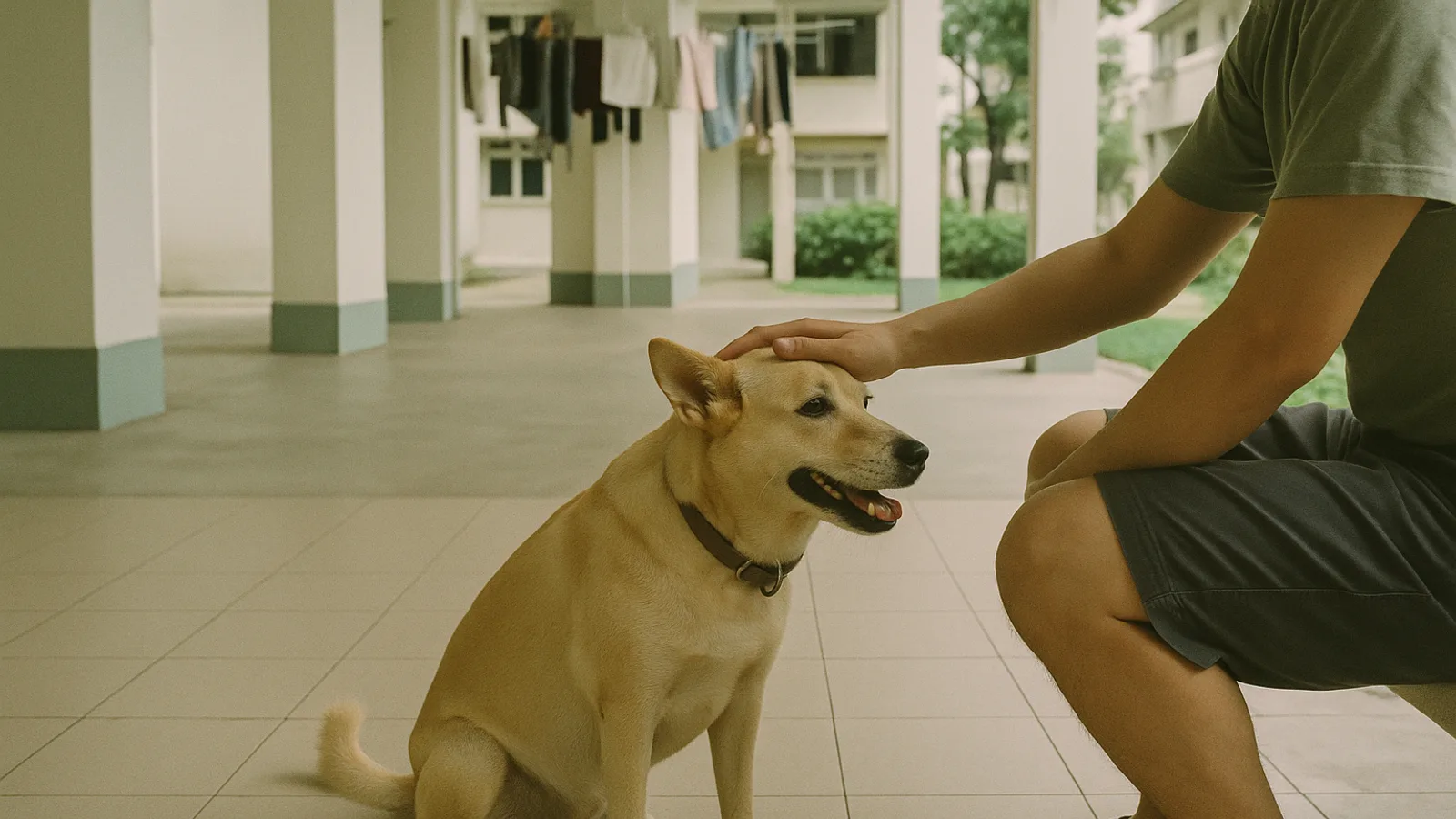
NParks permits dogs in most parks and park connectors, with important exceptions. Its dog-access guidance identifies nature reserves, nature-park networks, named trails and parts of the Botanic Gardens where dogs are excluded. Check the individual park map and current signs. A nearby permitted path does not open an excluded trail.
Read the exceptions before setting off
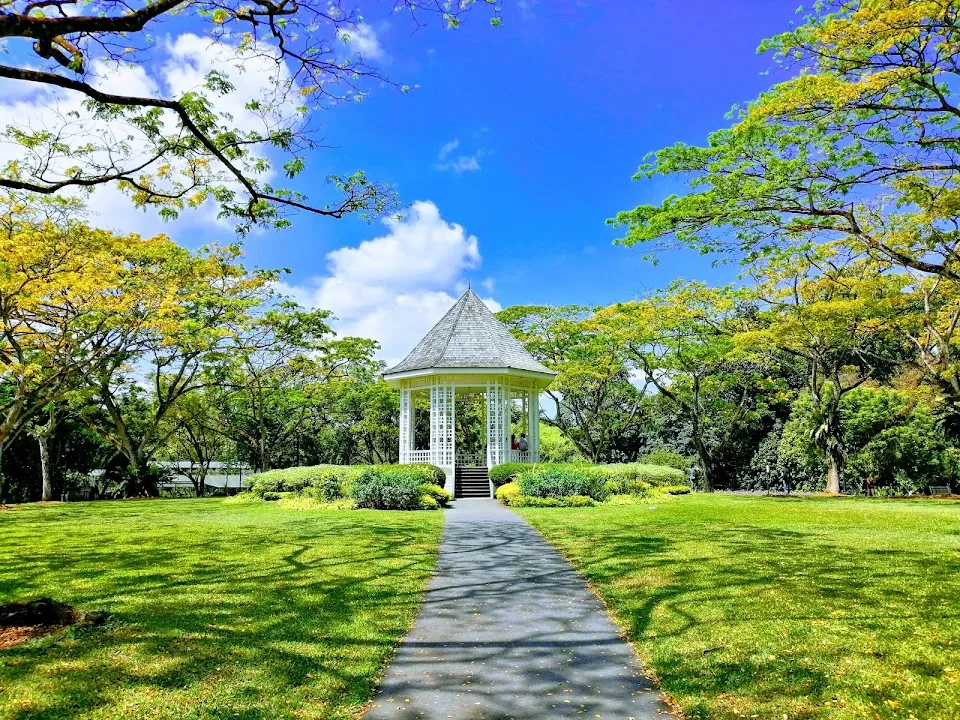
The MacRitchie entry below explains an exclusion, not a recommended dog route: MacRitchie trails are prohibited, and the evidence does not establish permission on every reservoir edge or lawn. Botanic Gardens admits controlled, leashed pets in permitted outdoor areas, with multiple named exclusions. Park access never establishes admission to a restaurant, museum, cable car or neighbouring attraction.
Choose a walk your dog can enjoy
Decide how you will shorten the outing before you start. Look at gradients, crossings, surface, shelter and the return journey, then match the distance to your individual dog. A shaded route or an early start is not a guarantee against overheating. Carry drinking water for even a short outing, avoid hot surfaces and stop if your dog is struggling. The heat-safety guide explains warning signs and what to do. A hand test cannot certify a pavement as safe.
Check facilities and closures separately
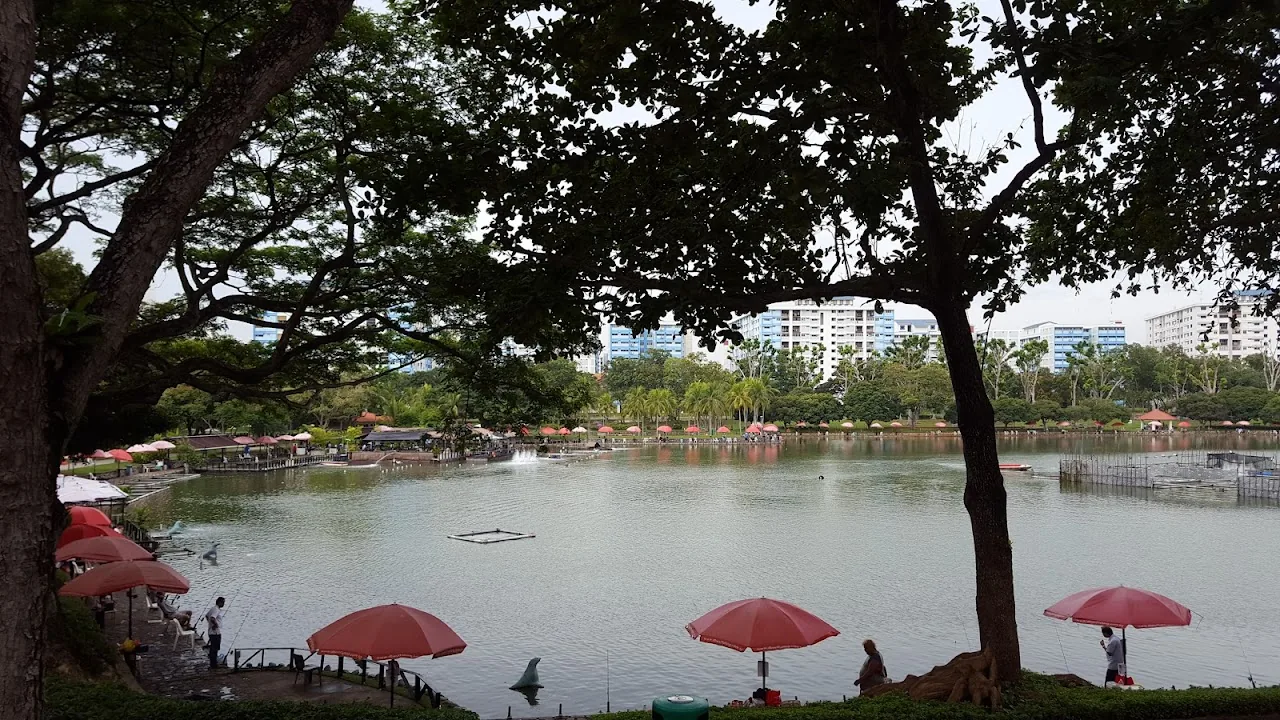
Jurong Lake Gardens has different hours for its gardens and dog run, and its shuttle does not carry pets. East Coast Park’s C1 run has a published upgrading closure from 21 September to 6 November 2026. Bedok Reservoir and Pasir Ris access does not establish safe or permitted dog swimming. Open each record for its official source and the current notice, then take local barriers seriously.
A dog run is optional
If your dog enjoys a quiet leashed walk, there is no need to add group play. A crowded enclosure is not automatically safer or more enriching. Check the posted rules and the dogs already inside. For off-leash choices and arrival etiquette, use the dog-run comparison. Keep the rest of your walk leashed and leave room for other path users.
Quick answers
- Are all Singapore parks dog-friendly?
- No. Most NParks parks and connectors permit dogs, but nature reserves, named nature-park networks, specific trails and other areas have exclusions. Check the exact destination and current signs.
- Can my dog swim in a reservoir or at a park beach?
- Do not infer swimming permission or safety from park admission. Read the local rules and advisories, and keep your dog away from water where access or conditions are uncertain.
- Which park is best for my older dog?
- Choose a manageable permitted route with an easy return, suitable surfaces and places to rest. Age alone does not determine a safe distance; discuss mobility or medical limits with your vet.
Related guides: bringing your dog to Gardens by the Bay.
Additional choices retained from Dog-Friendly SG
The entries added during the 17 September migration use the newer venue records, not old location names or unsupported admission promises. Check each record and confirm any unresolved access question before booking.
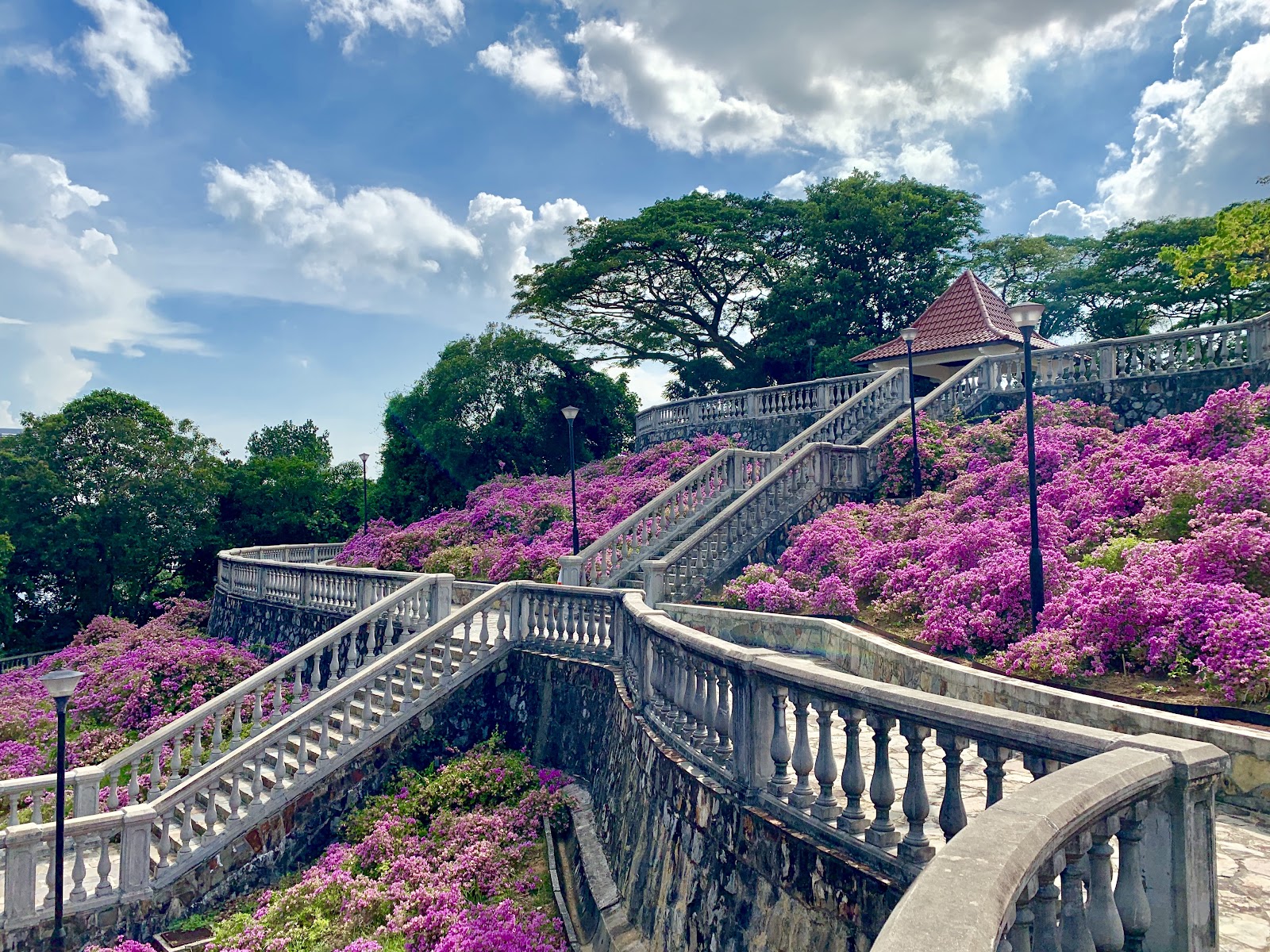
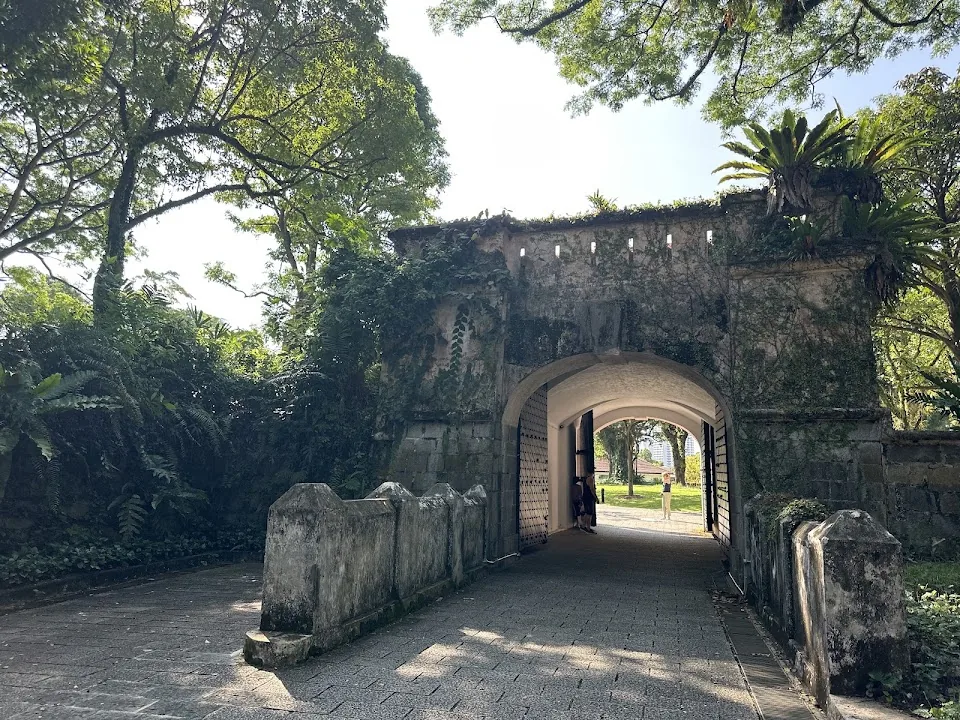
- Fort Canning Park: Outdoor park access does not establish entry to the galleries, Battlebox, hotel, restaurants or ticketed activities. Check each operator separately. NParks permits dogs in most parks subject to exclusions; this does not establish a cat-specific policy.
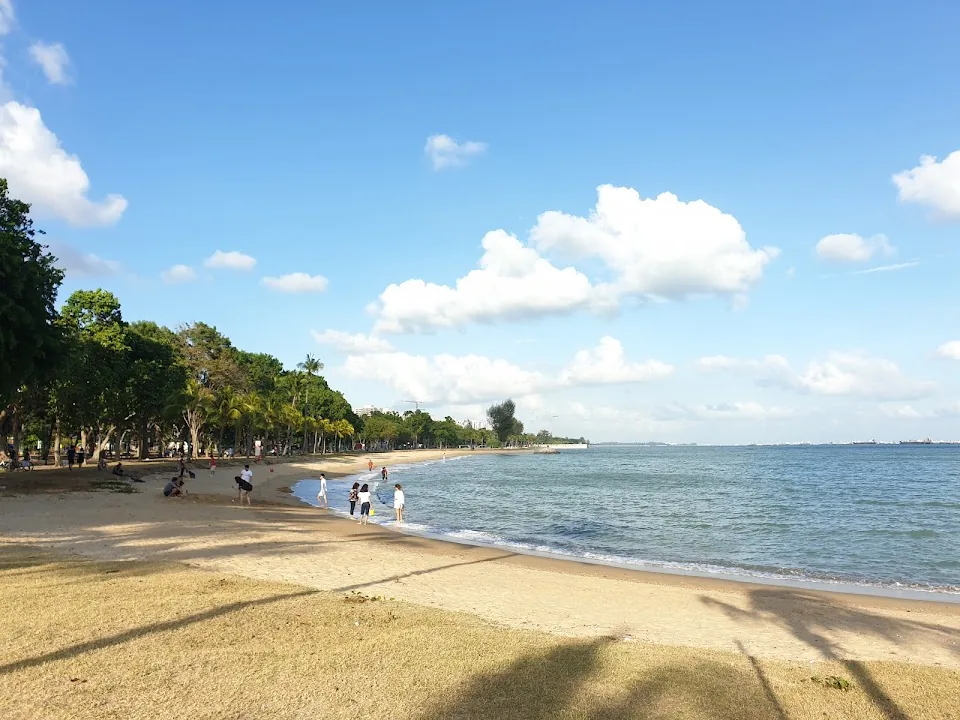
- Pasir Ris Park: NParks names this park on its pet-friendly park list, read with its dog etiquette guidance. Dogs must remain controlled and leashed outside a designated dog run. Cat-specific entry conditions and access to individual attractions are not established by the reviewed sources. NParks flags box-jellyfish precautions and possible crocodile encounters in coastal areas. Park access is not confirmation that pet swimming is safe or allowed everywhere. Respect intertidal wildlife and local signs. Carparks A, C and E are charged, while D and F are listed as free on the reviewed page.
Editorial review, 17 September 2026. Corrected access and safety claims using official guidance and individually researched venue records; original publication date retained.