

8 min read
Last updated First published 28 July 2026
Fostering a rescue dog gives you weeks or months of real dog ownership before you commit permanently. This guide covers how Singapore's foster programmes work, what it costs, what the HDB rules mean for your placement, and what to do if you fall for the dog you were only supposed to be minding temporarily.
You have been researching breeds, reading about training, and mentally calculating vet bills. But somewhere underneath all of that is a simpler, harder question: will dog ownership actually fit the life you have right now, not the life you imagine? Fostering a rescue dog is one of the most honest ways to find out. It puts a real dog in your home, with real needs and a real personality, for weeks or months, before you make a permanent decision. This guide explains how it works in Singapore and what to expect.
Official Singapore source
Animal and Veterinary Service: dog vaccinations
What fostering actually means
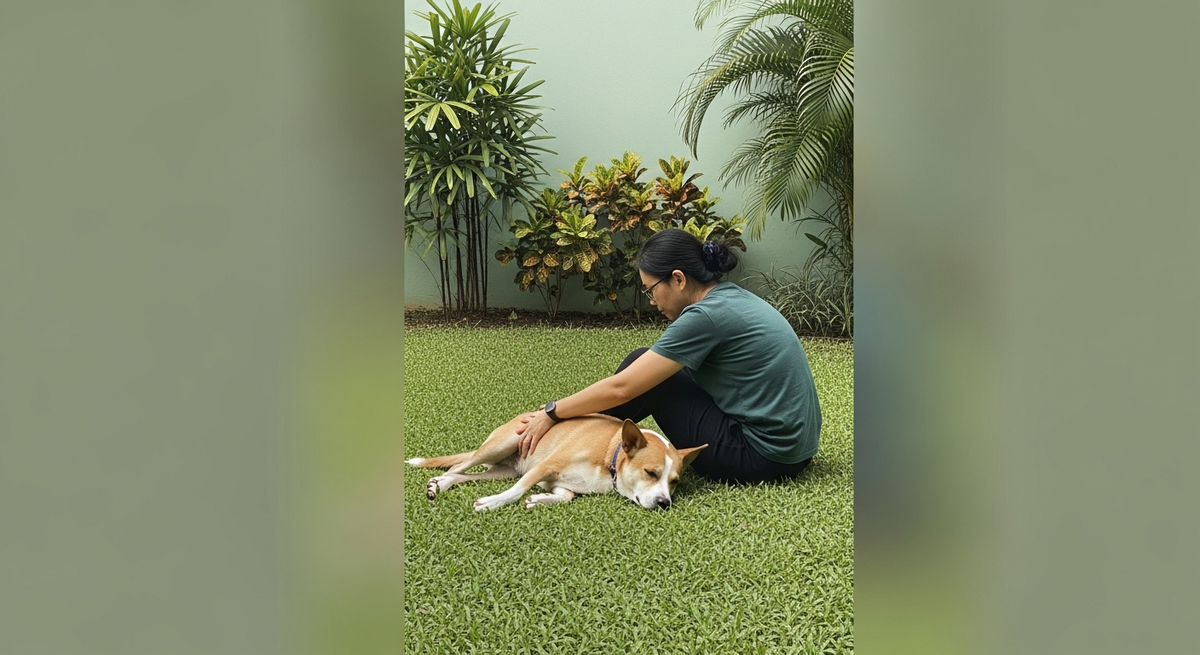
Fostering is not pet-sitting for a friend. It is providing a temporary home for a rescue dog that is in transition, typically between being surrendered or rescued and being adopted into a permanent family. The dog is still legally under the care of the rescue organisation. You are the foster household, which means you are the one getting it through the day: feeding, walking, socialising, managing separation anxiety or fear responses, and keeping notes that will help the rescue find the right adopter.
The work is real. Some foster dogs arrive housetrained and calm. Others arrive shut down from the shelter environment, reactive on the lead, or destructive when left alone. The rescue will tell you what they know, but dogs often behave differently in a home than in a kennel, and you will be the first person to discover what the dog is actually like.
That unpredictability is precisely what makes fostering so useful as a test run. You cannot learn this from a quiz or a YouTube video.
Which organisations run foster programmes in Singapore
Several established rescues in Singapore take on foster households. Each runs its programme slightly differently, so it is worth reading their current requirements carefully before applying.
ASD (Action for Singapore Dogs)
ASD runs one of the more active foster networks in Singapore and tends to have mixed-breed local dogs of varying sizes and backgrounds. Their foster application asks about your household composition, living situation, working hours, and prior experience with dogs. They try to match the dog's needs to the household's capacity. Some ASD fosters are dogs recovering from medical procedures; others are healthy dogs waiting for a suitable adopter.
SOSD (Save Our Street Dogs)
SOSD focuses on Singapore's street dog population and often has dogs that have had limited human contact before rescue. Their foster programme is structured with orientation guidance and support from experienced volunteers. If you have not owned a dog before, SOSD will want to understand your situation carefully, but they do accept first-time owners who demonstrate commitment and realistic expectations.
SPCA
The SPCA runs a foster programme for dogs that need a quieter environment than the shelter can provide, including puppies, seniors, and dogs recovering from illness or injury. Applications go through their website. Because the SPCA handles a high volume of animals, communication can sometimes take longer, but the programme is well-established and their team will brief you thoroughly before placement.
OSCAS (One Singapore Community Animal Shelter)
OSCAS is smaller than the others but active in rehoming and has placed dogs with foster families. If you are open to a longer-term foster commitment, it is worth reaching out to them directly, as their needs vary with their current intake.
All of these organisations will ask you to complete an application, often followed by a home visit or video call. None of them place dogs arbitrarily. The matching process exists to protect the dog and to set the foster household up to succeed.
What the rescue covers and what you cover
This is where first-time foster applicants often have gaps in their understanding, so it is worth being specific.
Most rescues in Singapore will cover:
- Vet fees for pre-existing conditions and illness directly related to the dog's rescue history
- Vaccinations and parasite treatment if not already done before placement
- Sterilisation costs if the dog has not already been sterilised
- AVS licensing for the dog during the foster period (you should confirm this with the specific rescue)
What the foster household typically covers:
- Day-to-day food and treats
- Leads, harnesses, crates, and any basic equipment the rescue does not supply
- Grooming if needed during the placement
- Transport to vet appointments (the rescue usually pays the bill, but you get the dog there)
- Any emergency vet visit that arises outside rescue hours, which the rescue will reimburse after the fact in most cases
Costs vary and arrangements differ between rescues. Always read the foster agreement carefully and ask specific questions before you sign. Do not assume that all medical costs are covered in all circumstances.
HDB and the approved-breed requirement
If you live in an HDB flat, the same approved-breed restrictions that apply to permanent dog ownership apply to fostering. You cannot foster a dog that falls outside the HDB approved-breed list simply because the placement is temporary. The dog is in your home, and the rules apply to your home.
Official source: HDB maintains a list of approved small dog breeds for flats. Check the current list at hdb.gov.sg before accepting a foster placement. If a rescue places a non-approved breed in an HDB flat, the liability sits with the household, not the rescue.
In practice, most rescue dogs available for fostering through ASD, SOSD, SPCA, and OSCAS are mixed-breed local dogs, and many are small to medium in size. Some will be assessed as suitable for HDB living; others will not. Be upfront with the rescue about your housing type from the start of your application. They will only match you with dogs that fit your situation.
If you live in a private property, these restrictions do not apply, and you will have a wider range of dogs available for fostering.
How long does a foster placement last
A realistic foster duration in Singapore ranges from two weeks to several months. The length depends on the dog's needs, the rescue's current adoption queue, and how quickly a suitable adopter comes forward.
Short placements of two to four weeks are common for dogs that are medically stable and highly adoptable. Longer placements happen when the dog needs more time to decompress, when the rescue is working through a high-intake period, or when finding the right adopter match takes time. Some fosters extend for three to six months without anyone planning for it to go that way.
It is worth thinking about what your calendar looks like before you start. A long overseas trip, a major work deadline, or a family event in the middle of a placement creates complications. Rescues will try to accommodate, but it is better to flag constraints upfront than to manage a handover mid-placement under stress.
The foster fail: what it means and how to handle it
In rescue culture, a "foster fail" is when the foster household ends up adopting the dog they were supposed to be fostering temporarily. The word "fail" is ironic. It is often treated warmly because it means the dog found its home. But it is worth thinking about it clearly before it happens to you.
Attachment happens faster than most first-time foster carers expect. By week three, the dog knows your routine, greets you at the door, and has a favourite sleeping spot. When the rescue finds a potential adopter, the prospect of handing the dog over can feel genuinely painful. Some people realise at that point that they were always going to adopt. Others work through it and return the dog, knowing they did something valuable.
If you reach the end of a placement and want to adopt, tell the rescue directly. Most rescues are glad when a foster household steps forward, because they know exactly how the dog has settled. You will still go through a formal adoption process, including the adoption fee. The foster period does not automatically convert to ownership.
If you decide to return the dog as planned, give yourself time to feel whatever you feel. It is not a failure of character. The dog goes on to a permanent home because of the work you put in. That matters.
You can read more about the formal adoption process, including fees, documentation, and what to expect at handover, on our adoption guide.
What fostering teaches you that research cannot
There are questions that no amount of reading will answer for you. Fostering answers them directly.
Can you actually handle the morning walk before work? Singapore at 6am is already warm and humid, and a dog that pulls or is reactive makes that walk harder. You will find out fast whether that is manageable or whether it eats into your energy in a way you had not anticipated.
How does your household respond to a dog being present? If you have a partner, housemates, or elderly family members at home, a foster dog reveals the friction points and the unexpected joys before they become permanent realities.
What temperament actually suits you? You may have researched energetic breeds and decided you want one. A high-energy foster dog will either confirm that or revise it immediately. Equally, you may discover that a quieter, older dog is far more compatible with your lifestyle than you had assumed.
How do you cope when the dog is unwell, anxious, or behaving in ways you do not understand? Managing a dog through a difficult period, with the support of the rescue behind you, is far better preparation than reading a training article.
Fostering compresses the learning curve of dog ownership into a period with a safety net. The rescue is there. The dog goes back if your circumstances genuinely cannot support long-term ownership. But most people who foster come out of it either ready to adopt or far clearer about the specific dog that would suit them. Either outcome is useful.
If you are ready to take the next step, start by looking at the foster application pages for ASD, SOSD, SPCA, and OSCAS directly. Be honest in your application about your home, your hours, and your experience. The right placement will be more useful to you, and fairer to the dog, than one that stretches your capacity from day one.
More for potential dog owners
-
 What owning a dog actually costs in year one Plan your first year around the dog you are bringing home. Separate setup purchases, regular care and emergency savings, check what adoption fees already cover, and replace estimates with current quotes before committing.
-
 HDB approved dog breeds: what you need to know before you choose HDB ordinarily permits one dog from its approved list, including crosses of two listed breeds. Project ADORE and written-permission provisions cover separate cases. Check housing eligibility, AVS licensing and the individual dog’s care needs before committing.
-
 Adoption or buying in Singapore: fees, care and questions to ask Compare the written arrangement: what care has already happened, what your payment includes and what remains to arrange. Neither route guarantees health, temperament or a match for your household.
-
 How long can you leave a dog alone in an HDB flat? Plan time alone around your individual dog's comfort, toilet needs and reliable care. A full working day needs a support plan, not a blanket six-to-eight-hour allowance.