


7 min read
Last updated First published 28 July 2026
Plan time alone around your individual dog's comfort, toilet needs and reliable care. A full working day needs a support plan, not a blanket six-to-eight-hour allowance.
The question sounds simple, but the honest answer depends on three things: how old the dog is, what breed or temperament you are considering, and what your actual working day looks like, not the ideal version of it. Before you commit, it is worth sitting with the real numbers.
Plan around the dog, not a maximum-time chart
Dogs Trust’s time-alone advice recommends support for longer absences and generally no more than four hours alone at a time, even for dogs who cope well. Puppies, unwell dogs and dogs with separation distress may need much shorter periods. This is welfare guidance, not a Singapore legal threshold or a guarantee that four hours suits your dog.
Record your actual door-to-door absence, including commuting and delays. Plan toilet opportunities, human care and comfortable conditions before the dog arrives. A dog’s ability to hold urine is not a measure of emotional comfort, and a silent dog is not necessarily relaxed.
Plan for your actual flat and working day
Your front door, corridor noise, sunlight and household routine matter more than a simple comparison between flats and landed homes. A garden does not replace human care. Choose a secure resting space with water and comfortable conditions, and check it at the times you would actually be away.
Keep windows and balcony access secured. Move the bed away from direct sun and notice whether corridor sounds interrupt rest. Decide what cooling the room needs based on its actual conditions and your dog's health, with advice from your vet where needed. Do not assume that an open window makes an unattended room safe.
Write down when you leave home and when you return, including commuting, errands and late meetings. For example, leaving at 8am and returning at 7pm means eleven hours away, regardless of the hours printed in your employment contract. A midday visit must leave manageable periods on either side; it does not automatically make that timetable suitable.
- Who will provide care on each office day, and what times can they reliably cover?
- Who has access if your train is delayed or a meeting runs late?
- What happens during work travel, illness or school holidays?
- Have you included care and transport in the monthly budget?
The aim is a routine you can deliver on an ordinary busy Tuesday. Agree the arrangements before bringing a dog home, then adjust them to what that individual shows you.
The practical toolkit for longer working days
Arrange reliable care for absences beyond what your individual dog can manage. Do not wait for barking, soiling or damage before putting support in place.
Professional dog walkers
A suitable walker can provide a break, but the visit must fit the dog’s needs. Compare current quotes for duration, individual or group handling, weather plans and access arrangements. Meet the walker and trial the routine first.
Doggy daycare
Daycare is one possible arrangement, not the best answer for every dog. Some prefer individual care in a familiar setting. Ask about suitability, rest, group management, transport and the full current price before booking.
A lunch-break return
Time a real return journey, including leaving the office, transport, a toilet opportunity and time with your dog. Check that your employer permits the break and that the arrangement leaves manageable absences on either side. Include travel costs and a backup carer. A plan that only works when every connection is perfect needs more support.
A trusted neighbour or family member
If you have parents, siblings, or a trusted neighbour nearby who is comfortable with dogs, a midday check-in can be a reliable and low-cost fallback. Be honest about the ask: dropping in on a dog is more involved than it sounds, especially if the dog needs a walk rather than just a toilet break.
Practise short, comfortable separations
Start while you have time to observe your dog and return promptly. Introduce brief periods apart gradually, keeping them short enough for the dog to remain comfortable. If the dog becomes worried, reduce the challenge rather than waiting for distress to stop through exhaustion. A trainer can help you plan the steps; persistent difficulty warrants veterinary advice.
A camera can help you notice what happens after departure, but it cannot provide care. Look at the whole pattern, including rest, movement, vocalising and attempts to escape. Being quiet does not by itself establish that the dog is coping. Check household privacy before recording and keep footage private.
Choose enrichment for this dog
A food toy or puzzle may give your dog something enjoyable to do. It does not replace company or treat separation distress. Try each item under supervision first, check for chewing or swallowed pieces, and follow the manufacturer's instructions. An item another dog uses safely may be unsuitable for yours.
- Use food that fits your dog's diet and count it towards the day's intake. Check ingredients, including xylitol, before offering human foods.
- Remove damaged toys and avoid leaving an unfamiliar chew, mat or puzzle unattended.
- Provide water and a comfortable resting area. Leave room for the dog to choose rest instead of an activity.
- If background sound seems helpful, keep it comfortable and observe the response. Loud sound can add another disturbance.
Plan exercise and toilet opportunities around your dog's needs and the actual weather. Earlier hours may be cooler, but the clock does not guarantee safe conditions. A hard walk intended to exhaust the dog is not a solution to anxiety.
When being alone is distressing
Repeated pacing, panting, howling, escape attempts, soiling or damage during absences deserve attention. They are observations to share with your vet, not a diagnosis you can make from one sign. New changes can also have medical explanations. Seek urgent help if the dog is injured or in immediate danger.
Do not punish what you find on returning. Arrange care that avoids further overwhelming absences while you seek help from a vet and a suitably qualified, reward-based behaviour professional. Keep notes of departure times, what you observed and how long it lasted. Treatment and practical care may need to run together.
Breed labels cannot promise that a dog will cope with your schedule. Discuss an individual rescue dog's observed behaviour with their foster carer or shelter, while allowing for a change of home. A second dog is not a reliable treatment for distress about being away from you.
How to honestly assess your situation
Before you look at breeds or rescues, map out your actual week. Write down what time you leave, what time you return, how often that varies, and who else is reliably available. Then match that reality against the life stage and breed you are considering.
If the routine only works with support, include that support in your ownership budget. Check current AVS licensing fees for the relevant licence and number of animals rather than treating an old annual rate as universal. Our cost calculator can help organise the costs you actually expect.
If after all of that the picture still works, then the decision is an informed one. If it does not, the kindest outcome for you and the dog is to wait until your circumstances change, or to discuss other ways of helping a rescue. Fostering also requires reliable daily care and should be agreed around the animal's needs, not used as a casual trial.
A suitable match deserves a workable everyday plan. It is kinder to arrange the support first than to hope that a dog will simply adapt to an absence they cannot manage.
Sources and editorial review
Dogs Trust: building comfortable time alone and planning dog care around full-time work. Editorial review: 15 September 2026. The timetable questions are practical planning examples, not an individual behavioural assessment.
More for potential dog owners
-
 What owning a dog actually costs in year one Plan your first year around the dog you are bringing home. Separate setup purchases, regular care and emergency savings, check what adoption fees already cover, and replace estimates with current quotes before committing.
-
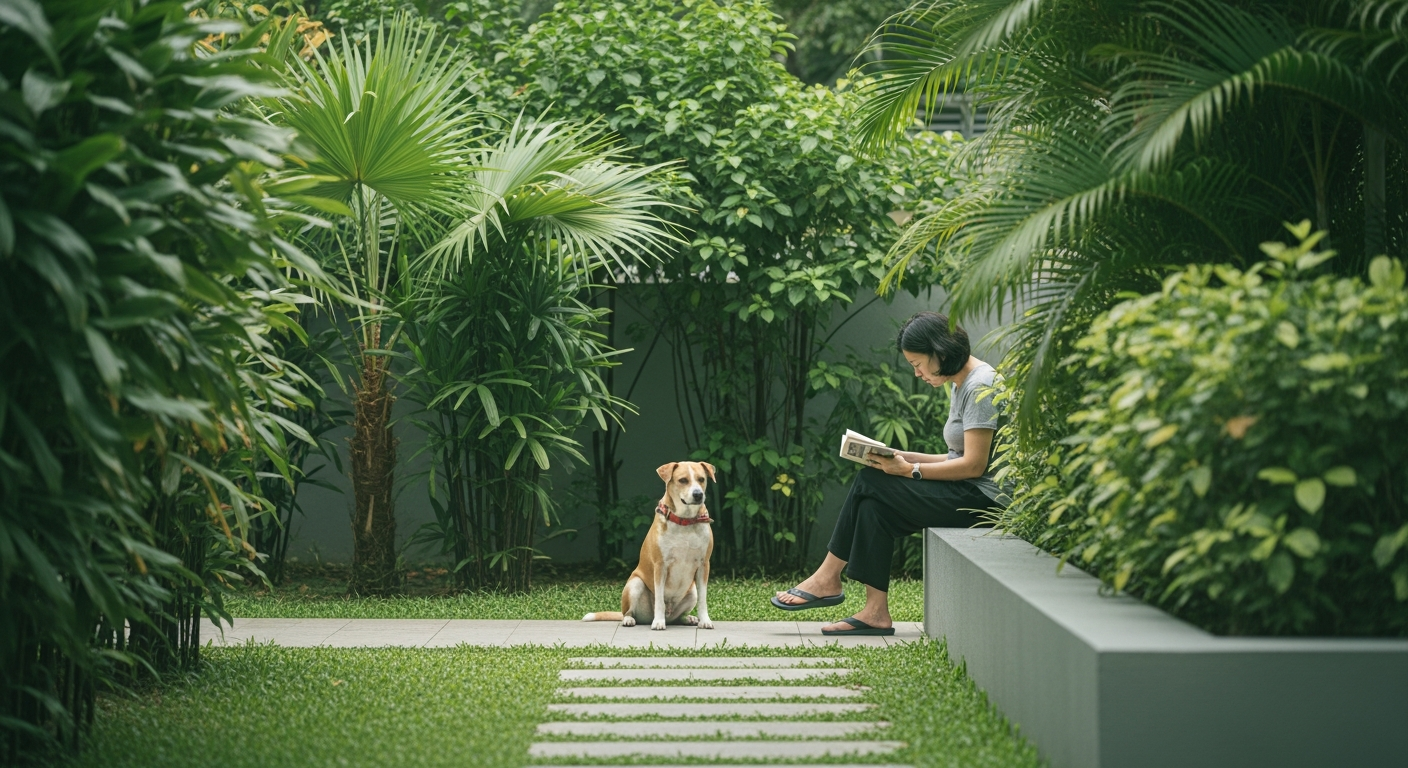 HDB approved dog breeds: what you need to know before you choose HDB ordinarily permits one dog from its approved list, including crosses of two listed breeds. Project ADORE and written-permission provisions cover separate cases. Check housing eligibility, AVS licensing and the individual dog’s care needs before committing.
-
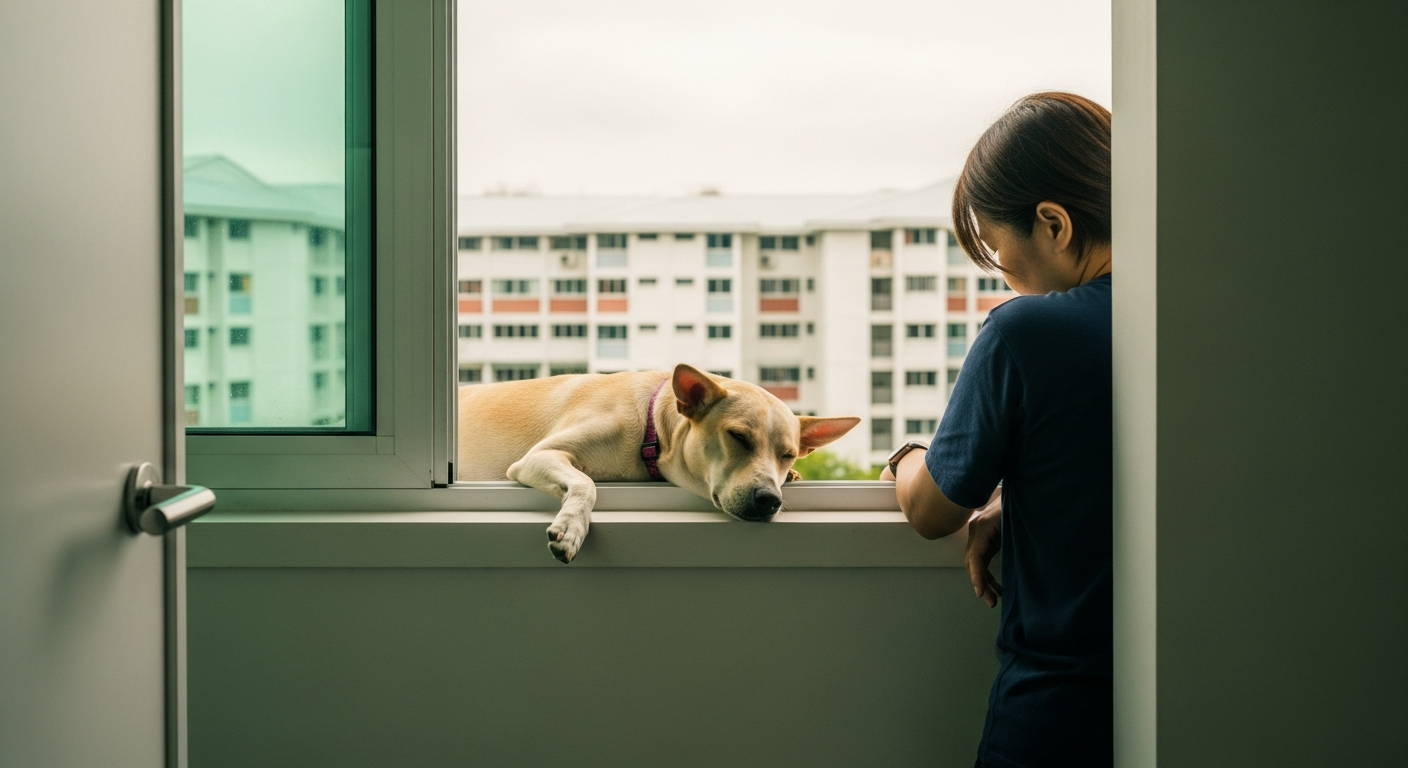 Adoption or buying in Singapore: fees, care and questions to ask Compare the written arrangement: what care has already happened, what your payment includes and what remains to arrange. Neither route guarantees health, temperament or a match for your household.
-
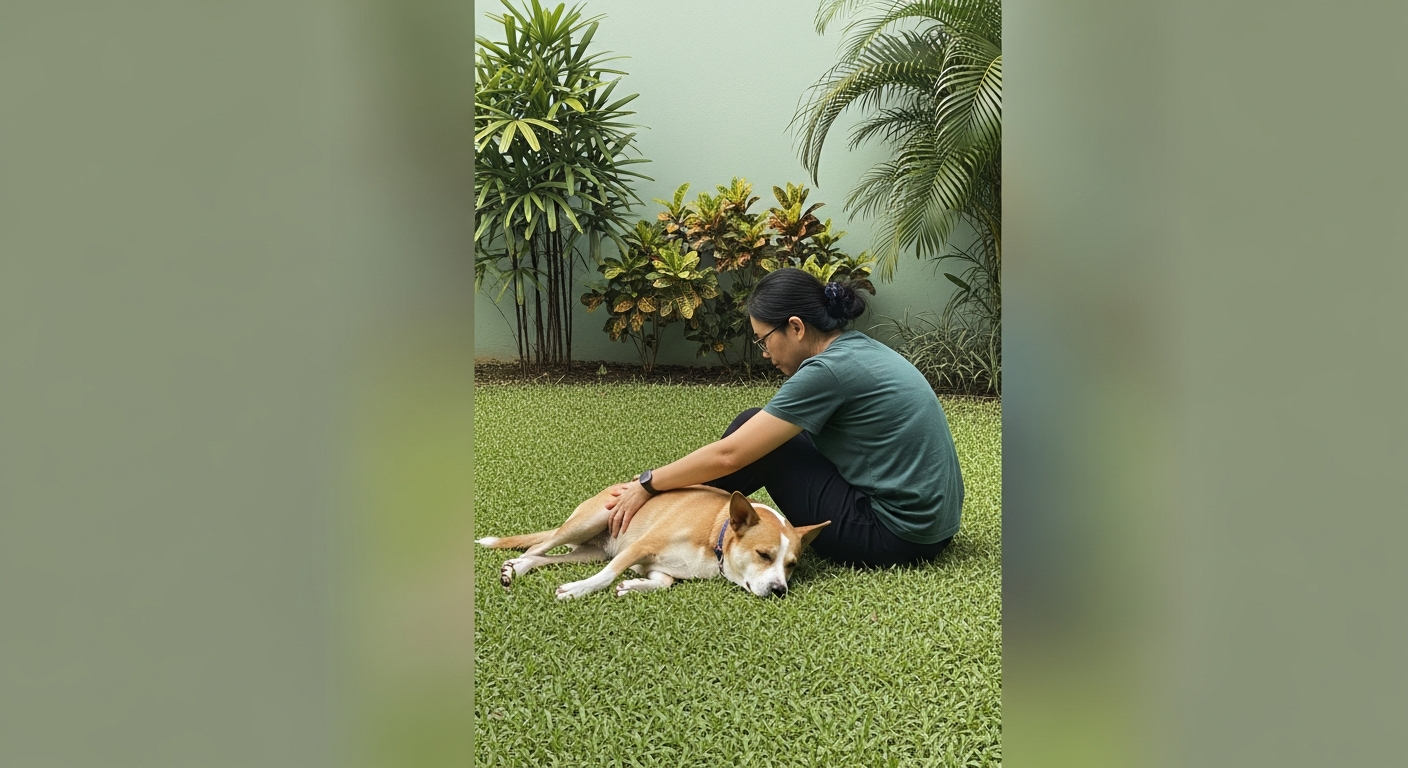 Fostering a dog in Singapore before you commit Fostering a rescue dog gives you weeks or months of real dog ownership before you commit permanently. This guide covers how Singapore's foster programmes work, what it costs, what the HDB rules mean for your placement, and what to do if you fall for the dog you were only supposed to be minding temporarily.