

10 min read
Last updated First published 29 July 2026
Puppy, adult or senior: choose around the individual dog, your household and a workable care plan. Age is a starting point for questions, not a guarantee of an easy fit.
Choose the dog who fits your real day
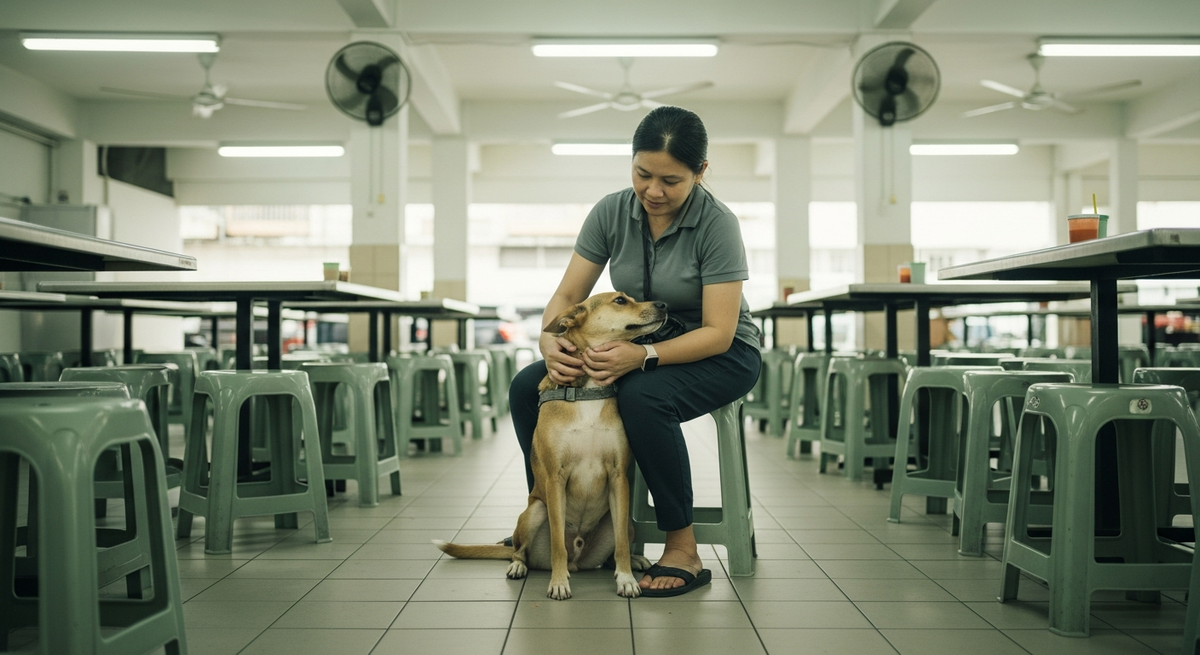
A puppy, an adult and a senior can each become a much-loved companion. Age helps you ask better questions; it does not guarantee temperament, health, independence or cost. Start with the hours you are actually home, the help available when you are not, your housing rules and the individual dog's needs.
You do not need to choose the youngest dog to build a close relationship. Equally, adopting an adult does not mean the training and settling-in work has already been done. Meet the dog, read the available records and talk through an ordinary working day with the rescue or responsible breeder before committing.
What changes when you choose a puppy?
Plan for supervision, toileting, feeding, rest, gentle handling and early learning. Make a daytime care plan before arrival, including who will help during meetings, travel or illness. A period of leave can help you get started, but it is not the whole plan for the months afterwards.
Ask for the vaccination and microchip records, the food currently being used and what experiences the puppy has had. Book a vet conversation about the next steps rather than following a generic calendar. Neutering is not automatically due at four to six months for every dog; our neuter-timing guide explains why the decision needs individual discussion.
Early socialisation deserves attention without becoming a race. Use the puppy socialisation guide to plan manageable Singapore experiences alongside health precautions. Adult size and future behaviour cannot be guaranteed from a puppy's appearance, so discuss housing eligibility with the relevant authority and rehoming organisation rather than relying on a size guess.
What should I ask about an adult dog?
A foster or rescue history can be valuable, but it describes what has been observed in particular circumstances. It is not a promise that the dog will behave identically in your home. Ask where the observations were made, how long the dog has been there and which situations have not been tested.
- Home life: what happens around doors, visitors, food, handling and rest?
- Time alone: what has actually been observed, for how long and with what support? Do not assume morning exercise makes a full working day alone suitable.
- Outings: how does the dog respond to lifts, traffic, people and other animals?
- Health: which records are available, what treatment is ongoing and what follow-up has been recommended?
- Support: what help is available during a trial, homestay or settling-in period, and what are its written terms?
Prepare for training and adjustment at any age. An adult who needs help with being alone or passing dogs is not a failed adoption prospect, but you need the time, support and resources to meet those needs. Avoid treating an age band as a shortcut to compatibility.
What is different about adopting a senior?
“Senior” is not a universal seventh-birthday category. AAHA's life-stage guidance relates it to the later part of estimated lifespan and recognises variation with size, breed and health. A rescue's fee category may use a different age threshold for its own purposes.
Ask about comfort, mobility, toileting, appetite, sleep, hearing and vision, as well as any diagnosis or medication. Look at the practical home setup: floor grip, steps, the route to the lift, a comfortable resting place and transport to appointments. Discuss any adaptations with the treating vet.
A senior is not automatically quiet, easy to leave alone or inexpensive. Nor does age alone mean that life will be dominated by illness. Ask for the individual care plan and what changes would prompt a vet review. Talk honestly within the household about treatment decisions, daily caregiving and support if needs increase.
Housing and licensing apply at every age
Check housing eligibility before adopting. Project ADORE enables eligible local mixed-breed dogs up to 55cm in height to live in HDB flats. Its former 15kg restriction was removed. It has specific rehoming and owner requirements, including mandatory training; it is not a general weight-limit exemption for every dog.
The earlier claim here that Project ADORE provides a one-time goodwill grant was not supported by the official scheme description and has been removed. Ask a participating welfare group about the actual application, dog eligibility and any separately documented support.
A senior still needs the appropriate licence, but annual renewal is not the only option. The current AVS table lists a S$35 one-time licence for a sterilised animal within the first three cats and/or dogs, before the stated payment rebate. Age, sterilisation status and the household's animals affect the applicable category. Confirm the correct licence and ownership-transfer process rather than assuming a previous owner's arrangements carry over unchanged.
Build a budget from records and quotes
Separate acquisition or adoption fees from setup, recurring care and a contingency. Request an itemised adoption package: vaccination status, sterilisation arrangements, microchip, licence handling and follow-up are not identical across organisations or dogs. A fee can include a future procedure or voucher rather than mean every procedure is already complete.
For each candidate dog, ask the vet what the known care plan involves and obtain current prices. Include food, prescribed care where relevant, transport, grooming needs, training and daytime support. The former blanket claim that seniors require S$1,000 to S$2,500 extra every year was not backed by an individual plan or current quotations.
If considering insurance, compare actual eligibility and policy terms, including age limits, waiting periods, exclusions, excesses and existing conditions. Do not assume a new policy will cover an already known problem. Keep a backup plan for costs that fall outside insurance.
A useful decision to make together
Write down who covers mornings, daytime care, evenings and unexpected absences. Then match that plan to what is known about the dog. If the plan depends on an adult being effortlessly independent or a senior never needing midday help, revisit it before adoption.
Browse current adoption profiles, arrange appropriate meetings and ask about the organisation's assessment process. The right outcome is a workable shared life, not winning an argument that one age is always best.
Frequently asked questions
- Is an adult always easier than a puppy?
- No. Ask about the individual dog's health, observed behaviour, support needs and settling-in plan.
- Is every dog over seven a senior?
- No. Life-stage definitions depend on the individual, including breed and size; rescue fee categories may use their own thresholds.
- Can I adopt if I work full-time?
- Plan reliable daytime support and discuss the individual dog with the rescue. Age alone does not establish how long a dog can comfortably be alone.
- Does a senior need an annually renewed licence?
- A licence is required, but eligible sterilised animals can have a one-time licence. Check the current AVS category and ownership-transfer requirements.
- Does Project ADORE give everyone an adoption grant?
- Do not budget on that assumption. The official description is a rehoming scheme with eligibility and training requirements; separately offered support needs its own confirmation.
- Will an adopted dog already have every medical procedure completed?
- Check the records and package. Some arrangements include future procedures or vouchers, and ongoing care remains your responsibility.
Editorial source review: 12 September 2026. Practical planning questions do not replace individual veterinary advice.
Start with a quiet moment together →A small idea to try, with progress kept in your Pack.
More for potential dog owners
-
 What owning a dog actually costs in year one Plan your first year around the dog you are bringing home. Separate setup purchases, regular care and emergency savings, check what adoption fees already cover, and replace estimates with current quotes before committing.
-
 HDB approved dog breeds: what you need to know before you choose HDB ordinarily permits one dog from its approved list, including crosses of two listed breeds. Project ADORE and written-permission provisions cover separate cases. Check housing eligibility, AVS licensing and the individual dog’s care needs before committing.
-
 Adoption or buying in Singapore: fees, care and questions to ask Compare the written arrangement: what care has already happened, what your payment includes and what remains to arrange. Neither route guarantees health, temperament or a match for your household.
-
 How long can you leave a dog alone in an HDB flat? Plan time alone around your individual dog's comfort, toilet needs and reliable care. A full working day needs a support plan, not a blanket six-to-eight-hour allowance.