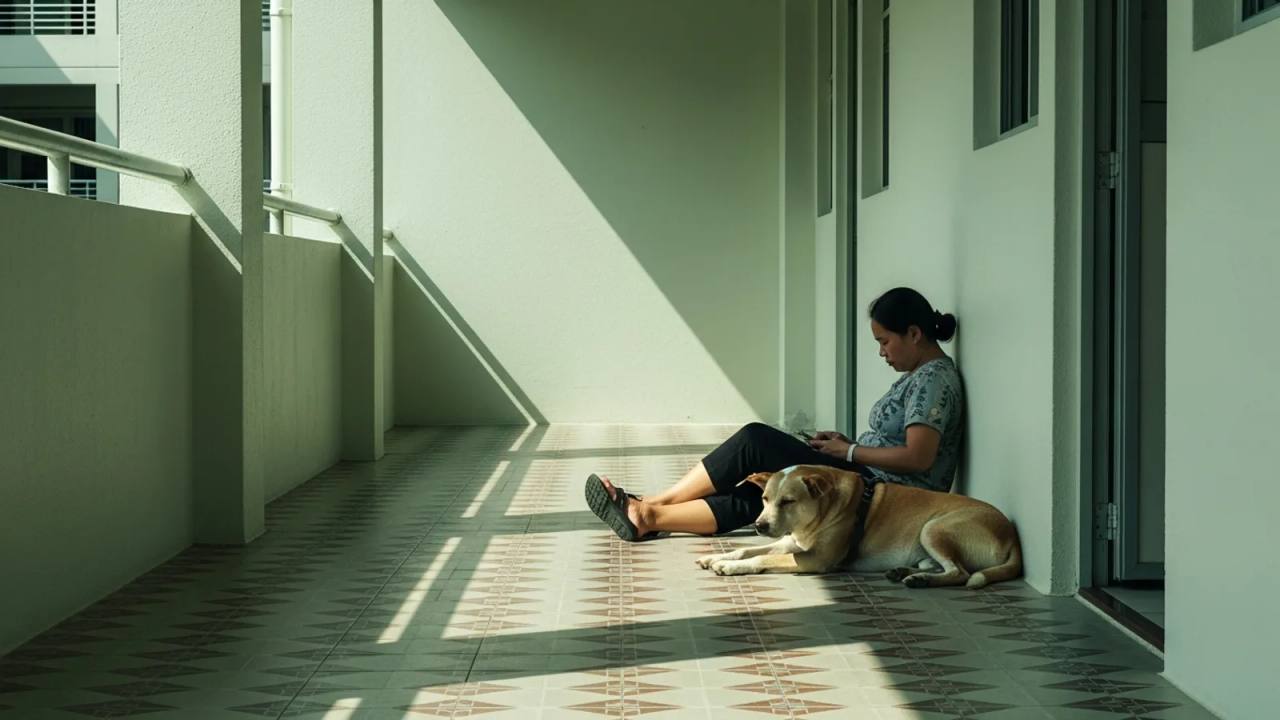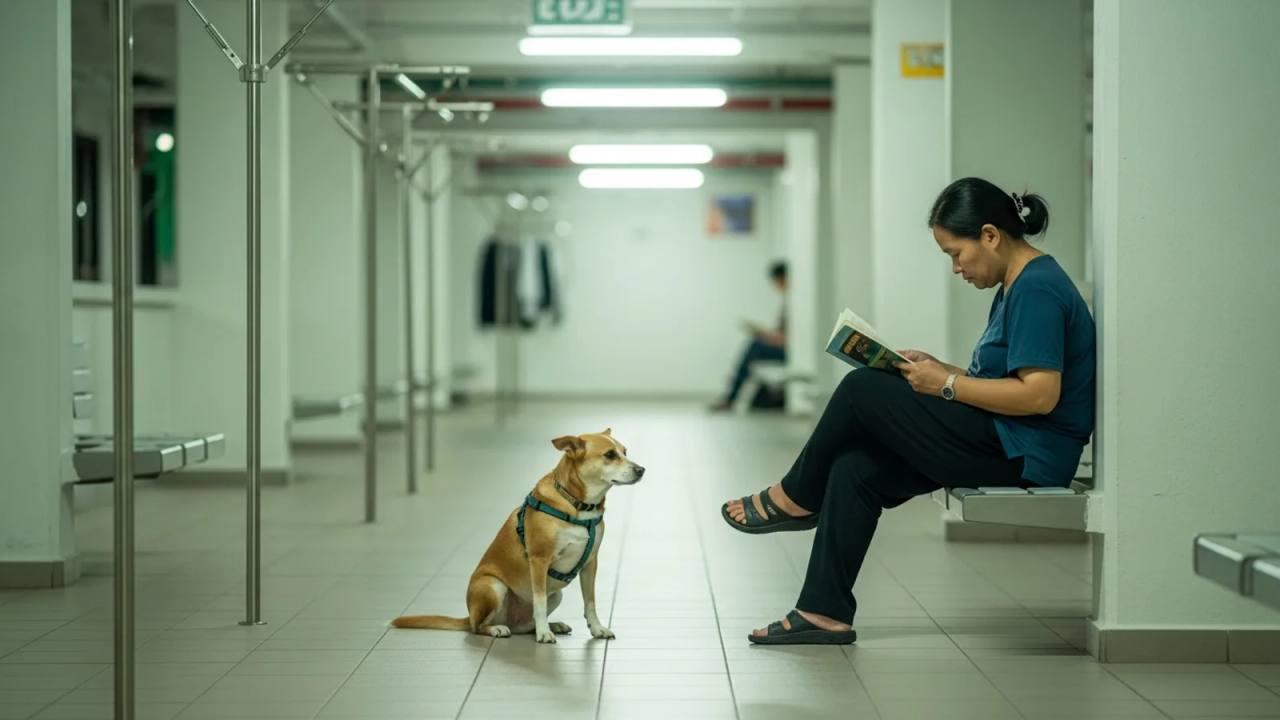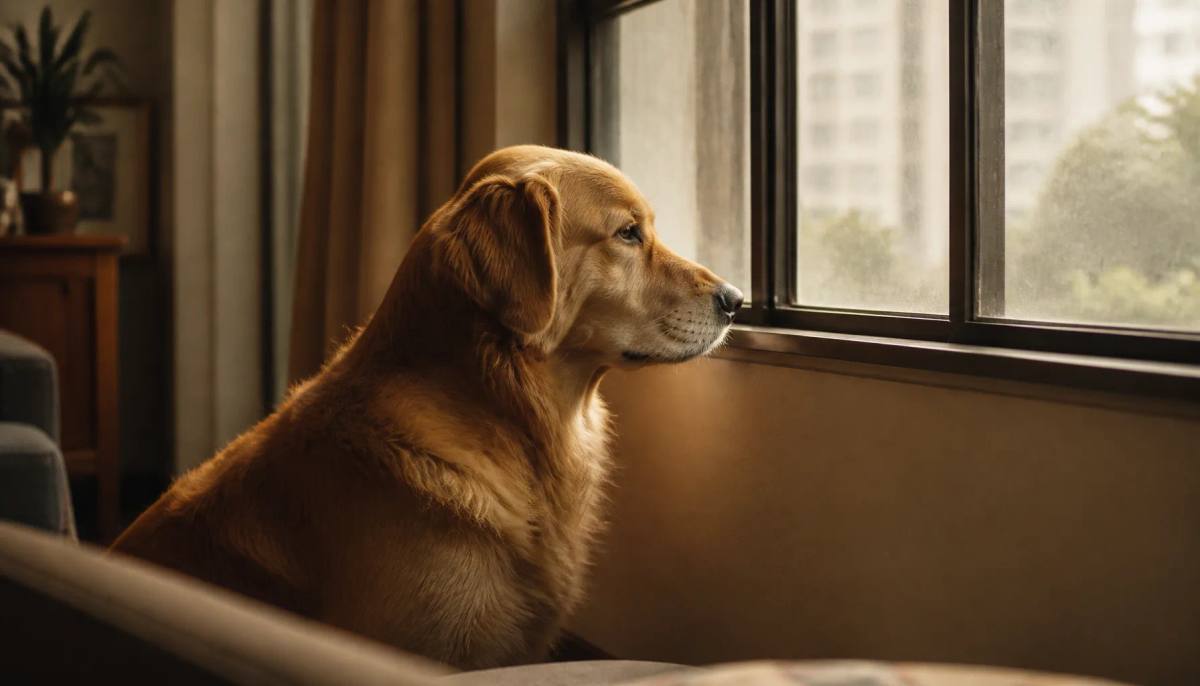

When a dog dies, the grief in the home is not only human. A surviving dog or cat frequently notices the absence and reacts to it, and to your own sadness. This guide helps you recognise animal grief, support your remaining pet through it, and know when a change of behaviour needs a vet rather than just time.
Do dogs really grieve?
Dogs are social, bonded animals, and many owners observe clear changes after a companion animal dies. While we should be careful not to over-interpret, behavioural research and countless owner accounts point to something real: surviving dogs often show signs consistent with grief or, at least, a marked response to the change and to the emotional state of their humans.
Cats, too, can react to the loss of a companion, sometimes subtly. Whether we call it "grief" in the human sense or a response to disrupted routine and a missing bonded figure, the practical point is the same: your remaining pet may need extra support for a while.
What are the signs of grief in a surviving pet?
Watch for changes from their normal baseline. Common signs include a reduced appetite or refusing food, lower energy, sleeping more, or seeming withdrawn. Some pets become clingier and more anxious, following you around or struggling with being alone. Others search the home, waiting by the door, or return to spots the other animal used to occupy. Changes in vocalisation, whining, howling, or a cat becoming more vocal, can appear, as can disrupted toileting or sleep.
Adjustment has no fixed deadline. Appetite loss, lethargy and withdrawal can also be signs of illness, so do not wait two weeks before asking for help. Contact your vet promptly for reduced intake or a significant change, sooner for a young, frail or medically vulnerable animal. Breathing difficulty, collapse or inability to urinate needs emergency attention.
How can I help my surviving pet adjust?
Consistency is your best tool. Keep feeding, walking, and sleeping routines as steady as you can, since predictability is reassuring when the household has changed. Offer gentle, positive attention and reassurance without dramatically overhauling everything at once. Extra enrichment helps too: a slightly longer walk, a food puzzle, some training games, or a new dog-friendly place to sniff can lift mood and re-engage a withdrawn dog.
You can comfort a pet who seeks reassurance; do not withhold affection out of fear that you are rewarding the emotion of grief. Blue Cross’s guidance supports calm comfort and familiar routines. Let the animal choose contact and quiet space. If separation distress or other behaviour becomes difficult to manage, seek help rather than blaming yourself or the animal.
Should I let my pet see the body?
This comes up often, and there is no firm scientific consensus, but many behaviourists suggest that allowing a surviving pet a brief, calm chance to investigate the body of their companion may help some animals process the absence, rather than being left to search indefinitely. It is a personal decision, and not always practical, especially given Singapore's arrangements around prompt cremation. If it is not possible, do not worry; steady routine and time are what matter most.
Should I get another pet to keep them company?
Not reflexively, and not quickly. It is a common instinct, but bringing a new animal into a grieving household can add stress rather than comfort, both for your surviving pet and for you. Let your remaining pet settle into the new normal first, watch whether they are genuinely lonely versus simply adjusting, and make any decision about a new companion on its own merits and timeline, not as a fix for grief. Our adoption guide is there for when the time is genuinely right.
When should I see a vet?
Speak to your vet promptly when appetite, activity or behaviour changes substantially after a loss. A dog who has not eaten for 24 hours needs veterinary attention, and vulnerable animals or cats may need help sooner; do not use that threshold to delay advice. A lack of appetite is not safely diagnosed as grief from the household circumstances. Our vet directory can help locate a clinic, but call to confirm current availability.
Grief in a household of animals is one more reminder of how deeply they bond, with each other and with us. With steadiness, patience, and a little extra care, most surviving pets find their feet again.
Your steadiness is a language your surviving pet understands. Routine says: we are still okay.
Common questions
- Do dogs grieve when another pet dies?
- Many do. Surviving dogs (and cats) often show changes in appetite, energy, and behaviour after losing a companion, reacting both to the absence and to their owner's grief.
- What are the signs my dog is grieving?
- Look for reduced appetite, low energy, clinginess or anxiety, searching or waiting by the door, changes in vocalisation, and disrupted sleep or toileting - all shifts from their normal baseline.
- How can I help my surviving dog?
- Keep familiar routines, offer calm affection if wanted and provide gentle activities the dog chooses to join. Comfort does not need to be withheld. Ask for veterinary or qualified behavioural help if changes persist or affect welfare.
- Should I get another dog to keep mine company?
- Not straight away. Let your surviving pet adjust first, and decide about a new companion on its own merits and timeline rather than as a quick remedy for grief.
- When should grief-like behaviour prompt a vet visit?
- Contact your vet promptly for reduced appetite, marked lethargy or other significant changes. Do not wait two weeks or assume the cause is grief. Breathing difficulty, collapse or inability to urinate is an emergency.
Sources
- Blue Crossbluecross.org.uk
- Support for a surviving dog after loss, including reassurance
- Merck Veterinary Manualmerckvetmanual.com
- Illness warning signs that need veterinary assessment
How we verify content Fact-checking policy How we stay free