
Best dog trainers for puppies in Singapore
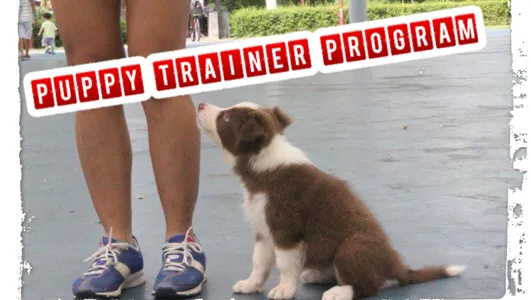
The first few months are the months that count. A puppy's brain is wired to soak up the world between roughly three and sixteen weeks, and what it learns then, about people, other dogs, noises, handling and being left alone, tends to stick for life. That is why getting puppy training right early matters more than almost anything you will do later. The trainers and schools listed here work with Singapore puppies, and the ones worth your time use reward-based methods that build a confident dog rather than a fearful one. Below the listings you will find what a good puppy class actually teaches, how to tell a kind trainer from a harsh one, and the questions to ask before you book. Start sooner rather than later; the socialisation window does not wait for the second vaccination to finish.
- 17 trainers and schools
- 5 regions covered
- 11 positive-reinforcement
- 7 training schools
- 14 with listed certifications
- 4.9 average Google rating
What makes a good puppy trainer
Method comes first. A good puppy trainer uses positive reinforcement: rewarding the behaviour you want rather than punishing the behaviour you do not. Puppies trained with rewards learn faster and grow up more confident, while harsh corrections at this age can plant fears that take years to undo. Look for trainers who describe their approach as reward-based, force-free, or Fear Free aligned, and walk away from anyone who reaches for a choke chain or a prong collar on a baby dog.
Credentials are a useful filter in an unregulated field. Singapore has no licensing for dog trainers, so anyone can hang up a sign. Certifications from bodies like the Certification Council for Professional Dog Trainers or accreditation under the International Association of Animal Behaviour Consultants mean the trainer has demonstrated knowledge and signed up to a humane code. The certification chips on each listing let you see at a glance who has done that work.
Then look at what the class covers and how it runs. A strong puppy program teaches socialisation done safely, bite inhibition, toilet training, name recognition, recall, and being handled for vet visits and grooming. Class sizes should be small, the environment calm, and the trainer should coach you as much as the puppy, because you are the one doing the training the other six days of the week. Group puppy classes add safe socialisation with other pups; private sessions suit a nervous puppy or a busy household.
Dog trainers in Singapore

APawz Dogsports & Canine Talents Academy
APawz is listed by AVS under trainer Jazz Ng. Current class venue, programme availability, facilities and handling methods need direct confirmation before booking.
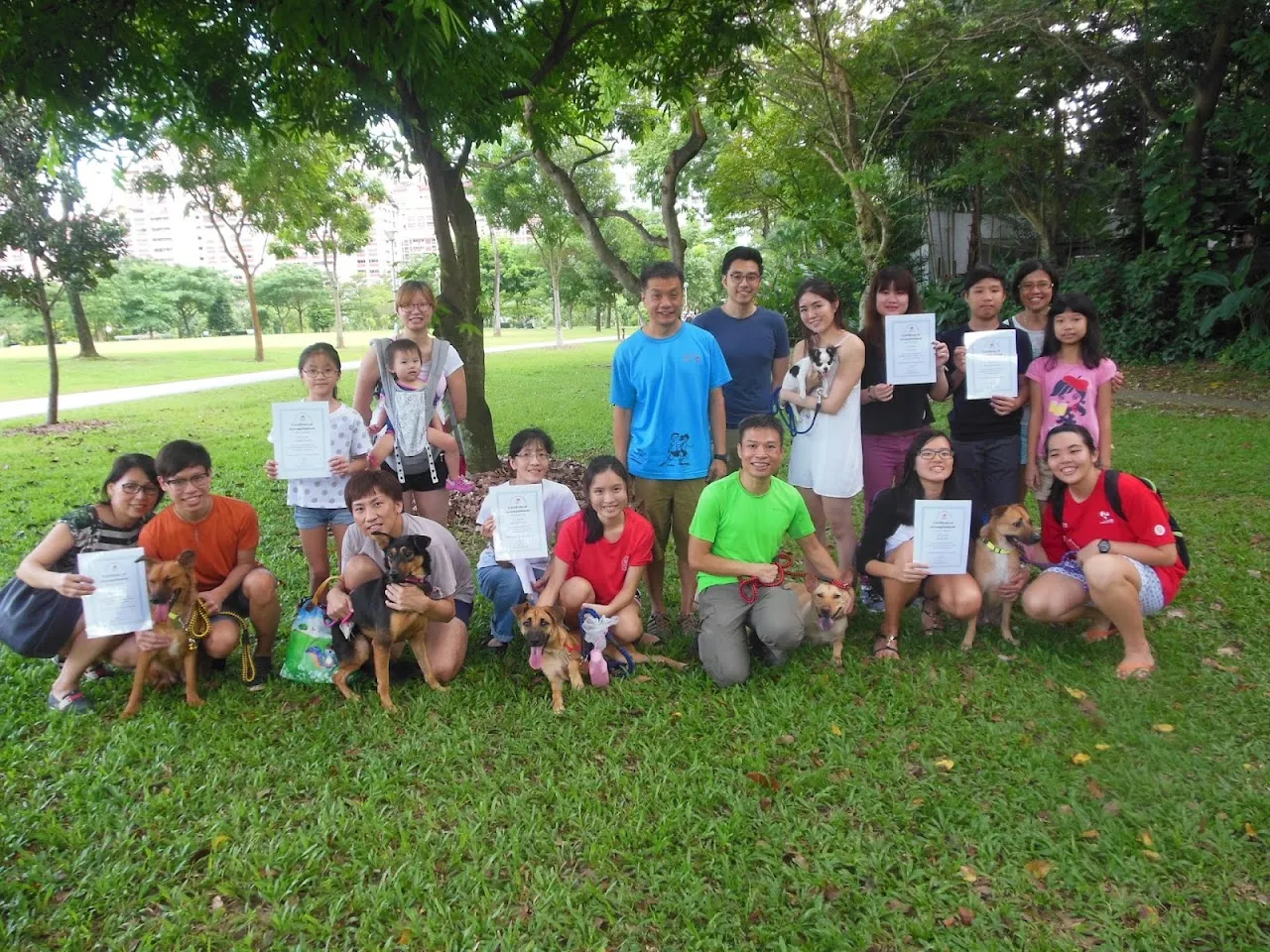
Dog Obedience Training Using Pain free Methods
Dog Listener Consultancy offers classes and home consultations with Ricky Yeo. Ask about the specific methods and equipment used; the provider describes both reinforcement and corrections.
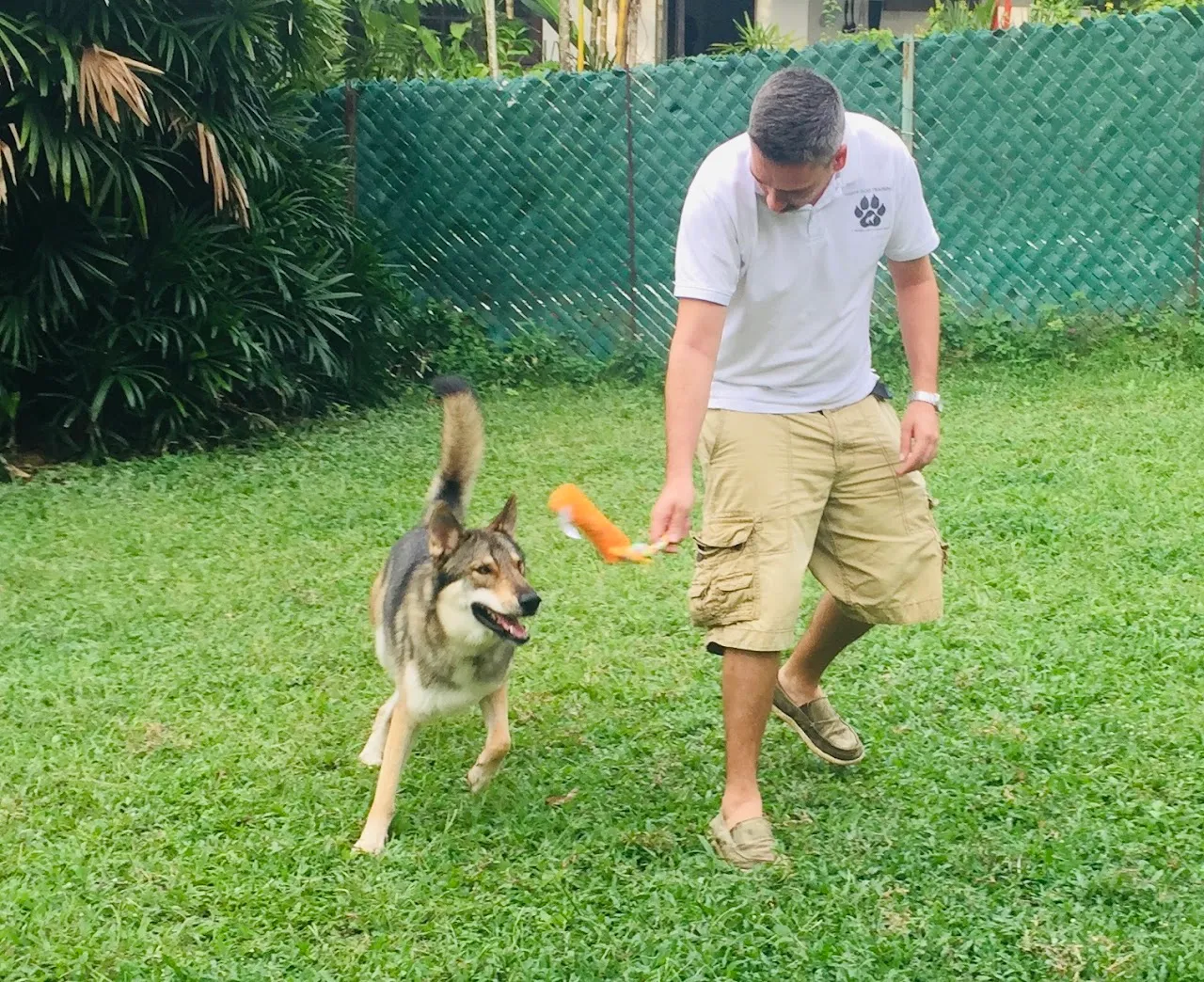
Happy-Dog Training
Happy-Dog Training offers puppy classes, private obedience, behaviour consultations and nosework. Its founder Mark reports CPDT-KA and AVS accreditation; confirm your course format and instructor.
Starrelito K9 Training
Structured dog agility training by booking, including classes for beginners.
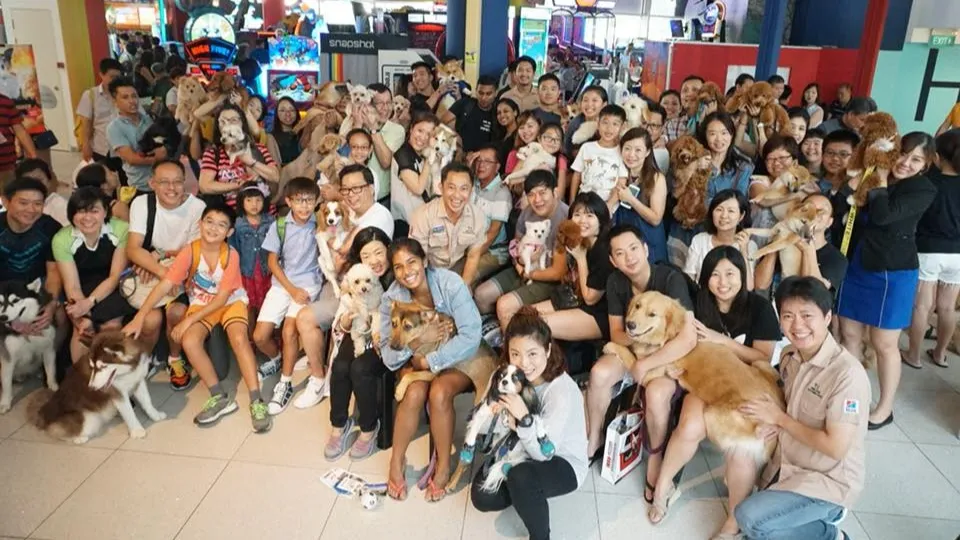
Sunny Chong Dog Training School
Sunny Chong Dog Training School remains listed for direct enquiry. Current programmes, qualifications, training methods and venue details need confirmation with the provider.
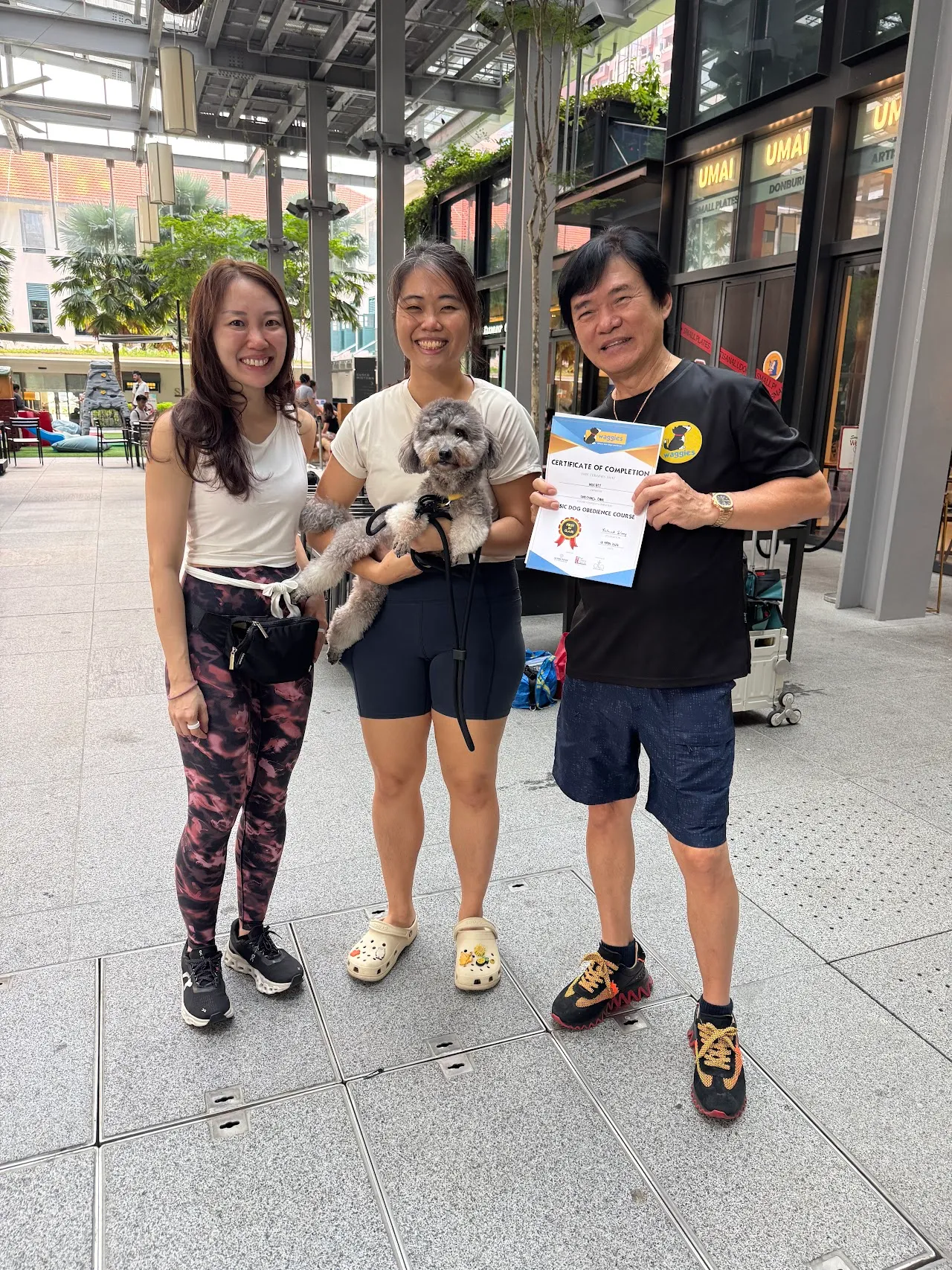
Waggie Dog School - Best Dog Obedience Training In Singapore
Waggie offers group obedience and private training. Ask which instructor will teach your dog and request their methods, equipment and current course terms before booking.
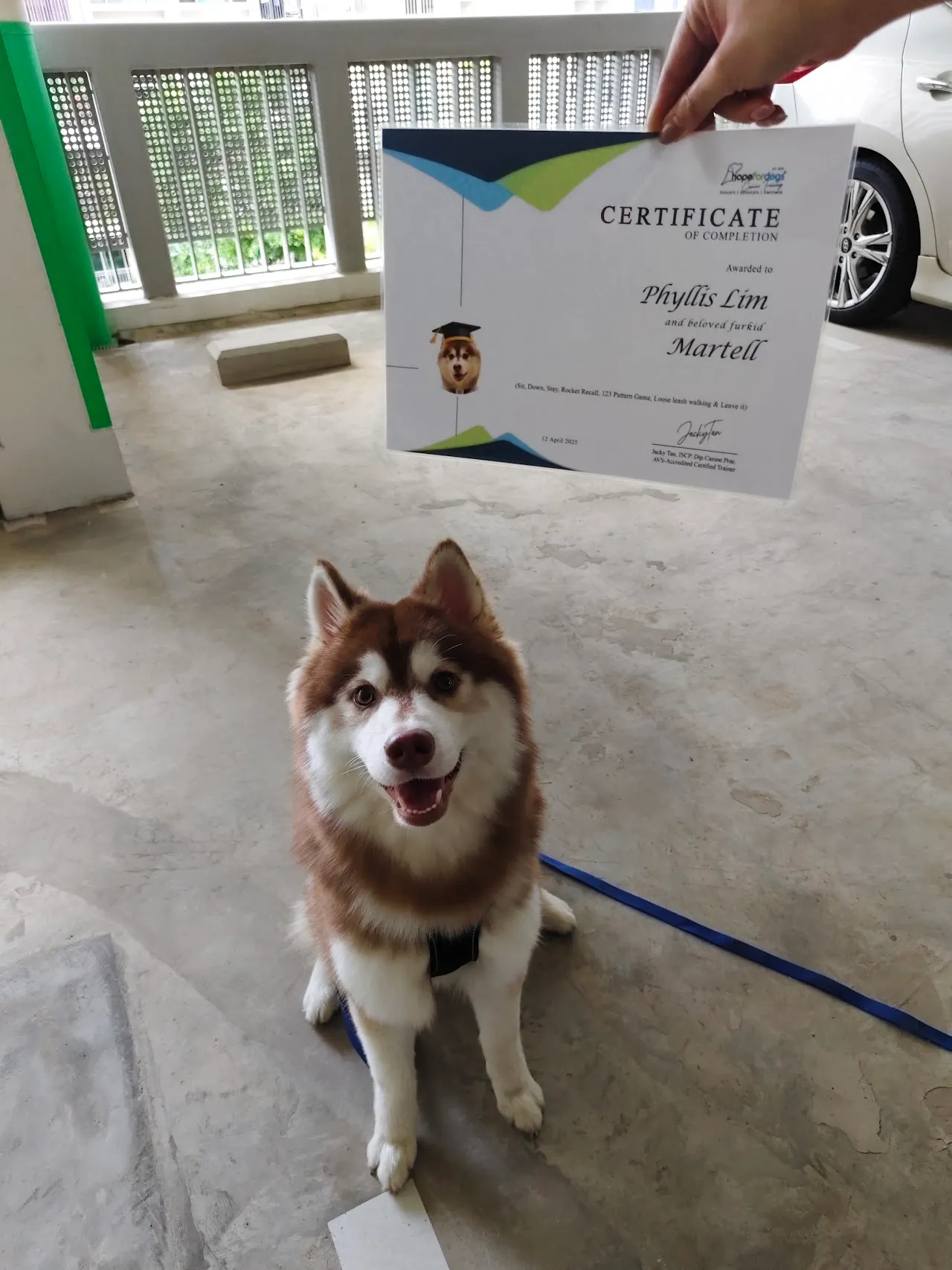
Hopefordogs Canine Training
Hopefordogs offers puppy foundations, basic manners and behaviour-modification support using provider-stated reward-based methods. A canine assessment can help determine the appropriate programme.
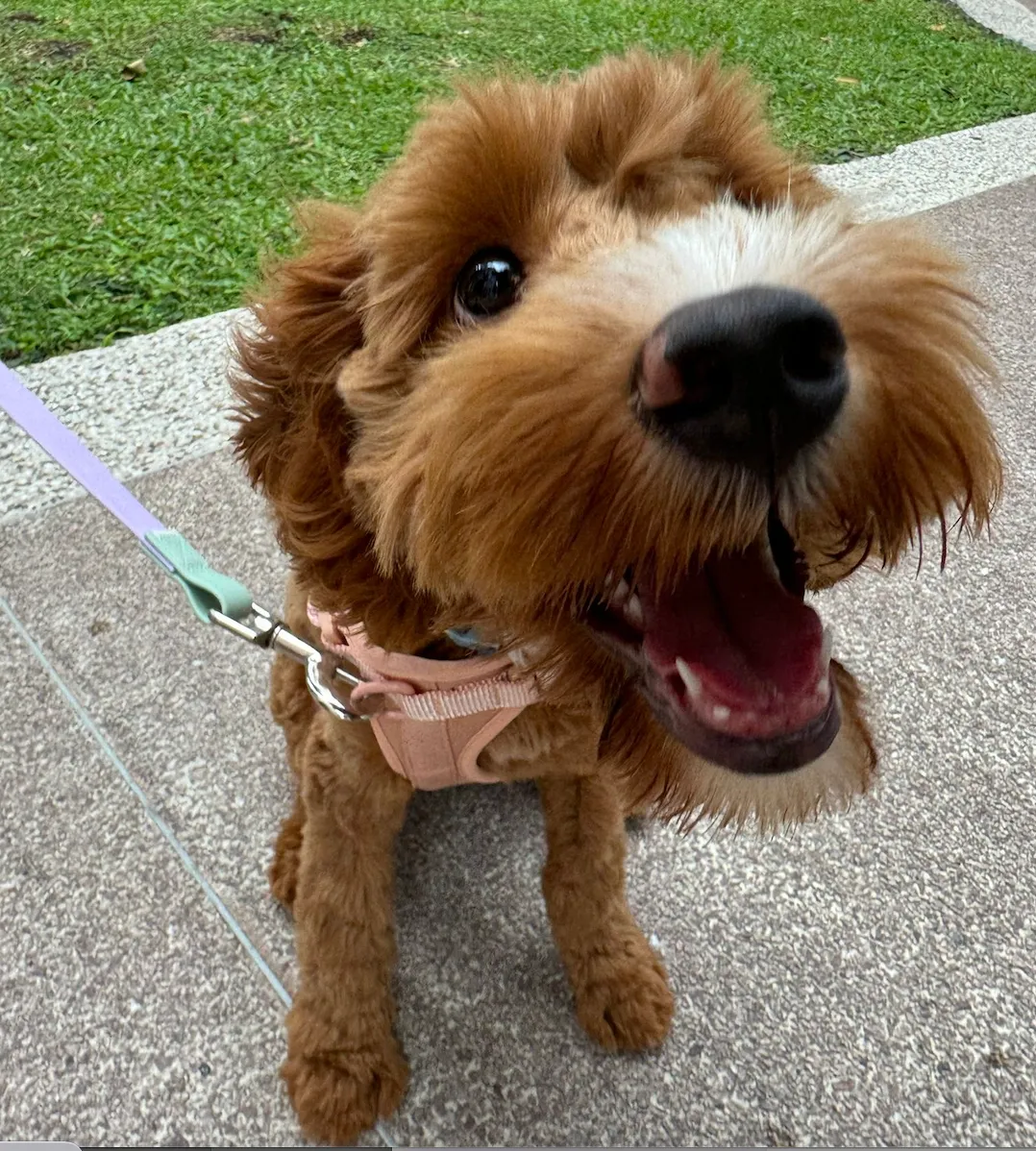
K9 Kampong Dog Training
K9 Kampong offers private puppy, obedience, loose-leash and behaviour-modification programmes. Confirm the instructor and programme suited to your dog before booking.
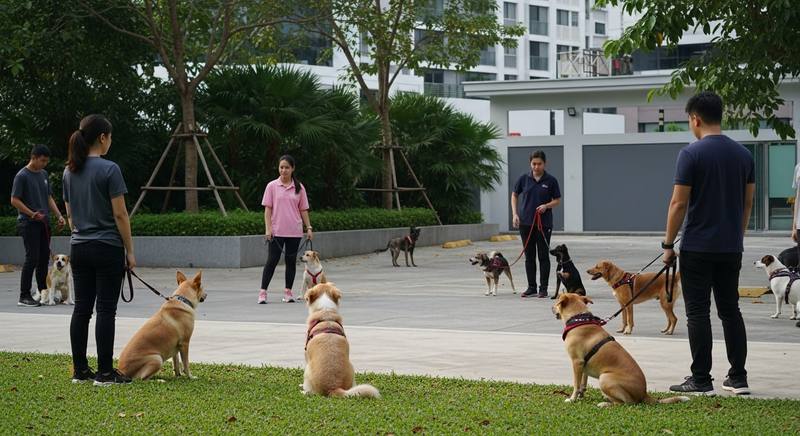
Mutt Matters
Mutt Matters offers individual coaching and behaviour-modification programmes with Anna Koo. Its website lists assessed qualifications and several formats, including owner coaching and day training.
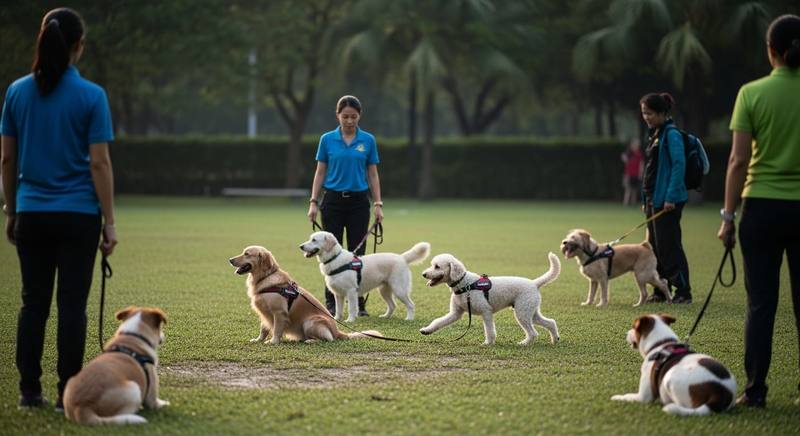
Noble Canine
Noble Canine offers welfare-focused training and care, with force-free handling described on its website. Confirm the named trainer, programme and suitability for your dog before booking.
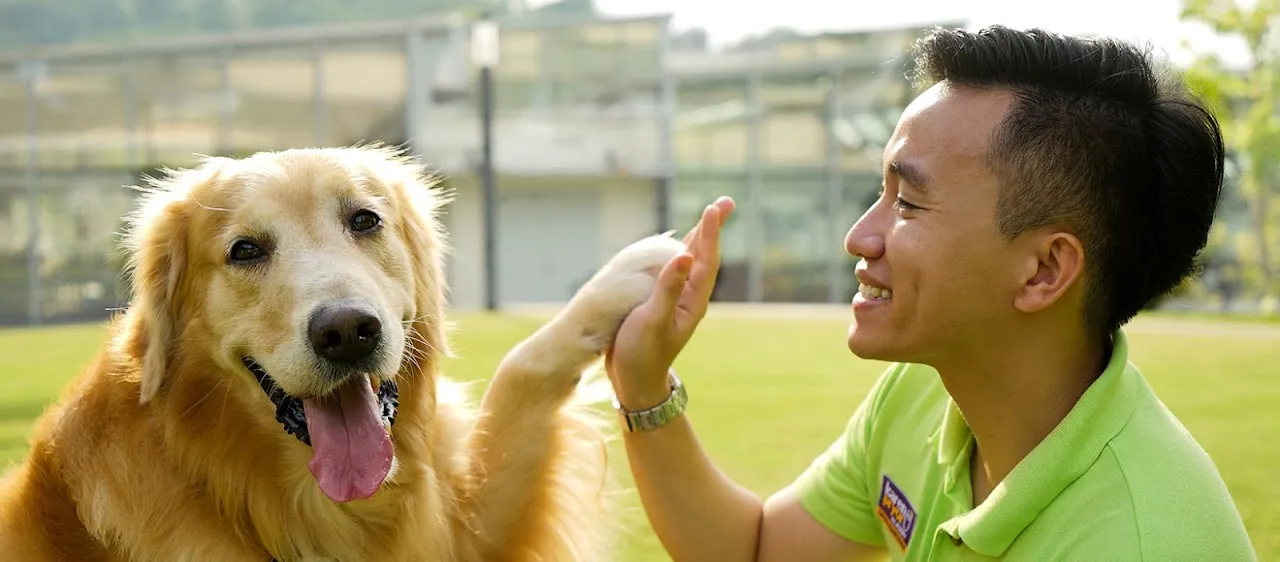
Pawrus Animal Behaviour Clinic
Pawrus offers behaviour and training support. Its published biographies distinguish Kevin Yeo’s behaviour qualifications from Jasline Aiw’s grooming role; confirm the practitioner and current appointment arrangements.
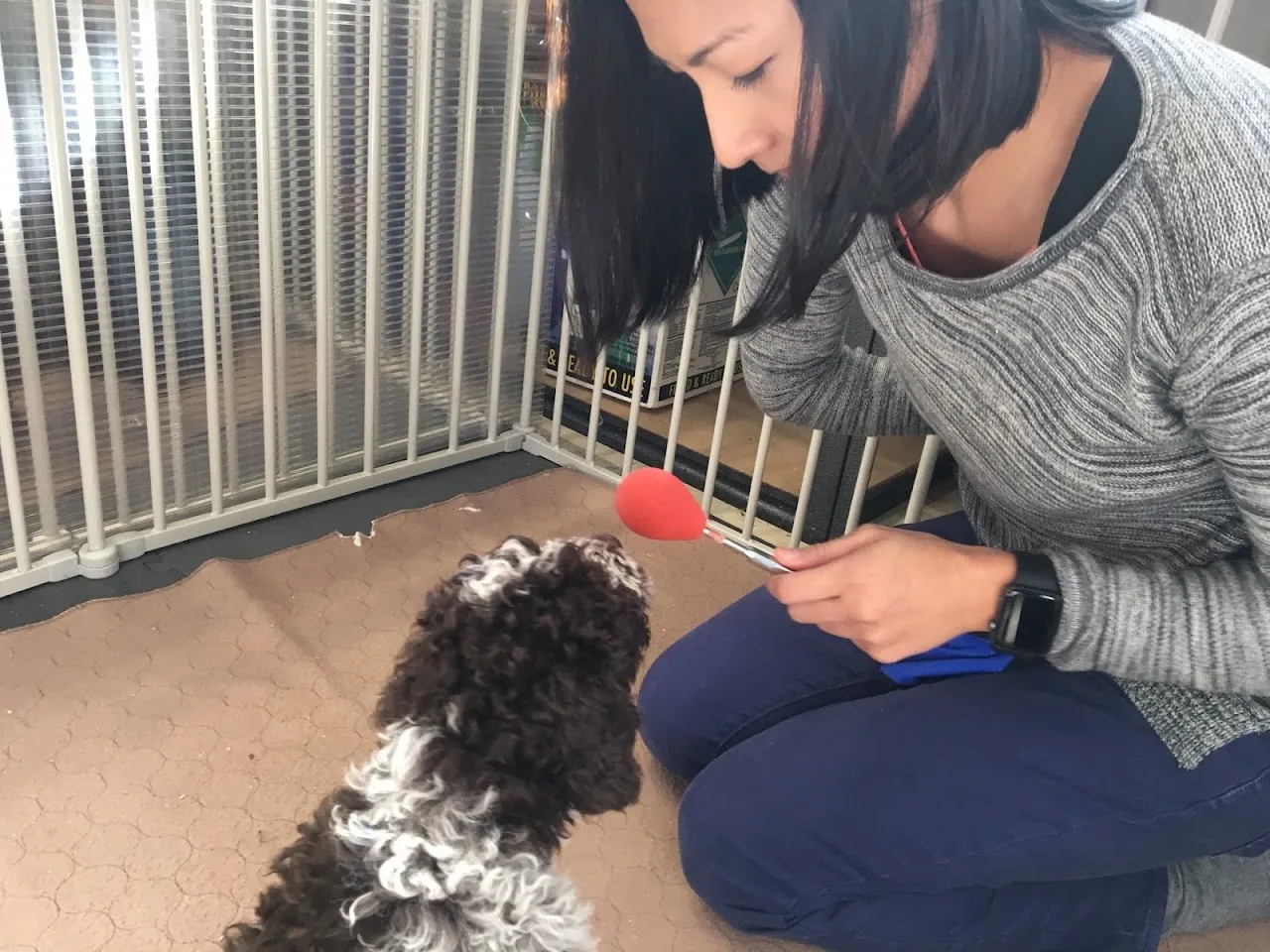
Paws In The City SG Dog Training
Paws In The City offers private in-home training and consultations with Theresa, whose website describes positive reinforcement without force, intimidation, shock or physical corrections.
Pawsitive Furkids Dog Training School
Pawsitive Furkids offers puppy, obedience, trick and nosework training. Its trainers describe a positive-reinforcement approach; confirm the instructor and class format before booking.
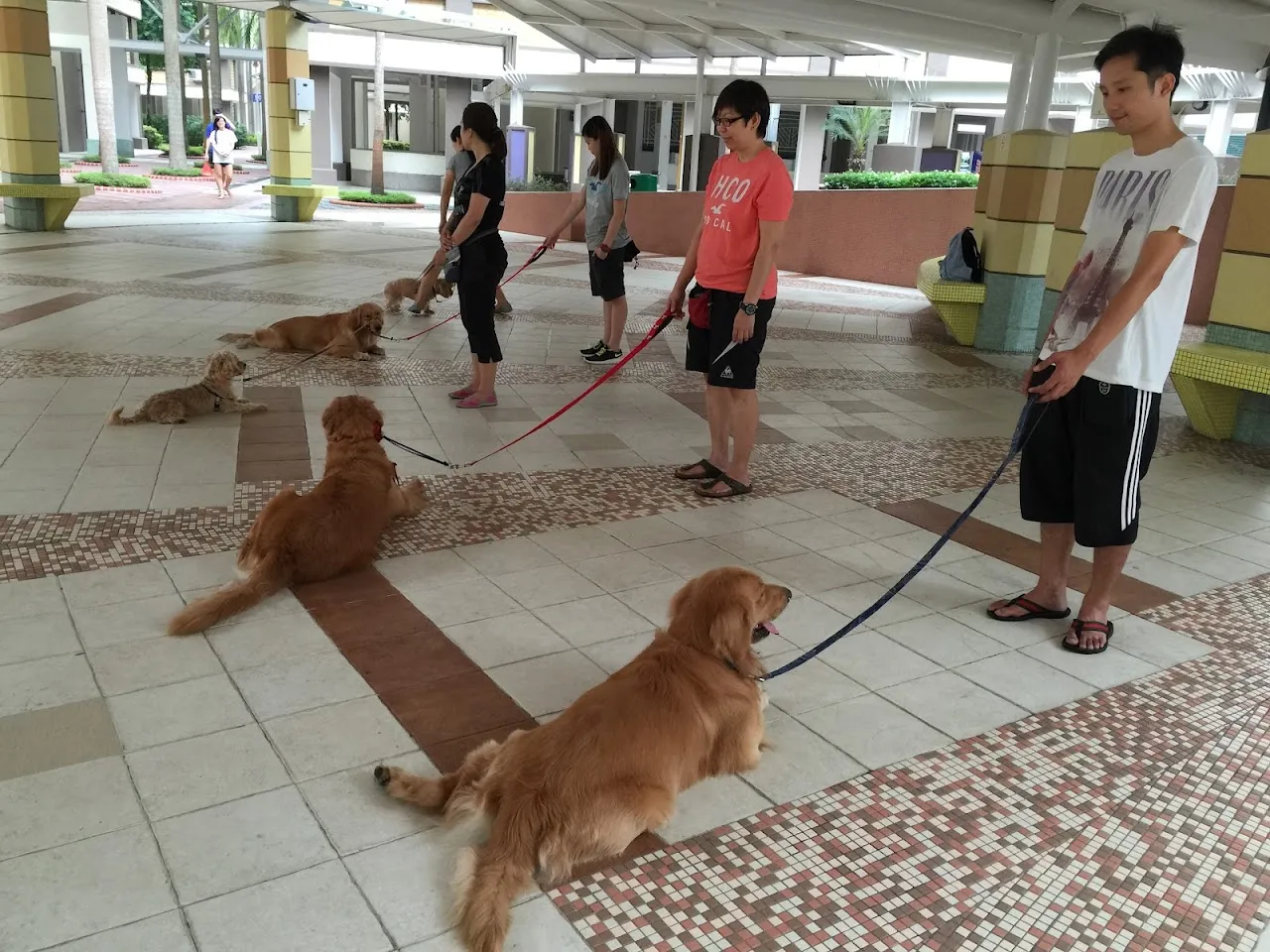
Perfect K9
Perfect K9 offers dog training and publishes trainer qualifications. Ask for the named practitioner and a practical training plan; its separate reiki and animal-communication services are not veterinary care.
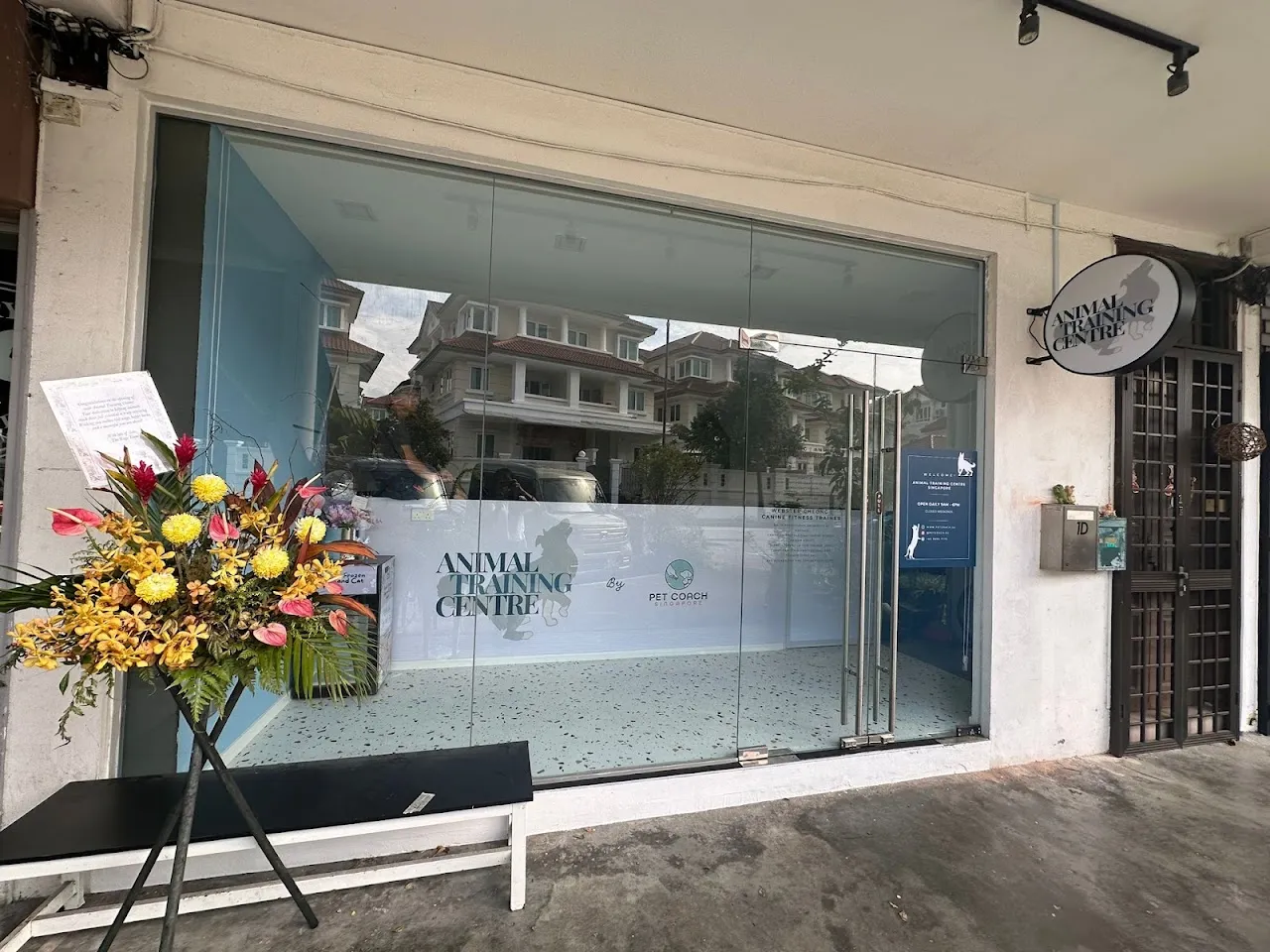
Pet Coach SG | Animal Training Centre
Pet Coach SG offers puppy, obedience, fitness and behaviour programmes. Its founders publish individual qualifications; confirm the practitioner, assessment and plan suited to your dog.
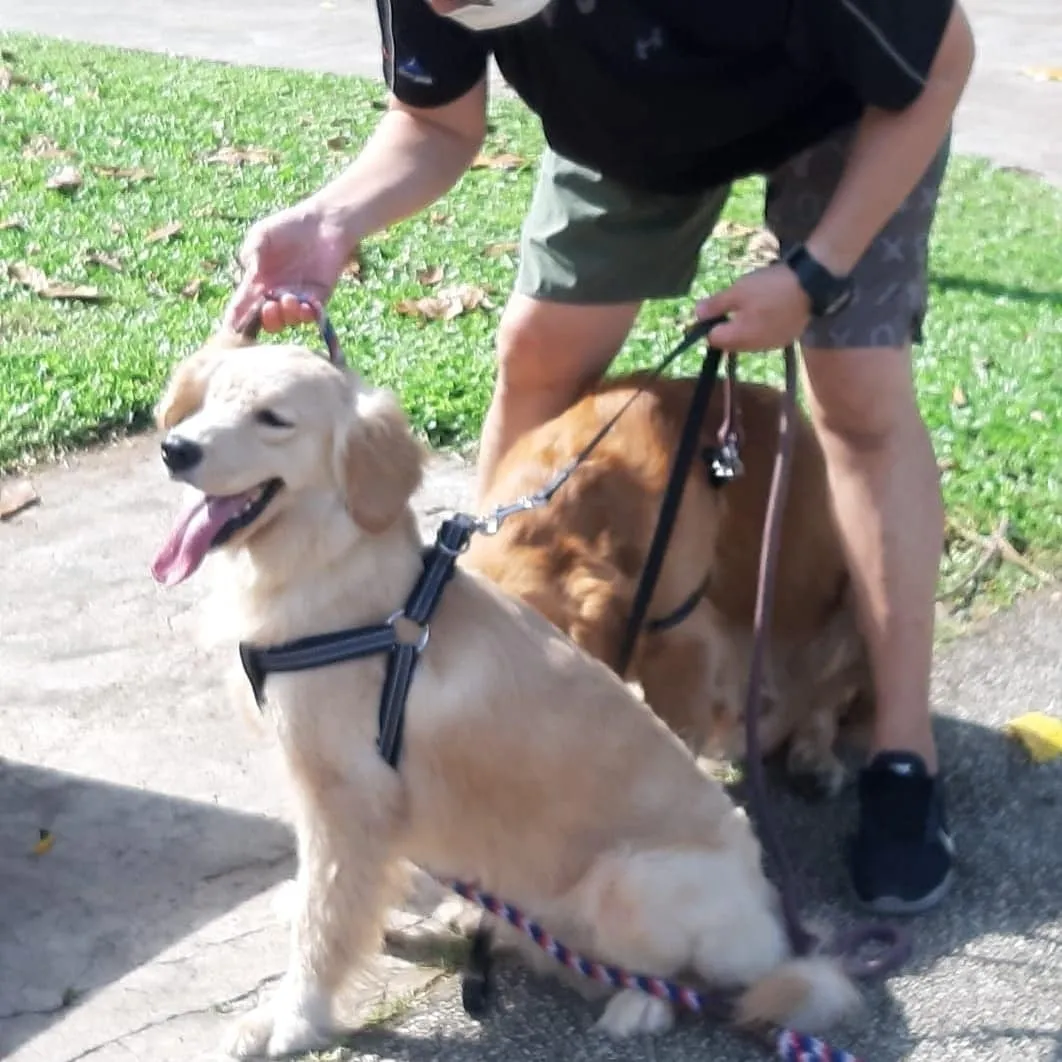
PUPS Dog Training
PUPS Dog Training offers puppy foundations using positive reinforcement. Its website explicitly rules out punishment and aversive methods; ask about the format, location and current intake.
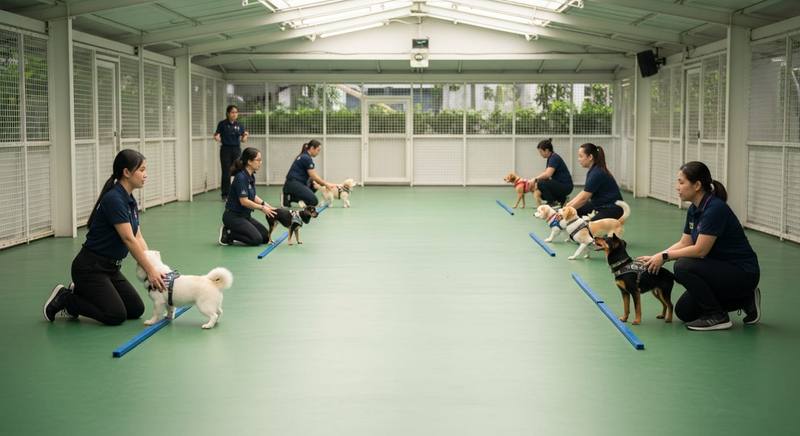
Wigglebutts Academy
Wigglebutts Academy offers dayschool, private consultations, puppy training and reactive-dog support. Its website describes force-free methods and provider-reported KPA CTP and Fear Free credentials.
Things to know about training a puppy in Singapore
The vaccination question trips up a lot of new owners. The old advice was to keep a puppy home until all shots were done, but behaviour experts now agree that the cost of missing the socialisation window is greater than the managed risk of early, careful socialisation. Good puppy classes require an age-appropriate vaccination start and run on clean, disinfected floors so young puppies can attend safely. Ask your vet and your trainer how they handle this; the answer should be considered, not dismissive either way.
Singapore living shapes the syllabus. A city puppy needs to be comfortable with lifts, void decks, delivery riders, the bustle of an HDB estate, and the heat. It needs to settle calmly in a flat without barking at every corridor footstep. The better local trainers build these realities into their classes rather than teaching a generic curriculum. While you are sorting training, get the paperwork done too: the AVS dog licence is a legal requirement once your puppy is old enough.
Set your expectations for the long game. Puppy class is the foundation, not the finish. Toilet training takes weeks, not days, and adolescence around six to twelve months will test everything you taught, as it does with every dog. The owners who come through it calmly are the ones who started with kind methods and kept practising. If you want a structured plan to follow between classes, our training-plan tool builds one around your dog and your goals.
Frequently asked questions
When should I start training my puppy?
Straight away, and ideally in a structured puppy class from around eight to ten weeks. The socialisation window closes by about sixteen weeks, so the early weeks are the most valuable training time you will ever have. Good classes accommodate young puppies safely with vaccination requirements and clean floors.
Is it safe to take my puppy to class before all its vaccinations?
With sensible precautions, yes, and most behaviour experts now recommend it. Reputable puppy classes require an age-appropriate vaccination start, run on disinfected floors, and keep groups small and healthy. The risk of an under-socialised puppy developing lifelong fears generally outweighs the managed disease risk. Confirm the setup with your vet and trainer.
What should a puppy class teach?
Safe socialisation with other puppies and people, bite inhibition, toilet training, name recognition, early recall, and being handled for vet and grooming visits. Just as important, it should coach you on how to keep training at home. Avoid any class that relies on corrections or aversive tools on young puppies.
Group class or private puppy training?
Group classes add safe socialisation with other puppies, which is valuable at this age, and suit a confident pup and an owner who can attend regularly. Private sessions suit a nervous puppy, a specific problem, or a household that needs flexible timing. Many owners do both: a group class plus a private session or two.
How do I choose a puppy trainer in Singapore?
Look for positive-reinforcement methods, recognised certifications, small class sizes, and a trainer who coaches you as well as the puppy. Singapore does not license trainers, so credentials and method matter more than marketing. The listings here flag certifications and approach so you can compare on substance.
How much does puppy training cost in Singapore?
Group puppy classes typically run a few hundred dollars for a multi-week course, while private in-home sessions cost more per hour. Prices vary by trainer and format. Weigh it against the years of easier living that early training buys; it is one of the highest-return things you can spend on a new dog.
My puppy bites a lot. Is that normal?
Yes. Puppies explore with their mouths and learn bite inhibition through play and gentle feedback, which a good class teaches you to guide rather than punish. Mouthing usually eases as the adult teeth come in and training takes hold. If it is intense or escalating, a trainer can help you channel it constructively.