
Best dog trainers for basic obedience in Singapore
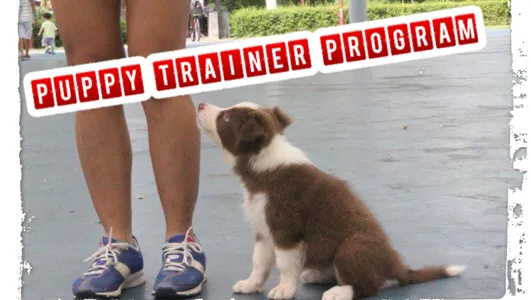
Basic obedience is the quiet foundation that makes everything else with a dog easier. A dog that sits when asked, settles on cue, comes when called, and walks without dragging you down the corridor is a dog you can take more places and worry about less. None of it is complicated, but doing it well, so the behaviours hold up around distractions and not just in the living room, is where a good trainer earns their fee. The trainers and schools listed here teach obedience to Singapore dogs, and the ones worth choosing build it with rewards, so your dog works because it wants to, not because it is afraid not to. Below you will find what a solid obedience program covers, how to spot a trainer who will set you up to succeed at home, and the questions to ask before you sign up.
- 17 trainers and schools
- 5 regions covered
- 11 positive-reinforcement
- 7 training schools
- 14 with listed certifications
- 4.9 average Google rating
What makes a good obedience trainer
Reward-based method is the mark of a modern obedience trainer, and it works better. A dog taught with positive reinforcement offers behaviours willingly and keeps a happy, engaged attitude, while one trained through corrections tends to comply narrowly and shut down. For everyday obedience there is no reason to use aversive tools, and the trainers worth your time will tell you so. Look for positive-reinforcement, force-free, or clicker-based approaches, and certifications from bodies like the Certification Council for Professional Dog Trainers in an otherwise unregulated field.
A good trainer teaches you as much as your dog. Obedience is built in the hours between sessions, in your flat and on your walks, so the trainer's real job is to make you a competent handler: clear timing, consistent cues, the right rewards, and a plan to follow. A class that drills the dog while you watch passively achieves little. Look for one that coaches your mechanics and sends you home with homework you understand.
Then weigh format and progression. Group classes are good value and add the useful challenge of working around other dogs and people, which is where obedience needs to hold up. Private or in-home sessions suit a dog that struggles in groups, a specific sticking point, or a busy schedule. The strongest programs build from easy, low-distraction wins to real-world reliability: a recall that works at the park, a settle that holds in a cafe, a loose lead in a busy void deck.
Dog trainers in Singapore

APawz Dogsports & Canine Talents Academy
APawz is listed by AVS under trainer Jazz Ng. Current class venue, programme availability, facilities and handling methods need direct confirmation before booking.
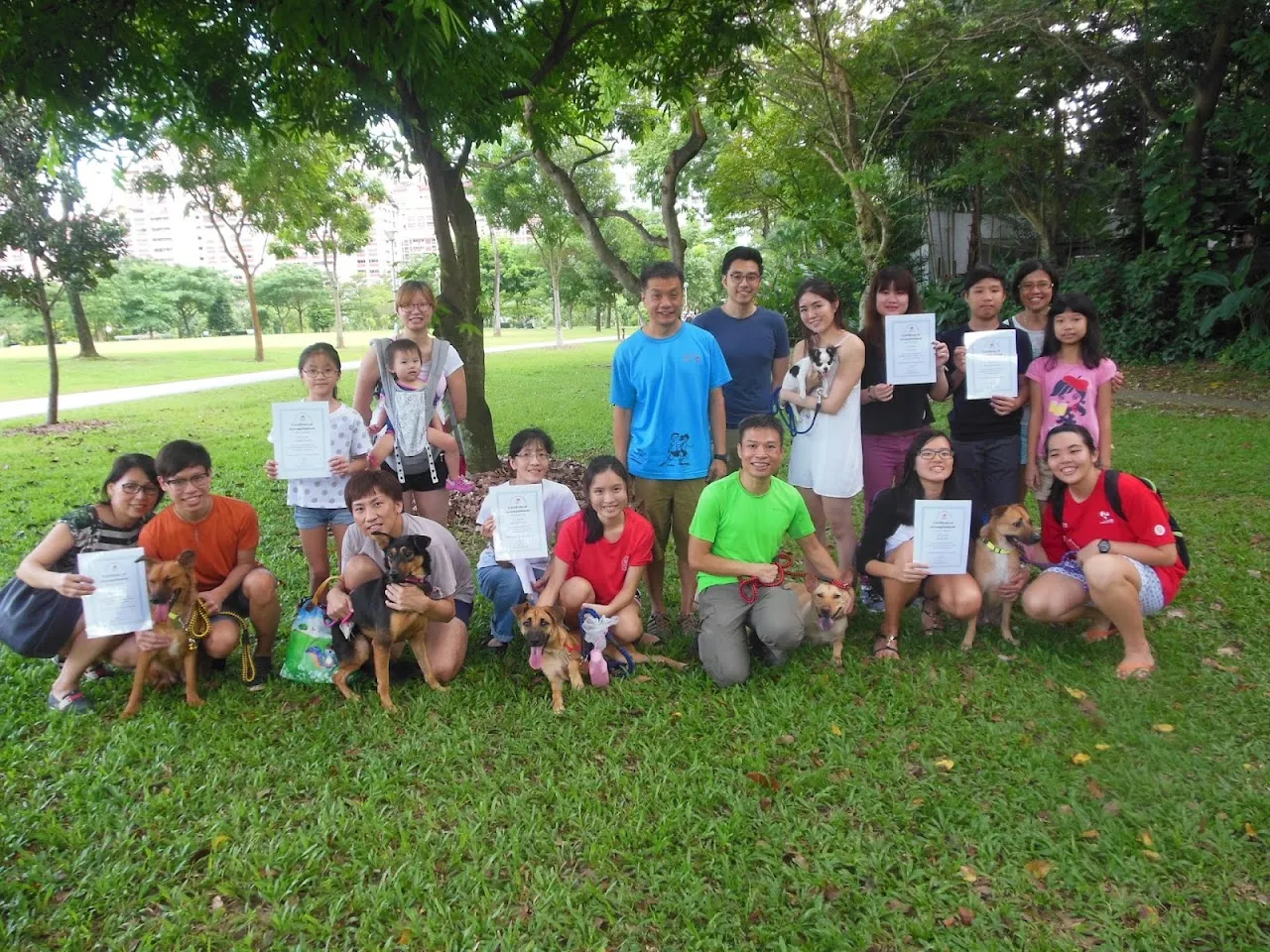
Dog Obedience Training Using Pain free Methods
Dog Listener Consultancy offers classes and home consultations with Ricky Yeo. Ask about the specific methods and equipment used; the provider describes both reinforcement and corrections.
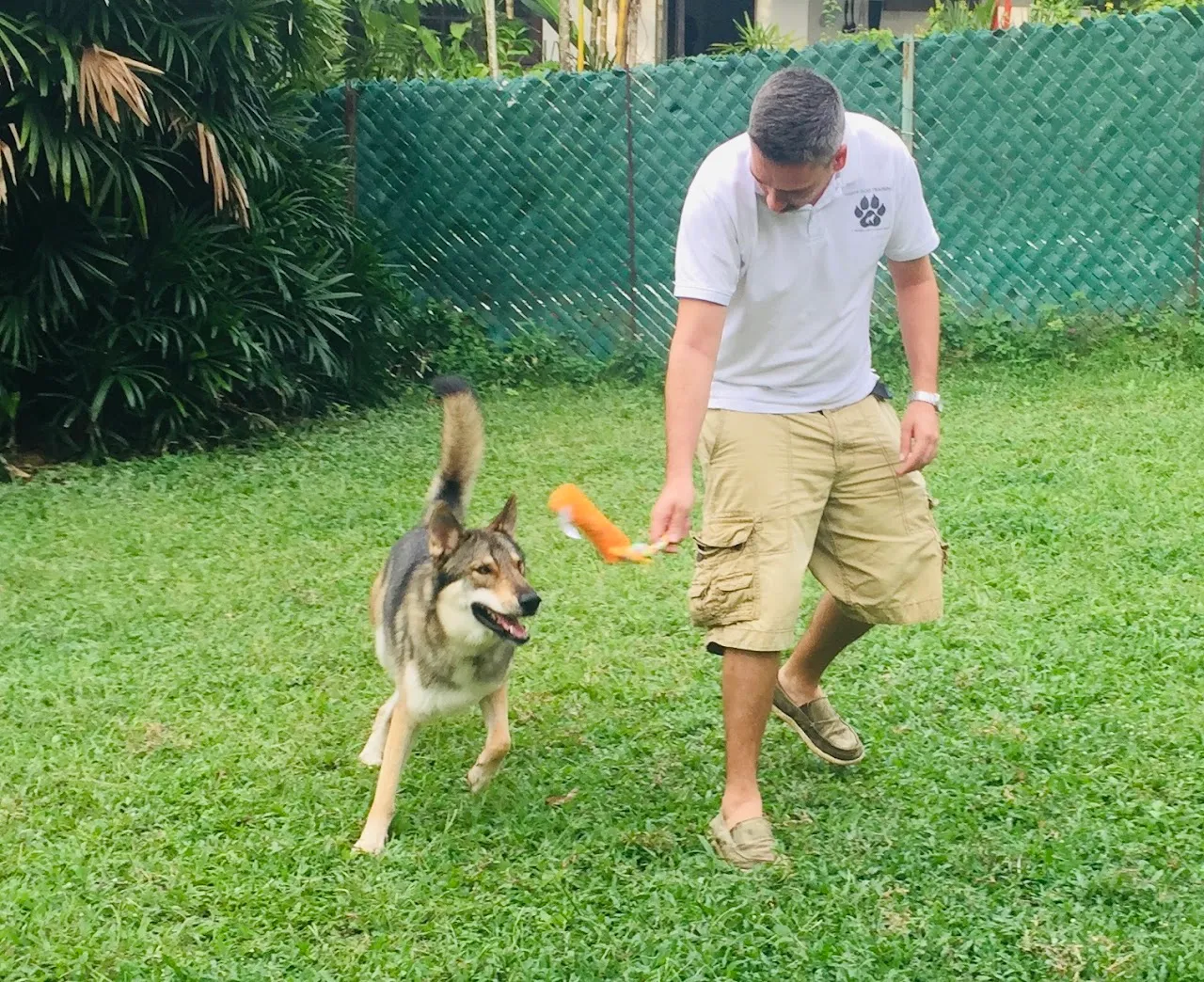
Happy-Dog Training
Happy-Dog Training offers puppy classes, private obedience, behaviour consultations and nosework. Its founder Mark reports CPDT-KA and AVS accreditation; confirm your course format and instructor.
Starrelito K9 Training
Structured dog agility training by booking, including classes for beginners.
Sunny Chong Dog Training School
Sunny Chong Dog Training School remains listed for direct enquiry. Current programmes, qualifications, training methods and venue details need confirmation with the provider.
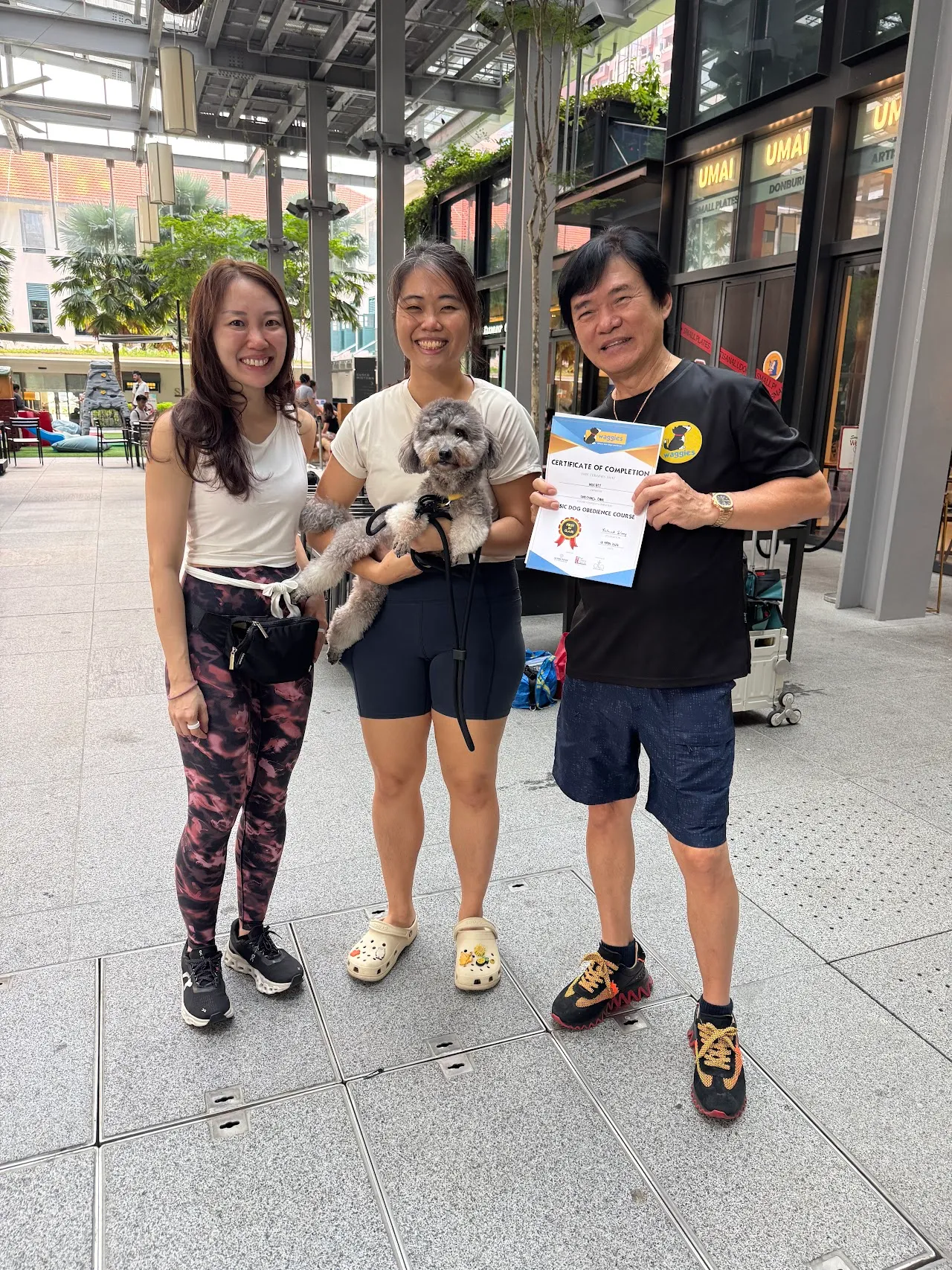
Waggie Dog School - Best Dog Obedience Training In Singapore
Waggie offers group obedience and private training. Ask which instructor will teach your dog and request their methods, equipment and current course terms before booking.
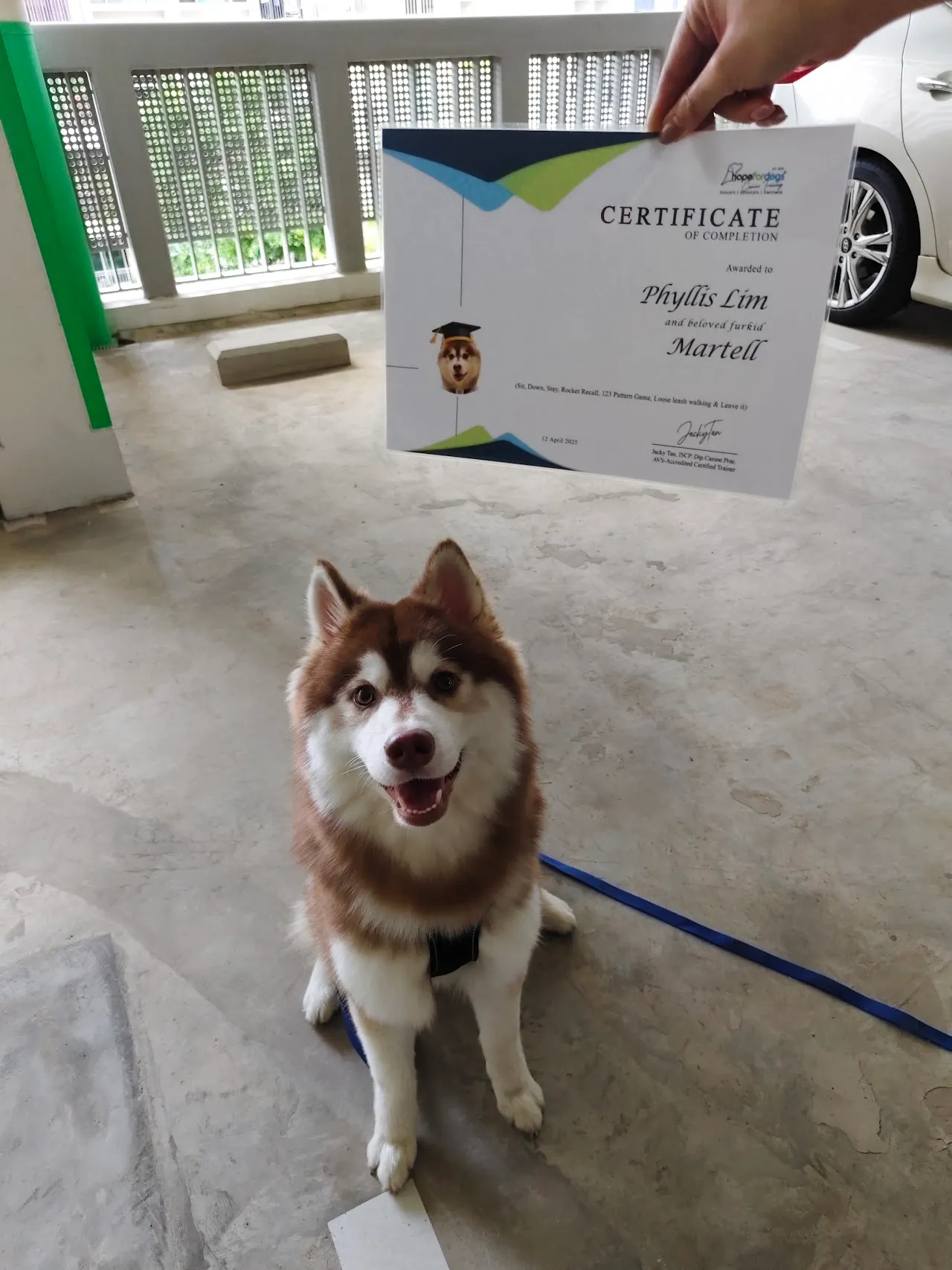
Hopefordogs Canine Training
Hopefordogs offers puppy foundations, basic manners and behaviour-modification support using provider-stated reward-based methods. A canine assessment can help determine the appropriate programme.
K9 Kampong Dog Training
K9 Kampong offers private puppy, obedience, loose-leash and behaviour-modification programmes. Confirm the instructor and programme suited to your dog before booking.
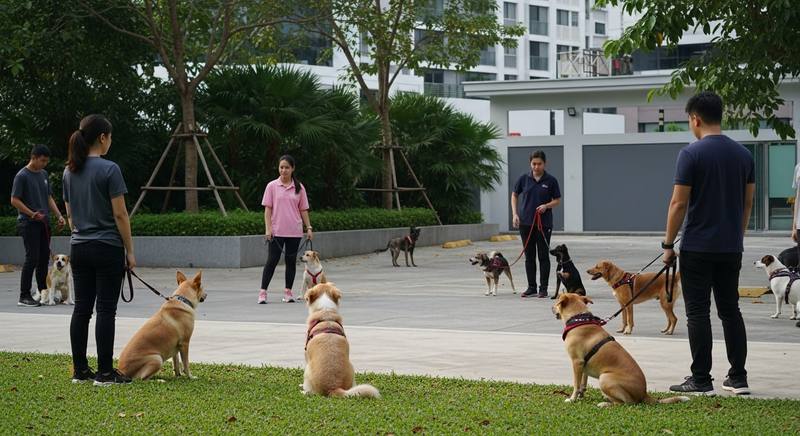
Mutt Matters
Mutt Matters offers individual coaching and behaviour-modification programmes with Anna Koo. Its website lists assessed qualifications and several formats, including owner coaching and day training.
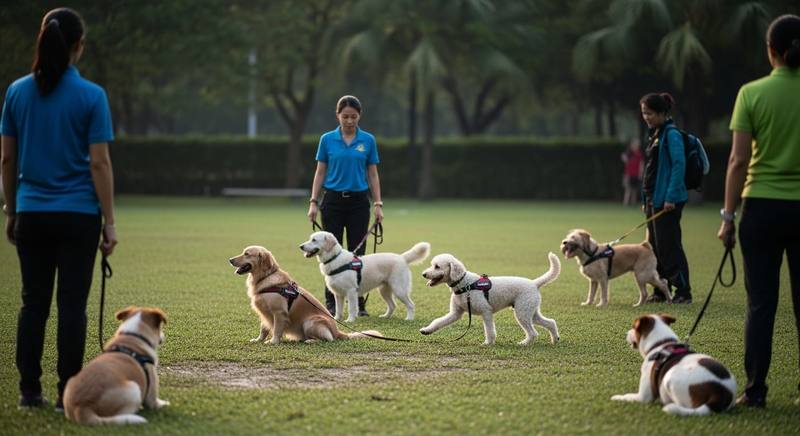
Noble Canine
Noble Canine offers welfare-focused training and care, with force-free handling described on its website. Confirm the named trainer, programme and suitability for your dog before booking.
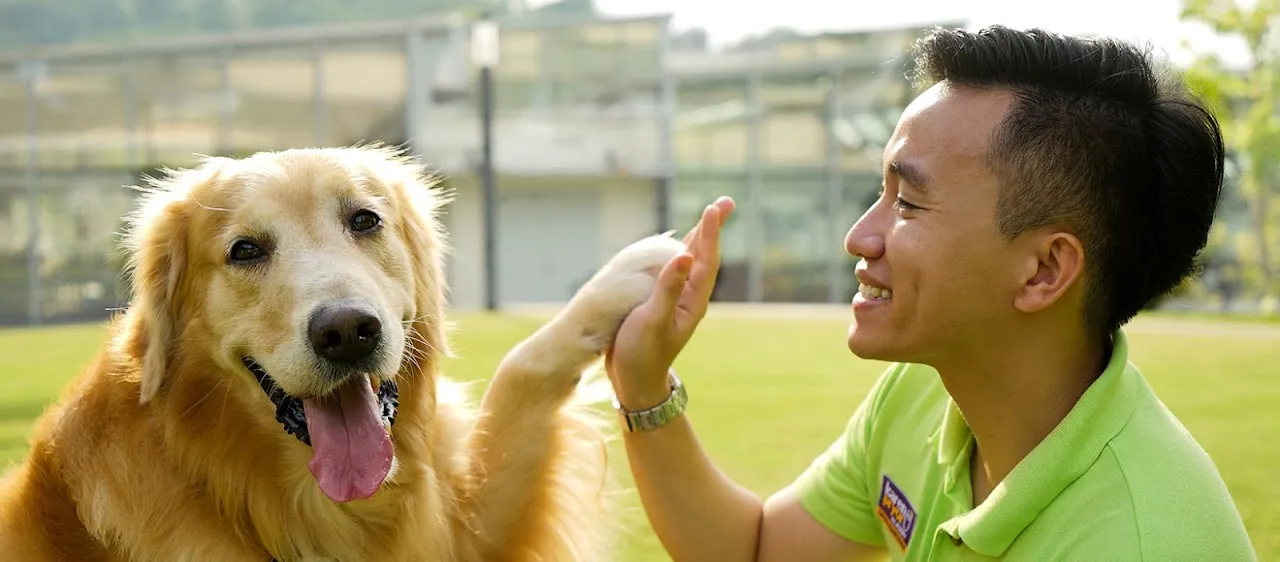
Pawrus Animal Behaviour Clinic
Pawrus offers behaviour and training support. Its published biographies distinguish Kevin Yeo’s behaviour qualifications from Jasline Aiw’s grooming role; confirm the practitioner and current appointment arrangements.
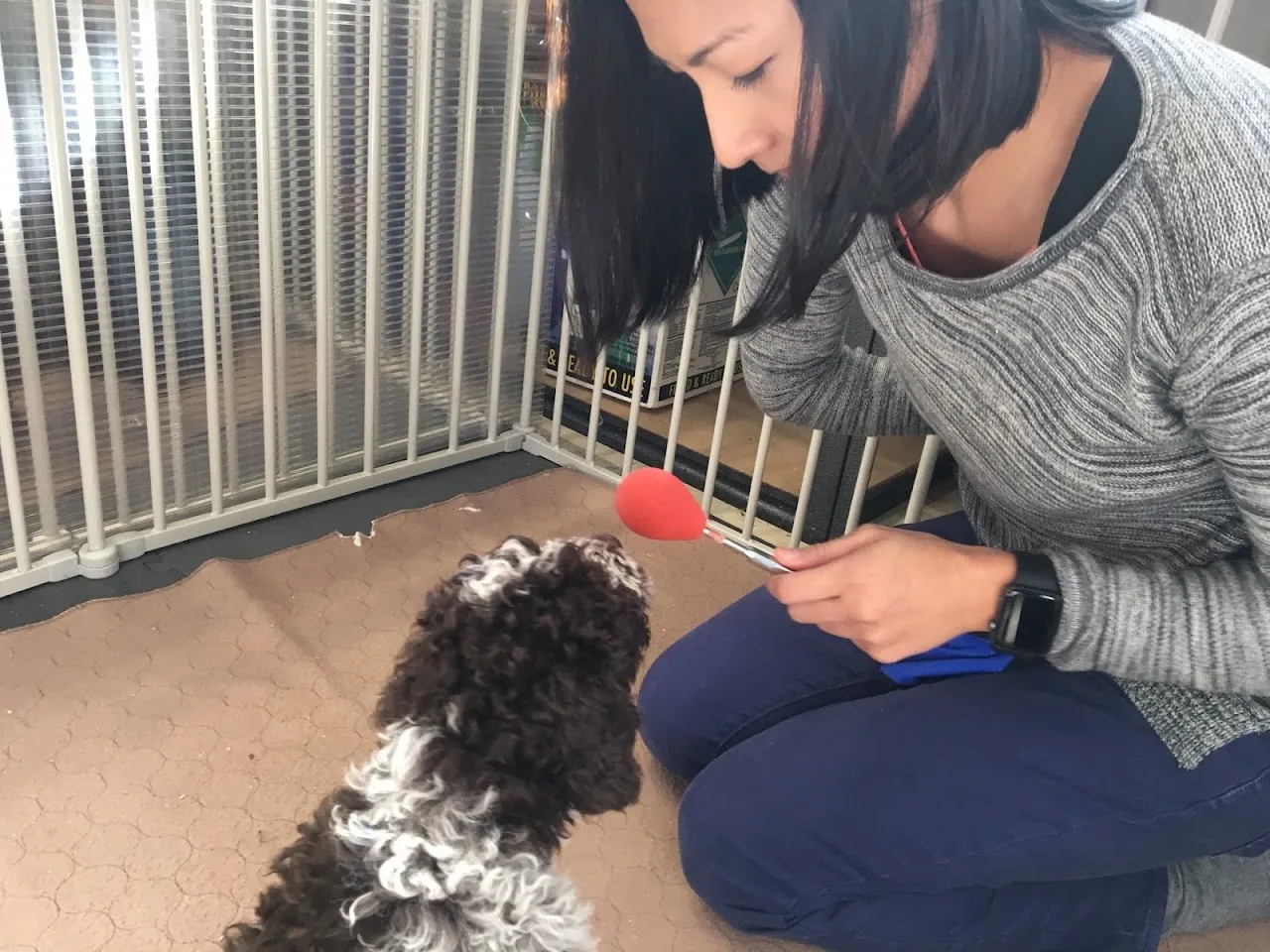
Paws In The City SG Dog Training
Paws In The City offers private in-home training and consultations with Theresa, whose website describes positive reinforcement without force, intimidation, shock or physical corrections.
Pawsitive Furkids Dog Training School
Pawsitive Furkids offers puppy, obedience, trick and nosework training. Its trainers describe a positive-reinforcement approach; confirm the instructor and class format before booking.
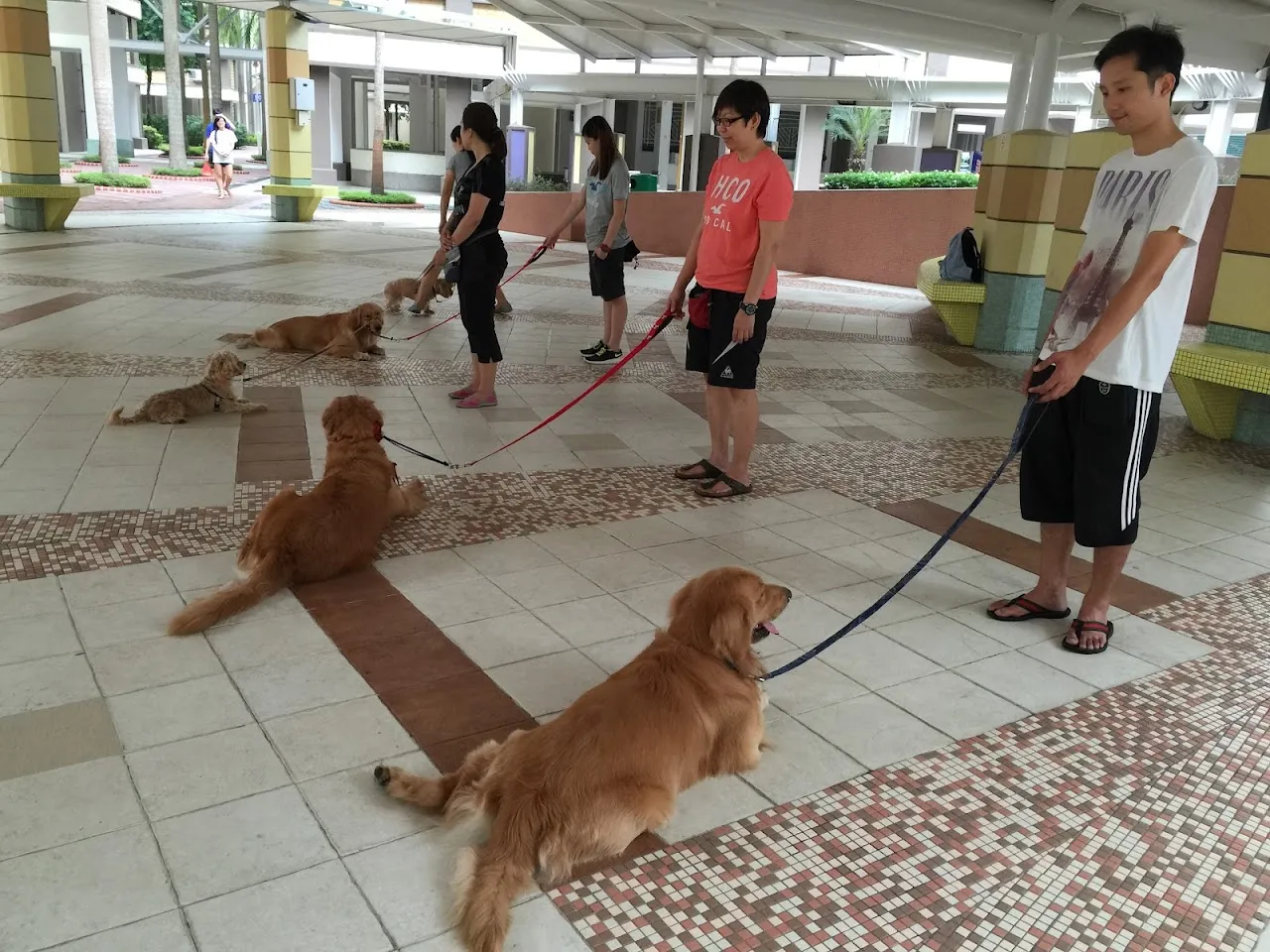
Perfect K9
Perfect K9 offers dog training and publishes trainer qualifications. Ask for the named practitioner and a practical training plan; its separate reiki and animal-communication services are not veterinary care.
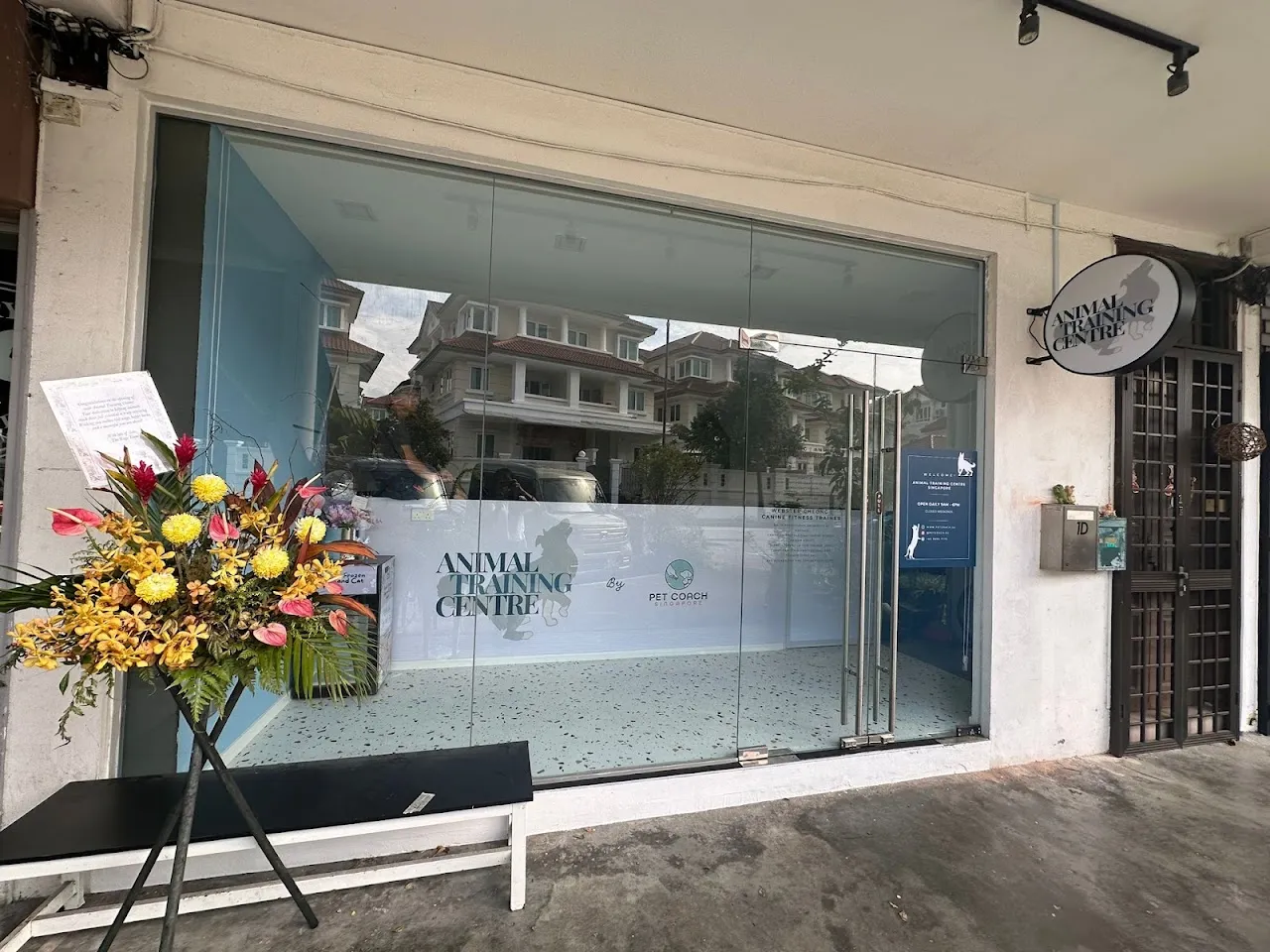
Pet Coach SG | Animal Training Centre
Pet Coach SG offers puppy, obedience, fitness and behaviour programmes. Its founders publish individual qualifications; confirm the practitioner, assessment and plan suited to your dog.
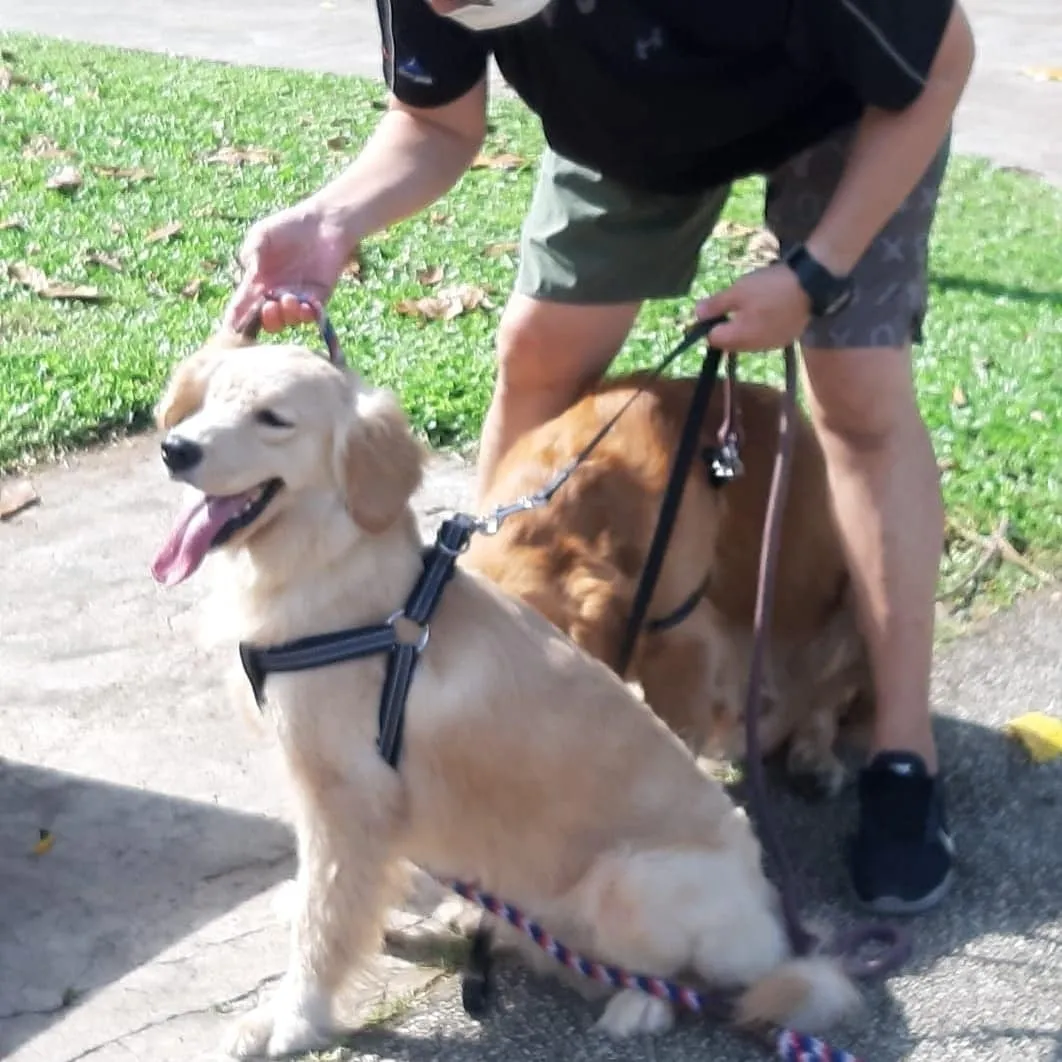
PUPS Dog Training
PUPS Dog Training offers puppy foundations using positive reinforcement. Its website explicitly rules out punishment and aversive methods; ask about the format, location and current intake.
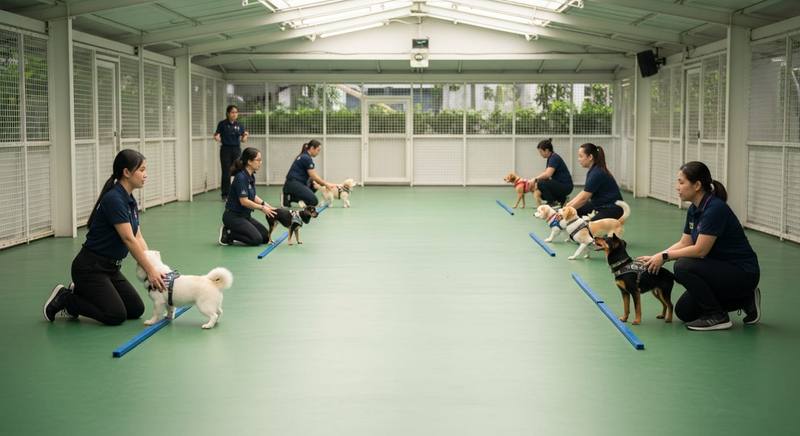
Wigglebutts Academy
Wigglebutts Academy offers dayschool, private consultations, puppy training and reactive-dog support. Its website describes force-free methods and provider-reported KPA CTP and Fear Free credentials.
Things to know about obedience training in Singapore
City life raises the bar for what "obedient" has to mean. A Singapore dog needs a loose lead in tight corridors, a calm settle in a flat where neighbours are a wall away, and a reliable recall for the off-lead moments at a dog run. The better local trainers teach to these realities rather than to a generic syllabus, proofing the behaviours in lifts, void decks and the heat where you will actually need them.
Consistency at home is what makes it stick, and it is the part trainers cannot do for you. A dog that is asked to sit one day and allowed to ignore it the next learns that cues are optional. Everyone in the household using the same words and the same rules, and practising in short, frequent sessions, beats one long lesson a week. If you want a structured routine to follow between classes, our training-plan tool builds one around your dog and your goals.
Keep the foundations in good order while you train. A dog that is exercised in the cooler hours, mentally engaged, and not bored stupid in a flat all day is a dog that learns faster and behaves better; much of what looks like disobedience is unspent energy. Make sure the basics like the AVS dog licence and vaccinations are sorted too, so your trained dog can join you at the places that ask for them. Obedience is not a six-week course you finish; it is a habit you keep, and the easiest dogs to live with belong to owners who kept practising.
Frequently asked questions
What does basic obedience training cover?
The core cues most owners need: sit, down, stay, come when called, leave it, and loose-lead walking, plus a calm settle. A good program also proofs these around distractions so they hold up in the real world, and coaches you to maintain them at home. It is the foundation that makes living with and taking your dog places much easier.
How long does it take to train basic obedience?
Dogs pick up the basics within a few weeks of consistent practice, but reliability around distractions takes longer, often a few months. Short, frequent sessions beat occasional long ones. The behaviours stick when the whole household stays consistent and keeps practising after the formal classes end; obedience is a habit, not a one-off course.
Group class or private obedience training?
Group classes are good value and teach your dog to focus around other dogs and people, which is exactly where obedience needs to work. Private or in-home sessions suit a dog that struggles in a group, a specific problem, or a tight schedule. Many owners combine both for the best of each.
Do I need a trainer or can I teach obedience myself?
Many owners teach the basics themselves with good guidance, and our free training guides can help. A trainer is worth it for clear technique, faster progress, proofing around distractions, and fixing habits before they set. Even a few sessions to get your timing and mechanics right can save weeks of muddling through alone.
Should obedience training use treats or corrections?
Rewards. Dogs trained with positive reinforcement learn faster and keep a willing, confident attitude, while correction-based methods tend to produce narrow compliance and stress. For everyday obedience there is no need for aversive tools, and most qualified trainers will steer you firmly toward reward-based methods.
How much does obedience training cost in Singapore?
Group obedience courses typically run a few hundred dollars over several weeks, while private in-home sessions cost more per hour but are tailored to your dog. Prices vary by trainer and format. Weigh the cost against years of easier living with a dog you can take more places and trust off the sofa.
My dog listens at home but not outside. Why?
Because you have not yet proofed the behaviours around distractions. A cue learned in a quiet living room does not automatically transfer to a busy void deck or a park full of smells. Good training deliberately practises in gradually harder environments, which is exactly the gap a trainer helps you close.