
Best dog trainers for leash training in Singapore
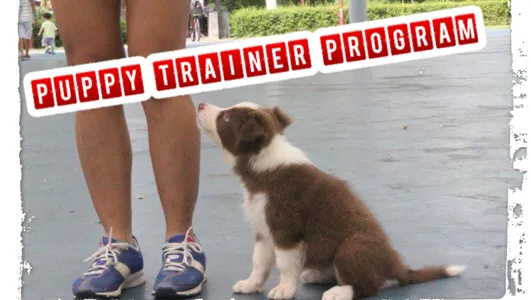
Loose-lead walking is the single skill a Singapore dog uses most, and the one most owners quietly struggle with. Every walk runs through tight corridors, shared lift lobbies and busy void decks, and a dog that drags you down them turns the best part of the day into a tug of war. Pulling is not stubbornness; dogs pull because it works, because the interesting world is always at the end of a taut lead. The trainers listed here teach loose-lead walking to Singapore dogs, and the ones worth choosing fix it with rewards and good mechanics rather than with equipment designed to hurt. Below you will find why dogs pull, why choke and prong collars are the wrong answer, and what a good trainer will teach you to do instead so walks become something you both look forward to.
- 17 trainers and schools
- 5 regions covered
- 11 positive-reinforcement
- 7 training schools
- 14 with listed certifications
- 4.9 average Google rating
What makes a good leash-training approach
The method tells you everything. Pulling is a trained habit, and the humane fix is to reward the dog for keeping the lead loose and to stop rewarding it for pulling, usually by stopping when the lead goes tight. It takes timing and consistency, which is exactly what a good trainer teaches you. Be wary of anyone whose answer to pulling is a tool that works through discomfort. Choke chains and prong collars can suppress pulling by hurting the dog, but they do nothing to teach it where to walk and can create new problems.
Equipment should make training easier, not do the work through pain. A well-fitted harness, particularly a front-clip design, and a standard lead give you a humane setup to train from. The right trainer fits the gear correctly and then teaches the behaviour, rather than selling the gear as the solution. Look for positive-reinforcement and force-free trainers, and the certification chips that flag those who have studied under bodies like the Certification Council for Professional Dog Trainers.
Then judge the teaching. Good leash training is coached, because you are the one on the other end of the lead every day. The trainer should fix your mechanics: where you hold the lead, when you reward, how you handle the moment your dog surges ahead. In-home and quiet-street sessions let you build the skill where you actually walk, then proof it in the busier environments of a real estate. A trainer who works your real route is worth more than one who only drills in a hall.
Dog trainers in Singapore
APawz Dogsports & Canine Talents Academy
APawz is listed by AVS under trainer Jazz Ng. Current class venue, programme availability, facilities and handling methods need direct confirmation before booking.
Dog Obedience Training Using Pain free Methods
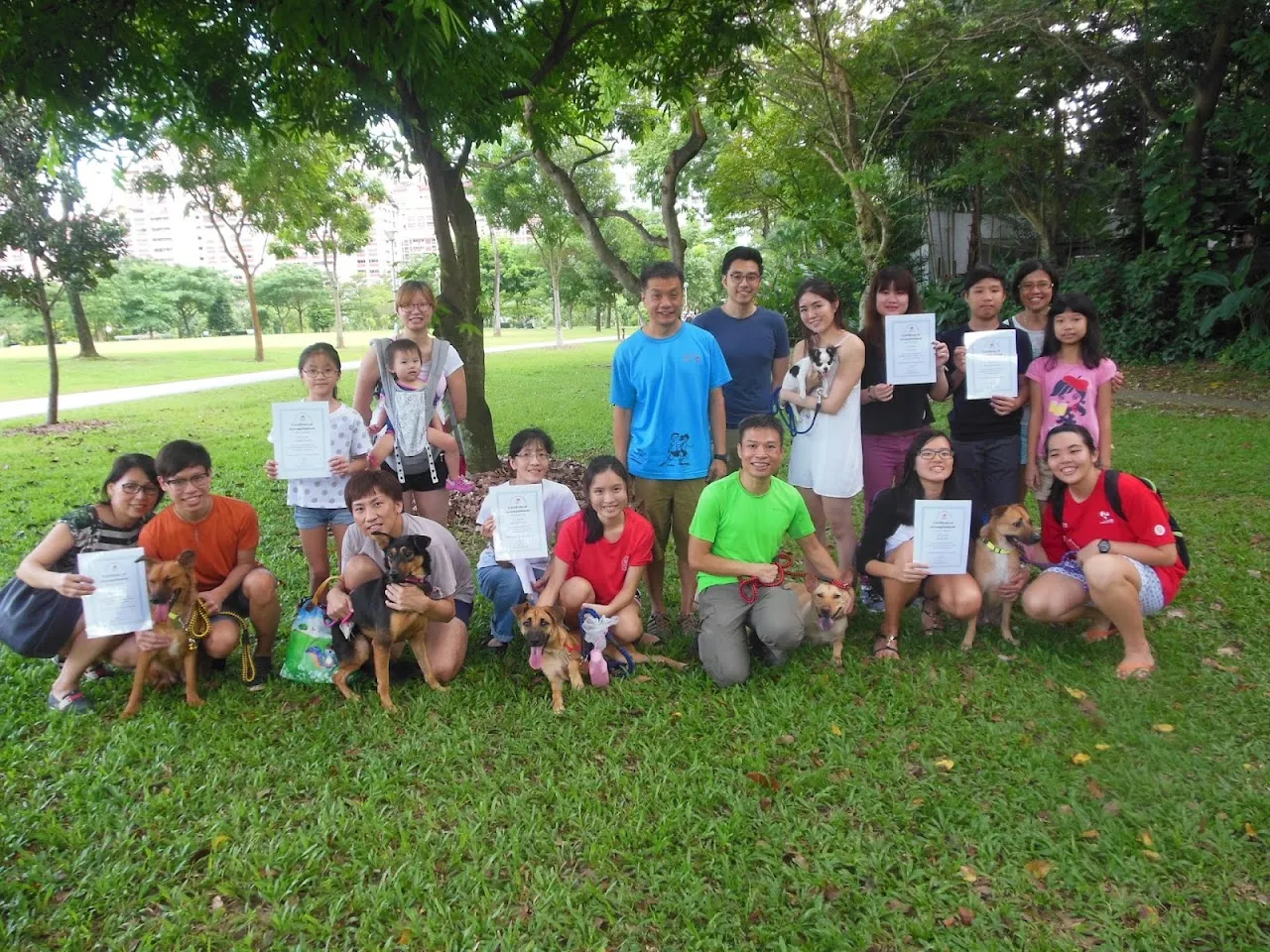
Dog Listener Consultancy offers classes and home consultations with Ricky Yeo. Ask about the specific methods and equipment used; the provider describes both reinforcement and corrections.
Happy-Dog Training
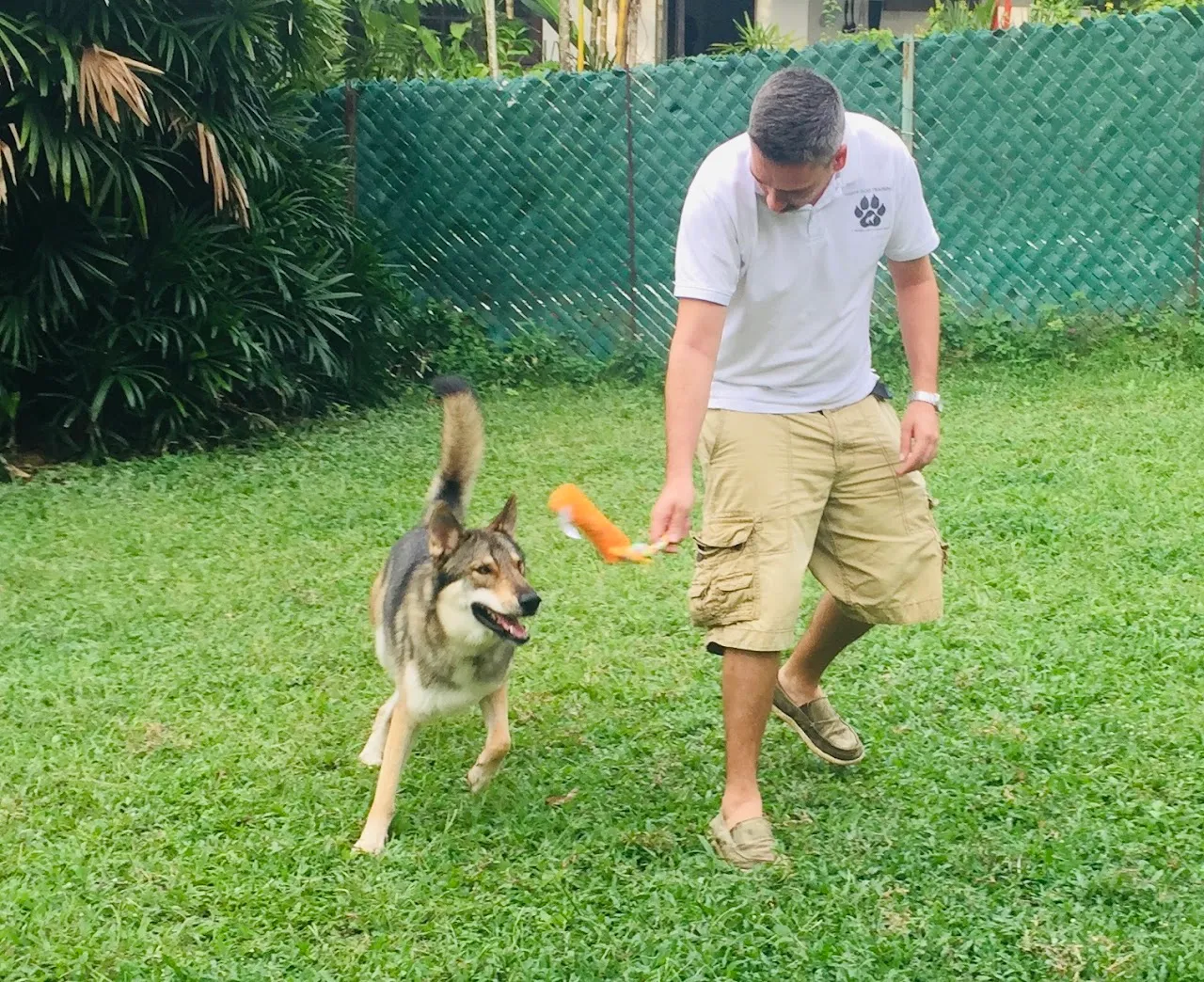
Happy-Dog Training offers puppy classes, private obedience, behaviour consultations and nosework. Its founder Mark reports CPDT-KA and AVS accreditation; confirm your course format and instructor.
Starrelito K9 Training
Structured dog agility training by booking, including classes for beginners.
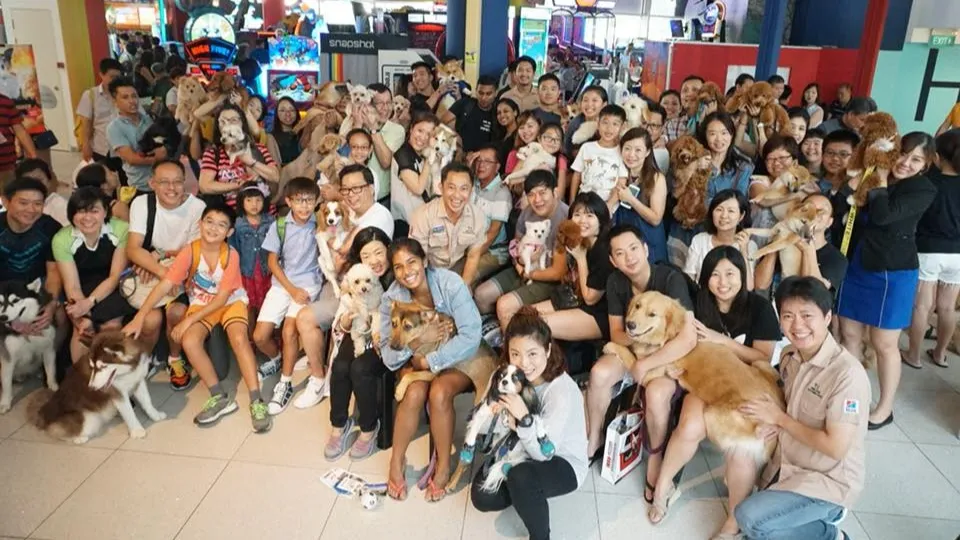
Sunny Chong Dog Training School
Sunny Chong Dog Training School remains listed for direct enquiry. Current programmes, qualifications, training methods and venue details need confirmation with the provider.
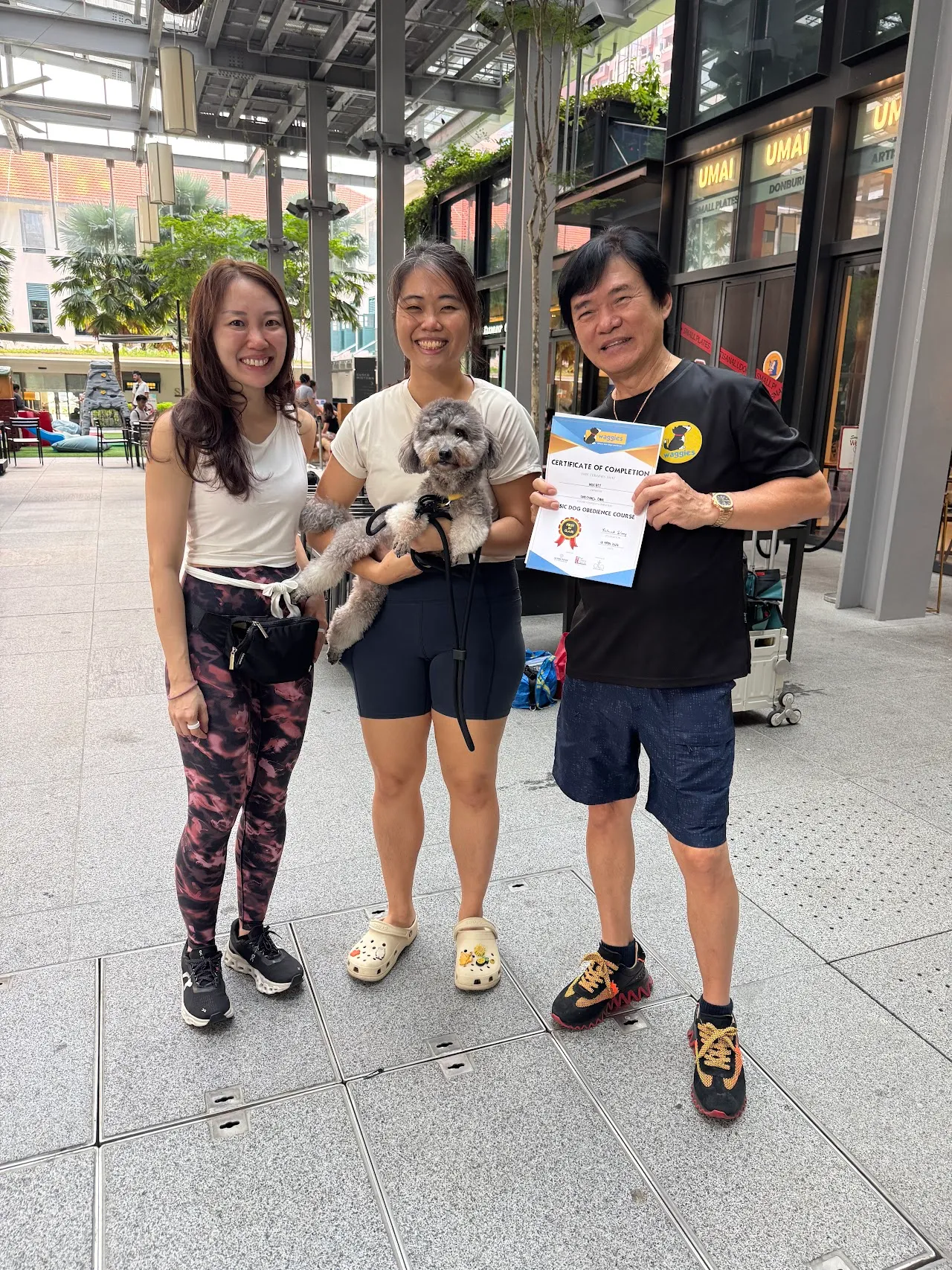
Waggie Dog School - Best Dog Obedience Training In Singapore
Waggie offers group obedience and private training. Ask which instructor will teach your dog and request their methods, equipment and current course terms before booking.
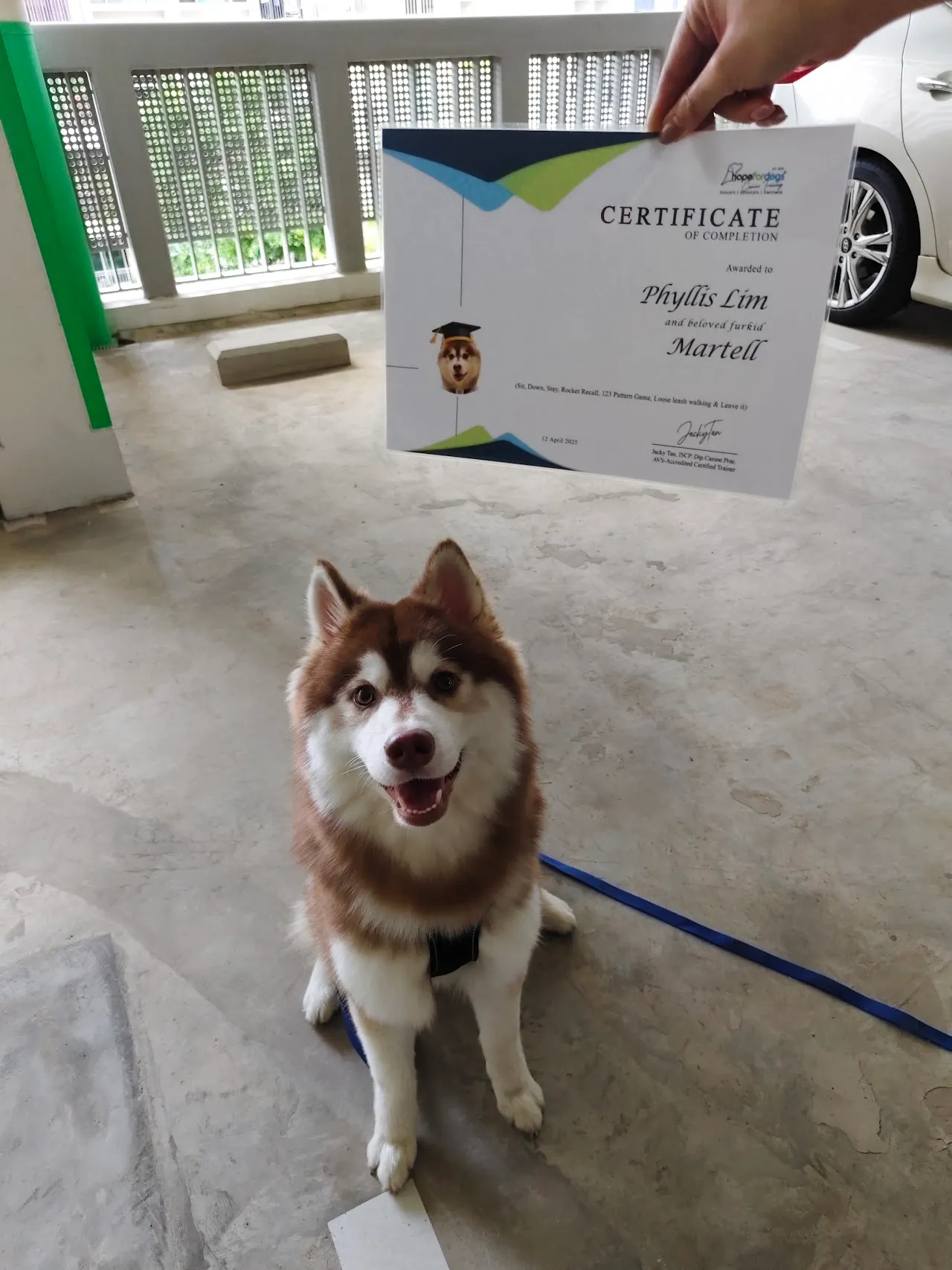
Hopefordogs Canine Training
Hopefordogs offers puppy foundations, basic manners and behaviour-modification support using provider-stated reward-based methods. A canine assessment can help determine the appropriate programme.
K9 Kampong Dog Training
K9 Kampong offers private puppy, obedience, loose-leash and behaviour-modification programmes. Confirm the instructor and programme suited to your dog before booking.
Mutt Matters
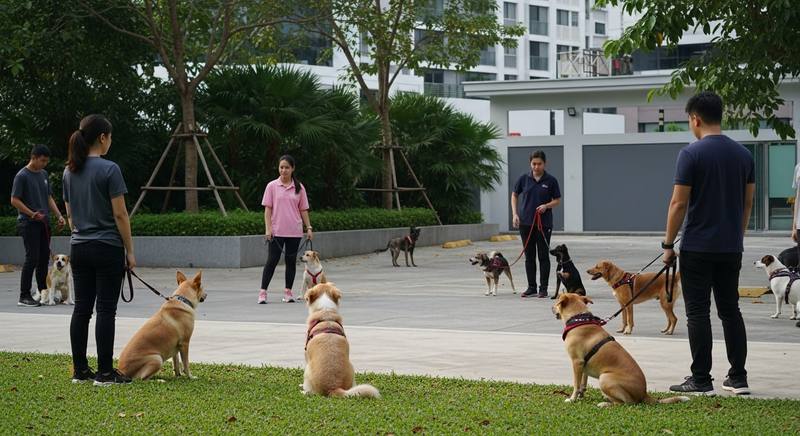
Mutt Matters offers individual coaching and behaviour-modification programmes with Anna Koo. Its website lists assessed qualifications and several formats, including owner coaching and day training.
Noble Canine
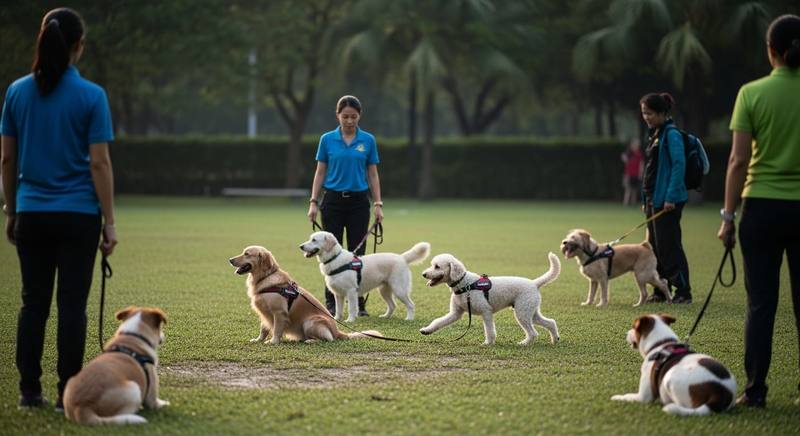
Noble Canine offers welfare-focused training and care, with force-free handling described on its website. Confirm the named trainer, programme and suitability for your dog before booking.
Pawrus Animal Behaviour Clinic
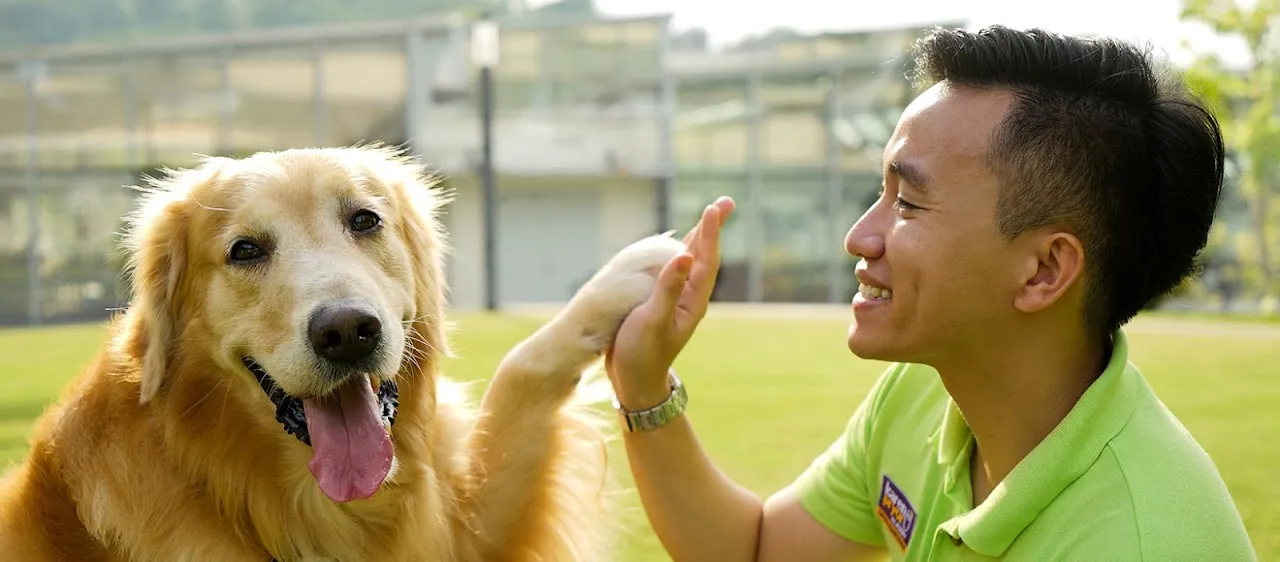
Pawrus offers behaviour and training support. Its published biographies distinguish Kevin Yeo’s behaviour qualifications from Jasline Aiw’s grooming role; confirm the practitioner and current appointment arrangements.
Paws In The City SG Dog Training
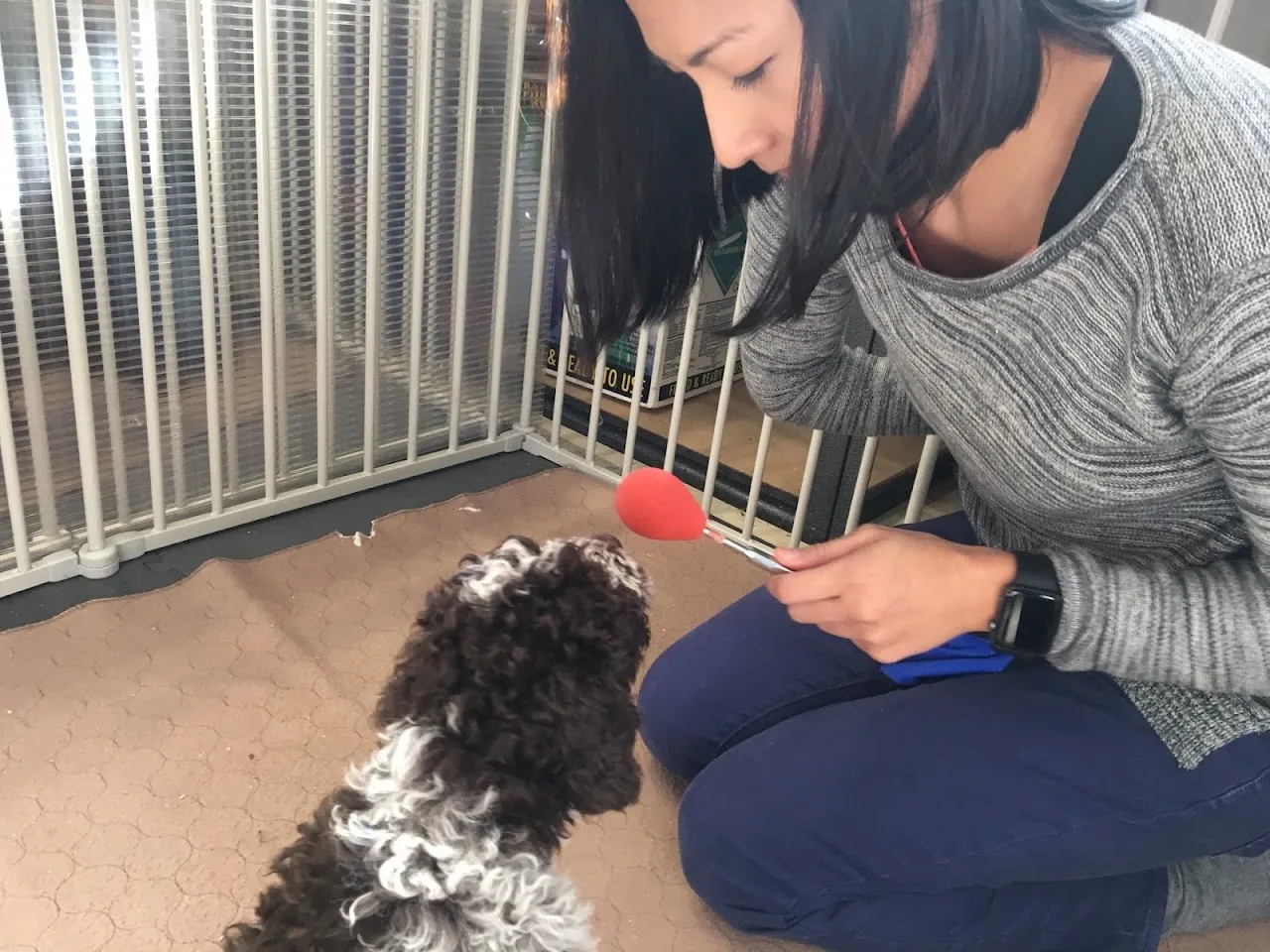
Paws In The City offers private in-home training and consultations with Theresa, whose website describes positive reinforcement without force, intimidation, shock or physical corrections.
Pawsitive Furkids Dog Training School
Pawsitive Furkids offers puppy, obedience, trick and nosework training. Its trainers describe a positive-reinforcement approach; confirm the instructor and class format before booking.
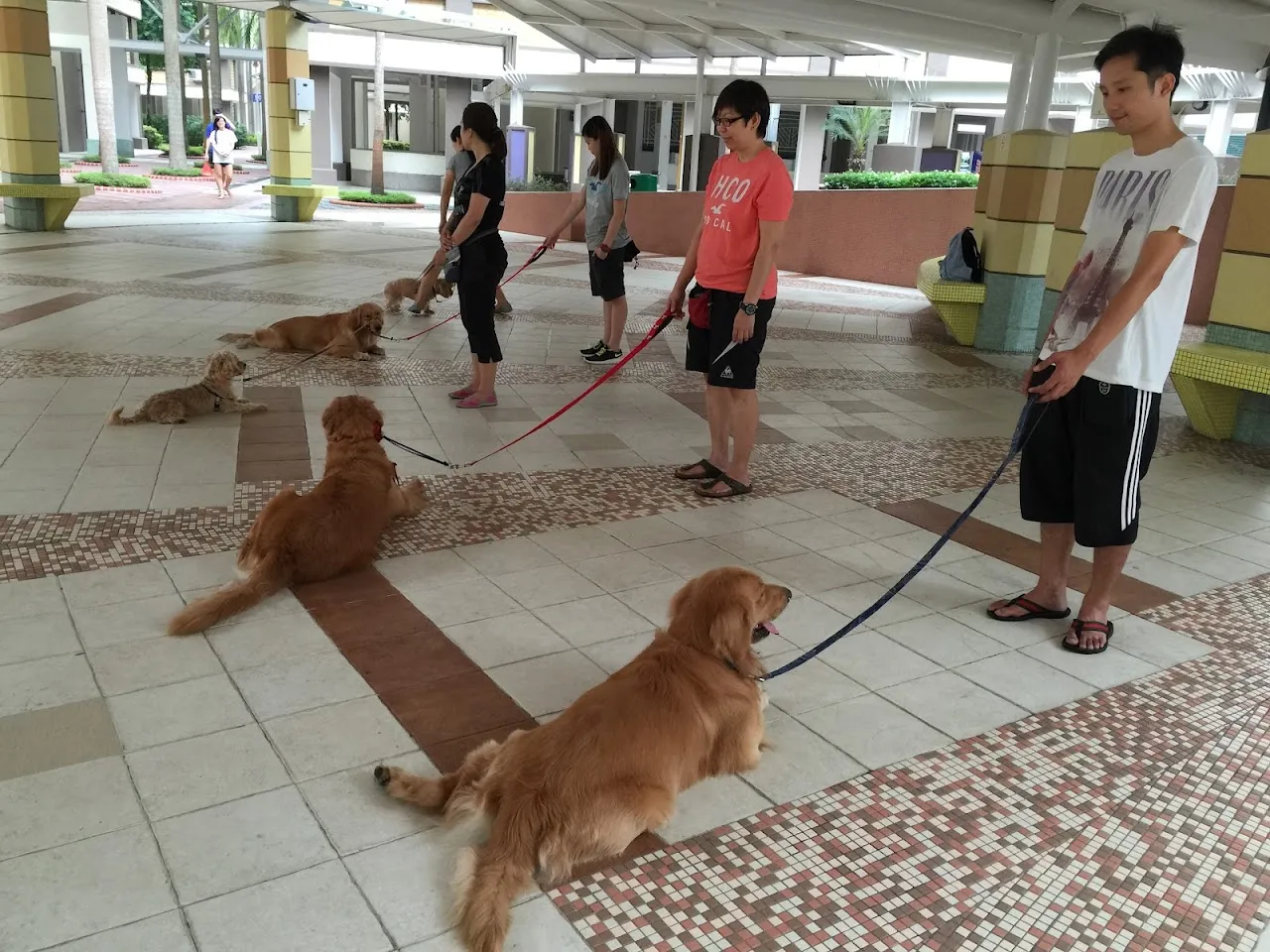
Perfect K9
Perfect K9 offers dog training and publishes trainer qualifications. Ask for the named practitioner and a practical training plan; its separate reiki and animal-communication services are not veterinary care.
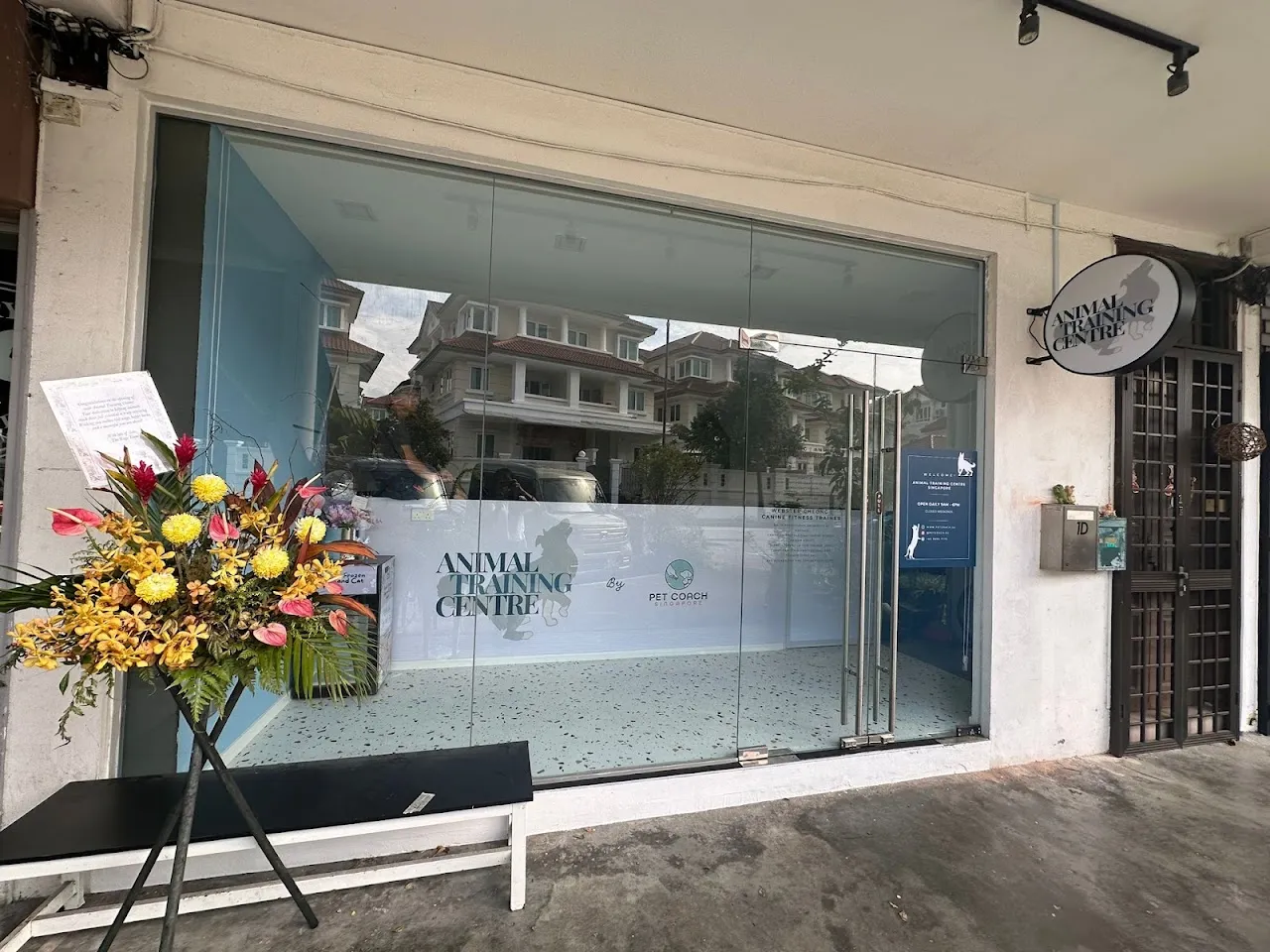
Pet Coach SG | Animal Training Centre
Pet Coach SG offers puppy, obedience, fitness and behaviour programmes. Its founders publish individual qualifications; confirm the practitioner, assessment and plan suited to your dog.
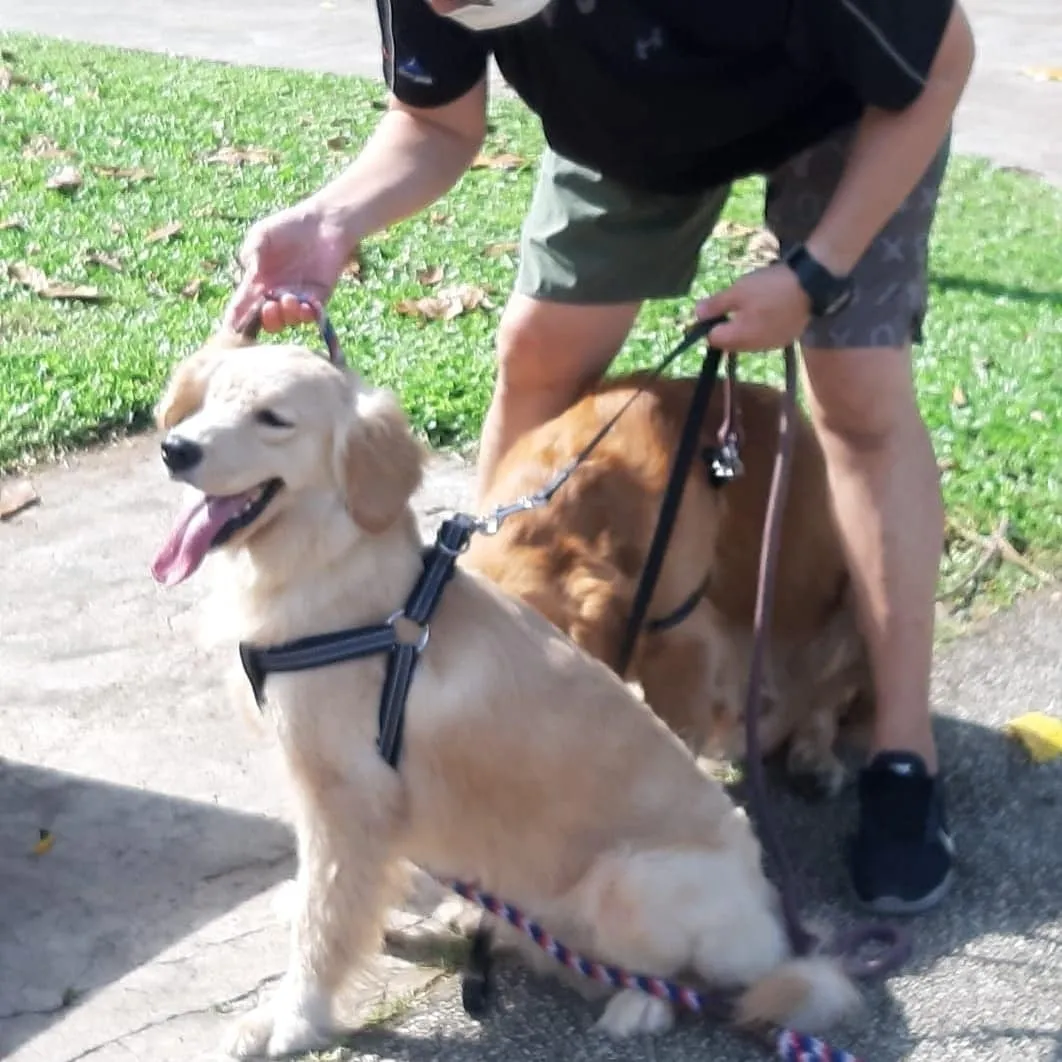
PUPS Dog Training
PUPS Dog Training offers puppy foundations using positive reinforcement. Its website explicitly rules out punishment and aversive methods; ask about the format, location and current intake.
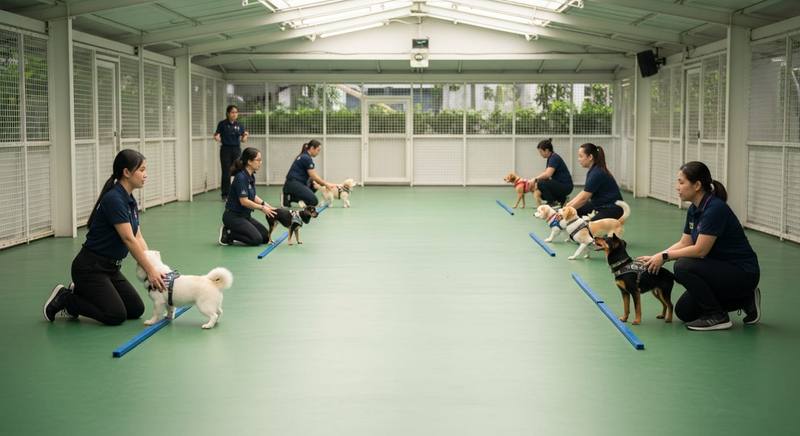
Wigglebutts Academy
Wigglebutts Academy offers dayschool, private consultations, puppy training and reactive-dog support. Its website describes force-free methods and provider-reported KPA CTP and Fear Free credentials.
Things to know about lead walking in Singapore
The environment is the challenge. Singapore gives you no room to manoeuvre: you cannot cross the road to dodge a distraction in a narrow corridor, and the most exciting smells and sights, other dogs, delivery riders, the lift, are stacked close together. That density means more temptation to pull and fewer escape routes, so the loose-lead skill has to be genuinely solid, not just present on a quiet morning.
Heat sets the schedule. A dog walked in the midday sun is uncomfortable and harder to work with, and the Meteorological Service Singapore regularly logs felt-temperatures that make a long training walk unkind. Walk and train in the cooler hours, when your dog is more comfortable and the paths are quieter, and check the pavement is not too hot for paws before you set off. Calm, comfortable conditions are when leash training actually progresses.
Expect a stop-start road, not a straight line. Loose-lead walking is one of the harder things to teach because the environment rewards pulling constantly, so progress comes in patches and needs steady practice. Keep sessions short and frequent, reward generously at first, and resist the temptation to default to a no-pull gadget when you are tired; the gadget masks the problem rather than solving it. For a structured routine between sessions, our training-plan tool can build one around your dog, and the free training guides cover the basics.
Frequently asked questions
Why does my dog pull on the lead?
Because pulling works. The interesting world, smells, other dogs, the next corner, is always at the end of a taut lead, and reaching it rewards the pull. Dogs also naturally walk faster than we do. Pulling is a learned habit, not defiance, which is why the fix is to reward a loose lead and stop the reward when it goes tight.
How do I stop my dog pulling without hurting it?
Reward your dog for walking with a loose lead and stop moving when the lead goes tight, so pulling no longer gets it anywhere. A front-clip harness gives you humane control while you train. It takes consistent timing, which is what a good trainer teaches. Avoid choke and prong collars, which suppress pulling through discomfort without teaching the skill.
Are no-pull harnesses or head halters a good idea?
A well-fitted front-clip harness is a humane tool that makes training easier and is widely recommended. Head halters can help with strong pullers but need careful, gradual introduction so the dog accepts them. Either way, the gear should support training the behaviour, not replace it. A trainer can fit the right equipment and teach you to use it.
Why are prong and choke collars not recommended for pulling?
They work by causing discomfort or pain when the dog pulls, which can suppress the behaviour without teaching the dog where to walk, and can create fear or aggression, especially if the pain coincides with seeing another dog. Reward-based methods and a front-clip harness achieve loose-lead walking humanely and address the cause rather than punishing the symptom.
How long does leash training take?
Loose-lead walking is one of the slower skills to build because the environment rewards pulling constantly, so expect weeks of consistent practice and a stop-start path rather than a quick fix. Short, frequent sessions in gradually busier places work best. A trainer can speed it up by fixing your timing and mechanics early.
Can a trainer come to my neighbourhood to help?
Yes. Many Singapore trainers offer in-home and local-street sessions, which suit leash training especially well because you build the skill on the actual routes and estate where you walk. Working your real corridors, void decks and lift lobbies makes the loose lead hold up where you need it, not just in a training hall.
My dog walks well alone but pulls toward other dogs. What now?
That is the distraction threshold showing. Loose-lead walking has to be proofed around the things your dog finds exciting, and other dogs are near the top of the list. A trainer will work at a distance where your dog can still focus and reward it for that, gradually closing the gap as the loose lead holds.