
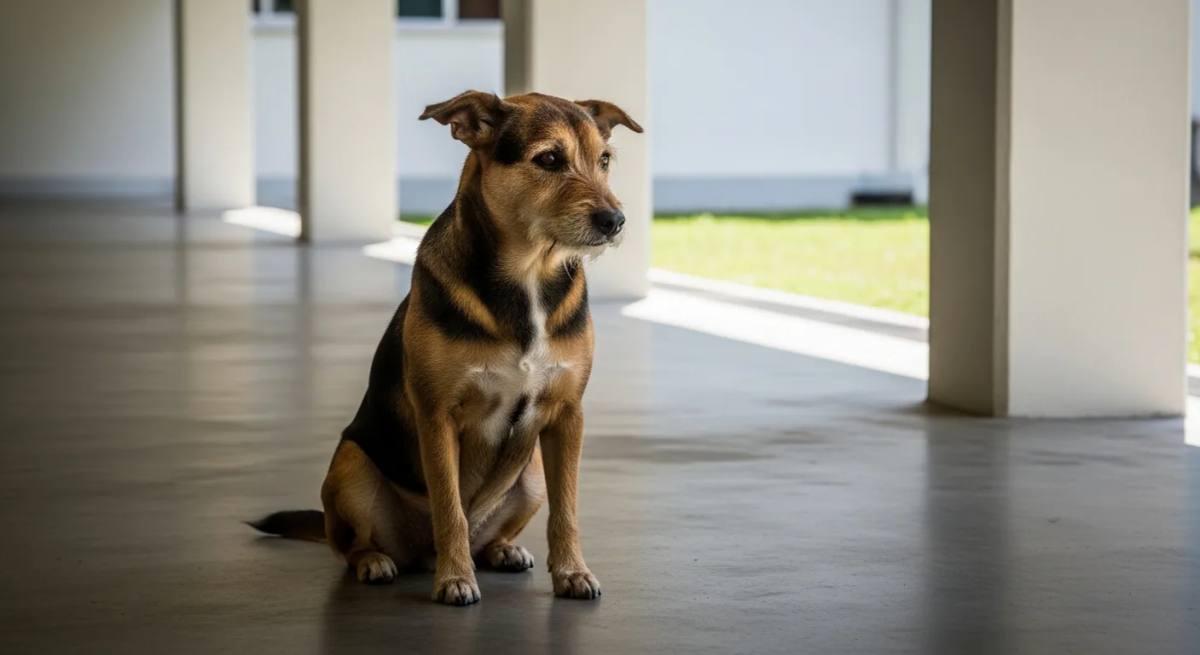

Local mixed-breed dogs, the Singapore Specials, are not on the standard HDB breed list, but Project ADORE lets many of them live in HDB flats under set conditions. This guide explains how the scheme works and who qualifies.
6 min read
Why local mixed-breeds need a scheme
The HDB approved breed list is built around 62 recognised pedigree breeds, which for years left local mixed-breed dogs, the Singapore Specials, without a route into HDB homes. Since most of Singapore lives in HDB flats, that closed off adoption for a great many deserving dogs. Project ADORE, which stands for Adoption and Rehoming of Dogs, was created to open that route. It is set out on the AVS Project ADORE page.
The scheme is a genuine pathway, not a loophole. Under it, a local mixed-breed dog may be kept in an HDB flat even though it is not a listed breed, provided the dog and the owner meet a defined set of conditions. It works alongside the standard rules on the HDB keeping pets page rather than replacing them. It also runs through approved animal welfare groups, so an ADORE adoption is a supported process rather than a private arrangement, with the rehoming partner helping to match dog to household.
The conditions that apply
Project ADORE sets requirements designed to make sure the dog is suited to flat living and responsibly kept. These include microchipping, sterilisation, a temperament assessment, and a shoulder-height limit of up to 55 cm, among other conditions. The height limit is the one that catches people out: a larger Singapore Special, however gentle, will not qualify, so it is worth measuring at the shoulder before you fall for a particular dog. The measurement is taken from the ground to the top of the shoulder, not to the head, which is a common point of confusion.
The temperament assessment matters just as much. It is there to confirm the dog can cope with the close quarters of HDB living, the lifts, corridors and neighbours, without distress. Sterilisation and microchipping are not box-ticking either: sterilisation settles behaviour and prevents unwanted litters, and the microchip ties the dog to its registered owner for licensing and for reunion if it is ever lost. Taken together, the conditions are less a hurdle than a filter that matches the right dogs to flat homes. Always read the current terms on the AVS Project ADORE page before you begin, since the details are what count and they are the version that governs.
How the adoption works in practice
An ADORE adoption usually starts with one of the participating welfare groups rather than with a shop or a breeder. You meet dogs that have already been assessed as suitable candidates, and the group works with you to find one that fits your home and routine. Because the scheme's conditions, sterilisation, microchipping and the temperament check, are handled as part of the process, much of the groundwork is done for you by the time you bring the dog home. That structure is part of what makes the route reliable: it is designed to place stable, flat-suited dogs with owners who are ready for them, rather than leaving both to chance. If adoption is new to you, our adopting a dog guide walks through what to expect from first enquiry to settling in.
Why the conditions look the way they do
It helps to see the ADORE conditions in the same light as the pedigree list. The standard approved list leans towards small companion breeds because compact, people-oriented dogs cope well with lifts, corridors and close neighbours. ADORE cannot use a breed list, since a Singapore Special is by definition not a single breed, so it reaches the same goal through the height limit and the temperament assessment instead. A dog of up to 55 cm at the shoulder, judged calm enough for communal living, is doing much the same job in a flat as an approved small breed would. The scheme is not a lower standard, it is a different route to the same outcome: dogs that suit the setting and are easy on the people around them.
That framing also answers a question adopters often ask, why a gentle large Special still will not qualify. The limit is not a judgement on the individual dog's character; it is a practical line drawn so that dogs placed in flats are ones the setting can genuinely accommodate. As with the pedigree list, approval works at the level of the rule, not the individual, and a dog above the limit falls outside it however lovely it is.
How ADORE fits the wider rules
Project ADORE changes which dog you may keep, but not the surrounding rules. HDB still allows a maximum of one dog per flat, so an ADORE dog counts as your one dog, and you cannot pair it with a second approved-breed dog. And like every dog in Singapore, an ADORE dog must be licensed with AVS. The licence is mandatory and renewable, with a lower fee for sterilised dogs, which ADORE dogs already are, so you get the reduced rate as a matter of course. The requirements are on the AVS licensing requirements page.
If you are weighing an adoption, the scheme is often the difference between an HDB home and none for a local dog. It sits within the broader picture covered in our HDB dog rules guide, which explains the approved-list concept and the one-dog limit. You can also sanity-check a pedigree breed in seconds with the HDB checker, or browse the pedigree side on our breeds pages, before comparing either against the ADORE route.
Is Project ADORE right for you?
If you live in an HDB flat and want to give a local mixed-breed a home, Project ADORE is very likely your path. Be realistic about the height limit and honest about whether your household suits an adult rescue, since many Specials come with a history that needs patience, a settled routine and, at first, a little more understanding than a puppy raised from scratch. Line up a vet for the early health checks and ongoing care, and know where you will turn for boarding when you travel. Done properly, it is one of the most rewarding routes into dog ownership in Singapore, and it gives a home to a dog who might otherwise struggle to find one.
Notice one little habit together →A small idea to try, with progress kept in your Pack.
More HDB guides
-
 Quieter HDB-approved dog breeds in Singapore For thin walls and close neighbours, a naturally quieter dog helps. This guide lists genuinely lower-barking breeds from the HDB approved list, while being honest that no dog is silent and training matters more than breed.
-
 Is a Border Collie HDB approved in Singapore? The short answer is no. The Border Collie is not on the HDB approved breed list, so it cannot be kept in an HDB flat. This guide explains the rule, why the breed sits outside it, and the realistic options for owners set on one.
-
 Is a Shiba Inu HDB approved in Singapore? No, the Shiba Inu is not on the HDB approved breed list, so it cannot be kept in an HDB flat. This guide explains the rule and points to an approved spitz, the Japanese Spitz, for owners who love the fluffy fox-like look.
-
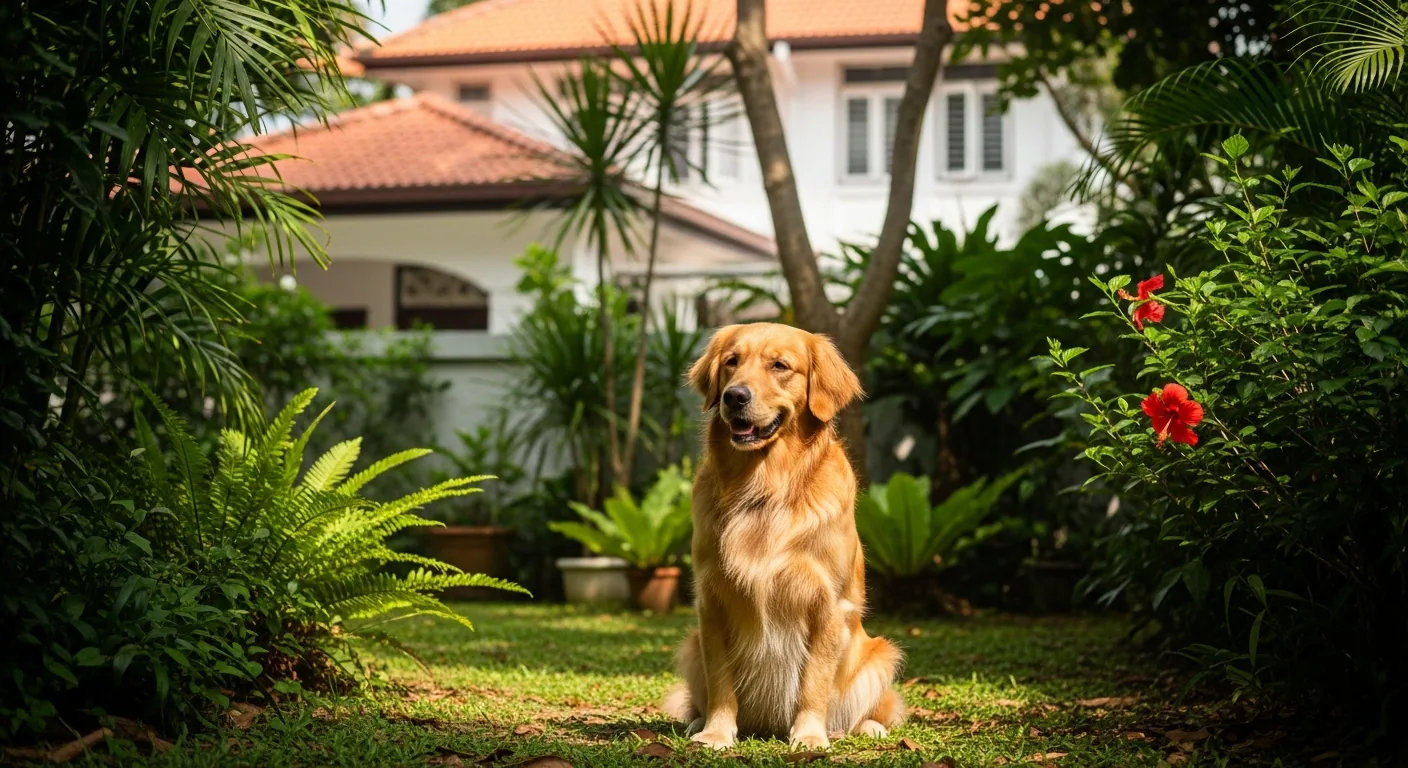 Are Golden Retrievers allowed in HDB flats? No. The Golden Retriever is a large breed and is not on the HDB approved list, so it cannot be kept in an HDB flat. This guide explains the rule, the reason, and the housing that does suit the breed.