


No, the Shiba Inu is not on the HDB approved breed list, so it cannot be kept in an HDB flat. This guide explains the rule and points to an approved spitz, the Japanese Spitz, for owners who love the fluffy fox-like look.
6 min read
Is the Shiba Inu HDB approved?
No. The Shiba Inu is not on the HDB list of approved dog breeds, so it cannot be kept in an HDB flat. HDB allows a maximum of one dog per flat and only from its approved list, which runs to 62 breeds and is set out on the HDB keeping pets page. The Shiba's popularity online has made this a common surprise, but the rule is clear and it is tied to the breed.
It does not matter how small a particular Shiba is, or how quiet, or how well trained. Approval works at the level of the breed, not the individual dog. If a breed is not named on the list, the safe assumption is that it is not permitted in an HDB flat, and the Shiba Inu is one of those breeds. You do not need HDB's approval to keep an approved-breed dog, but no amount of good keeping brings an unapproved breed inside the rules.
Why the Shiba is not on the list
The Shiba Inu is a Japanese hunting breed, compact but sturdy, with a strong independent streak and a well-known stubbornness. It is not a large dog, so size alone is not the whole story. Approval reflects a wider judgement about which breeds suit dense flat living, and the Shiba, with its prey drive, escape-artistry and self-directed temperament, was not included.
Those traits matter more in a flat than they might in a house. A strong prey drive means a Shiba that spots a cat or a bird will want to give chase, which makes shared corridors and open lift lobbies a management problem. The breed is a noted escape artist, quick to slip through a gap in a door, and it does not have the biddable, stay-close temperament of the companion breeds the list favours. Add the famous stubbornness and the loud, distinctive Shiba scream when the dog objects to something, and you have an animal whose instincts run against the grain of close communal living. The thick double coat is also a poor match for Singapore's climate, needing more grooming and care in the heat than a short-coated companion breed.
Owners sometimes point out that the Shiba is smaller than some breeds that are approved. That is true, and it shows that the list is not a simple weight cut-off. It is a curated set of breeds judged suitable for HDB homes, weighing temperament and drive alongside size, and being close in size to an approved dog does not put a breed on it. The list is what it is, and the Shiba is not on it. You can browse the approved profiles on our breeds pages and see the full roster on our HDB-approved breeds list.
What happens if you keep one anyway
It is tempting to think a quiet Shiba might pass unnoticed in a flat. In practice, keeping an unapproved dog is against the rules and carries a real cost to the animal. Enforcement is usually prompted by a neighbour's complaint, and the Shiba's carrying voice and escape habits give neighbours reason to notice. Where an unapproved dog is found in an HDB flat, HDB can require the owner to rehome it, which means a settled dog uprooted and an owner facing a decision they could have avoided. The sensible course is to settle the housing question before choosing the breed, not after. It is not a fine you can shrug off and carry on; the outcome that matters is the dog losing its home, and that is the outcome the rule exists to prevent by steering owners towards breeds that suit the setting.
An approved spitz you can keep
Much of the Shiba's appeal is the look: the fox face, the curled tail, the thick double coat. If that is what draws you, there is good news. The Japanese Spitz is on the HDB approved list. It is a bright, fluffy white spitz with a similar plush charm, and unlike the Shiba it can be kept in an HDB flat. It is not the same dog, temperament and all, since the Japanese Spitz tends to be more people-oriented and biddable than the aloof, independent Shiba. But for owners set on a fluffy spitz look within the rules, it is the obvious place to start. See its profile at Japanese Spitz.
It is worth understanding why the swap works in principle. The approved list favours breeds that were shaped for companionship rather than independent work: dogs that look to their people, settle indoors, and cope with the constant low-level stimulation of a block of flats. A Japanese Spitz fits that mould in a way a hunting spitz does not. If the look is the draw, several other small, fluffy approved breeds are worth a look too, from the Pomeranian to the Bichon Frise, each of them content with the shorter walks and indoor company that flat life allows. None of them will chase like a Shiba or object at Shiba volume, which is precisely the point.
If you are still keen on a Shiba specifically, the honest option is private housing. Condominiums may allow the breed, subject to each development's own management corporation rules, which vary from block to block, and landed homes are not bound by the HDB list at all. Check the specifics in writing before you commit, and read our broader HDB dog rules guide so you know exactly where the lines fall. You can also test any breed quickly with the HDB checker.
Licensing applies to every dog
Whichever breed and home you settle on, every dog in Singapore must be licensed with AVS, and microchipping is part of responsible ownership. The licence is mandatory and renewable, with a lower fee for sterilised dogs. The details are on the AVS licensing requirements page. Do not skip it, since licensing is a legal requirement regardless of breed or housing type. A local vet can handle the licence, microchip and sterilisation in one visit.
More HDB guides
-
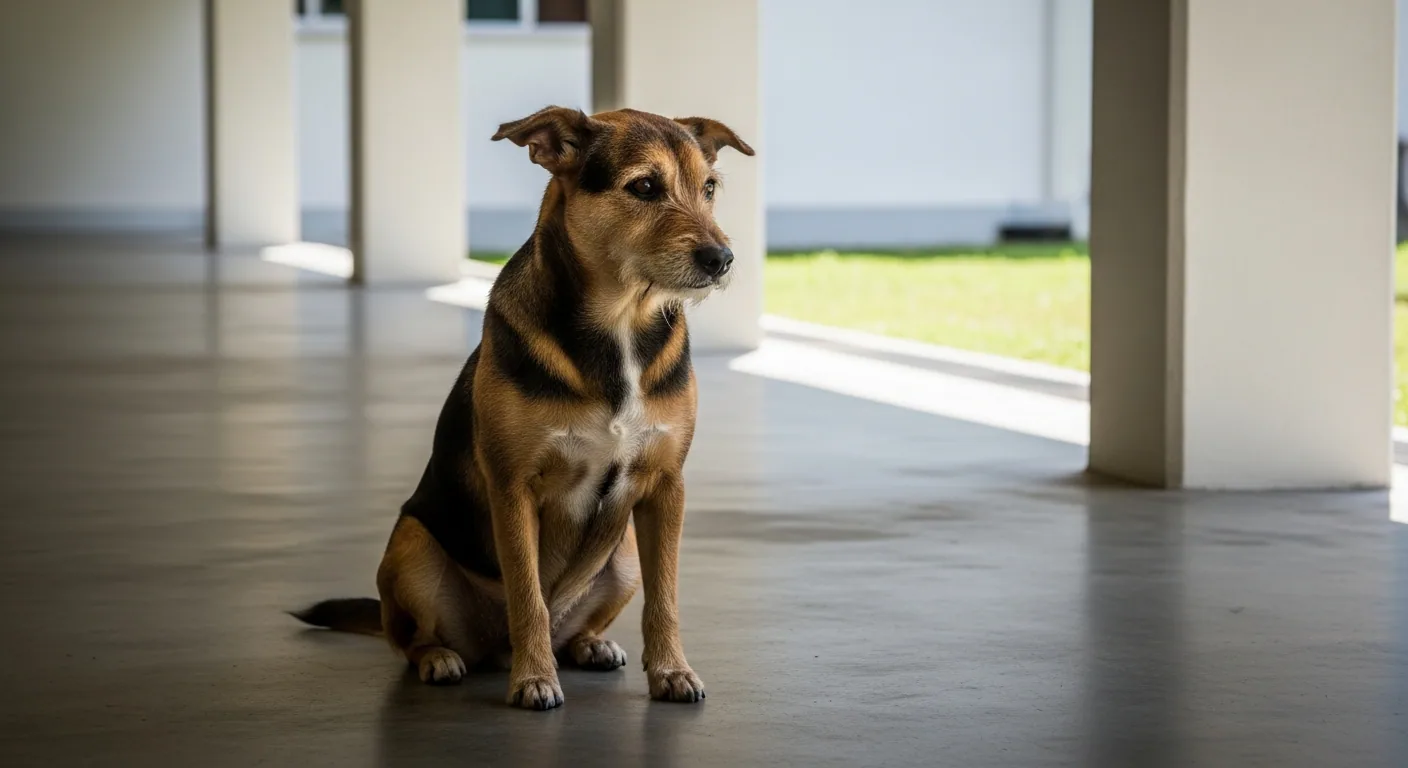 HDB-approved cross-breeds and Project ADORE Local mixed-breed dogs, the Singapore Specials, are not on the standard HDB breed list, but Project ADORE lets many of them live in HDB flats under set conditions. This guide explains how the scheme works and who qualifies.
-
 Quieter HDB-approved dog breeds in Singapore For thin walls and close neighbours, a naturally quieter dog helps. This guide lists genuinely lower-barking breeds from the HDB approved list, while being honest that no dog is silent and training matters more than breed.
-
 Is a Border Collie HDB approved in Singapore? The short answer is no. The Border Collie is not on the HDB approved breed list, so it cannot be kept in an HDB flat. This guide explains the rule, why the breed sits outside it, and the realistic options for owners set on one.
-
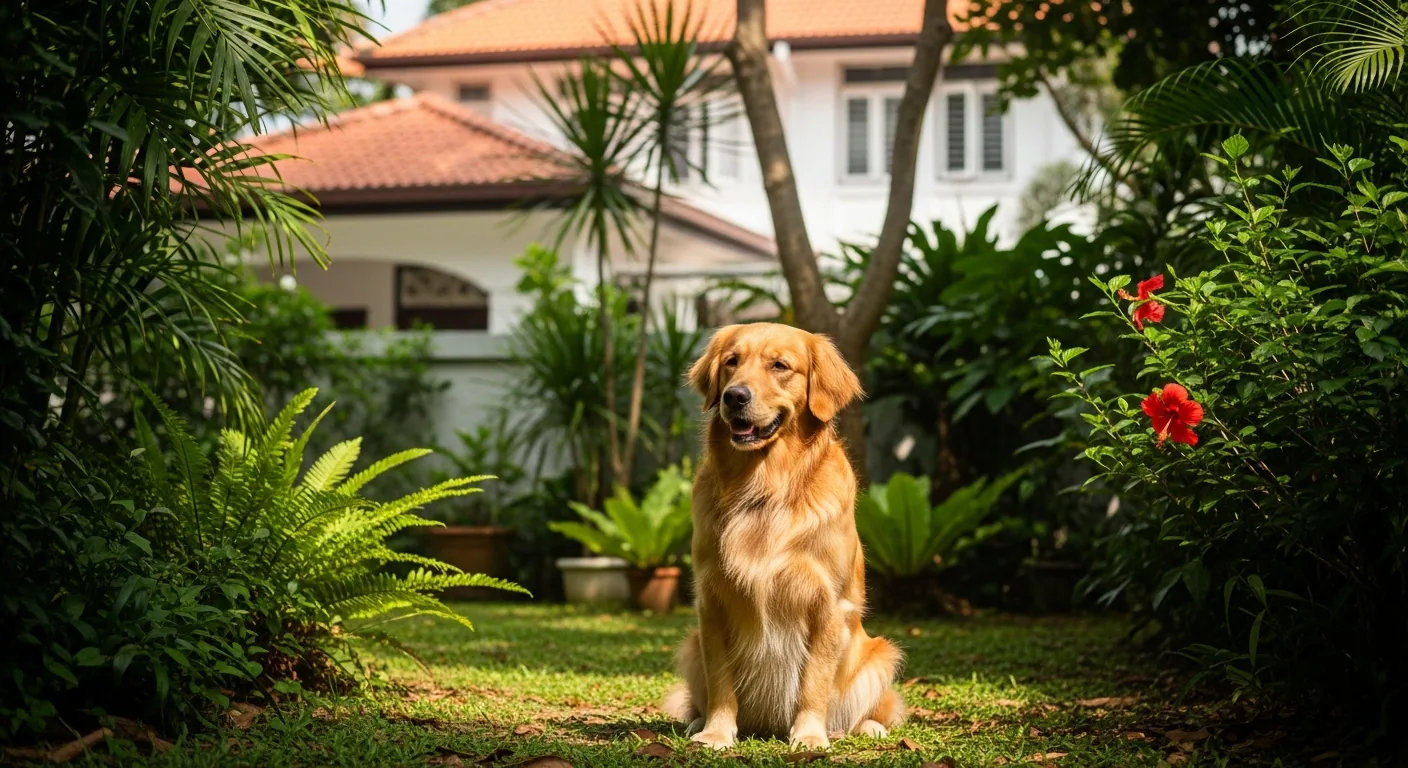 Are Golden Retrievers allowed in HDB flats? No. The Golden Retriever is a large breed and is not on the HDB approved list, so it cannot be kept in an HDB flat. This guide explains the rule, the reason, and the housing that does suit the breed.