

8 min read
Last updated First published 27 July 2026
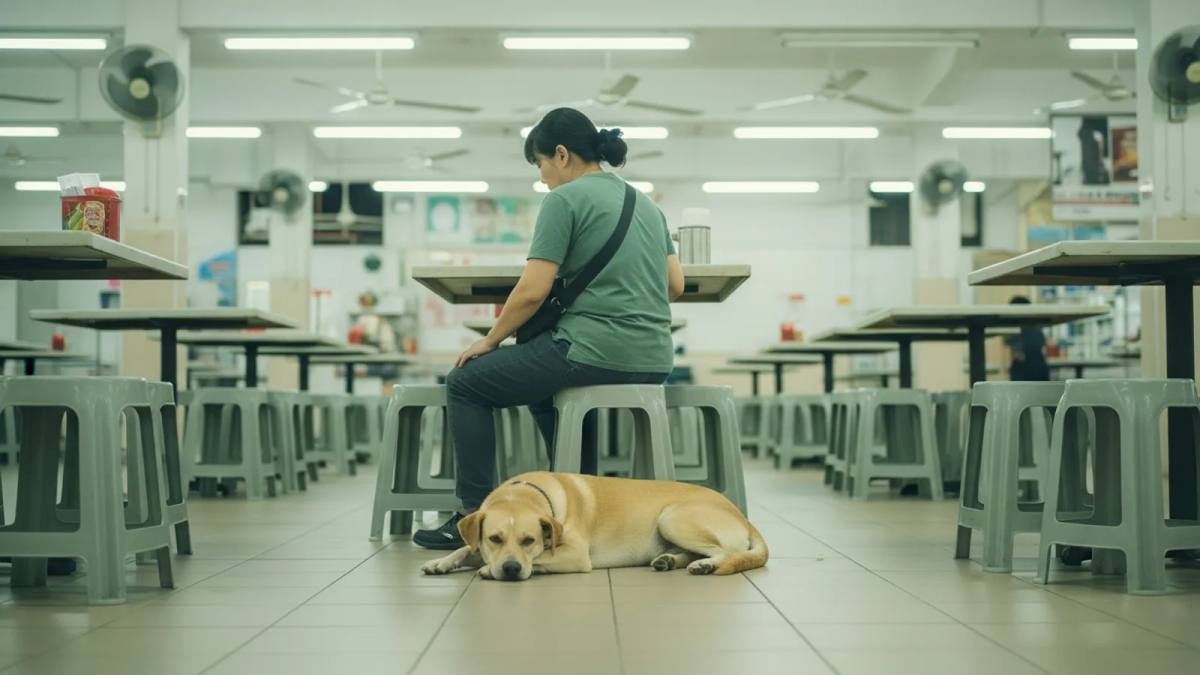
Most dogs adjust well to a new baby if the introduction is managed correctly. The key is preparation before the baby arrives, not a crash course on the day. Start 4 to 6 weeks before the birth: introduce baby sounds and smells, reinforce calm behaviour, and establish the boundaries that will apply once the baby is home. The first meeting should be calm, brief, and always supervised.
A new baby changes the sounds, routines and attention in your home. Give your dog time to learn those changes before the first meeting, then keep the introduction calm, brief and closely supervised.
Start 4 to 6 weeks before the birth: not the night before
The biggest mistake families make is assuming the dog will "figure it out" when the baby arrives. Dogs are creatures of habit and routine. A sudden change: a new smell, a new sound, a new tiny human who makes unpredictable movements and cries, is a lot to absorb all at once. Preparation reduces the shock and gives your dog time to form positive associations before the baby is physically present.
Introduce baby sounds now
Play recordings of newborn crying at low volume during calm activities (feeding time, a settle after a walk). Pair it with something your dog loves, a favourite chew, a treat scatter on the floor. The goal is "crying = good things," not "crying = stress." Gradually increase the volume over several sessions. The SPCA Singapore recommends this as a standard preparation step and provides additional resources on their pet care pages.
Introduce baby smells before the baby
Bring home a piece of clothing or a blanket with the baby's scent from the hospital before the homecoming. Let the dog sniff it calmly, in their own time, without forced interaction. Reward calm behaviour with treats and quiet praise.
Reinforce a "settle" on a mat or bed
Your dog will need a safe place that is theirs, away from the baby's primary zone. A "settle" cue: going to a mat and lying down on request, gives you a reliable way to manage interactions when your hands are full. Practice 5 to 10 minutes daily. If your dog doesn't have a solid settle yet, start now. It will be one of the most useful things you ever teach them.
Establish new boundaries gently in advance
If the baby's room will be out-of-bounds, introduce that boundary before the baby arrives, not after. A baby gate works better than a closed door because it allows the dog to see and hear what's happening without entering. Dogs that are completely excluded from rooms tend to become more anxious about what's behind the door, not less.
The first meeting: how to do it right
The homecoming is a big moment. Keep it calm.
- Greet the dog first, alone. The non-baby parent or a helper should come in first and give the dog their usual greeting: walk, play, or just a calm hello. Let the dog's energy settle before the baby enters the home.
- Bring the baby in calmly. The parent carrying the baby enters quietly. No fanfare, no tension, your dog reads your energy. If you are nervous, they will be nervous.
- Let the dog approach on their own terms. Do not force the dog toward the baby or hold the baby down for a sniff. Sit with the baby and allow the dog to investigate at their own pace, rewarding calm behaviour with quiet praise or a treat.
- Keep the first meeting brief. A few minutes is enough. End on a positive note, a treat, a game with the dog, something that signals "this is good, not threatening."
- Supervise all interactions, always. The Animal and Veterinary Service (AVS) recommends continuous adult supervision for any dog and infant interaction. There is no age at which a dog and a baby can be left alone unsupervised safely, even the gentlest, most trusted dog.
Managing the transition in an HDB home
HDB flats are small. Space management matters. A few practical adjustments:
- Baby gates are invaluable, they give the dog access to most of the flat while keeping the nursery controlled.
- Keep the dog's feeding, walking, and play schedule as consistent as possible. Dogs under stress due to routine disruption are more likely to show anxious or attention-seeking behaviour.
- Set aside 15 to 20 minutes of one-on-one time with the dog daily, even in the exhausted newborn phase. This reduces attention-seeking behaviour significantly.
- If the dog shows stiff body language, growling, or excessive panting around the baby, consult a certified trainer or veterinary behaviourist promptly. These are not signs that the dog "hates the baby", they are stress signals that need to be addressed by a professional before they escalate.
What to watch for in the first weeks
Signs that the transition is going well: the dog approaches calmly, sniffs briefly, and moves away or settles nearby. They are relaxed and sleeping normally. Their appetite and bathroom habits are unchanged.
Signs that need attention: the dog is avoiding the baby zone entirely (withdrawing from the family is a stress signal, not just "giving space"), is not eating, is panting and pacing, or is showing any lip-licking or yawning when the baby is near (these are appeasement and stress signals in dog body language). Use the UDO Behaviour Decoder to assess what you're seeing, and speak to a trainer or vet if you are concerned.
The vast majority of Singapore families successfully integrate dogs and babies. The ones who struggle are almost always the ones who didn't prepare in advance. You're reading this guide. You're ahead of the curve.
Common questions
More for Singapore dog owners
-
 HDB barking complaints: how to manage your neighbour situation A neighbour complaint about your dog's barking is serious in an HDB context, but it is a problem with a clear pathway through it. This guide covers how to identify the cause, reduce the noise now, manage a formal complaint if one has been filed, and when to bring in professional help.
-
 Vet bills in Singapore: what to expect and how to plan Plan veterinary spending around your dog: ask for written estimates, compare the scope of care, understand insurance terms and prepare for unexpected bills.
-
 Singapore dog vaccination schedule, explained Core vaccines, puppy timing, leptospirosis, kennel cough, titre testing, and how your AVS licence connects to it all. Here is what Singapore dog owners actually need to know about keeping jabs current and records straight.
-
 Your rescue dog's first 30 days in Singapore Bringing a rescue dog home is a different experience from raising a puppy, and the first 30 days require patience more than training. This guide covers what to expect during the decompression period, from the first quiet hours in a HDB flat to the point where your dog genuinely starts to feel at home.