
For the life you share
I have a dog in Singapore
This is your corner of UDO. Whether something is wrong right now, you're planning a day out, or you need a trusted vet recommendation, this page is where we've organised everything for you as an existing dog owner in Singapore.

Something is wrong right now
Emergency vet access, first-aid for heatstroke and poisoning, and the food safety checker. These are the pages you need to know before you need them.
- Vet directory: filter by open now and emergency capability
- Can my dog eat this?
- Emergency first-aid for dogs in Singapore
- Dog poisoning: what to do RIGHT NOW
What does my dog need at this life stage?
Puppy, adolescent, adult, senior, or newly adopted rescue: each stage brings different care requirements. Find your dog's stage below.
Check the current AVS licence fees and application requirements. Discuss vaccination with your vet using the WSAVA guidance. These summaries were checked on 28 October 2026.
Can I take my dog there?
Explore dog-friendly places in Singapore, weekend events and the existing itinerary builder. Check each listing and confirm access with the operator before setting out. Cross-border trips need separate permit and return planning.
Who can I trust?
Explore vets, boarders, trainers and groomers. Review each listing's evidence and check services directly with the provider. A directory entry is a starting point, not an endorsement.
- Vet directory: review listing details
- Boarding directory: check current licensing and availability
- Trainer directory: review methods and suitability
- Groomer directory
My dog is doing something I can't handle
Excessive barking, reactivity, separation anxiety: these are the most common reasons dogs get rehomed in Singapore. UDO has guides for all of them.
What does the law require?
AVS licensing, HDB breed rules, and your obligations as a dog owner in Singapore. Dog laws are clear; the fines for non-compliance are real.
What should I be feeding?
Explore the existing food safety database. The recipe library has SG-adapted home-cooked options. Know what's safe before it matters.
Life changes: what do I need to know?
Having a baby, moving house, overseas relocation: your dog comes with you through every life change. Here's what to prepare.
All guides for dog owners
-
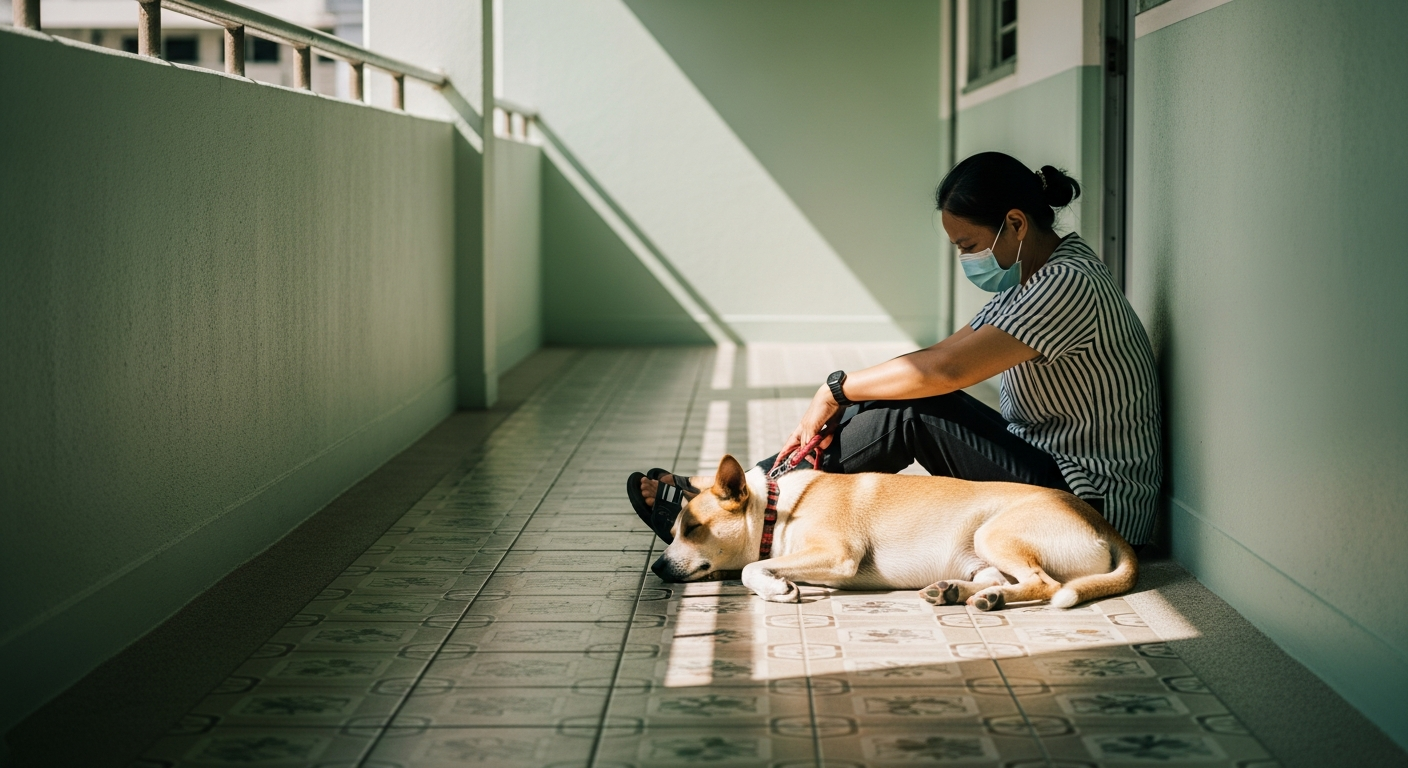 HDB barking complaints: how to manage your neighbour situation A neighbour complaint about your dog's barking is serious in an HDB context, but it is a problem with a clear pathway through it. This guide covers how to identify the cause, reduce the noise now, manage a formal complaint if one has been filed, and when to bring in professional help.
-
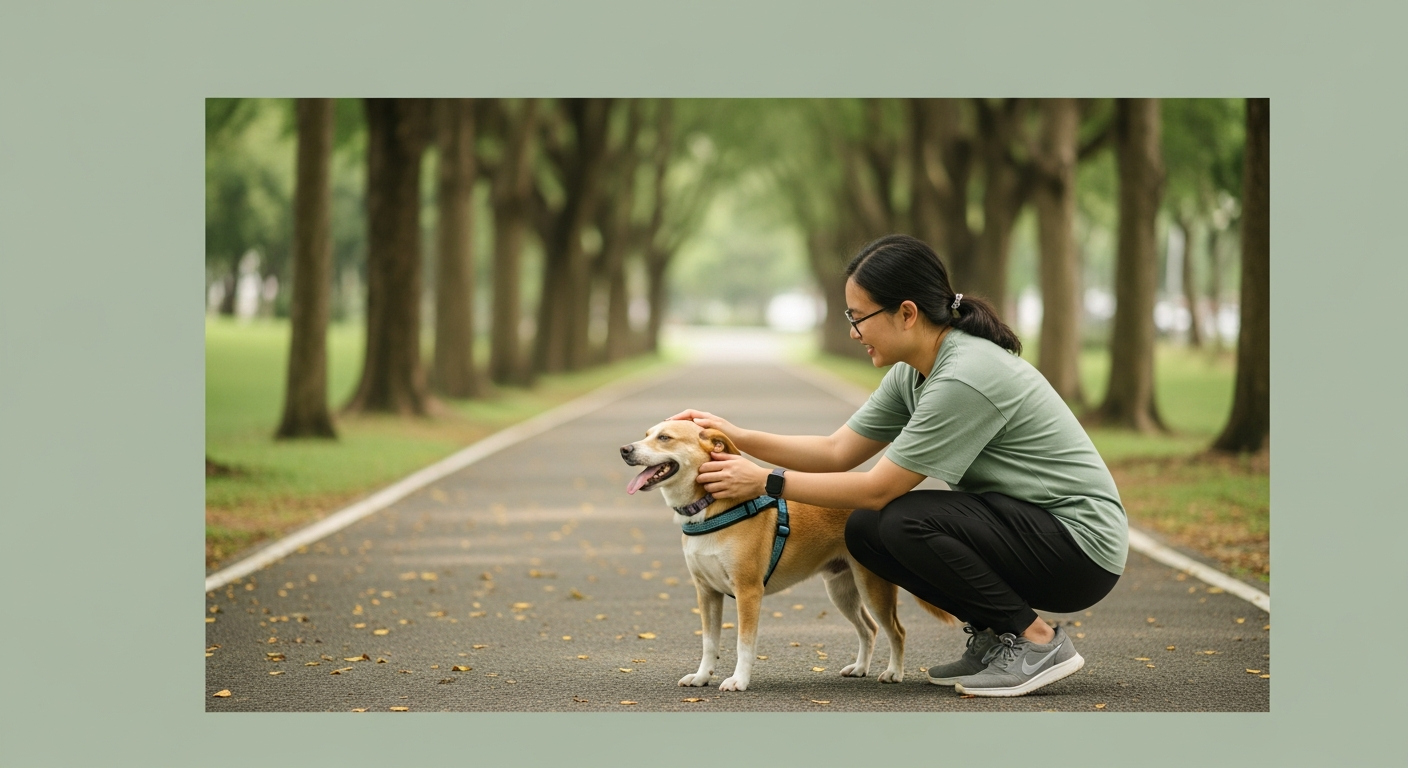 Vet bills in Singapore: what to expect and how to plan Plan veterinary spending around your dog: ask for written estimates, compare the scope of care, understand insurance terms and prepare for unexpected bills.
-
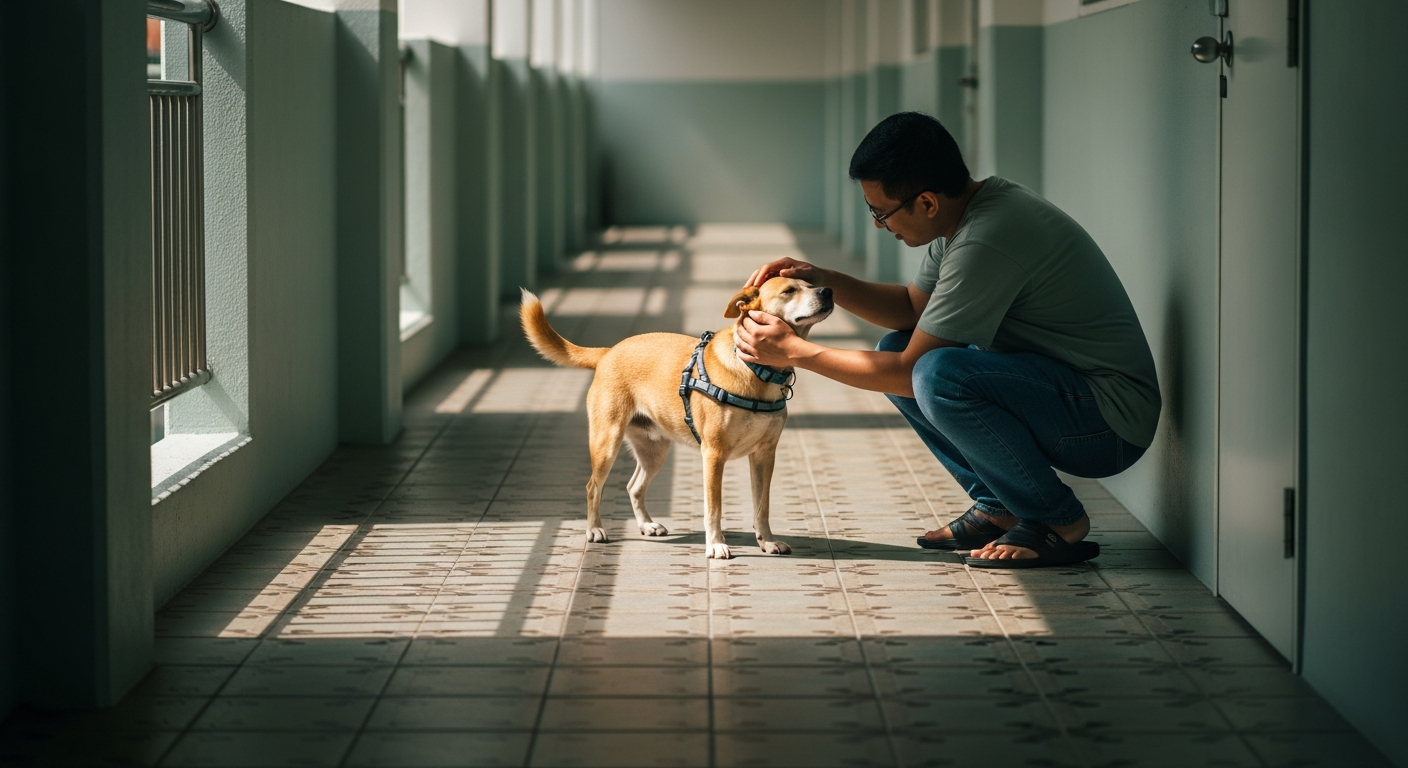 Singapore dog vaccination schedule, explained Core vaccines, puppy timing, leptospirosis, kennel cough, titre testing, and how your AVS licence connects to it all. Here is what Singapore dog owners actually need to know about keeping jabs current and records straight.
-
 Your rescue dog's first 30 days in Singapore Bringing a rescue dog home is a different experience from raising a puppy, and the first 30 days require patience more than training. This guide covers what to expect during the decompression period, from the first quiet hours in a HDB flat to the point where your dog genuinely starts to feel at home.
-
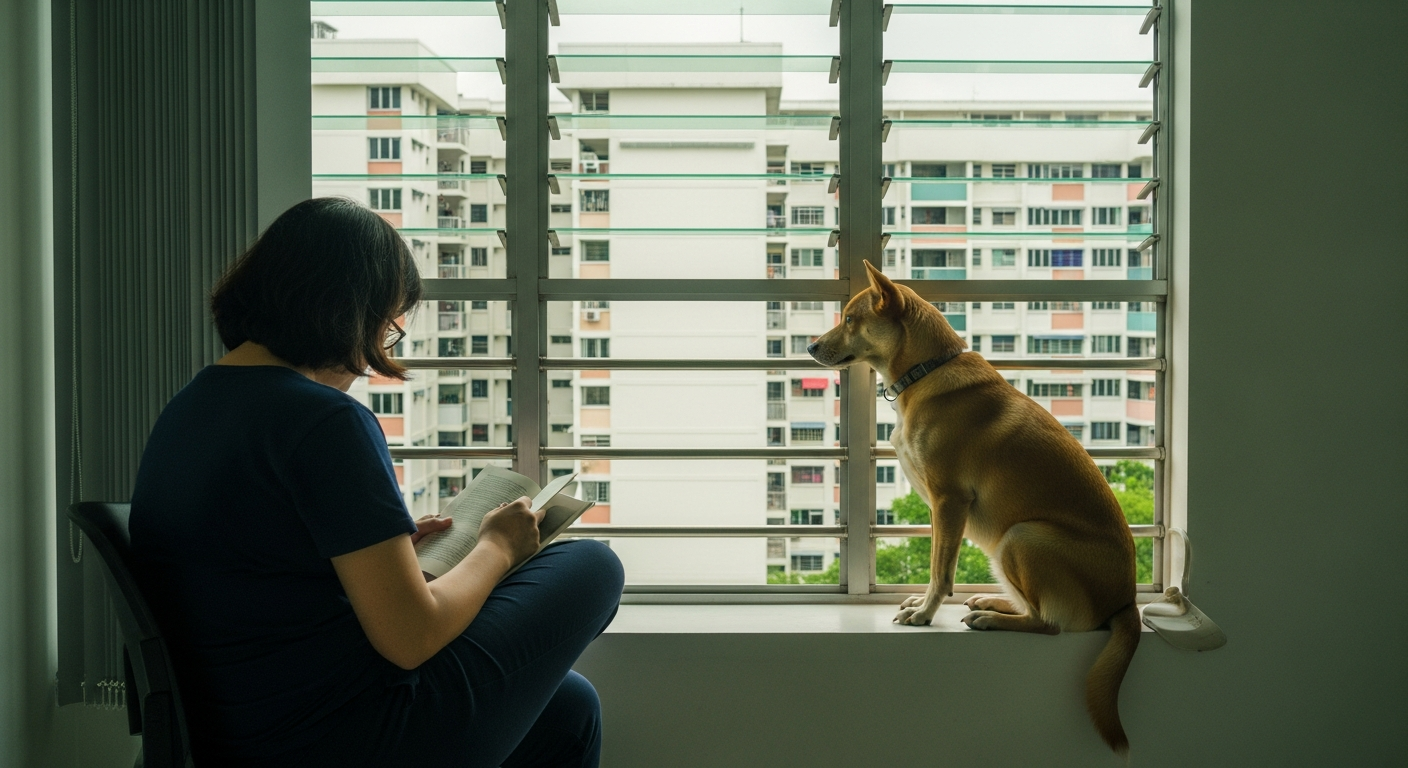 AVS dog licensing in Singapore: a step-by-step guide AVS dog licensing is mandatory for every dog in Singapore aged three months and over, regardless of where you live. This guide covers the documents you need, the current fee structure, how to apply and renew online, and what is at stake if you let your licence lapse.
-
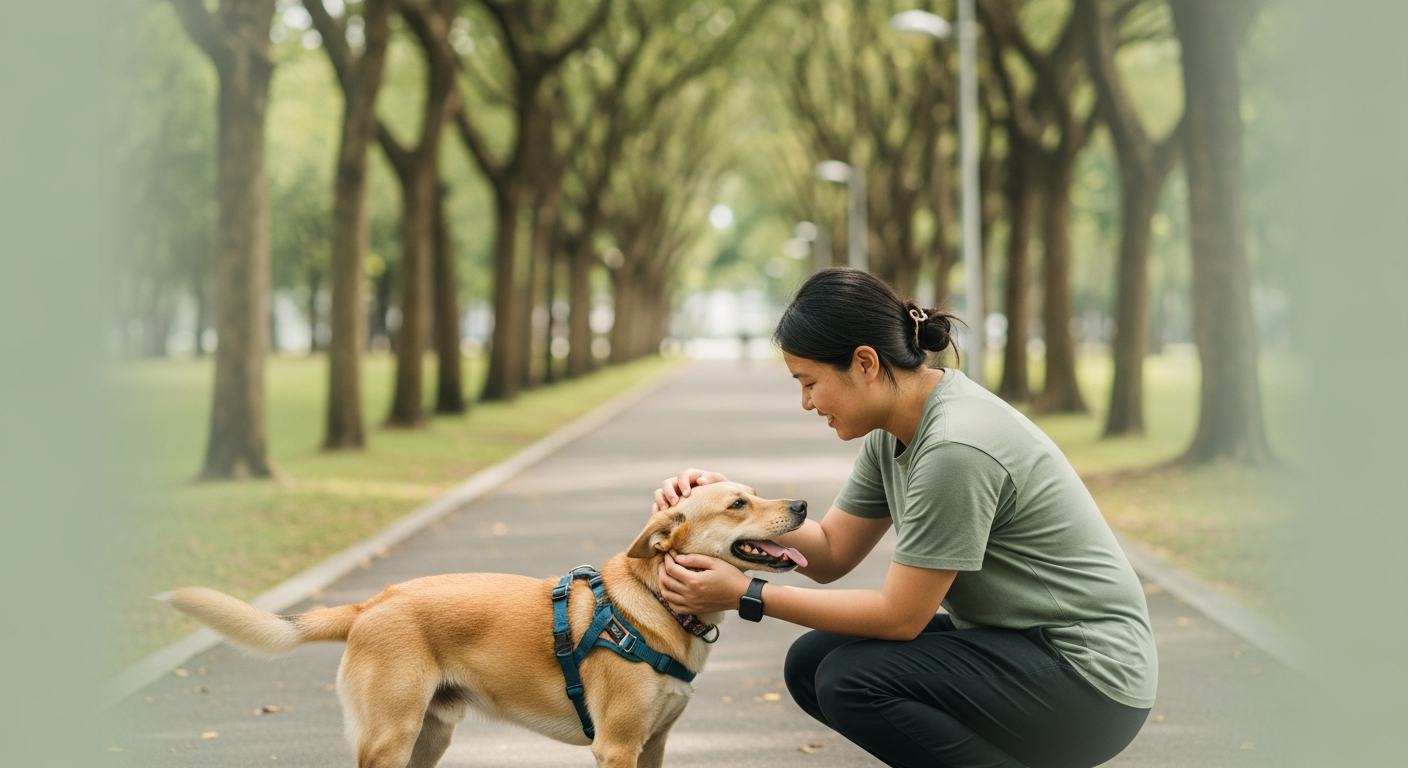 Dog bite laws in Singapore: what every owner must know We know this is not a comfortable topic, but understanding the law before an incident happens is one of the most responsible things you can do as a Singapore dog owner. Here is what the Animals and Birds Act actually says.
-
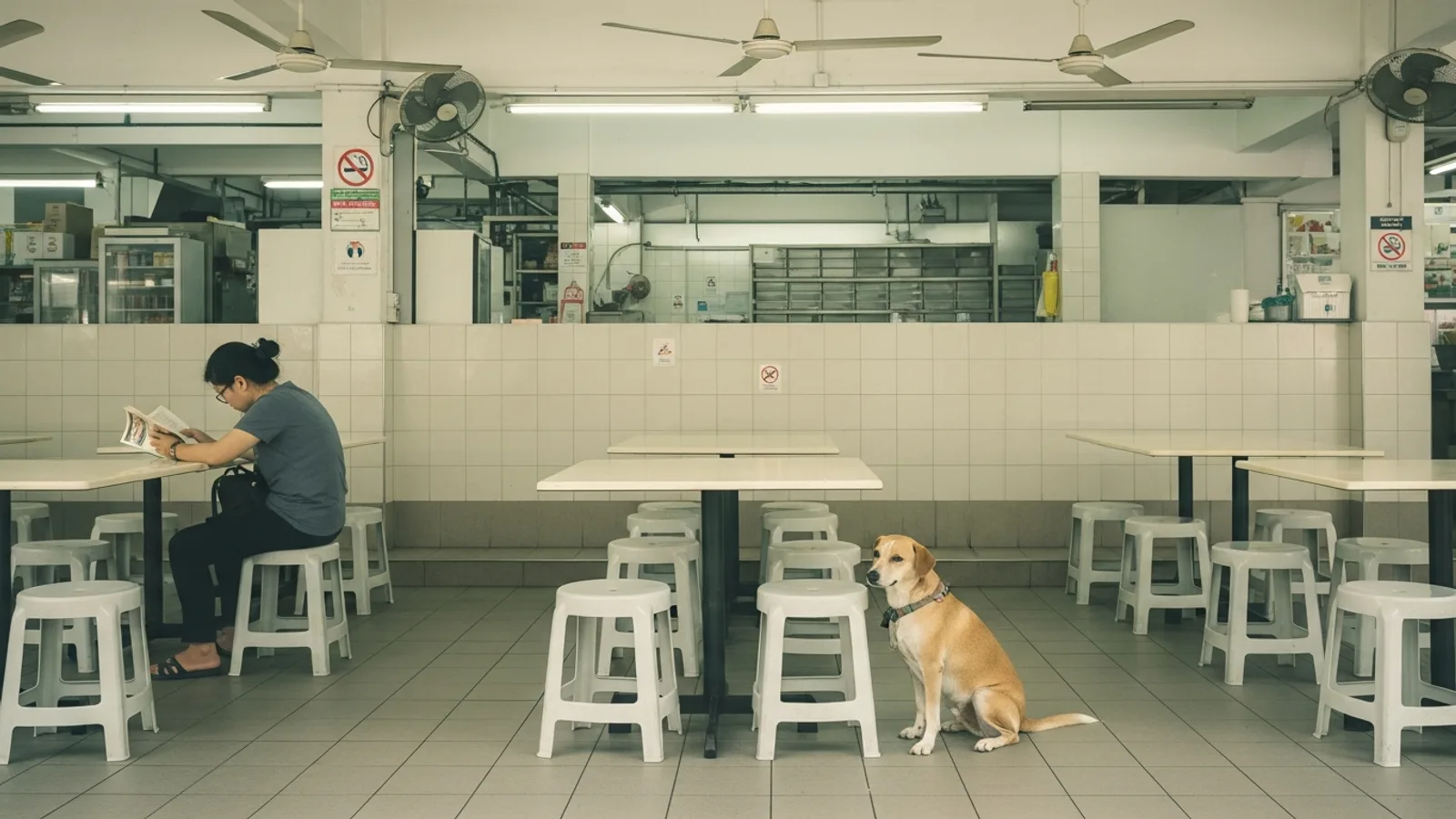 Dog poisoning: what to do right now If your dog may have swallowed something harmful, call a veterinary clinic promptly with the product, amount, time and dog’s weight. Do not wait for symptoms or induce vomiting unless instructed by the vet.
-
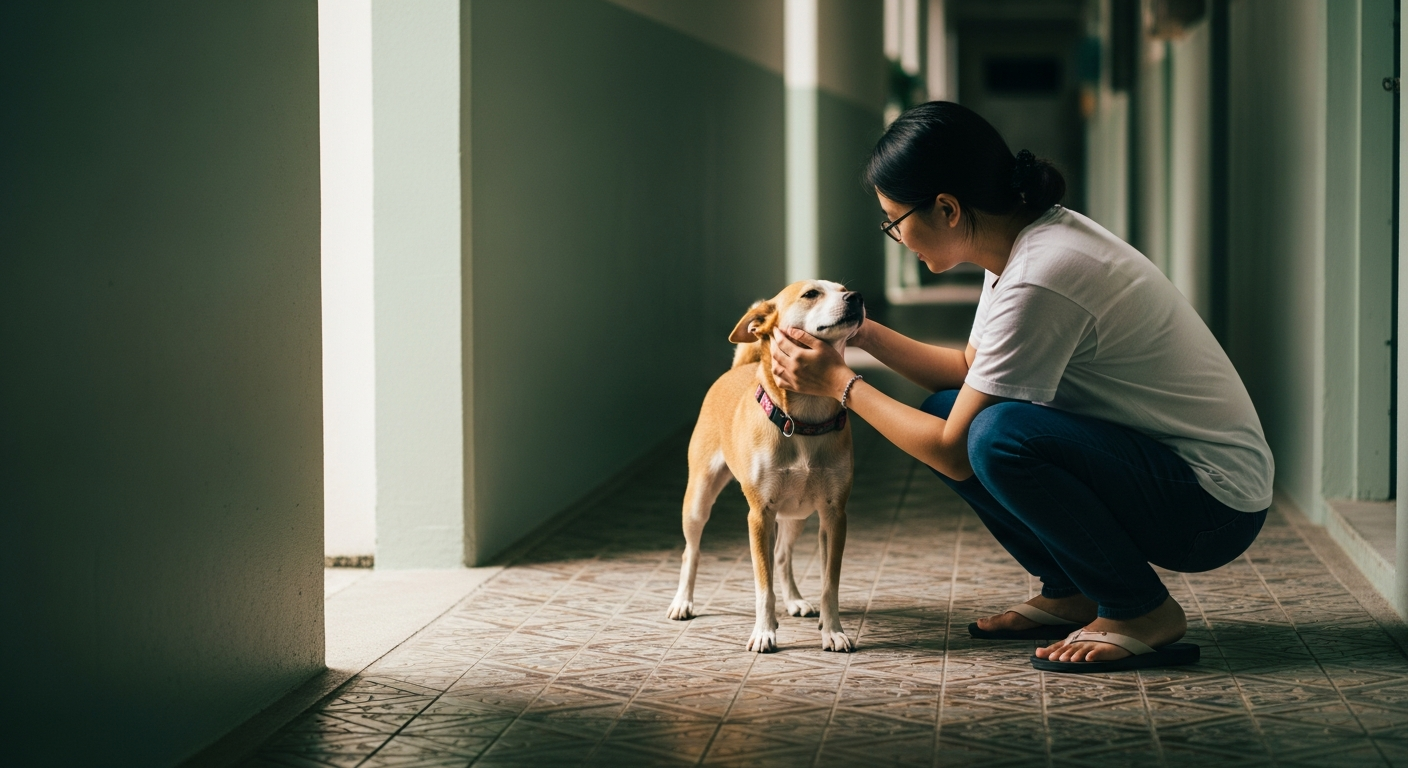 Dog run, shaded walk or quieter outing: choosing in Singapore Choose the outing your dog can manage today. Check permission, space, conditions and an easy exit before deciding between a dog run, an on-lead walk or a quieter alternative.
-
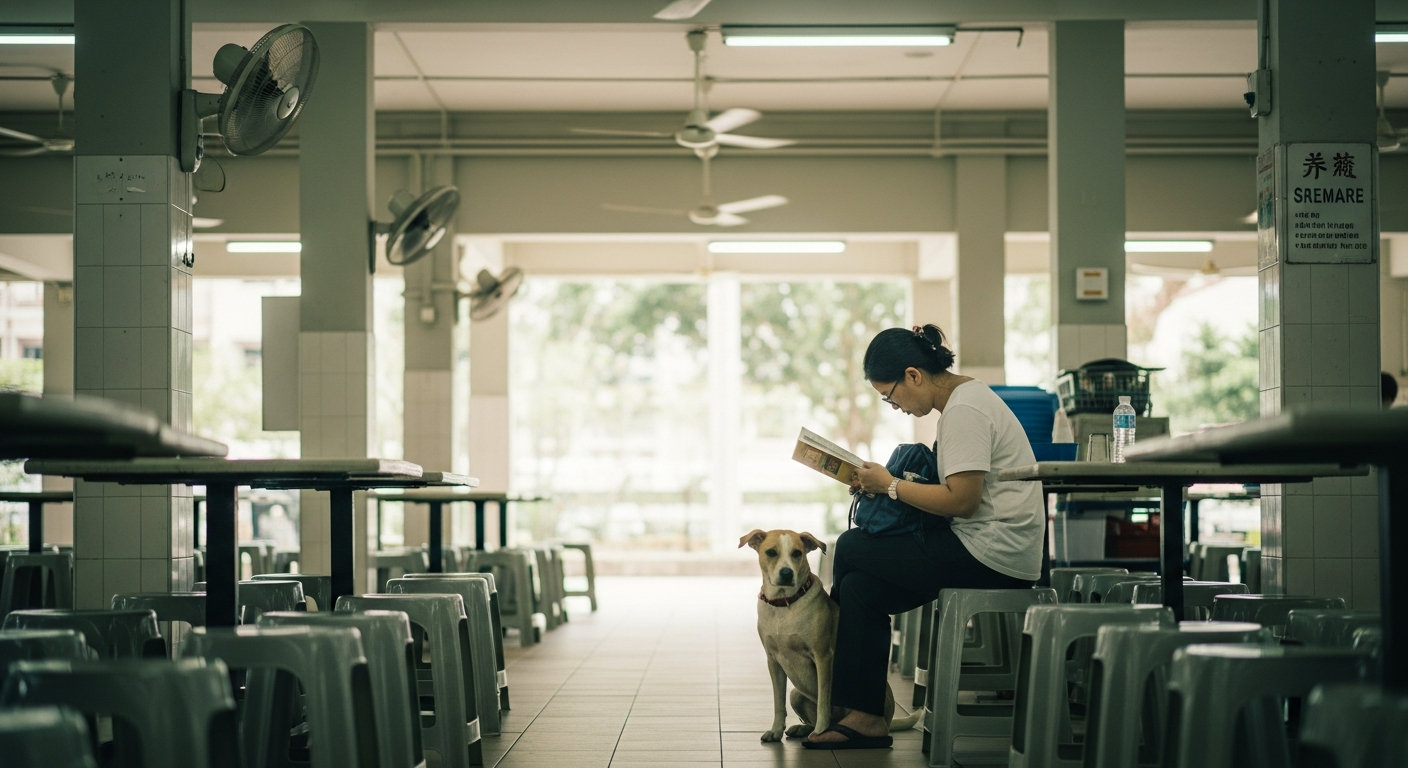 How much to feed your dog: a Singapore portion and label guide A feeding calculator gives you an estimate to discuss and monitor, not an exact prescription. Your dog's needs depend on individual body condition, muscle, activity, life stage and health. Living in Singapore or an HDB flat does not justify an automatic percentage cut in food.
-
 How to stop excessive barking in an HDB flat One of the most common calls we get from Singapore owners is about a neighbour complaint. Before anything else, know this: excessive barking is almost always a training and environment problem, not a character flaw in your dog, and it is fixable.
-
 Moving house with your dog: an HDB-to-condo and cross-border guide
-
 Resource guarding in dogs: what it is and how to fix it Growling over a food bowl looks like a behaviour problem, but it is really a communication signal, and how you respond to it in the first few weeks decides whether it fades or escalates. Here is what resource guarding actually is, and the training approach that has the evidence behind it.
-
 Singapore dog transport: MRT rules and pet-friendly rides Ordinary dogs cannot use Singapore’s MRT, LRT or public buses, even in carriers. Plan pet-accepting rides and safe, comfortable journeys instead.
-
 Specified Dogs in Singapore: licensing and public-space rules If your dog's breed has extra licensing requirements, start with the official AVS list and the conditions that apply to your dog and home.
-
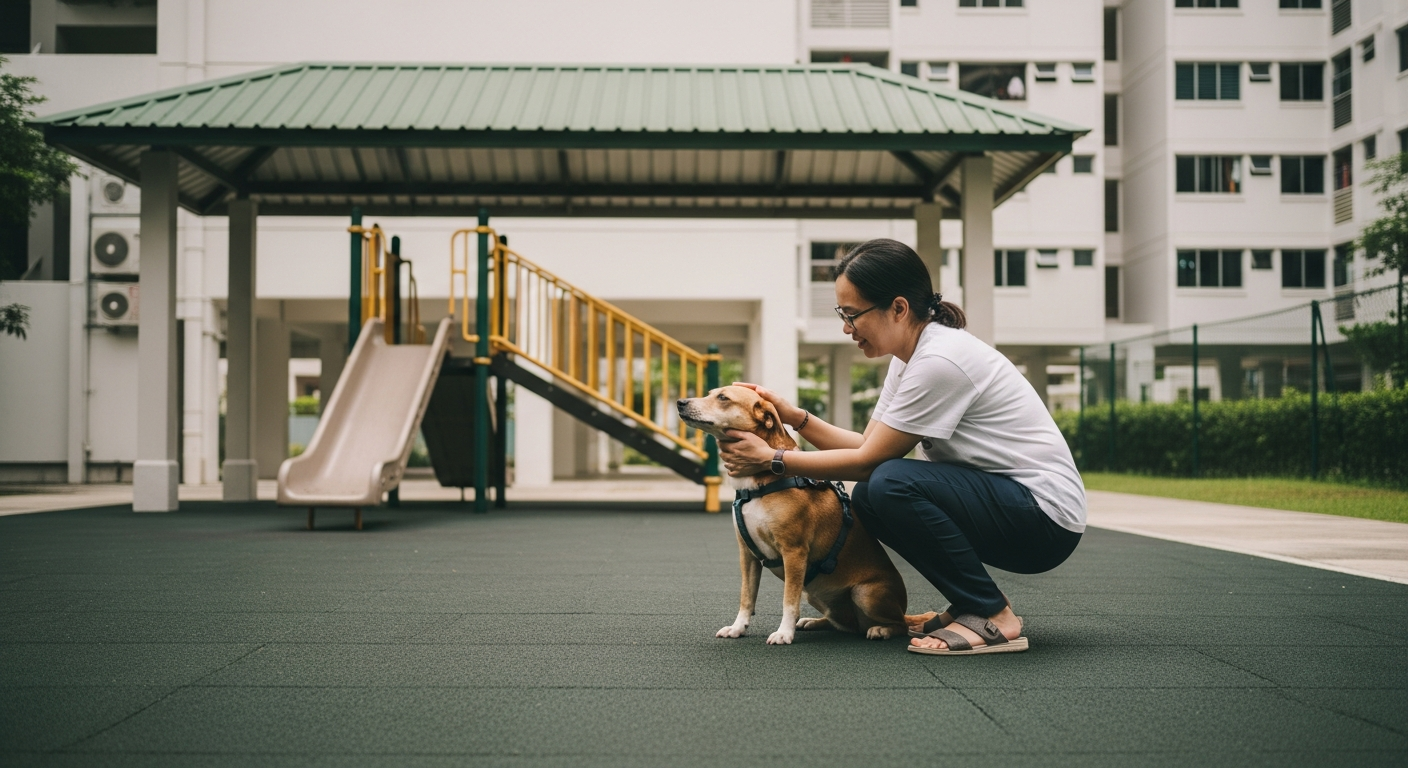 Your dog's first month at home: a week-by-week checklist The first month with a new dog sets the foundation for everything that follows. This week-by-week checklist covers the practical steps, the training priorities, and the vet visits you need to action in weeks one through four.
-
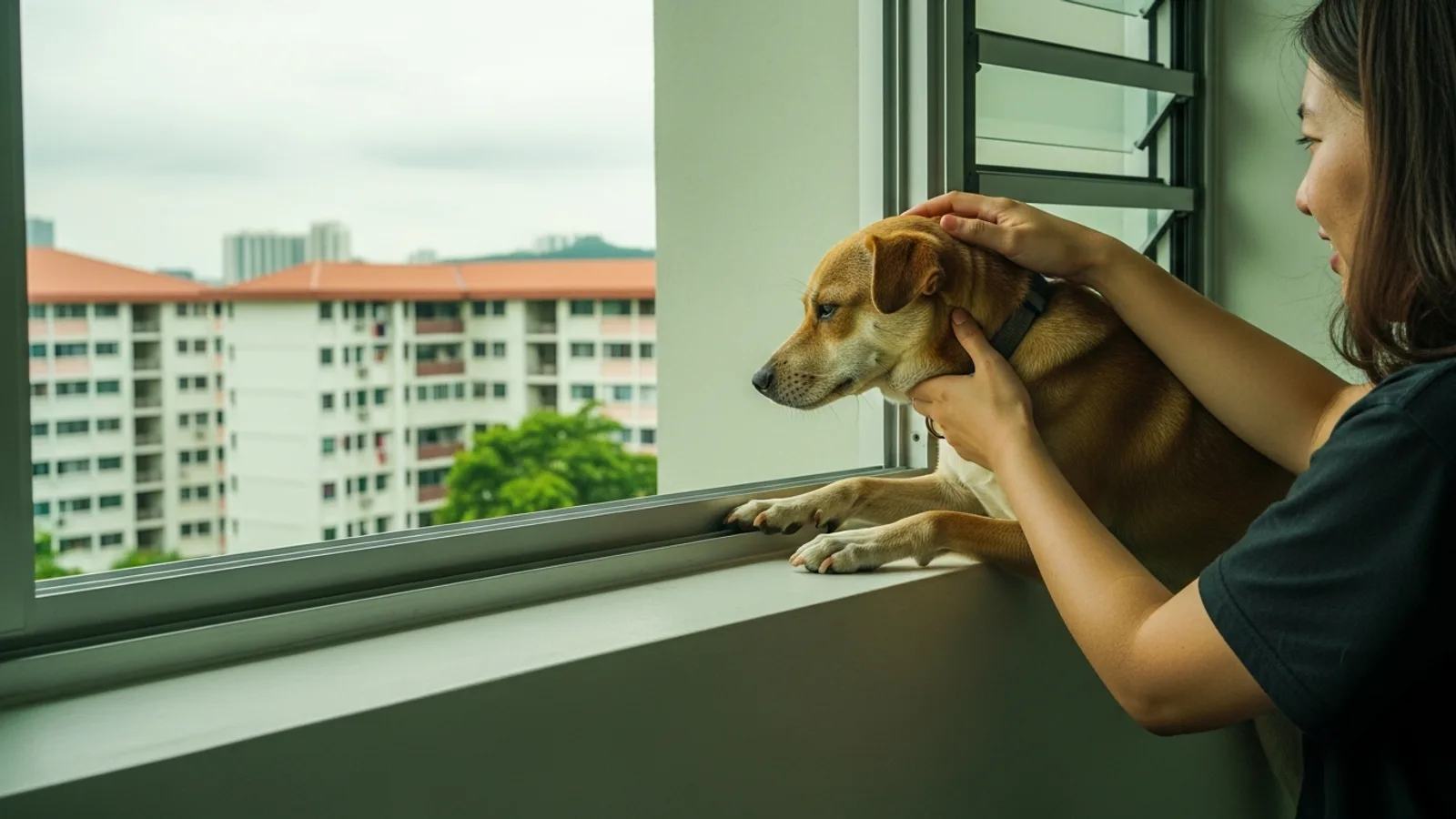 Excessive barking in HDB: how to reduce it fast Excessive barking in an HDB flat is one of the top three reasons dogs get rehomed in Singapore. The most effective approach combines identifying the trigger (boredom, fear, alert barking, or separation anxiety), adjusting the environment, and teaching a 'quiet' cue with positive reinforcement. Most cases improve within 2 to 4 weeks with consistent work.
-
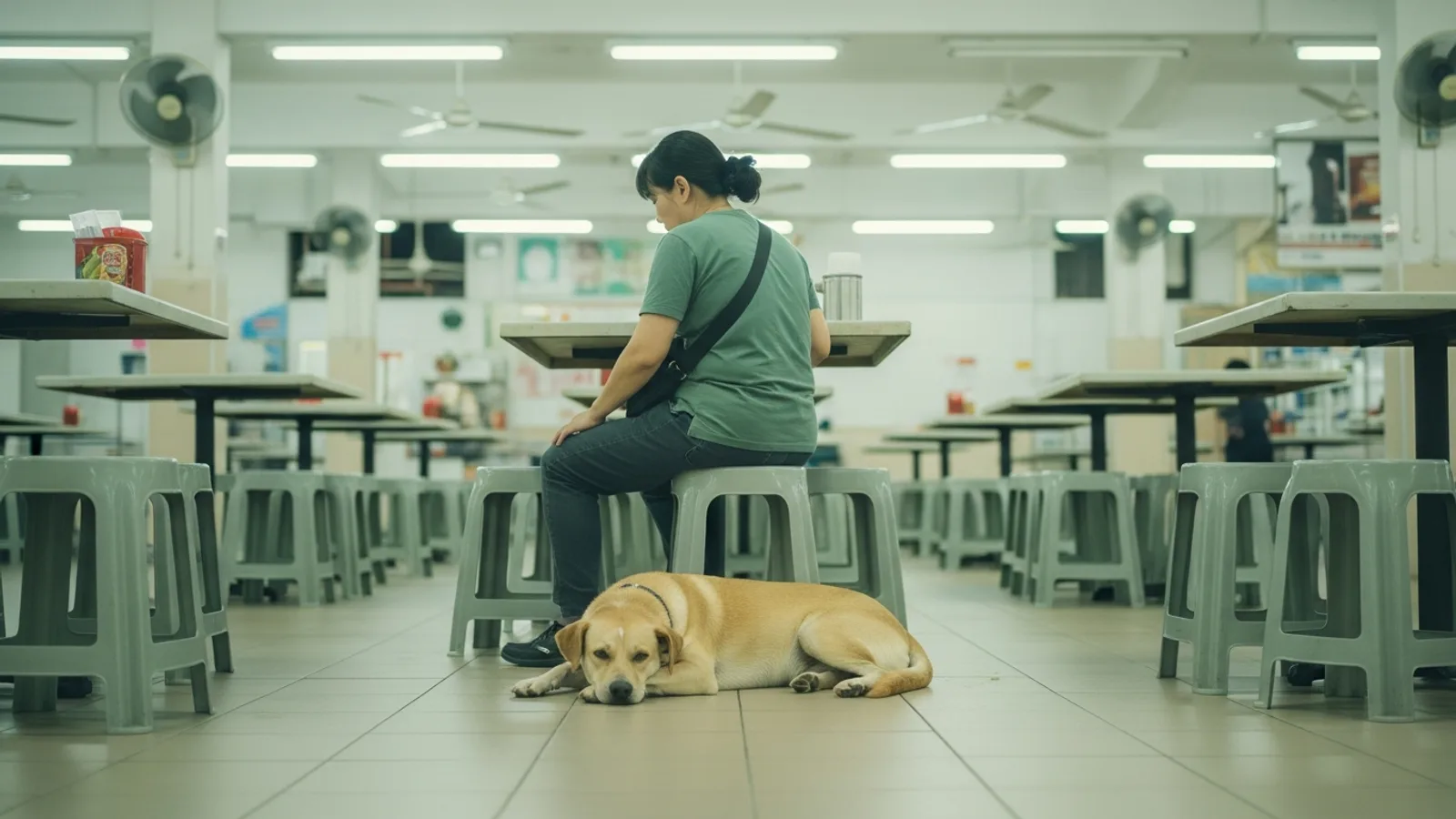 Dog + newborn: how to introduce them safely Most dogs adjust well to a new baby if the introduction is managed correctly. The key is preparation before the baby arrives, not a crash course on the day. Start 4 to 6 weeks before the birth: introduce baby sounds and smells, reinforce calm behaviour, and establish the boundaries that will apply once the baby is home. The first meeting should be calm, brief, and always supervised.
-
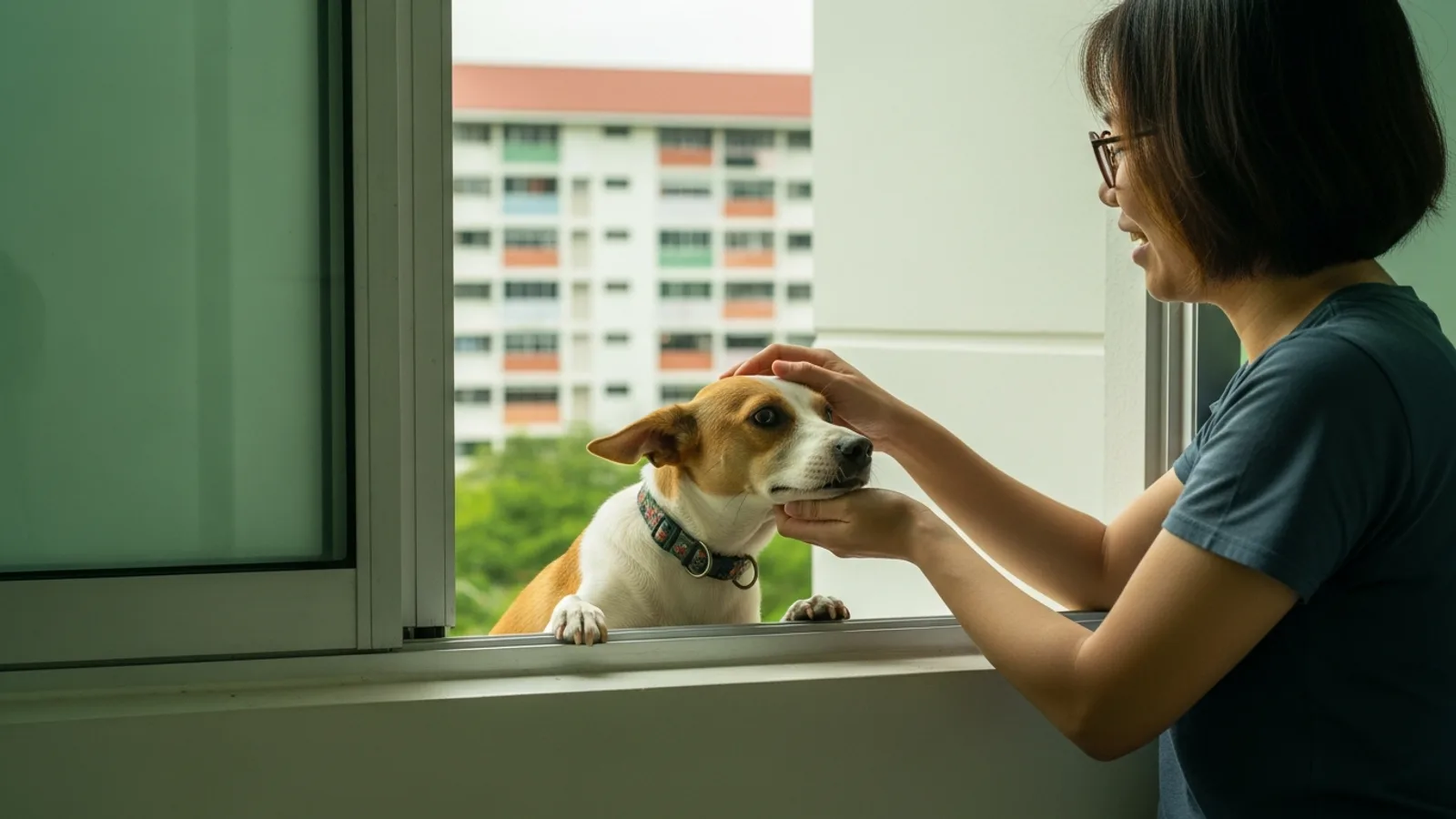 Emergency first-aid for dogs in Singapore Prepare your emergency vet contact and transport plan. For suspected heatstroke, start cooling promptly while arranging veterinary help. Poisoning, breathing difficulty, collapse and prolonged or repeated seizures need urgent assessment.
-
 Dog poisoning: what to do RIGHT NOW If your dog may have swallowed something harmful, call a veterinary clinic promptly with the product, amount, time and dog’s weight. Do not wait for symptoms or induce vomiting unless instructed by the vet.
-
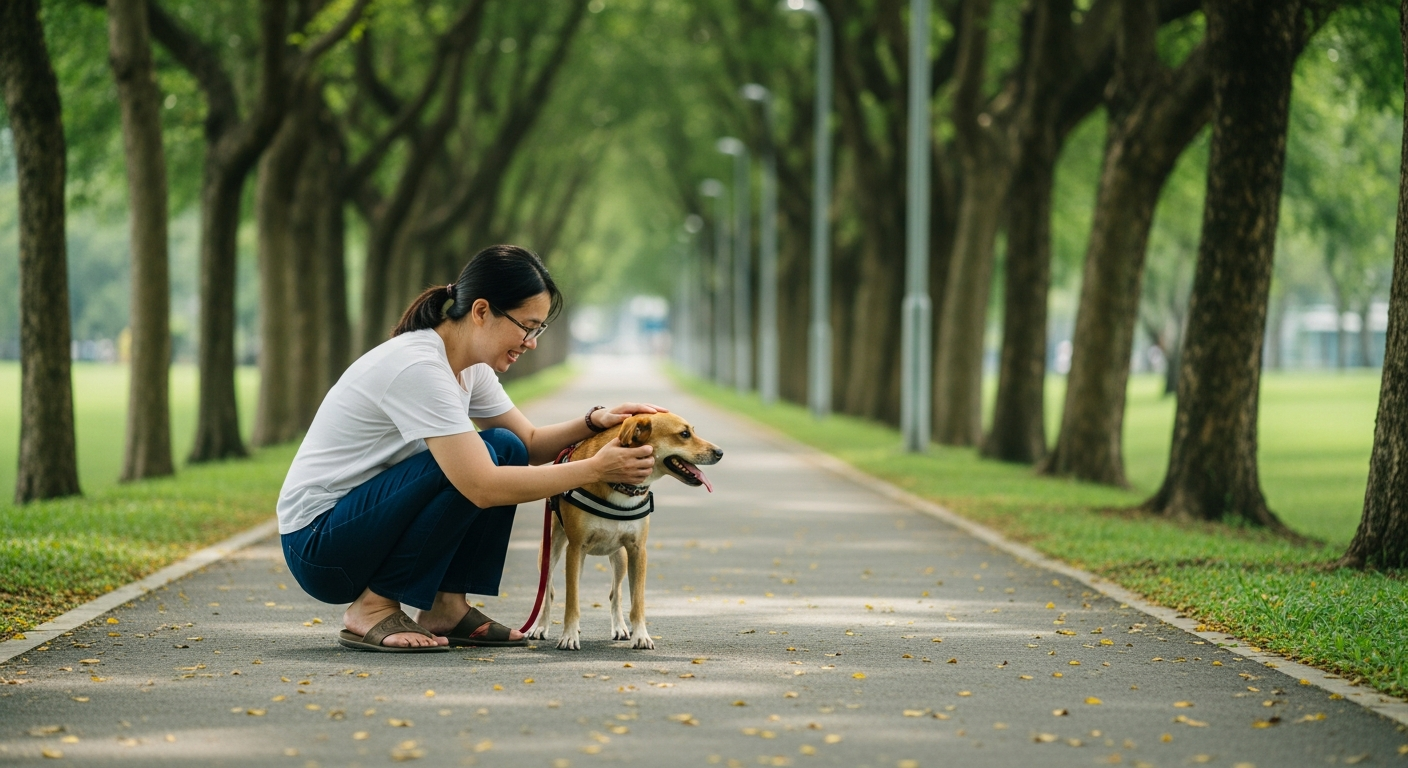 Dog aggression in Singapore: causes, types, and what to do After snapping, lunging or a bite, prevent another incident, obtain care for injuries and contact your vet. Build an individual safety plan; a muzzle reduces risk but cannot eliminate it, and investigation outcomes cannot be predicted from a general guide.
-
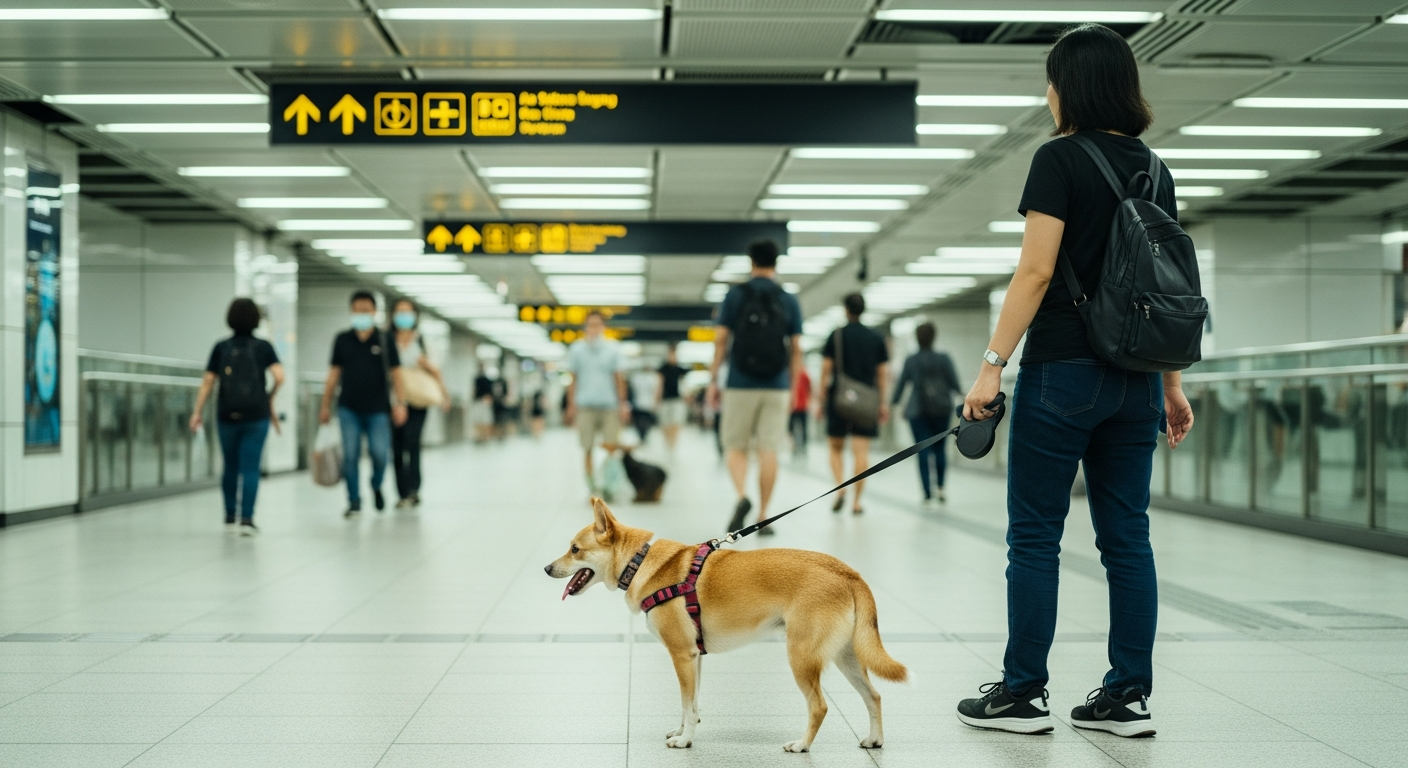 Dog fears and phobias in Singapore: what triggers them and what helps Fear responses in dogs range from a brief startle to a full phobic crisis, and Singapore's thunderstorms, fireworks calendar, and HDB environment create triggers year-round. This guide explains what is actually happening, what helps, and when to involve your vet.
-
 Condo pet rules in Singapore: what your MCST can and cannot do Your MCST has real authority to regulate dogs in common areas if the right by-laws have been properly passed, but it cannot ban dogs outright or enforce rules that were never adopted at a general meeting. Knowing the difference protects you from both unlawful overreach and genuine non-compliance.
-
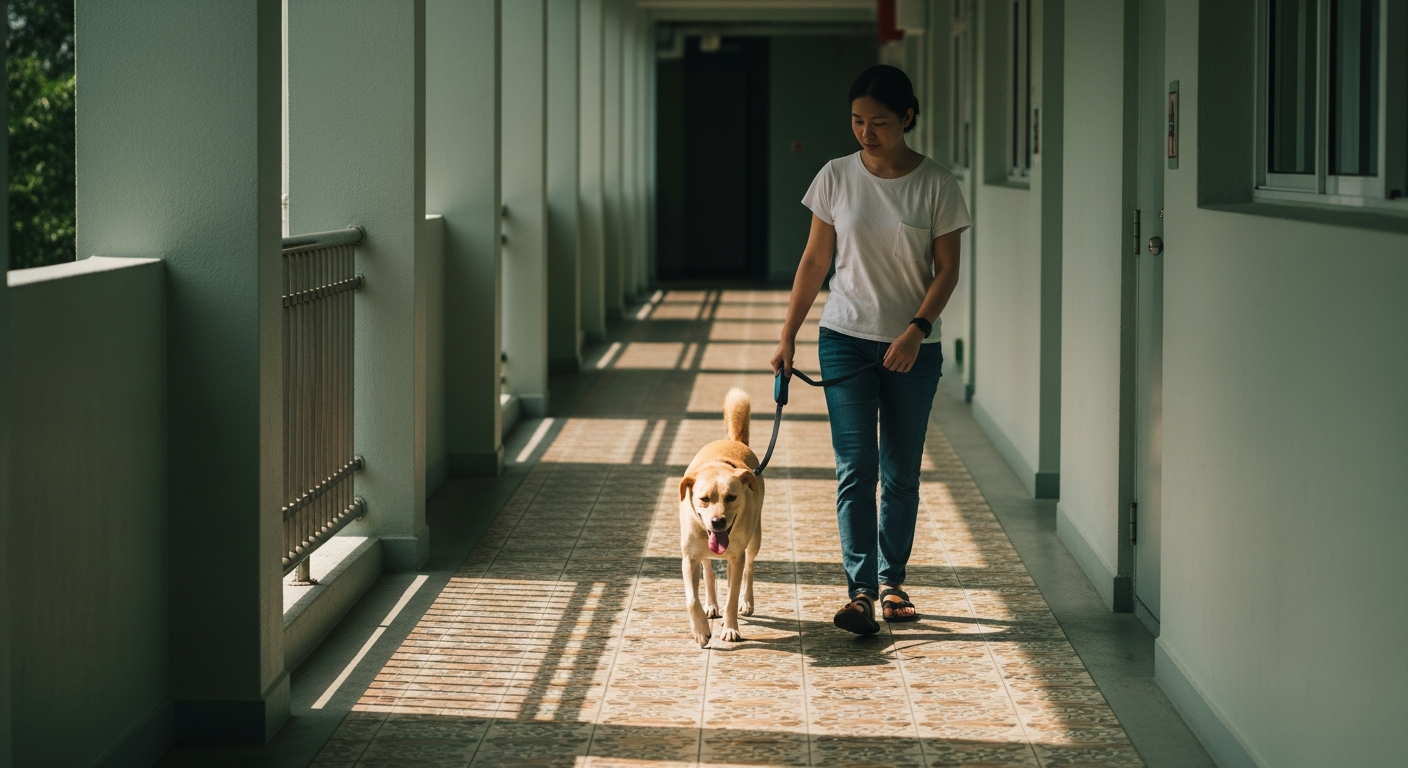 Reporting a lost or stray dog in Singapore: the AVS process explained If your dog has gone missing or you have found a stray, Singapore's AVS portal is the official reporting channel for both situations. Acting within the first hour and knowing the 14-day shelter hold window can make the difference between a reunion and a missed chance.
-
 Pet insurance emergency claims in Singapore: a step-by-step guide After an emergency vet visit, most Singapore pet insurers require you to notify them within 48 to 72 hours and then submit an itemised invoice, written diagnosis, and claim form to trigger reimbursement. This guide covers every step, from what to collect at the clinic to what to do if your claim is rejected.
-
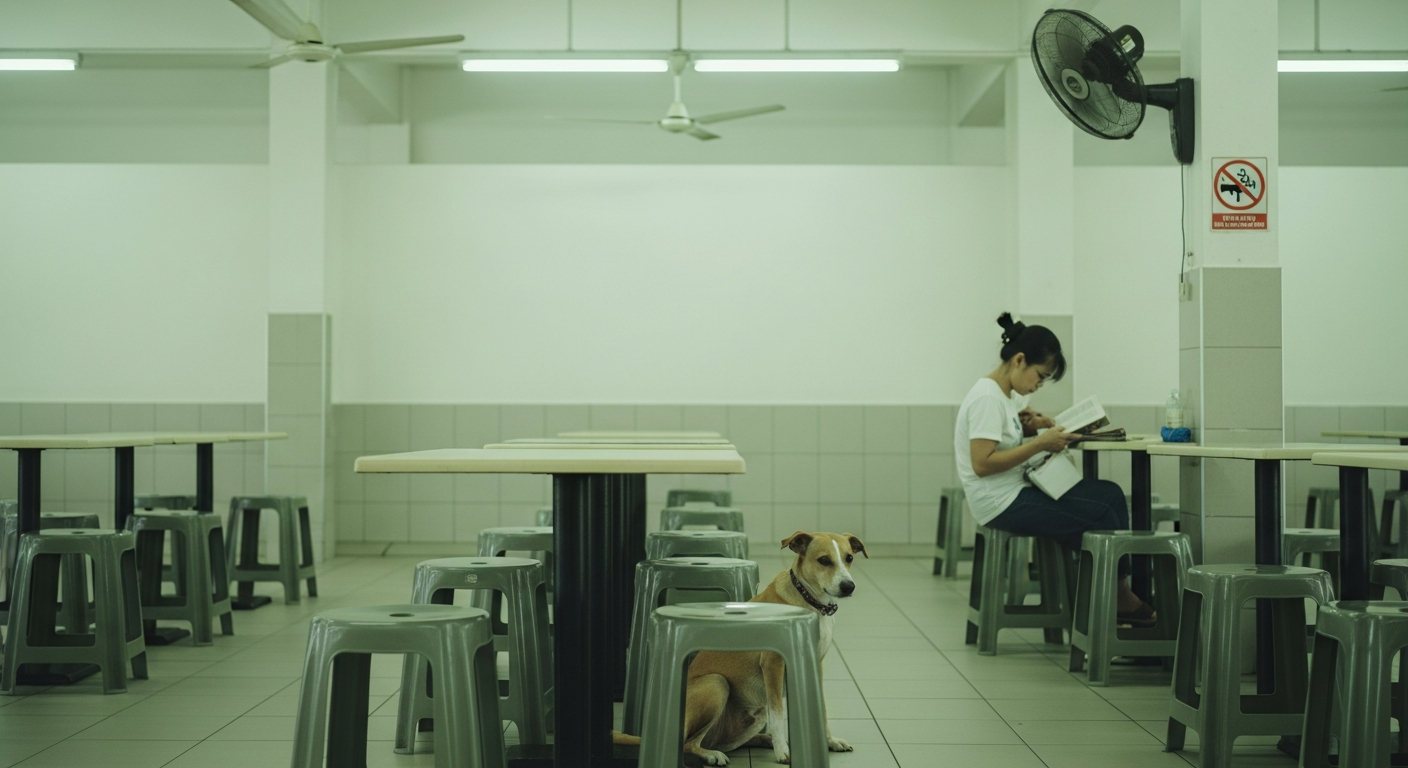 Walking Singapore's park connectors: a guide for HDB dog owners Singapore's Park Connector Network gives HDB dogs access to more than 350 km of green, low-traffic walking corridors. This guide covers the five routes most useful to HDB owners, how to walk them safely in Singapore's heat, and what to bring.
Still deciding?
If you're still researching whether to get a dog, head to the potential-owner hub: breed matching, cost breakdown, and ethical sourcing guidance.