

6 min read
Last updated First published 29 July 2026
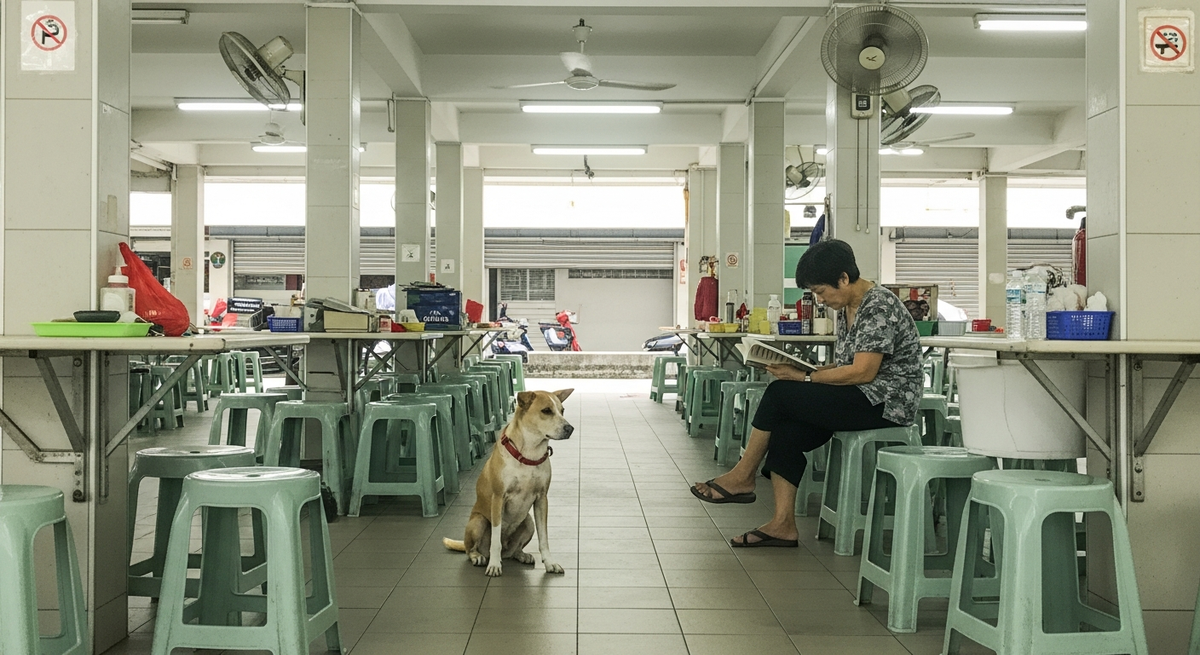
Ordinary dogs cannot use Singapore’s MRT, LRT or public buses, even in carriers. Plan pet-accepting rides and safe, comfortable journeys instead.
Ordinary pet dogs cannot travel on Singapore’s MRT, LRT or public buses, even in a carrier or stroller. Plan a pet-accepting vehicle or a suitable walk instead. Our previous carrier-size exception was incorrect.
What do the transport operators actually say?
SBS Transit’s FAQ excludes animals from its buses and trains, with an exception for guide dogs accompanying visually impaired commuters. A companion dog being small, quiet or enclosed does not turn it into a guide dog. Nor does travelling off-peak change the pet rule.
The distinction matters before adopting as well as before a vet appointment. Living near a station does not mean you can take your dog across the island by train. Budget for an appropriate outward and return journey, and think about how you would reach urgent veterinary care when your normal driver or family member is unavailable.
GrabPet and other pet-accepting rides
Grab Singapore lists GrabPet as a dedicated service for travelling with pets. Check its current in-app conditions, animal and passenger capacity and displayed fare before booking. Tell the driver about your dog and any carrier or equipment that needs space. Do not assume a standard private-hire booking has the same pet permission.
Allow time for a vehicle to be available, particularly before a timed appointment. If a vehicle cannot fit your dog safely, ask the operator for an appropriate alternative. Do not squeeze a dog into a carrier that is too small simply to match a booking category or make the trip cheaper.
For a specialist pet transporter, ask whether you can accompany your dog, whether other animals will share the trip, how the dog is secured, how ventilation is maintained, and what the collection and cancellation terms are. Agree a contact and contingency plan if the journey is delayed.
Metered taxis have their own animal policies
ComfortDelGro’s published FAQ allows animals that are caged or muzzled, with a separate guide-dog exception. Confirm the correct booking category and tell the operator about the dog before pick-up. Other operators’ terms should be checked directly.
A muzzle must suit the dog and allow adequate panting; it is not a way to make an overheated or frightened dog tolerate a trip. If your dog is not used to the equipment a service requires, arrange a suitable alternative and discuss gradual training for future journeys. Use a restraint or carrier appropriate to the animal and vehicle, following the equipment’s instructions.
Choosing and practising with a carrier
Choose a secure, well-ventilated carrier in which your dog can stand, turn and lie comfortably. Check the manufacturer’s load limit and how it is meant to be secured in a car. The invented MRT measurements from our old guide should not determine what you buy.
Make the carrier familiar at home before a necessary journey. Leave it open with comfortable bedding and reward voluntary exploration. Introduce brief closure and gentle lifting only when the dog is comfortable, then build up gradually. There is no fixed number of weeks that guarantees readiness, and a dog who settles at home may still need help with traffic, motion or an unfamiliar vehicle.
If your dog freezes, struggles to escape or becomes increasingly distressed, make the next step easier. Do not force a long ride as a training exercise. Speak to a qualified reward-based trainer about the training plan and to your veterinarian about severe anxiety or travel sickness. Do not use another pet’s sedative or a human medicine.
Keep car journeys safe and comfortable
AVMA’s pet-travel guidance recommends safe restraint and planning around the animal’s needs. Keep a dog from moving into the driver’s space or escaping when a door opens. Follow the restraint manufacturer’s fitting instructions rather than assume every harness or seatbelt attachment has been crash-tested.
Minimise waiting in hot outdoor areas and never leave your dog in a parked vehicle. Carry drinking water, use a ventilated carrier where needed, and choose a route with as little unnecessary waiting as practical. Air conditioning during the ride does not make a long hot walk to the pick-up point harmless.
Heavy panting accompanied by weakness, confusion or collapse is an emergency. Move away from the heat, start appropriate cooling and contact a veterinarian urgently; do not wait for symptoms to settle before arranging care. A flat-faced dog or one with known breathing or heart disease may need an individual travel plan from its vet.
Before you leave your HDB flat
- Confirm pet acceptance, vehicle capacity and the return journey.
- Check the destination’s pet rules, entrance and waiting area.
- Keep the dog secure through corridors, lifts and the pick-up area.
- Bring water, waste bags, familiar bedding and any prescribed essentials.
- Keep the clinic or destination’s phone number accessible.
- For an emergency, call the clinic while arranging transport so the team can advise on handling and arrival.
Common questions
Can a corgi, beagle or toy breed use the MRT?
Not as an ordinary pet. Breed, size and a closed carrier do not create permission.
Does a fully enclosed pet stroller qualify?
No ordinary-pet stroller exception is established by the published rules. Choose a pet-accepting transport service instead.
What if my dog never barks?
A quiet dog is still subject to the pet restriction. Do not attempt a train journey to test enforcement.
Can I use public transport when going to adopt a dog?
You can attend without a pet, but arrange a separate accepted ride if the rescue authorises collection. Confirm collection timing with the rescue rather than assume every visit ends in a same-day adoption.
Related practical guides
See our Singapore dog transport guide, flight planning guide and import and export requirements. International permissions are separate from the vehicle you use to reach the airport.
Plan the return trip before leaving
A successful outward ride is only half the practical problem. Save the destination’s collection instructions and check where a driver can stop legally without making you cross a busy road with your dog. If a clinic may keep your dog for tests, ask how collection timing works and whether it can advise on suitable transport after treatment. A dog recovering from sedation may need different handling from a dog going to a cafe; follow the discharge advice rather than your normal travel routine.
For a first journey, keep the purpose manageable. A short necessary appointment with quiet waiting space may be easier to organise than several shopping and dining stops. Tell the destination that you are bringing a dog, even if its general listing says pet-friendly, and check the exact entrance. If you need help carrying a large crate, arrange assistance before the vehicle arrives.
Official Singapore source: the SBS Transit FAQ is the operator source for the ordinary-animal prohibition. Check current operator conditions before each unfamiliar transport arrangement. Guide-dog exceptions do not extend automatically to other companion animals.
More for Singapore dog owners
-
 HDB barking complaints: how to manage your neighbour situation A neighbour complaint about your dog's barking is serious in an HDB context, but it is a problem with a clear pathway through it. This guide covers how to identify the cause, reduce the noise now, manage a formal complaint if one has been filed, and when to bring in professional help.
-
 Vet bills in Singapore: what to expect and how to plan Plan veterinary spending around your dog: ask for written estimates, compare the scope of care, understand insurance terms and prepare for unexpected bills.
-
 Singapore dog vaccination schedule, explained Core vaccines, puppy timing, leptospirosis, kennel cough, titre testing, and how your AVS licence connects to it all. Here is what Singapore dog owners actually need to know about keeping jabs current and records straight.
-
 Your rescue dog's first 30 days in Singapore Bringing a rescue dog home is a different experience from raising a puppy, and the first 30 days require patience more than training. This guide covers what to expect during the decompression period, from the first quiet hours in a HDB flat to the point where your dog genuinely starts to feel at home.