
A little something, made with care.
Ten homemade extras to explore alongside your dog’s usual complete diet. Check the ingredients, individual restrictions and serving notes before making a batch. A familiar ingredient does not make a recipe suitable for every dog.
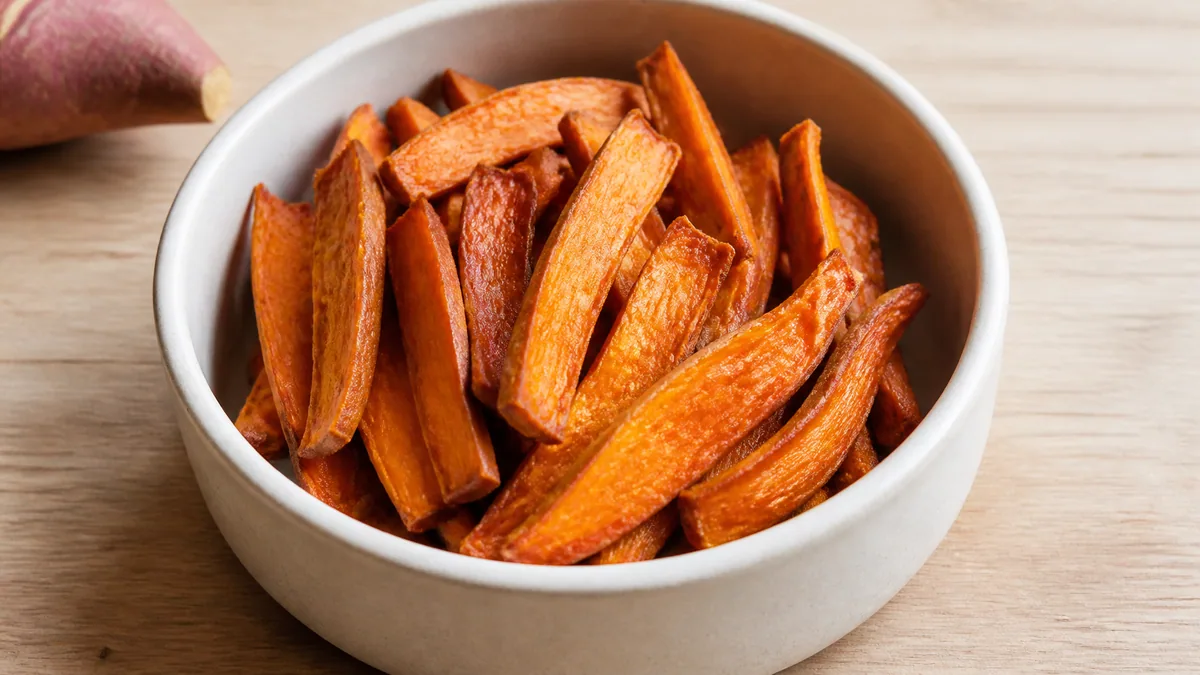
Soft sweet-potato pieces
One ingredient, prepared as a small extra. Keep pieces soft rather than turning them into very hard chews.
See the recipe →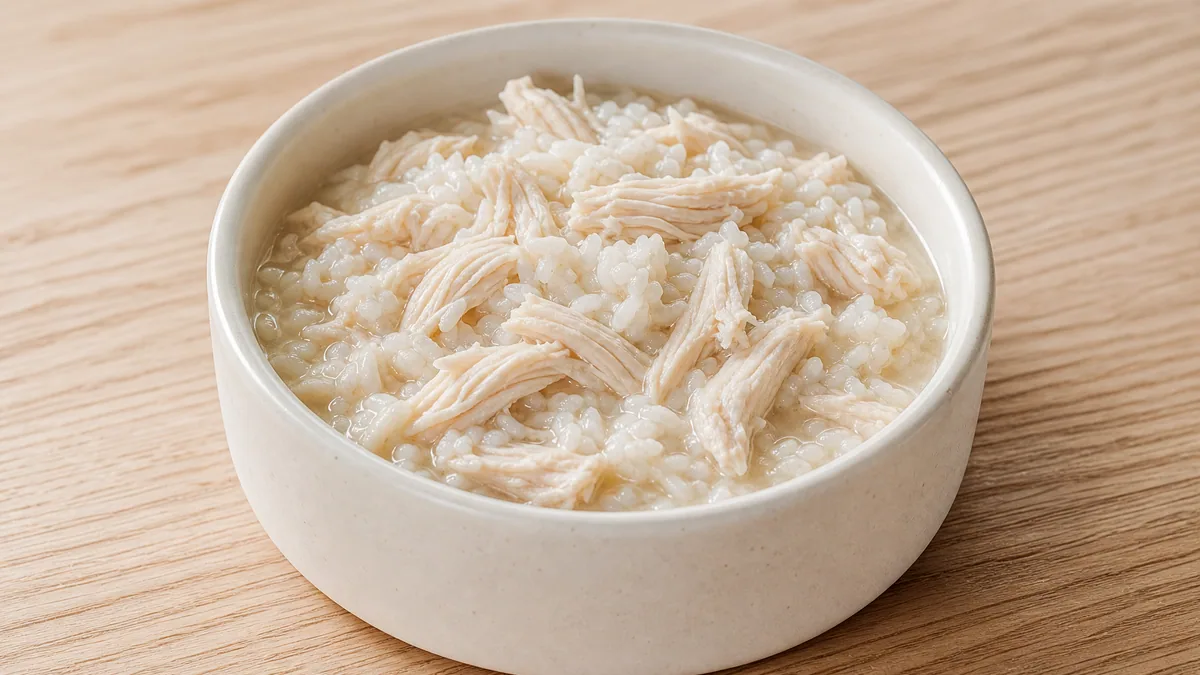
Plain chicken and rice
A simple chicken-and-rice preparation. It is not a complete diet or a treatment plan for an upset stomach; ask your vet before changing food for an unwell dog.
See the recipe →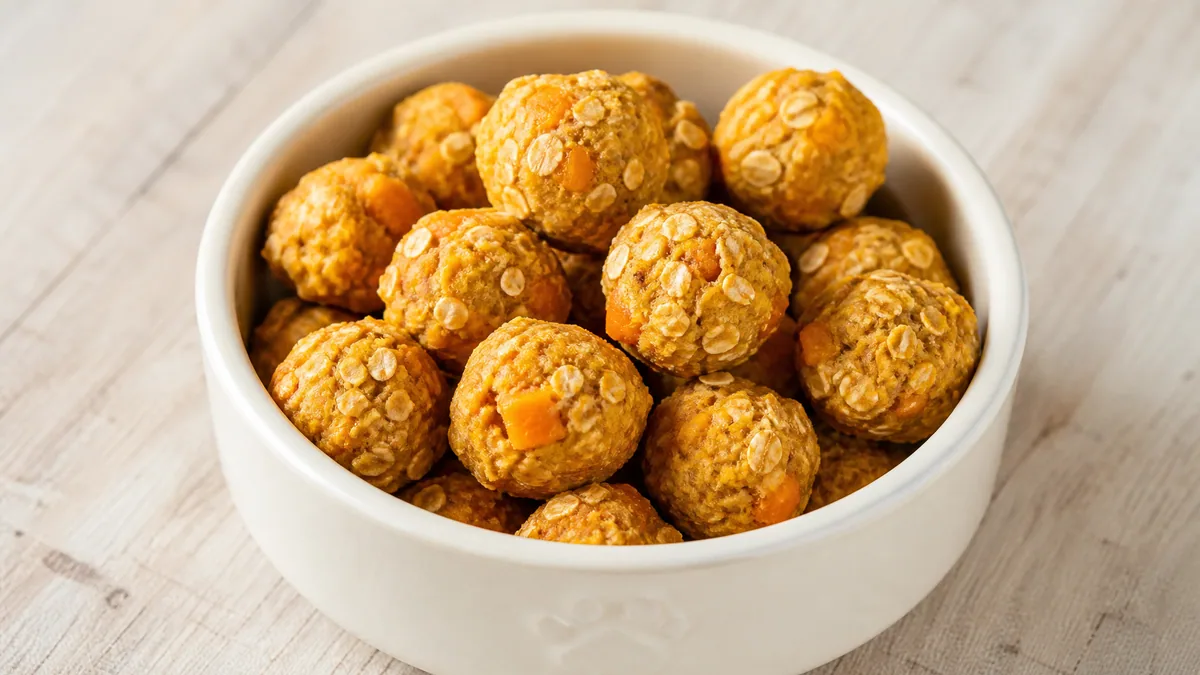
Pumpkin and oat bites
A small baked extra made with plain pumpkin and oats. No digestive-treatment claim or senior-dog suitability is implied.
See the recipe →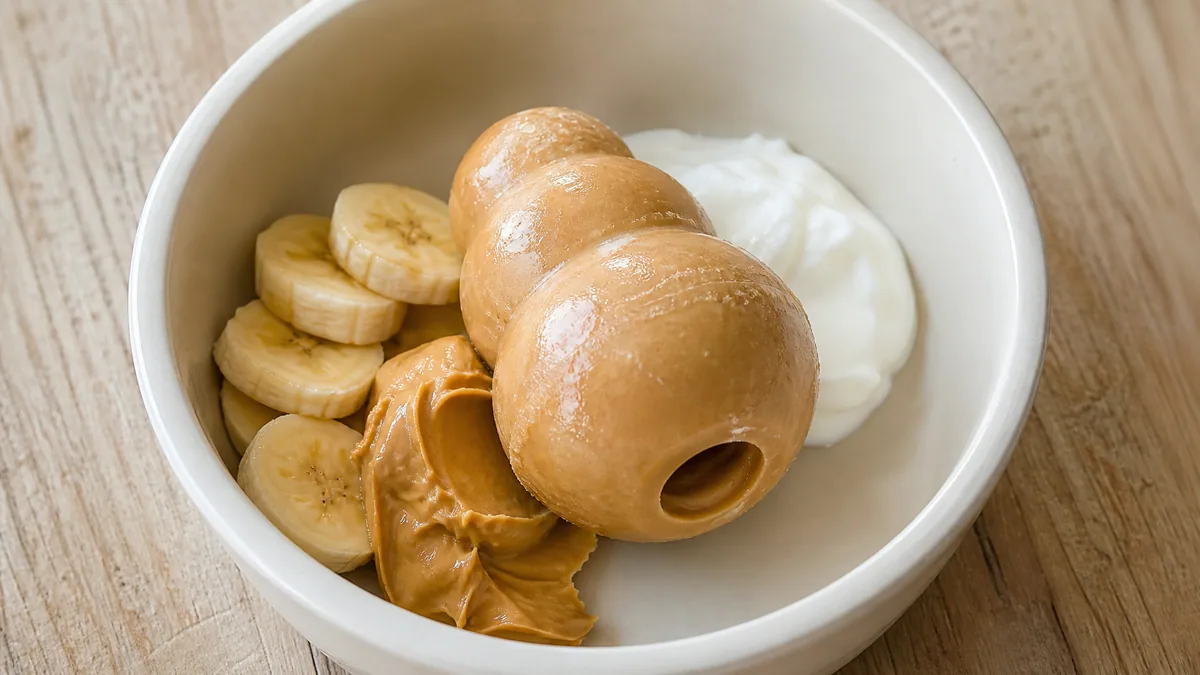
Banana and peanut-butter toy filling
A small optional filling for an appropriate food toy. It is not a guaranteed quiet half hour, a cooling treatment or a puppy meal.
See the recipe →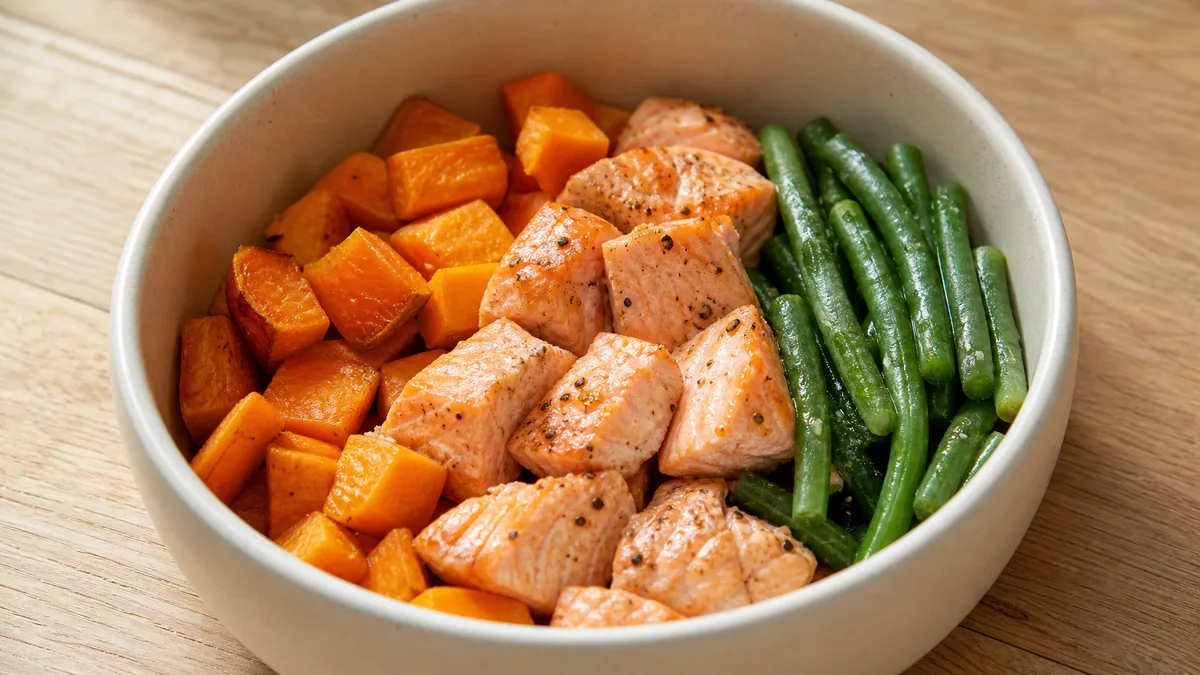
Salmon and sweet-potato extra
A cooked salmon mixture to consider as an occasional extra, not a complete dinner or a promise of a shinier coat.
See the recipe →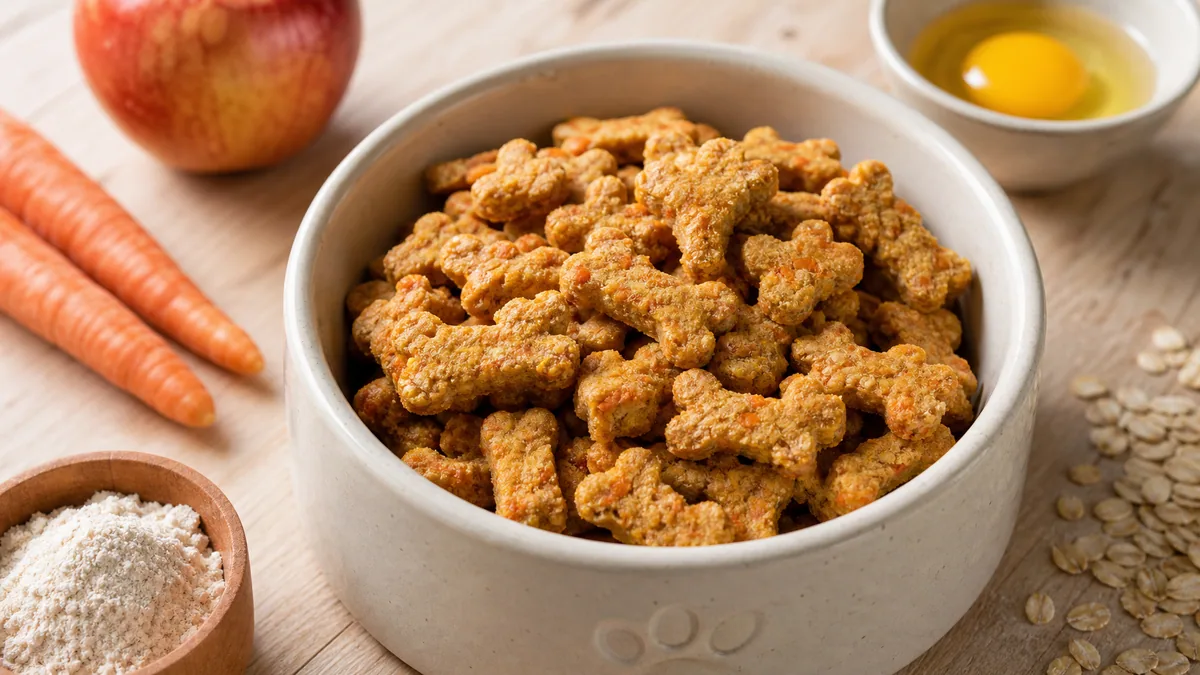
Carrot and apple bites
Small baked extras for a reward. Their calorie content has not been calculated, so they are not an unlimited or automatically low-calorie training treat.
See the recipe →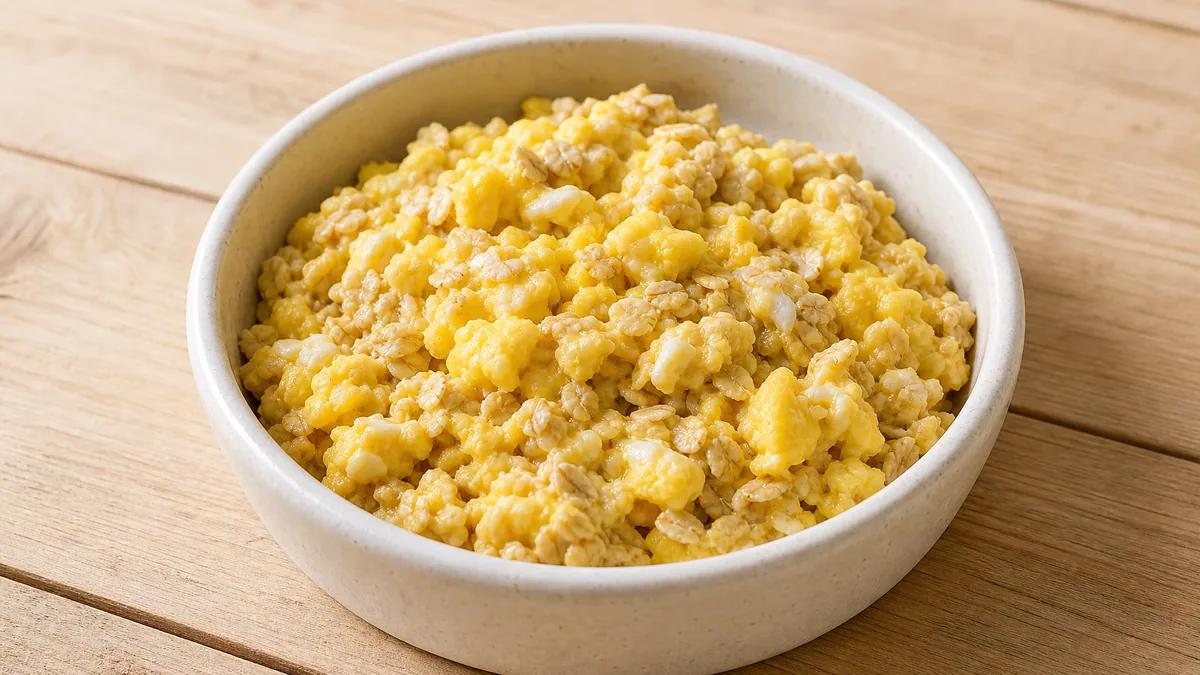
Egg and oat extra
A cooked egg-and-oat mixture for an occasional small extra. It is not a complete breakfast for a puppy or small dog.
See the recipe →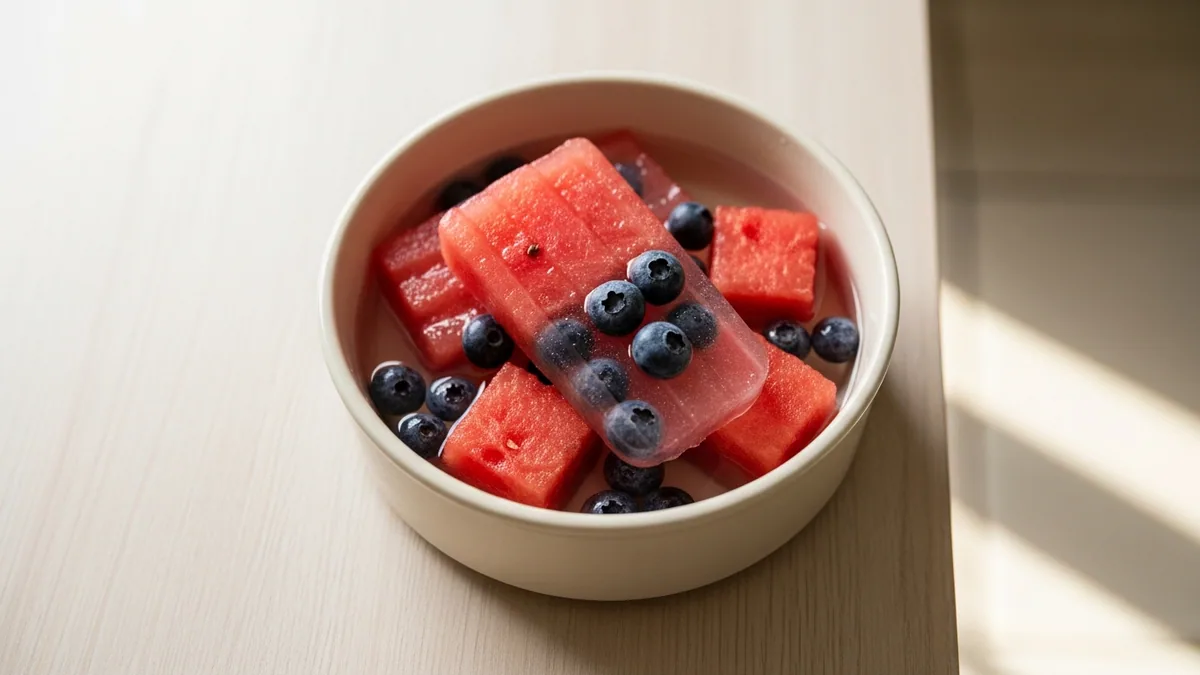
Watermelon and blueberry frozen extras
A fruit-based frozen extra for a dog that can manage the texture. It does not replace drinking water or make hot-weather activity safe.
See the recipe →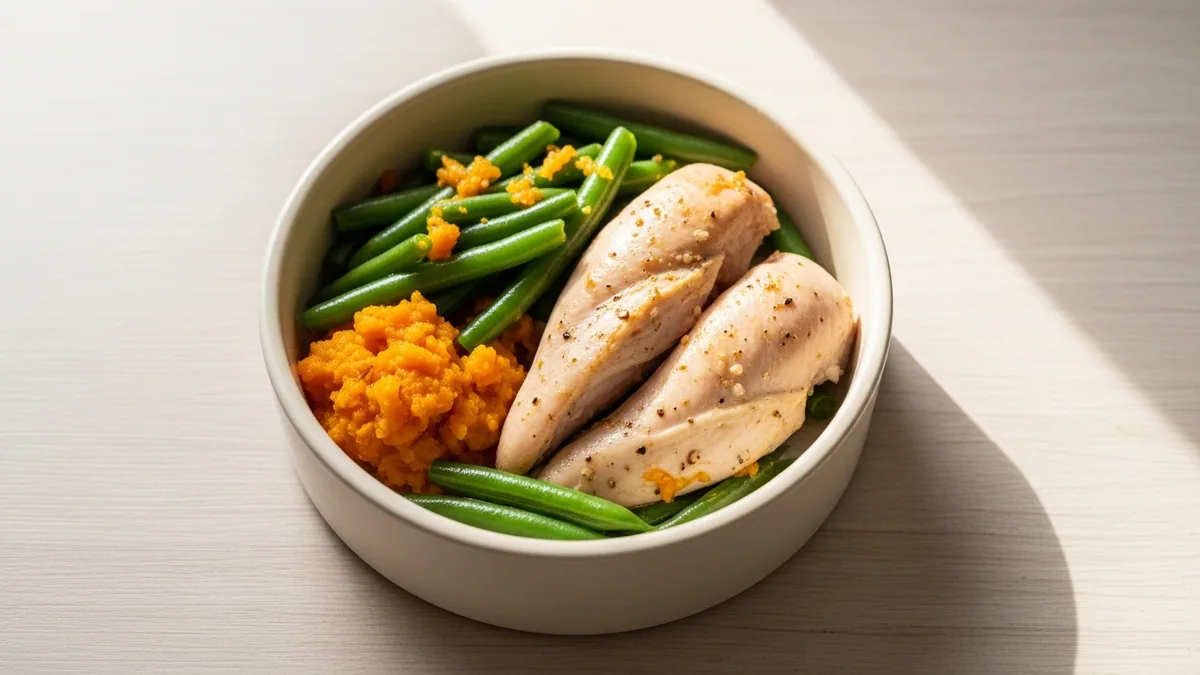
Chicken and green-bean extra
A plain cooked mixture. It is not a formulated weight-loss dinner; ask your vet before changing the amount or composition of a weight-management diet.
See the recipe →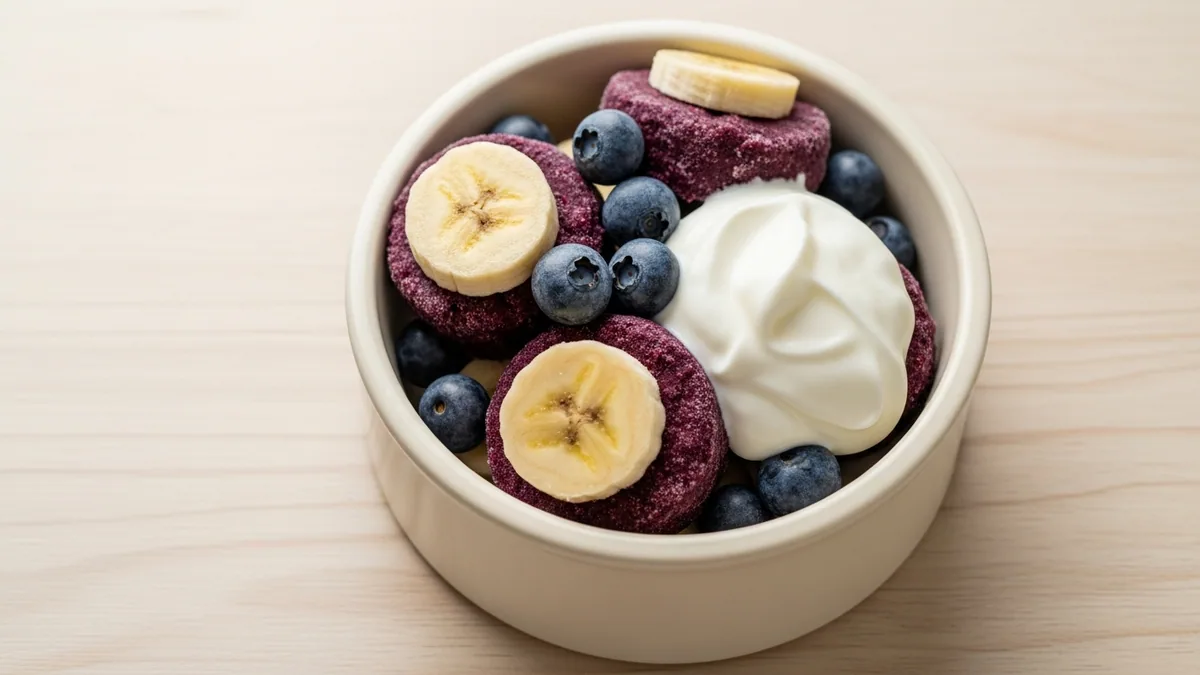
Blueberry and banana frozen extras
A small fruit-and-yoghurt extra. It is not automatically suitable for an older dog or a dog with dairy sensitivity.
See the recipe →A small extra, not a complete meal
These recipes have not been formulated as complete diets, clinical recovery diets or weight-loss plans. WSAVA advises keeping treats below 10% of daily calories, with the veterinary team helping choose the type and amount. A prescribed diet, medical condition or sensitivity may rule out a recipe.
Calories and standard serving yields have not been calculated for these recipes. The ingredient list makes a batch, not one dog’s portion. Do not use an unmeasured “cup”, “bite” or filled toy as a calorie allowance. Ask the clinic how extras fit your dog’s plan, or use a suitable labelled treat when you need a known calorie amount.
Prepare, portion and put away
- Check every ingredient and label. Do not add seasonings, sauces or substitutions without checking suitability.
- Use the method and a food thermometer where appropriate. FoodSafety.gov cooking temperatures guide kitchen handling, not nutritional suitability for a dog.
- Cool the portion before offering it. Choose a manageable size and texture and supervise eating or toy use.
- SFA advises storing cooled cooked food in clean, covered containers in the refrigerator or freezer. Keep the fridge at 4°C or below and freezer at -18°C or below. Separate raw and ready-to-eat ingredients.
- Make a small batch, label the preparation date and set aside unused portions before serving. These recipes have no tested shelf-life; do not assume homemade moist treats keep for a week in a tin. Do not return food your dog has licked to the batch.
Editorial source review: 12 September 2026. Sources support these handling and feeding principles; they do not certify or endorse the individual recipes. Recipes are not kitchen-tested or veterinary-formulated.