
Deciding when to say goodbye to a dog is one of the hardest calls an owner will ever make, and in Singapore that decision comes with practical steps too: who can legally perform euthanasia, whether to do it at home or at a clinic, and what needs to happen with paperwork and aftercare once it is over. This guide walks through all of it plainly, so you can spend your energy on your dog rather than on logistics.
By the numbers
- S$590 Happy Vet advertised starting home-euthanasia price, checked 13 September 2026; surcharges may apply
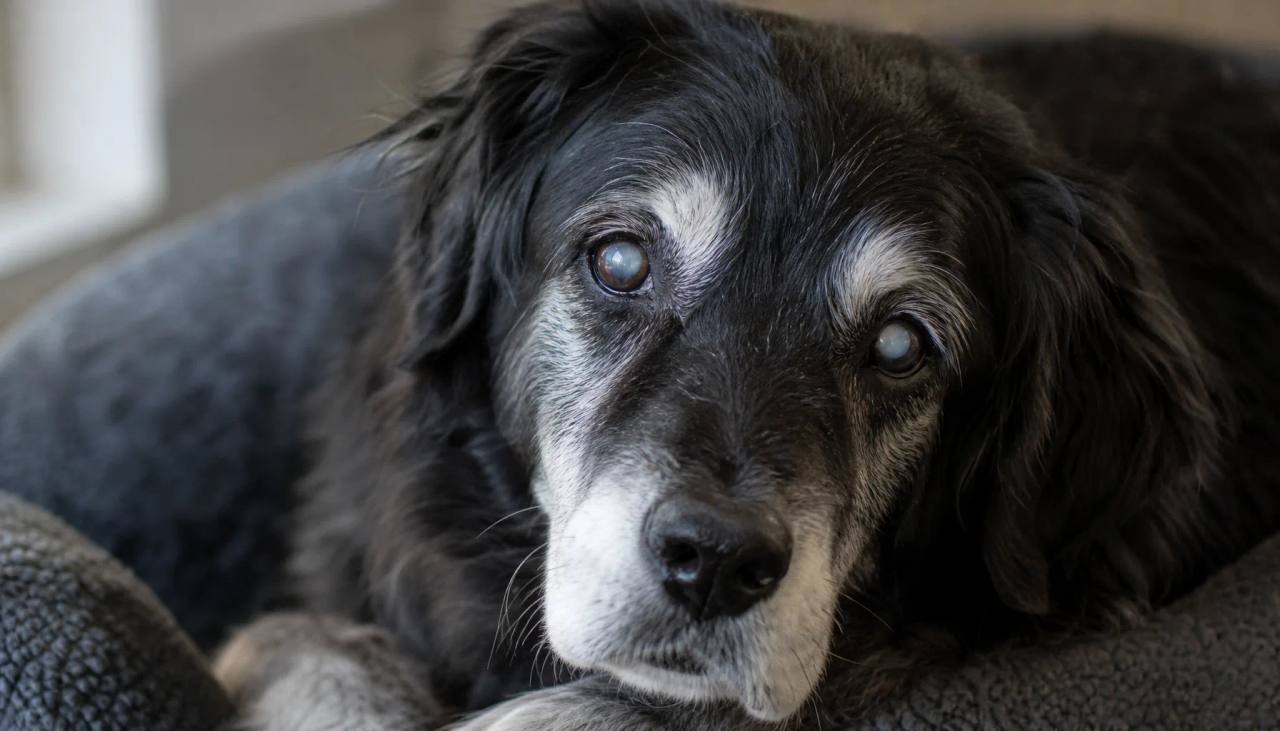
There is rarely one dramatic moment that makes the decision obvious. More often it settles in gradually: a string of quieter days, medication that no longer holds symptoms back, a dog who used to meet you at the door and now barely lifts his head. Making this call well means separating what you feel from what your dog is actually experiencing, and knowing exactly what the practical side of euthanasia in Singapore involves, so you are not scrambling for information at the worst possible time.
How Do You Know When It's Time to Let Your Dog Go?
Most vets talk about this in terms of good days versus bad days. When the good days clearly outnumber the bad, most owners are still in caregiving mode. When bad days start to outnumber the good, or when even a good day is only "not as bad", that is usually the signal to start the conversation seriously rather than waiting for a single crisis to force the decision.
Record changes to discuss with your vet, but do not wait for a cluster or multiple bad days before seeking help. Collapse, breathing difficulty or uncontrolled pain calls for urgent assessment.
- Eating and drinking far less, or refusing food, especially alongside weakness, vomiting or other illness
- Pain that persists despite medication your vet has already tried and adjusted
- No interest in things that used to matter: a favourite walk, a toy, greeting family
- Loss of mobility that leaves your dog unable to stand, turn over, or reach water on his own
- Incontinence combined with visible distress, rather than just an inconvenience to manage
It helps to ask your vet for an honest, clinical read rather than relying only on your own judgement. Owners inside the situation can go either way: some hold on too long out of guilt, others panic at the first bad week. A vet who knows your dog's history can tell you what is treatable, what is not, and roughly how much time and comfort realistic treatment can still buy.
What Actually Happens During Euthanasia?
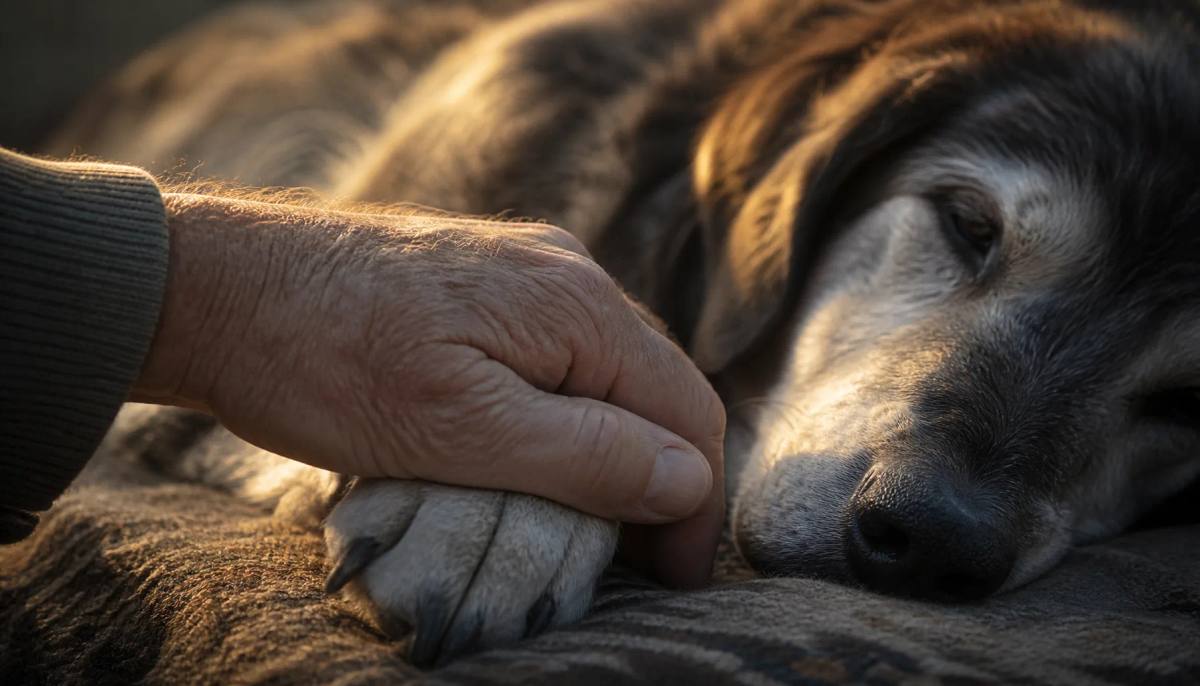
Ask your vet to explain the comfort plan and what you may see. Sedation or anaesthesia is commonly recommended, but the medicines, sequence and timing depend on the patient. The vet checks that death has occurred. You can discuss whether to stay, hold your dog or step out without guilt. Read AAHA guidance and ask your own vet how they adapt the plan to your dog.
Ask about access to a vein, any injection discomfort, sedation monitoring and physical changes that might occur. Avoid treating a fixed injection count or a promised number of minutes as a universal standard.
Only a licensed veterinarian is permitted to carry out euthanasia in Singapore. This sits within the Animals and Birds Act, which requires anyone treating animals to hold a proper AVS veterinary licence, and it is a point the Singapore Veterinary Association has stated publicly as well. That should give you real reassurance: this is not an informal procedure, it is a regulated one, carried out to a professional standard whether you choose a clinic or a home visit.
Should You Choose a Clinic Visit or Home Euthanasia?
Both options exist in Singapore, and there is no single correct answer, only what suits your dog and your household. A clinic visit means familiar equipment and staff close at hand, and it can suit owners who prefer a clinical setting or who have other pets at home that should not be present.
Happy Vet currently advertises home euthanasia from S$590, with additional charges for emergencies, evenings, Fridays to Sundays and public holidays. This is a provider starting price checked on 13 September 2026, not an all-in Singapore rate. Confirm the total, appointment availability and aftercare arrangements. Your regular clinic may also offer a home visit or referral.
Whichever you choose, the vet coming to your home is still bound by the same licensing rules as a clinic vet. Cost, availability, and how quickly you need the appointment are often the deciding factors as much as preference, so it is worth calling around once you know roughly when the time is coming, rather than searching for a provider in the middle of an emergency. If you have not yet settled on a regular vet for your dog, our vet directory is a reasonable place to start looking.
What Happens to Your Dog's Body Afterward?
AVS guidance says dogs and cats cannot go through waste-to-energy disposal. Ask a commercial pet crematorium about collection and care of the body; your vet can help coordinate this.
Home burial is only possible if you own private, landed property, and it is not an option available to the majority of Singapore dog owners living in HDB flats or condominiums, where burial on the grounds is not permitted. Cremation, arranged through a commercial provider, is the realistic path for most families here.
We cover memorial and cremation choices, including what to expect and how to think about keepsakes, in a dedicated guide on this site: grief and memorial services for dogs in Singapore. It is worth reading once the immediate decision has been made, when you have a bit more room to think about what feels right for your dog.
How Do You Begin to Cope With the Grief Afterward?
Grief after losing a dog is real grief, not a lesser version of it, and it deserves the same patience you would give yourself after any significant loss. It is common to feel relief and guilt in the same week, sometimes the same afternoon, especially if the decision came after a long illness. Both feelings can be true at once and neither cancels the other out.
Give yourself permission to grieve in whatever shape it takes: some owners want to talk about their dog constantly for a while, others need quiet. There is no set timeline, and comparing your own pace to anyone else's rarely helps. If you are considering another dog eventually, there is no rush, and no fixed "right" amount of time to wait before you are ready. Our broader senior dog care guides cover the earlier stages of this journey too, if it helps to read around the subject rather than sit with it alone.
The kindest thing you can do is ask your vet plainly whether more good days are still likely, and let that answer guide you.
Common questions
- How do I know if it's the right time to euthanise my dog?
- Most vets suggest weighing whether your dog is having more good days than bad, judged against eating, pain control, mobility, and interest in normal activities. When bad days start to outnumber good ones, or a good day is only mildly less bad, it is usually time to have a direct conversation with your vet rather than wait for a crisis.
- Who is allowed to perform euthanasia on a dog in Singapore?
- Only a licensed veterinarian may perform euthanasia in Singapore. This falls under the Animals and Birds Act, which requires anyone treating animals to hold a proper AVS veterinary licence, and the Singapore Veterinary Association has confirmed this publicly as well.
- Is home euthanasia available in Singapore?
- Yes. Happy Vet advertises the service from S$590, with surcharges for specified times and emergencies. Confirm the total and availability directly; other clinics may offer visits or referrals.
- What actually happens during the euthanasia process?
- Ask your vet to explain the comfort plan and what you may see. Sedation or anaesthesia is commonly recommended, but the medicines, sequence and timing depend on the patient. The vet checks that death has occurred. You can discuss whether to stay, hold your dog or step out without guilt.
- Can I bury my dog at home in Singapore?
- AVS permits pet burial on your own private property, not public land or shared HDB grounds. Commercial cremation is the practical choice for many households.
- What paperwork do I need to sort out after my dog passes away?
- Cancel the licence in PALS. AVS says you may upload a death certificate or cremation invoice to support cancellation; retain the provider paperwork.
- Can dogs be cremated through NEA's waste-to-energy plants?
- No. AVS directs owners of dogs and cats to commercial cremation; burial is limited to your own private property, not public land.
- Is it normal to feel relief as well as grief after euthanising a dog?
- Yes, it is very common to feel both relief and guilt in the same week, sometimes the same day, especially after a long illness. Neither feeling cancels the other out, and there is no fixed timeline for grief or for deciding whether and when to welcome another dog.
Sources
- Happy Vet (myhappyvet.com)myhappyvet.com
- S$590: starting price for a home euthanasia visit in Singapore, offered by Happy Vet
- Rainbow Bridge Veterinary Servicesrainbowbridgevet.com
- 5 to 10 min: typical time for a dog to fall into a deep sleep after the sedative injection, before the euthanasia solution is given
- 2 injections: the standard clinic process: a sedative and pain relief shot first, then the IV injection
- AVS, NParksavs.nparks.gov.sg
- 1: PALS step required afterwards, cancelling the dog's licence under My Licences
- 0: waste-to-energy plants that can take a dog; a licensed pet crematorium is required instead
How we verify content Fact-checking policy How we stay free