
In-home dog trainers in Singapore
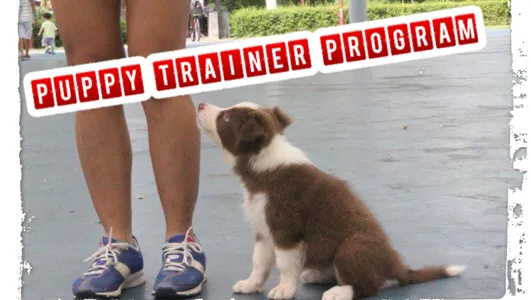
In-home training brings the trainer to your dog, in the place where most of its behaviour actually happens. For a lot of Singapore owners that is the format that fits: the flat is where the barking at the corridor, the jumping on guests, the trouble settling alone and the loose-lead walking on your own estate all play out, and a private one-to-one session works on exactly those things in context. The trainers listed here offer in-home and private sessions across Singapore, and the ones worth choosing pair the convenience with humane, reward-based methods. Below you will find how in-home training works, when it is the right call versus a group class, and what to look for so the trainer who comes to your door is genuinely good and not just close by.
- 17 trainers and schools
- 5 regions covered
- 11 positive-reinforcement
- 7 training schools
- 14 with listed certifications
- 4.9 average Google rating
What makes good in-home training
Method matters as much at home as anywhere. A private session in your flat is no excuse for harsh tools; the best in-home trainers use positive reinforcement and coach you to carry the work on after they leave. Look for force-free, Fear Free aligned practitioners, and the certifications, from bodies like the Certification Council for Professional Dog Trainers, that signal real training in an unregulated field. A trainer alone in your home with your dog should be someone whose approach you have checked, not just whose calendar was free.
The value of in-home is context and personalisation, so judge whether the trainer uses it. A good private session tackles your dog's actual problems in the actual environment: the specific doorway it guards, the real lift lobby where it reacts, the corner of the flat where toileting goes wrong. The trainer should assess your home setup, watch the behaviour where it happens, and build a plan around your household. That tailoring is what you are paying the premium for over a group class.
Then weigh coaching and follow-through. Because no one else is in the room, in-home training lives or dies on how well the trainer teaches you, the handler. Clear technique, written homework, and a plan you can keep up between visits are what turn a single session into lasting change. The strongest in-home trainers leave you more capable, not dependent on them returning every week.
In-home dog trainers

APawz Dogsports & Canine Talents Academy
APawz is listed by AVS under trainer Jazz Ng. Current class venue, programme availability, facilities and handling methods need direct confirmation before booking.
Dog Obedience Training Using Pain free Methods
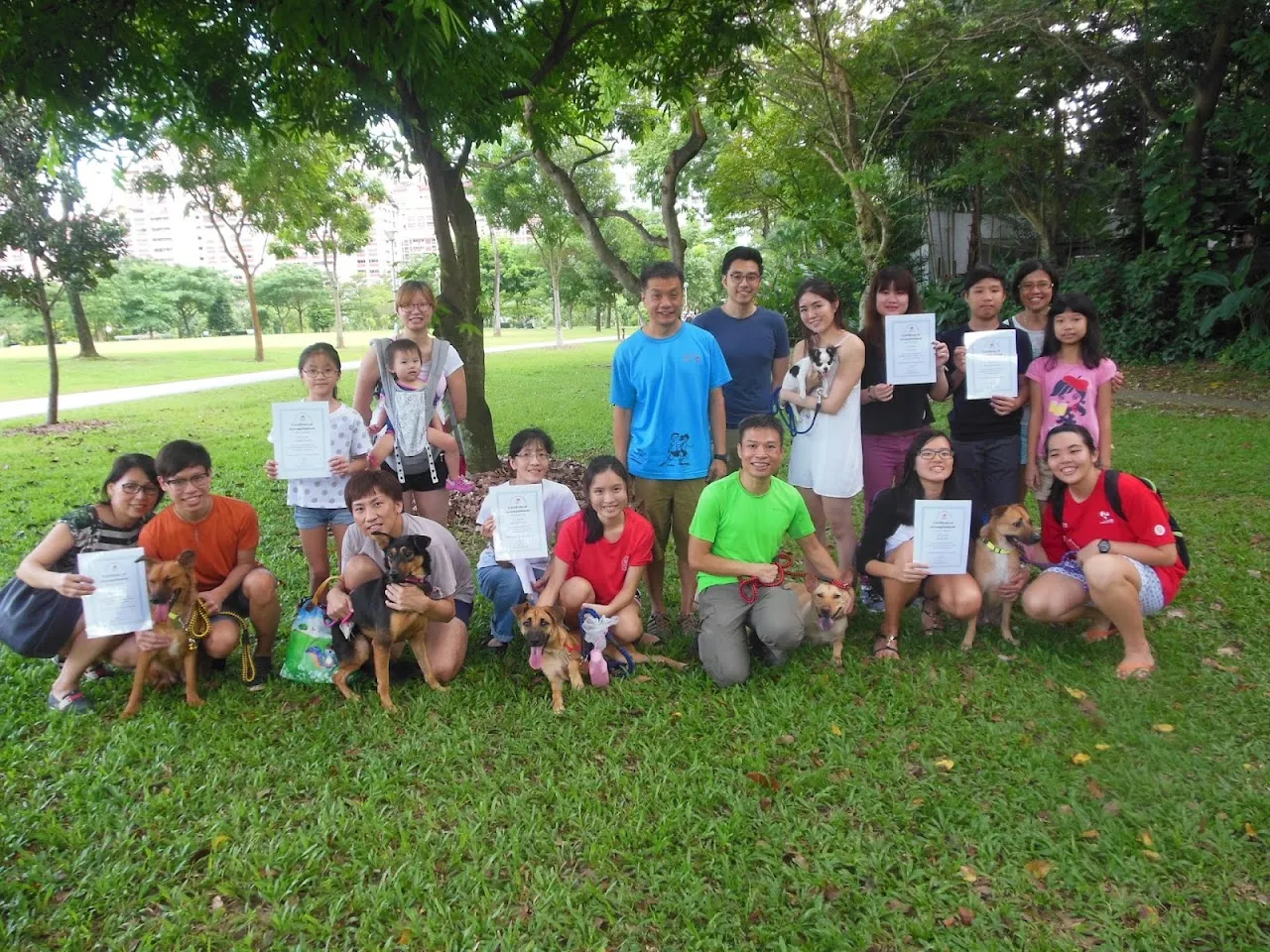
Dog Listener Consultancy offers classes and home consultations with Ricky Yeo. Ask about the specific methods and equipment used; the provider describes both reinforcement and corrections.
Happy-Dog Training
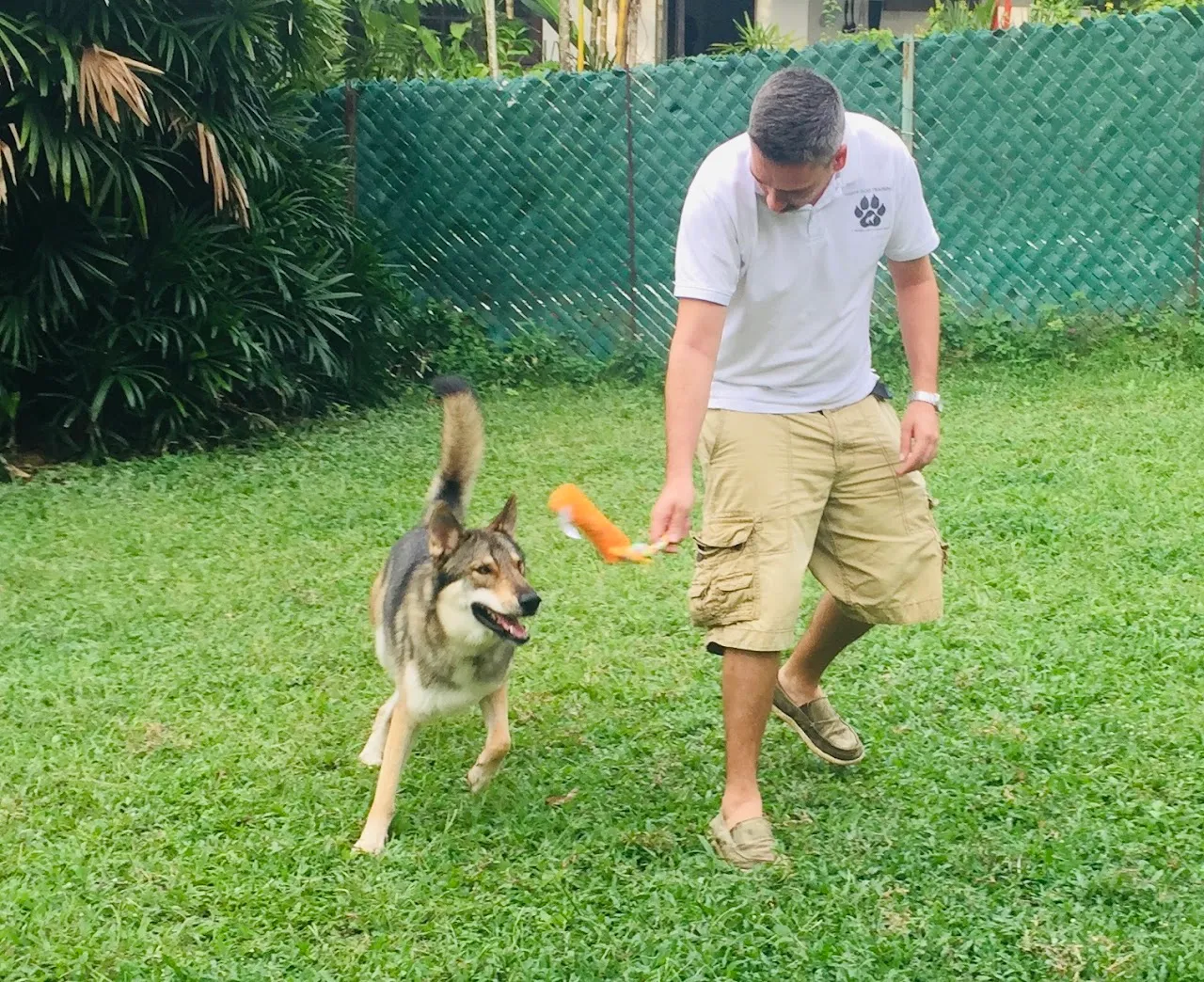
Happy-Dog Training offers puppy classes, private obedience, behaviour consultations and nosework. Its founder Mark reports CPDT-KA and AVS accreditation; confirm your course format and instructor.
Starrelito K9 Training
Structured dog agility training by booking, including classes for beginners.
Sunny Chong Dog Training School
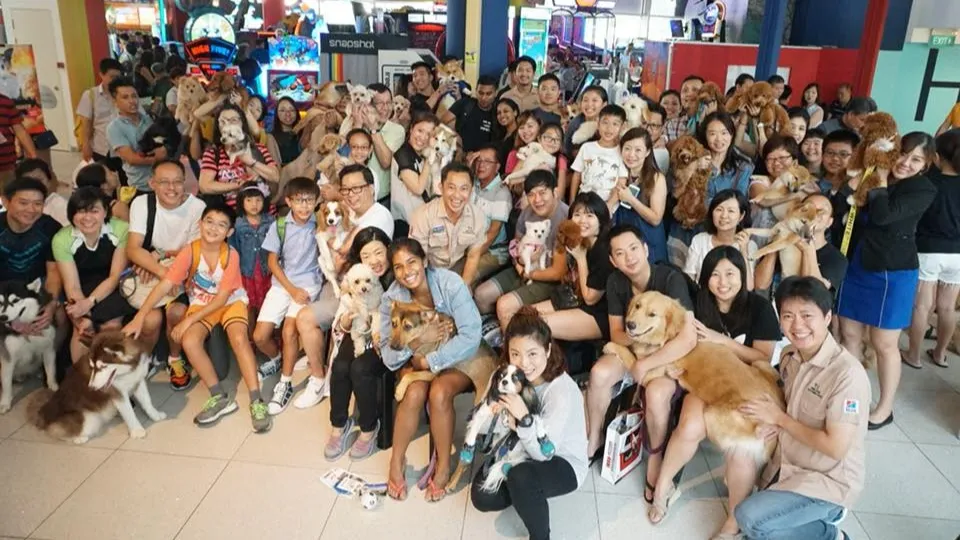
Sunny Chong Dog Training School remains listed for direct enquiry. Current programmes, qualifications, training methods and venue details need confirmation with the provider.
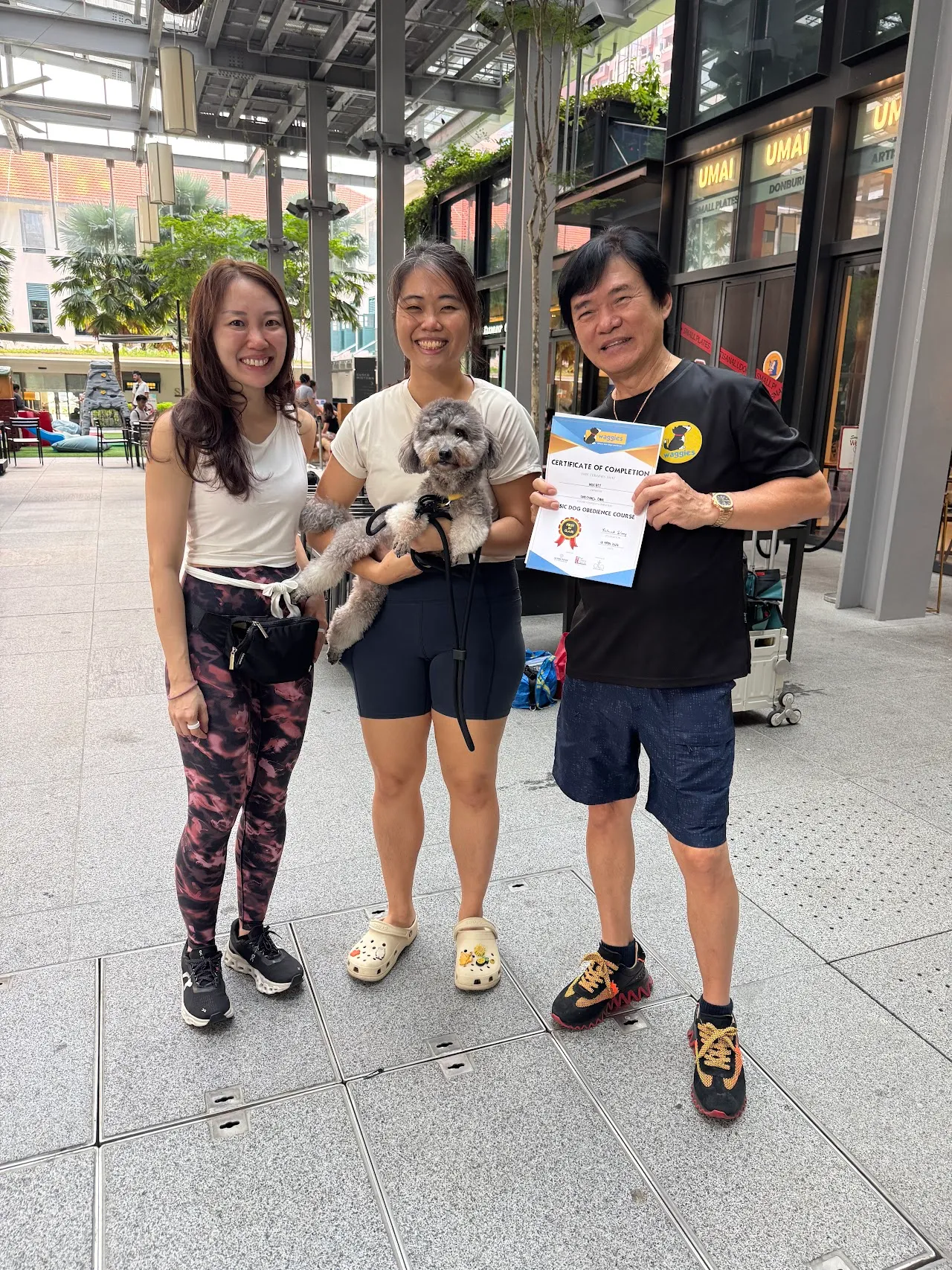
Waggie Dog School - Best Dog Obedience Training In Singapore
Waggie offers group obedience and private training. Ask which instructor will teach your dog and request their methods, equipment and current course terms before booking.
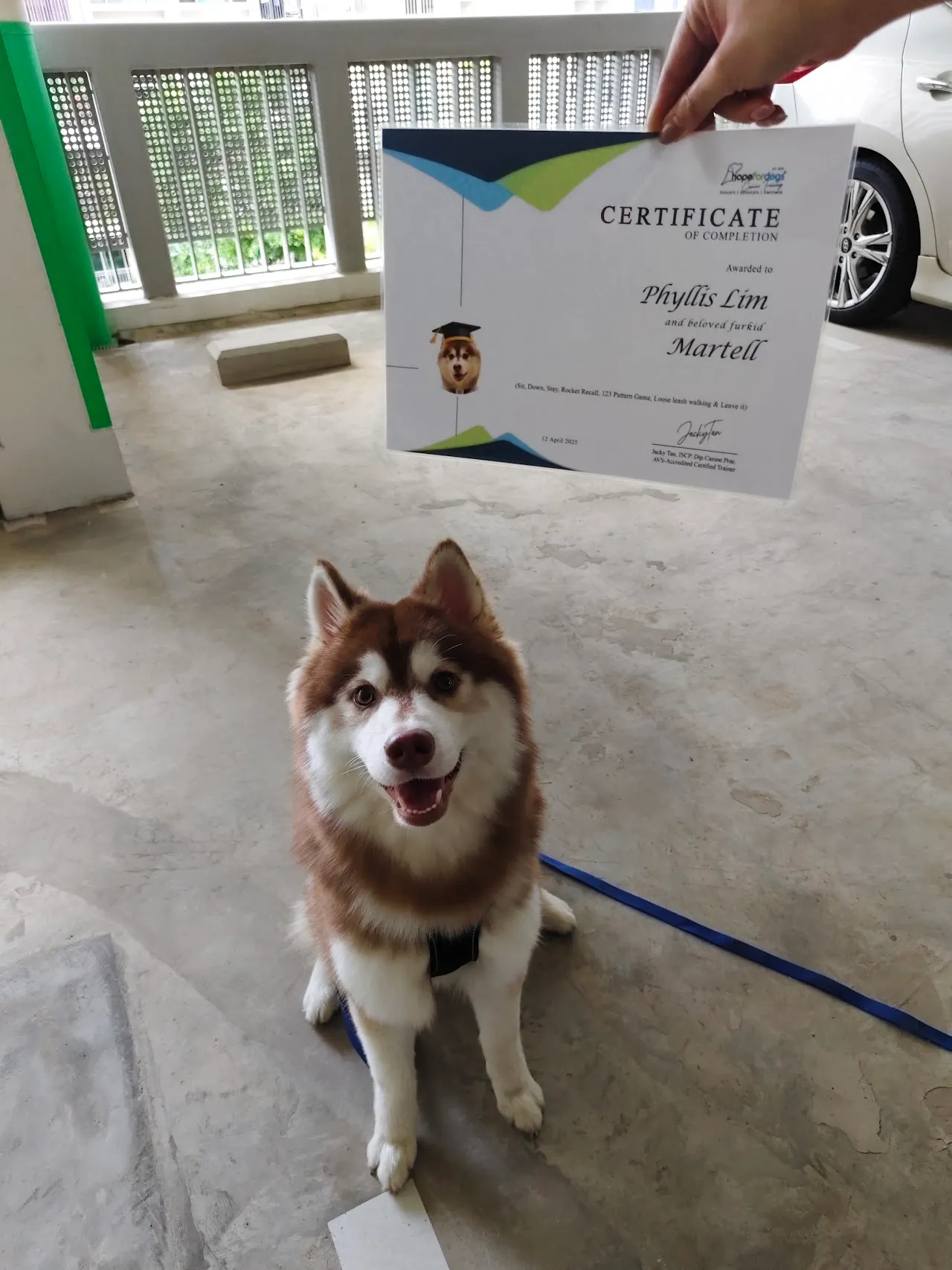
Hopefordogs Canine Training
Hopefordogs offers puppy foundations, basic manners and behaviour-modification support using provider-stated reward-based methods. A canine assessment can help determine the appropriate programme.
K9 Kampong Dog Training
K9 Kampong offers private puppy, obedience, loose-leash and behaviour-modification programmes. Confirm the instructor and programme suited to your dog before booking.
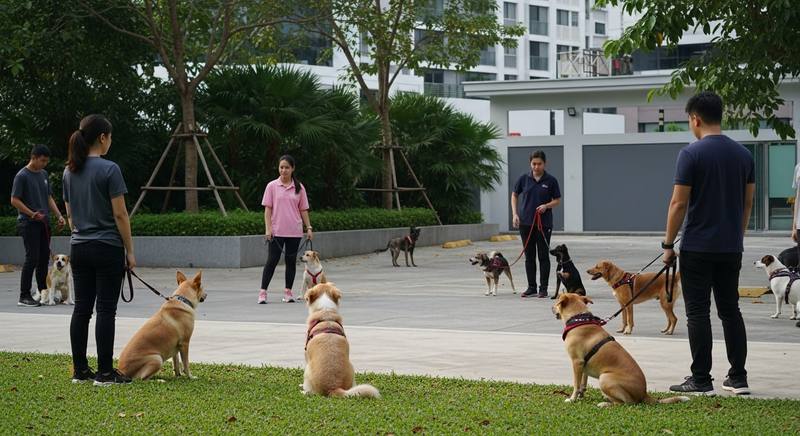
Mutt Matters
Mutt Matters offers individual coaching and behaviour-modification programmes with Anna Koo. Its website lists assessed qualifications and several formats, including owner coaching and day training.
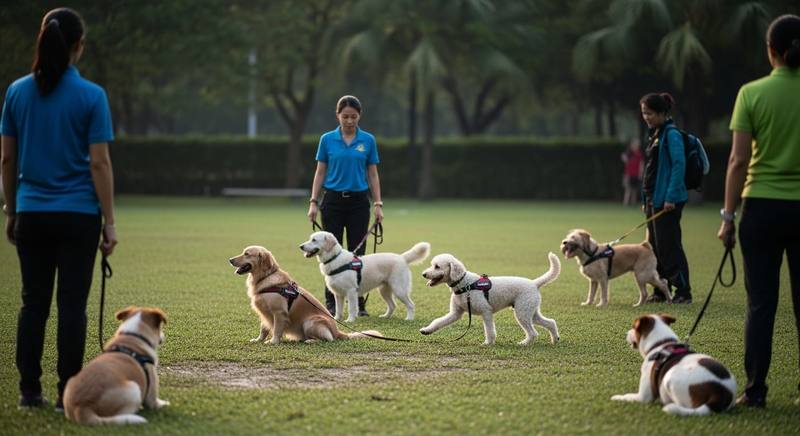
Noble Canine
Noble Canine offers welfare-focused training and care, with force-free handling described on its website. Confirm the named trainer, programme and suitability for your dog before booking.
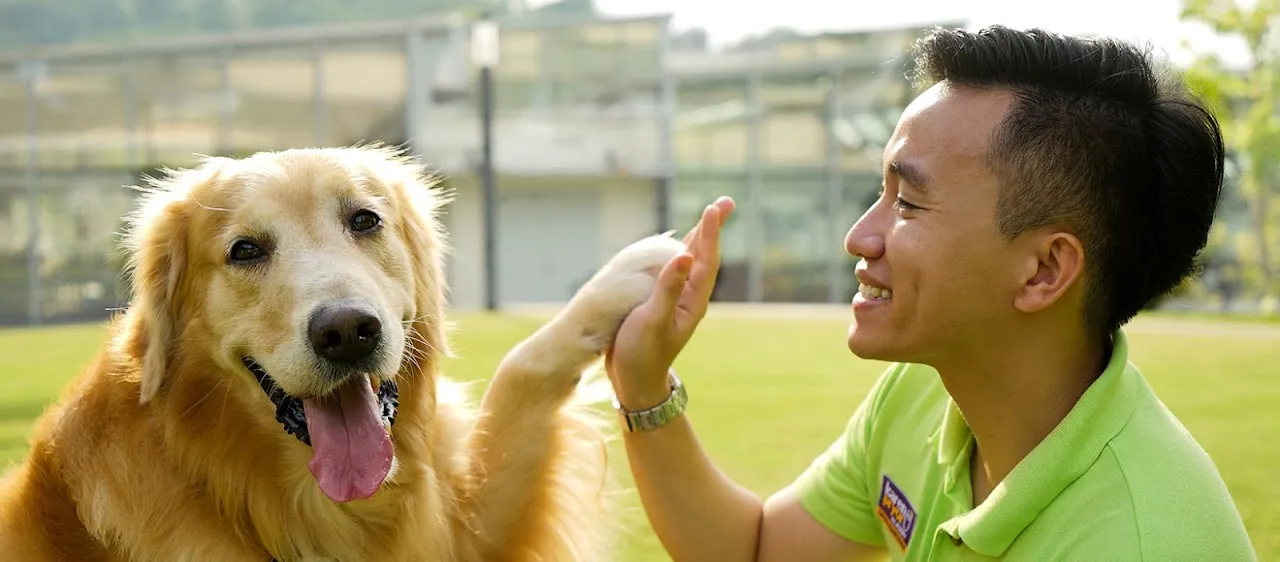
Pawrus Animal Behaviour Clinic
Pawrus offers behaviour and training support. Its published biographies distinguish Kevin Yeo’s behaviour qualifications from Jasline Aiw’s grooming role; confirm the practitioner and current appointment arrangements.
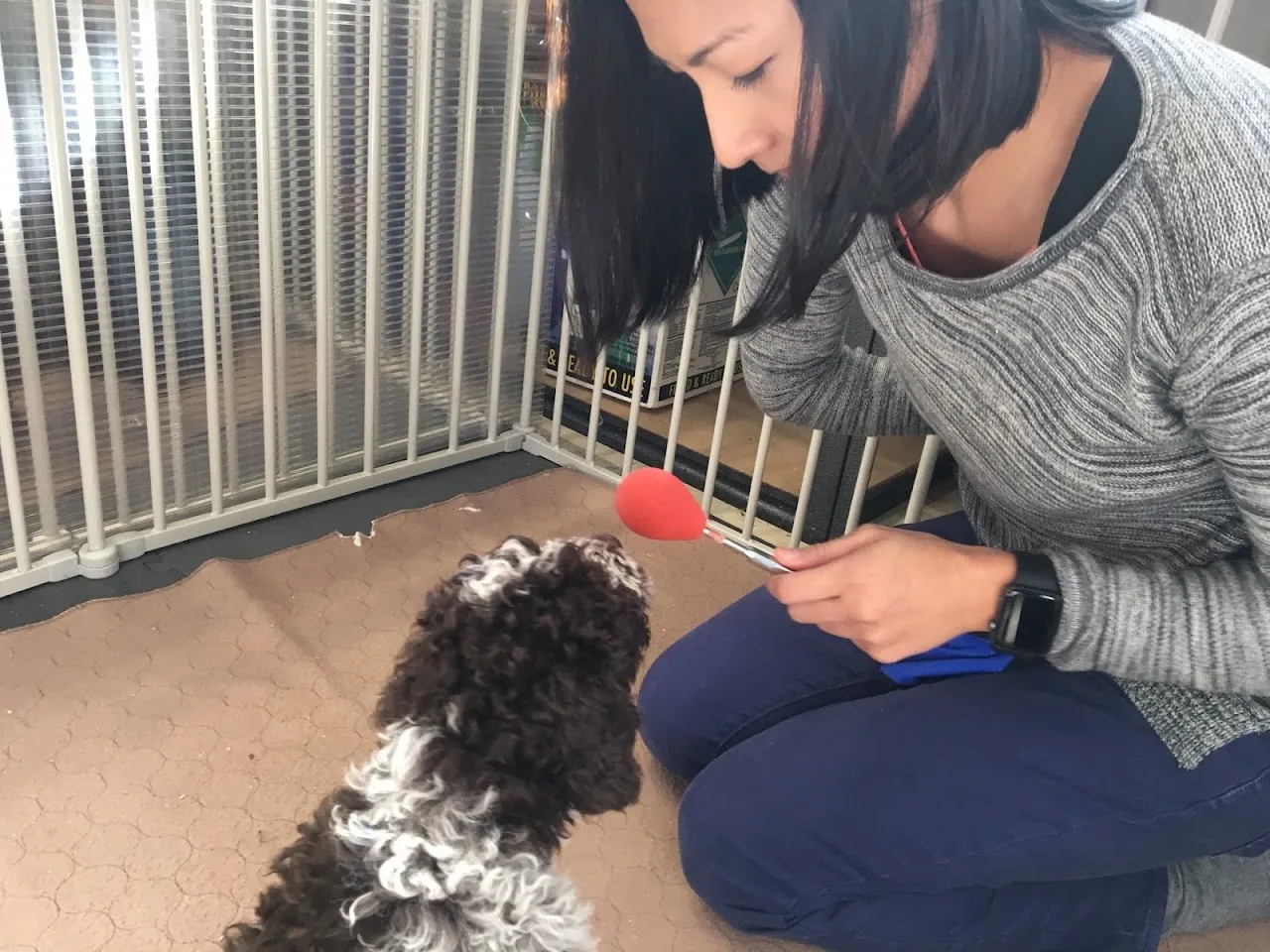
Paws In The City SG Dog Training
Paws In The City offers private in-home training and consultations with Theresa, whose website describes positive reinforcement without force, intimidation, shock or physical corrections.
Pawsitive Furkids Dog Training School
Pawsitive Furkids offers puppy, obedience, trick and nosework training. Its trainers describe a positive-reinforcement approach; confirm the instructor and class format before booking.
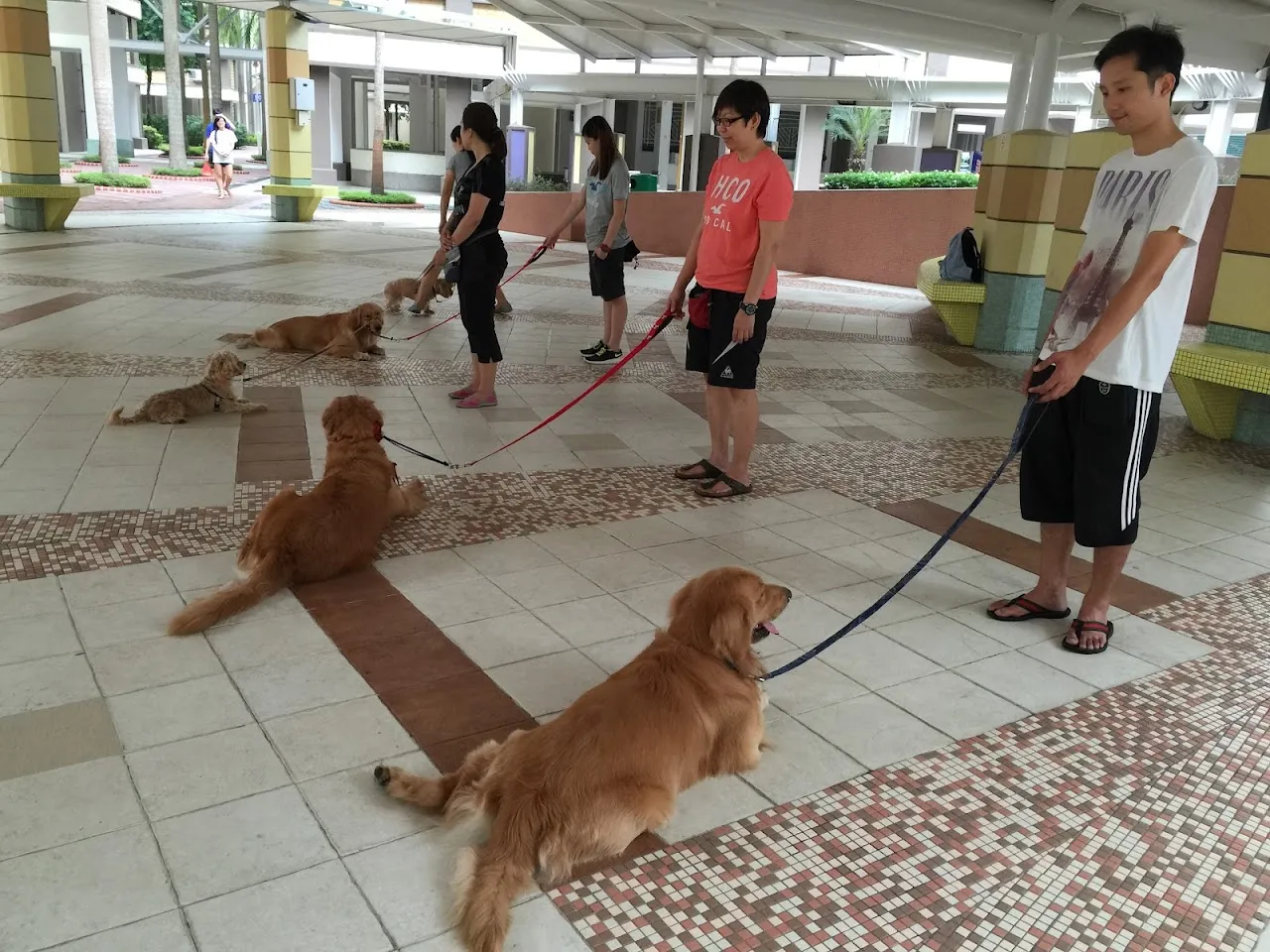
Perfect K9
Perfect K9 offers dog training and publishes trainer qualifications. Ask for the named practitioner and a practical training plan; its separate reiki and animal-communication services are not veterinary care.
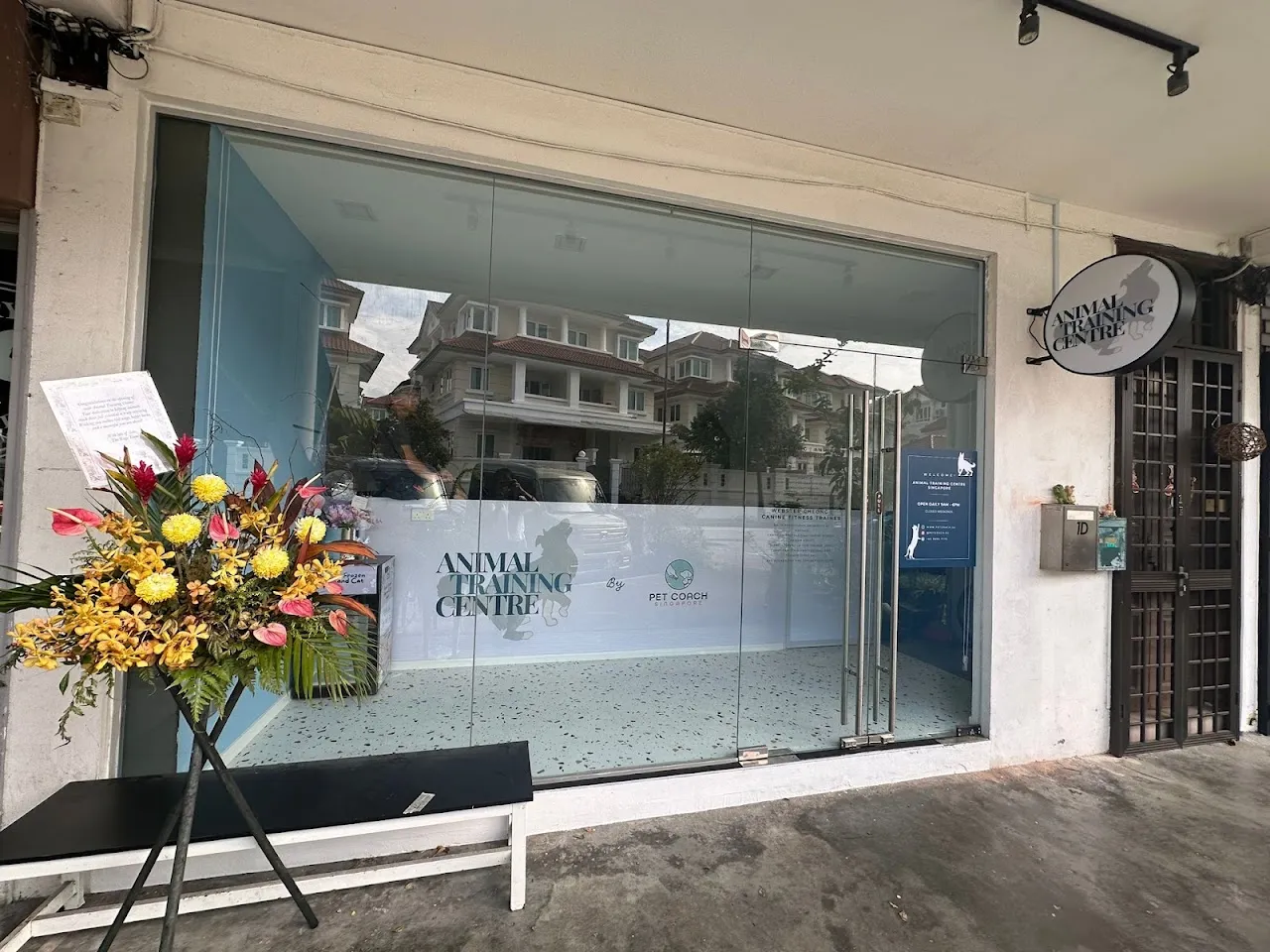
Pet Coach SG | Animal Training Centre
Pet Coach SG offers puppy, obedience, fitness and behaviour programmes. Its founders publish individual qualifications; confirm the practitioner, assessment and plan suited to your dog.
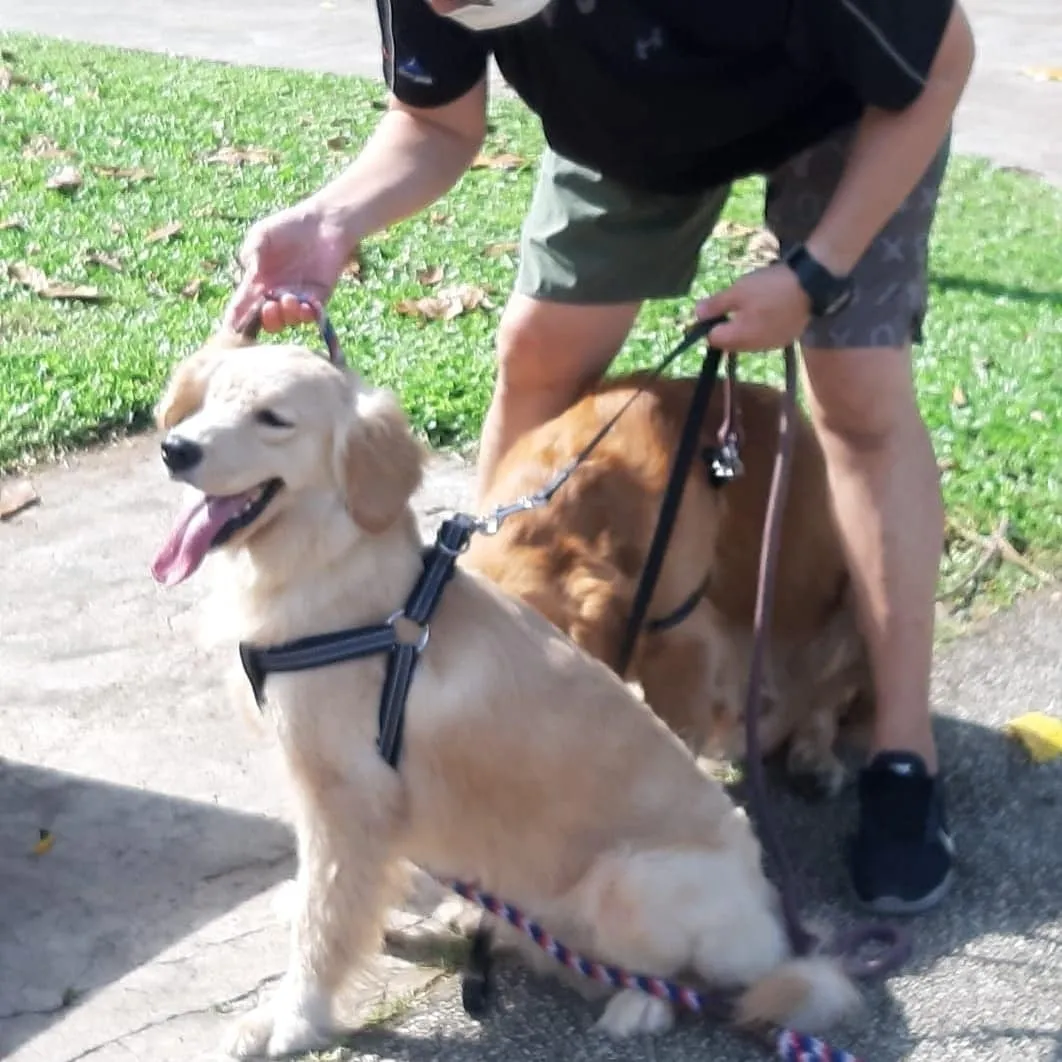
PUPS Dog Training
PUPS Dog Training offers puppy foundations using positive reinforcement. Its website explicitly rules out punishment and aversive methods; ask about the format, location and current intake.
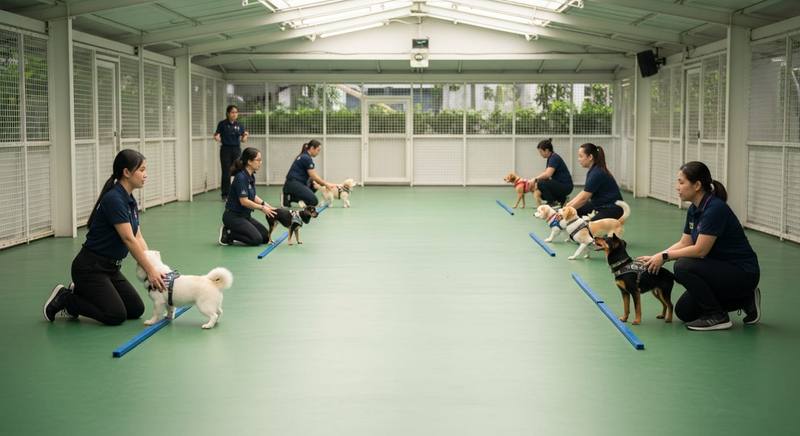
Wigglebutts Academy
Wigglebutts Academy offers dayschool, private consultations, puppy training and reactive-dog support. Its website describes force-free methods and provider-reported KPA CTP and Fear Free credentials.
Things to know about in-home training in Singapore
In-home suits the realities of city dog life. Many of the behaviours owners struggle with are home and estate specific: settling calmly in a flat, not barking at every corridor footstep, greeting guests politely, walking nicely through your own void deck and lift lobby. A trainer working in that exact context can address what a class in a neutral hall cannot, which is why in-home is often the better fit for a flat-bound or anxious dog.
It also sidesteps some local obstacles. A nervous or reactive dog that struggles in a group, or a young puppy you would rather not bring into a busy class yet, can learn calmly at home. The heat is less of a factor when the work happens in air-conditioning, and there is no travel with a stressed dog in tow. The Meteorological Service Singapore makes that a real advantage on the worst afternoons. The trade-off is socialisation: a dog that needs to learn around other dogs may still want a group class alongside private work.
Mind the practicalities of inviting a trainer in. Confirm the trainer's method and credentials before booking, agree what the session will cover, and have the household present so everyone learns the same cues, since consistency at home is what makes training stick. In-home sessions cost more per hour than a group class, so make each one count by practising the homework in between. For a structured routine to follow, our training-plan tool builds one around your dog and your goals.
Frequently asked questions
What is in-home dog training?
It is private, one-to-one training where the trainer comes to your home and works with you and your dog in your own environment. It targets the behaviours that happen at home and on your estate, settling, greeting guests, corridor barking, loose-lead walking on your routes, and coaches you to maintain the training after the session.
Is in-home training better than a group class?
Neither is better outright; they suit different needs. In-home wins for home-specific problems, nervous or reactive dogs, busy schedules, and personalised attention. Group classes win for socialisation, working around distractions, and value. Many owners combine them: private sessions for the tailored work, a group class for socialisation.
How much does in-home dog training cost in Singapore?
Private in-home sessions cost more per hour than group classes, typically a higher per-session fee that reflects the one-to-one attention and the trainer's travel. Many trainers offer packages of several sessions. Weigh the premium against the value of tailored work in the exact place your dog's behaviour happens.
What problems is in-home training best for?
Home and estate-specific issues: settling alone, barking at the corridor, jumping on guests, toileting problems, and loose-lead walking on your own routes. It also suits nervous or reactive dogs that struggle in groups and young puppies you would rather not bring into a busy class yet. The context is the advantage.
Does my whole household need to be there?
Ideally yes. Consistency is what makes training hold, so having everyone who handles the dog learn the same cues and rules in the session pays off. A behaviour the dog is asked to do one way by one person and another way by the next will not stick. In-home training makes this easy since it happens where everyone lives.
Can in-home training help with socialisation?
Only partly. Socialisation needs controlled exposure to other dogs and people, which a home setting cannot fully provide. In-home training is excellent for most other skills, but a dog that needs to learn around other dogs may want a group class alongside private work. A good in-home trainer will tell you honestly when that applies.
How do I choose a safe in-home trainer?
Check method and credentials before you invite anyone in: insist on positive-reinforcement, force-free approaches, and look for recognised certifications, since trainers are unregulated here. Agree the scope beforehand, and have the household present. The trainer should leave you more capable, with clear homework, not dependent on weekly visits.