
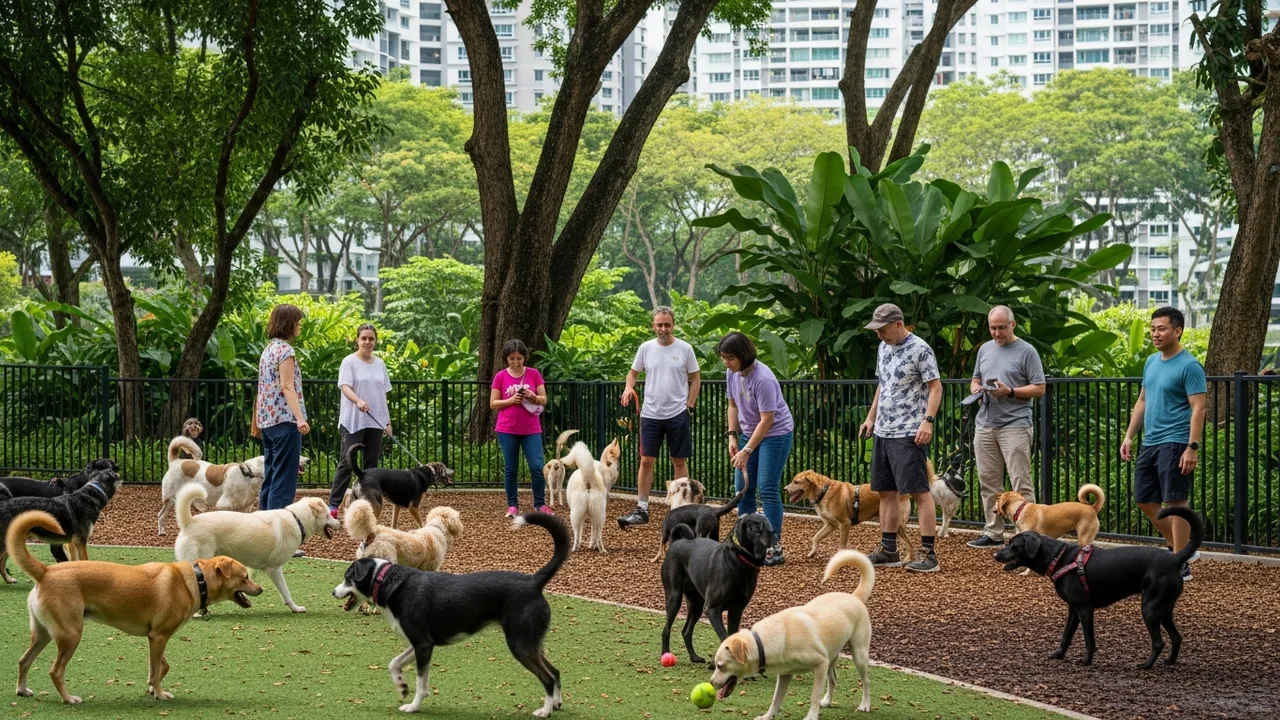

A designated dog run can offer an opportunity for permitted off-leash exercise, which makes it precious and, on a busy evening, a little chaotic. The dogs that thrive there belong to owners who know the etiquette: the handful of written rules, the larger set of unwritten ones, and the read on when a good session is turning and it is time to clip the lead back on. This guide covers all three, so your run visits stay the highlight of your dog’s day rather than the source of a bad experience.
The rules that are actually written down
Keep your dog leashed and supervised in public, and check the rules before using a designated off-leash space. Permission for a run does not extend to the approach paths, car park or beach. Specified dogs and dogs with individual licence conditions may still need a lead and muzzle inside. Check current AVS licensing requirements, the operator’s rules and signs at the gate.
Within the runs themselves, the AVS dog-runs framework and each run’s posted house rules cover the basics: dogs must be vaccinated and healthy, owners must supervise at all times and clean up after their dogs, and aggressive dogs or dogs in season are not welcome. Many runs also cap how many dogs one person may bring and ask that you fill in any holes your dog digs. None of this is bureaucratic fuss. Every rule exists because someone’s afternoon was ruined when it was ignored, and following them is part of making shared exercise space workable for everyone. NParks also sets out where dogs are and are not allowed across the island’s parks and reserves, which is worth checking before you head somewhere new.
The unwritten rules that matter more
The written rules keep you legal; the unwritten ones keep you welcome. The first and largest is simple: watch your dog, not your phone. A dog run works because owners are paying attention and can head off trouble before it starts, and the single most disliked figure at any run is the person scrolling while their dog bullies the group. Stay mobile, keep your dog roughly in view and in range of your voice, and be ready to recall it at any moment. This is where the recall you built at home earns its keep.
The rest follow from courtesy. Enter calmly rather than releasing a wound-up dog into a crowd, and if a pack rushes the gate, wait for it to disperse before you let yours off. Leave food and your dog’s favourite toys outside, since both are classic flashpoints among loose dogs. Do not bring a dog that is unwell, unvaccinated or in season. If your dog is the one getting overexcited or overbearing, call it out for a break rather than waiting for another owner to complain. And greet the regulars: a dog run is a small community, and being a considerate, friendly handler is how you and your dog become part of it.
What to bring, and what to leave at the gate
Pack light and pack sensibly. The essentials are water and a bowl, a good supply of poo bags, and a lead you can clip on within a second if you need to leave quickly. A towel is useful for muddy paws, but is not something to wrap around an overheating dog. In this climate, water is not optional: dogs at full pelt overheat far faster than they do on a walk, and having your own supply means you are never relying on a shared bowl that may be empty or a source of squabbling.
What you leave at the gate matters just as much. Food and treats turn a relaxed group tense, because a dog that smells chicken in your pocket will crowd and guard, so keep them out of the run or save them for the walk home. Your dog’s most prized toy is the same story: a ball it will not share is a fight waiting to happen in a group. Keep leads short on approach. Release your dog only when the gate is secure, off-leash use is permitted for that dog and the situation is suitable; do not leave trailing lines among playing dogs. Travel light, and the visit stays easy.
Reading the pack before and during
The best owners make their most important decision before they even open the gate. Take a minute to watch the group: relaxed, attentive owners and loose, bouncy dogs are a green light, while a tense huddle of worried owners, a gate being mobbed, or one dog steamrollering the others without any intervention are all reasons to wait or come back later. You are choosing whether to enter, and you can always pick a quieter hour or another of the runs we list instead. Nobody is owed your entry into a group that looks like trouble.
Once inside, keep reading. Healthy play is mutual and full of pauses and role-swaps; the dogs take turns and check in with little breaks. Watch for the shift from play to tension: stiffening bodies, a hard stare, one dog relentlessly chasing another that wants to stop, mounting, or guarding around a dropped item or the gate. Recall your dog early for a break where safe; if tension persists, leave rather than assuming a pause will resolve it. The skill is not stopping every rough-and-tumble, which is normal, but spotting the moment fun curdles into something else, and interrupting it early and calmly before it escalates.
When to leave, and how to leave well
Knowing when to go is the mark of a good handler, and there are three clear cues. The first is your dog: if it is being bullied, is hiding, is guarding, or has simply had enough and stopped enjoying itself, that is your signal, regardless of how long you have been there. The second is another dog or owner: a dog that fixates on yours, or an owner who will not manage a dog that is causing problems, means it is time to remove yours from the situation rather than hope it improves.
The third is the heat: heavy relentless panting, a dog that lies down and will not get up, or an unsteady gait requires immediate cooling and an urgent veterinary call. Arrange transport while following the clinic’s advice; do not delay cooling until you reach home. Our heatstroke first aid guide covers the response.
Making a clean exit
Leave calmly, whatever the reason. Clip the lead on without drama, thank anyone you have been chatting to, and walk out. Do not scold your dog for the situation, and do not linger to prove a point. If dogs fight, keep people clear and do not reach between them, grab their collars or attempt a hind-leg lifting manoeuvre from an online description. Seek help from staff or the operator. Once safely separated, prevent renewed contact and obtain veterinary assessment for injuries. Exchange contact details if safe. PDSA warns that trying to separate fighting dogs can injure the person intervening. After a frightening incident, give your dog time and seek professional advice if fear or behaviour changes persist. There is no need to return to a busy run before your dog is comfortable.