
The Singapore dog glossary
Every word here is one you'll meet on a form, in a consult room, or halfway through a relocation, and every one of them is written from the agency or veterinary source that defines it. If you're after the step by step, the guides do that. This is the page for working out what something actually means.
Showing all 19 terms.
Licensing and the law
The words AVS uses on the forms, and what each one actually asks you to do.
- Dog licence (AVS)
The compulsory registration of a pet dog with the Animal and Veterinary Service, held in the owner’s name and tied to the address where the dog is kept. Every dog in Singapore must have one, and it is a record of traceability rather than permission to keep the dog at that address.
- PALS (Pet Animal Licensing System)
The AVS online portal at pals.avs.gov.sg where dog and cat licences are applied for, renewed, transferred, updated and cancelled. It is also where supporting documents such as sterilisation certificates, insurance policies and guarantees are uploaded.
- Specified dog
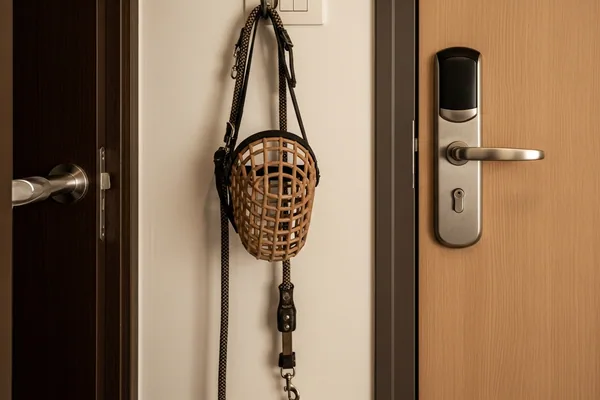
A dog of a breed listed in the First Schedule of the Animals and Birds (Licensing and Control of Cats and Dogs) Rules 2024, split into Part 1 and Part 2. Specified dogs carry extra licensing conditions including muzzling in public, third-party insurance and a banker’s guarantee.
- Banker’s guarantee (dog licensing)
A financial undertaking issued by a bank or insurer, lodged with the Director-General, that a Specified dog’s licensee will meet their licensing obligations. It is S$5,000 for a Part 1 breed and S$2,000 for a Part 2 breed, and it can be forfeited for non-compliance.
- Third-party liability insurance (dog licensing)
An insurance policy approved by the Director-General, for not less than S$100,000, covering injury to people or animals and damage to property caused by a dog. It is a licensing condition for every Specified dog and for any dog AVS assesses as aggressive or potentially dangerous.
- Limits of ownership
The maximum number of licensed dogs allowed at one residence, set by the type of home. HDB flats allow one dog of an approved small breed. Private premises allow up to three cats or dogs in any combination, of which at most one may be a Specified dog.




HDB and where you live
Which dog is allowed in which home, and the schemes that widen that answer.
- HDB approved breed
One of the 62 dog breeds HDB publishes as allowed in a flat. Only one dog from that list may be kept per flat, and a breach carries a fine of up to S$4,000.
- Project ADORE
A joint scheme that lets HDB households keep one local mixed-breed dog that is not on the approved breed list, up to 55cm at the shoulder, when the dog is rehomed through an approved animal welfare partner and meets microchipping, sterilisation, licensing and obedience training conditions.
- Singapore Special
The common Singaporean name for a local mixed-breed dog, used in AVS and NParks material alongside the formal terms local mixed breed and mongrel. It is not a recognised breed, and the label carries real consequences for housing and licensing.

Bringing a dog in
Import terminology, from rabies risk categories to the certificate your vet signs.
- Import licence (AVS)
The AVS licence required to bring a dog into Singapore, applied for through the GoBusiness Licensing Portal and valid for 90 days from the date of issue. A dog licence must already be held before the import licence can be applied for.
- Rabies risk category (Schedule I, II and III)
The three-tier classification AVS applies to the country a dog is exported from, which decides the vaccinations, blood tests, parasite treatments and post-arrival quarantine that dog is subject to. Schedule I is the lowest risk and Schedule III covers everywhere not named in the other two.
- Rabies serology test
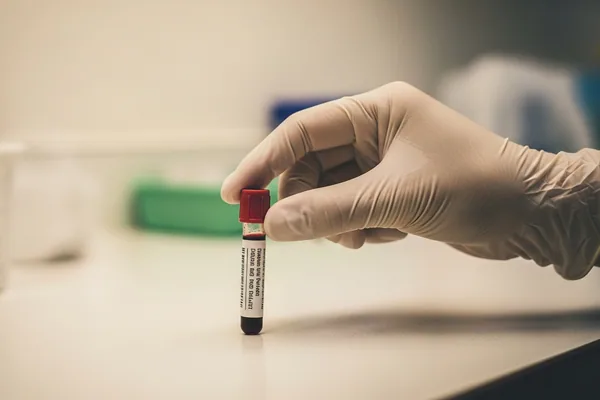
A blood test measuring rabies antibody levels, required for dogs exported to Singapore from Schedule II and Schedule III countries. The sample must be taken at least 28 days after a valid rabies vaccination, and at least 90 days and within 12 months before the date of export.
- Veterinary health certificate
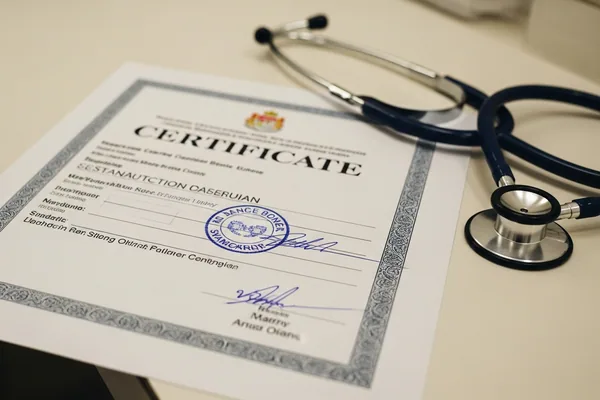
The certificate confirming a dog meets Singapore’s veterinary conditions for import, is healthy, free from clinical signs of contagious or infectious disease, and fit for travel. It is completed between two and seven days before export and endorsed by the exporting country’s official government veterinarian.
- Changi Animal and Plant Quarantine Station (CAPQ)
The AVS facility at Changi Airfreight Centre where dogs arriving in Singapore by air are inspected. An inspection appointment must be booked at least five days before arrival, and arriving without one attracts a fee of S$133 per hour or part thereof.
- Home quarantine (imported dogs)
The alternative to quarantine at the Animal Quarantine Centre for dogs imported from Schedule II countries under a personal import licence, requiring a minimum of 10 days at the licensee’s home under conditions AVS publishes, with a smart collar tag used to confirm the dog stays on the premises.
- ISO microchip (11784 and 11785)
A microchip conforming to International Standards Organisation Standard 11784 or Standard 11785 Annex A, which is the identification standard AVS requires for dogs entering Singapore. The chip number must appear on every vaccination and treatment record.




Health and body
Conditions your vet may name in a consult room, explained for a Singapore climate.
- Core vaccination (canine)
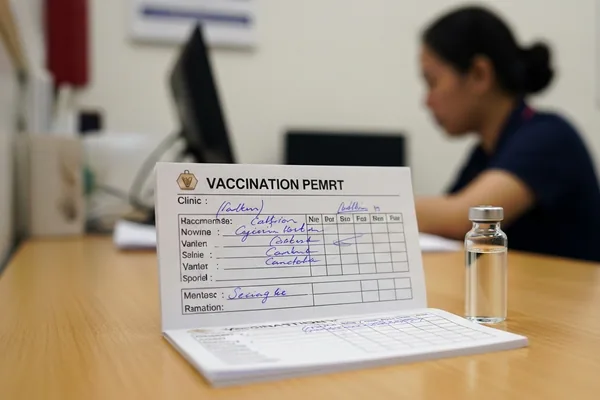
The baseline vaccinations a dog is expected to hold. For entry into Singapore, AVS names three specifically: canine distemper virus, canine adenovirus type 1 and canine parvovirus type 2, supported by vaccination records on arrival.
- BOAS (Brachycephalic Obstructive Airway Syndrome)
A group of upper airway abnormalities found in short-muzzled dogs, including narrowed nostrils, an elongated soft palate, everted laryngeal saccules and sometimes a narrowed windpipe, which together obstruct airflow and cause breathing difficulty that worsens with heat, stress and exertion.
- GDV (Gastric Dilatation-Volvulus, or bloat)
A rapidly progressive, life-threatening condition in which a dog’s stomach distends with food and gas and can rotate on itself, cutting off blood supply. It requires immediate veterinary attention, and reported mortality is approximately 15%.


No term matches that yet. Clear the filter to see everything, and if there’s a word you expected to find, tell us and we’ll write it.
Every entry cites the government or veterinary source it was written from, with the date that source was read. The most recent check across the glossary was 15 August 2026. Singapore pet rules do change, so where a fee or a deadline matters to a decision you’re making, follow the source link and confirm it. The step by step lives in the guides.